
What Should I Confirm Before Placing an Outdoor Lighting Order?
Before placing an outdoor lighting order, confirm the product specifications, materials, electrical requirements, IP rating, installation details, quality standards, MOQ, lead time, packaging and warranty in writing. For customized or project-based orders, also check the target market’s applicable requirements and approve the final sample before mass production.
A quotation alone is not enough to confirm that a product meets your requirements.
For distributors, importers, wholesalers and project buyers, a clear outdoor lighting order checklist helps prevent misunderstandings, reduce specification changes and make supplier quotations easier to compare.
Here are 10 essential checks to complete before confirming your next outdoor lighting order.
1. Confirm the Exact Product Model and Specifications
Start by confirming exactly which product you are ordering.
Product photos can be useful for initial selection, but they do not provide all the information needed for production.
Ask your supplier to confirm:
- Product model or SKU
- Overall dimensions
- Housing material
- Product color and finish
- Rated power
- Color temperature
- Lumen output, where applicable
- Beam angle, where applicable
- Installation method
- Included accessories
If your order contains multiple models, create a separate specification sheet for each SKU.
This is especially important when two products look similar but have different dimensions, finishes or electrical configurations.
What to do: Ask the supplier to provide an updated product specification sheet and ensure the model number matches your quotation and purchase order.
2. Confirm the IP Rating and Waterproof Requirements
Outdoor lighting products may be exposed to rain, humidity, dust and other environmental conditions. The required protection depends on where and how the fixture will be installed.
Before ordering, confirm:
- Required IP rating
- Intended installation location
- Whether the fixture is exposed to direct rain
- Whether it will be installed at ground level or underground
- Applicable installation and drainage conditions
- Available test documentation for the exact model
The IP Code is defined by IEC 60529, which classifies degrees of protection provided by electrical enclosures.
For reference, see the official IEC 60529 standard.
Do not assume that every product in a supplier’s catalogue has the same IP rating. Different models may use different enclosures, seals and cable-entry designs.
An IP rating also does not automatically guarantee suitability for every outdoor environment or installation method.
What to do: Confirm the required rating in writing and request relevant test documentation for the exact product model.
3. Confirm the Housing Material and Surface Finish
The housing and surface finish affect product appearance, construction and suitability for the intended environment.
Common materials used in outdoor lighting include die-cast aluminum, stainless steel and different types of plastic.
Before placing an order, confirm:
- Housing material
- Diffuser material
- Surface treatment
- Color and finish
- Fastener material, where relevant
- Suitability for the intended environment
For example, die-cast aluminum and plastic housings have different properties. The better choice depends on the fixture design, application, cost target and operating conditions.
If the project is located in a coastal or high-humidity environment, discuss corrosion protection and the suitability of the complete fixture rather than evaluating the housing material alone.
What to do: Request the material specification and approve the actual color or finish sample when appearance is important to the project.
4. Confirm the LED Driver and Electrical Requirements
The LED driver is an important part of the lighting system. A product’s wattage alone is not enough to establish electrical compatibility.
Confirm the following details with your supplier:
- Rated input voltage and frequency
- Constant-current or constant-voltage design, as applicable
- Output current and voltage requirements
- Rated power
- Dimming capability
- Control-system compatibility
- Driver model or approved specification
- Relevant electrical documentation
These details are especially important when customizing a product or sourcing the same fixture for different markets.
Do not assume that a driver can be replaced simply because another model has the same wattage. Output characteristics, dimensions, thermal conditions and other requirements must also be checked.
What to do: Ask the supplier to confirm the driver and LED configuration in the product specification sheet before production.
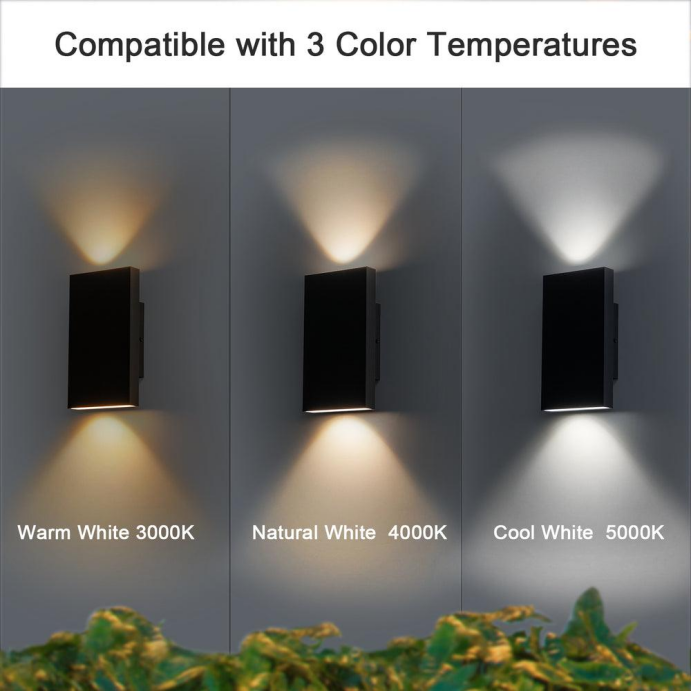
5. Confirm Color Temperature and Light Performance
Color temperature can affect the visual appearance of an outdoor lighting project.
For example, 3000K generally appears warmer than 4000K, while 6000K appears cooler and more bluish.
Before ordering, confirm:
- Required color temperature
- Available color-temperature options
- Lumen output
- Beam angle or light distribution, where relevant
- Dimming requirements
- Any project-specific consistency requirements
Do not treat color temperature, brightness and color rendering as the same specification. They describe different aspects of light.
For multi-model projects, confirm whether the products need to share a consistent color temperature and appearance.
What to do: Include the required color temperature and other relevant optical specifications in the purchase order. If appearance is critical, approve a representative sample before mass production.
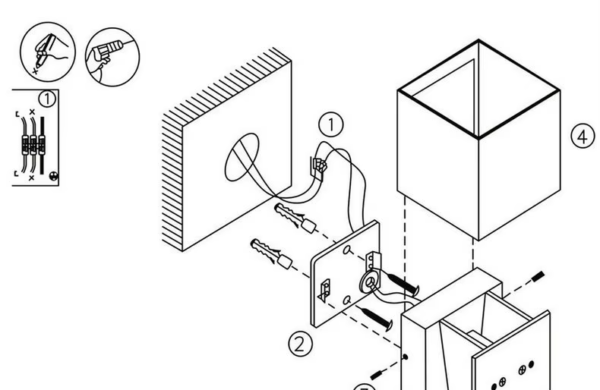
6. Confirm Installation Dimensions and Accessories
A product may match your preferred design but still be unsuitable for the installation location.
Before confirming an order, check:
- Overall dimensions
- Mounting-hole positions
- Mounting plate dimensions
- Cable-entry location
- Available wiring space
- Installation direction
- Included screws and accessories
- Compatibility with the intended mounting surface
For outdoor wall lights, for example, the mounting arrangement and available junction-box space may affect installation compatibility.
For step lights and inground lights, installation depth, mounting structure and drainage conditions may also matter.
What to do: Request dimension drawings and installation instructions. If the fixture must fit an existing installation, compare the drawing with the actual site requirements before approving the order.
7. Confirm MOQ, Price and Payment Terms
Commercial terms should be clear before the purchase order is confirmed.
Ask your supplier to specify:
- Unit price
- Minimum order quantity
- Quantity-based price breaks
- Sample price
- Tooling or mold costs, if applicable
- Payment terms
- Spare-parts arrangements
- Warranty terms
- Quotation validity
When comparing two suppliers, make sure both quotations cover the same product specification, order quantity and commercial conditions.
A lower unit price does not necessarily mean a lower overall purchasing cost if the MOQ, packaging, product configuration or warranty differs.
What to do: Keep the final quotation and agreed commercial terms with your purchase order. Confirm any exceptions before payment.
8. Confirm Lead Time and Delivery Arrangements
Production lead time and delivery time are not always the same.
Before placing an order, clarify when the production lead time starts and which stages are included.
Ask:
- How long does sample preparation take?
- Is the sample approval period included?
- When does mass production begin?
- What is the estimated production lead time?
- Is packaging included in the schedule?
- What is the estimated shipping arrangement?
- Are there holiday or production-scheduling risks?
For customized lighting, changes to the driver, finish, packaging or product dimensions may affect the schedule.
If the goods are required for a construction project, coordinate the supplier’s production schedule with the project’s installation deadline.
What to do: Record the agreed production lead time, expected completion date and delivery terms in writing. Ask the supplier to notify you if a confirmed specification change affects the schedule.
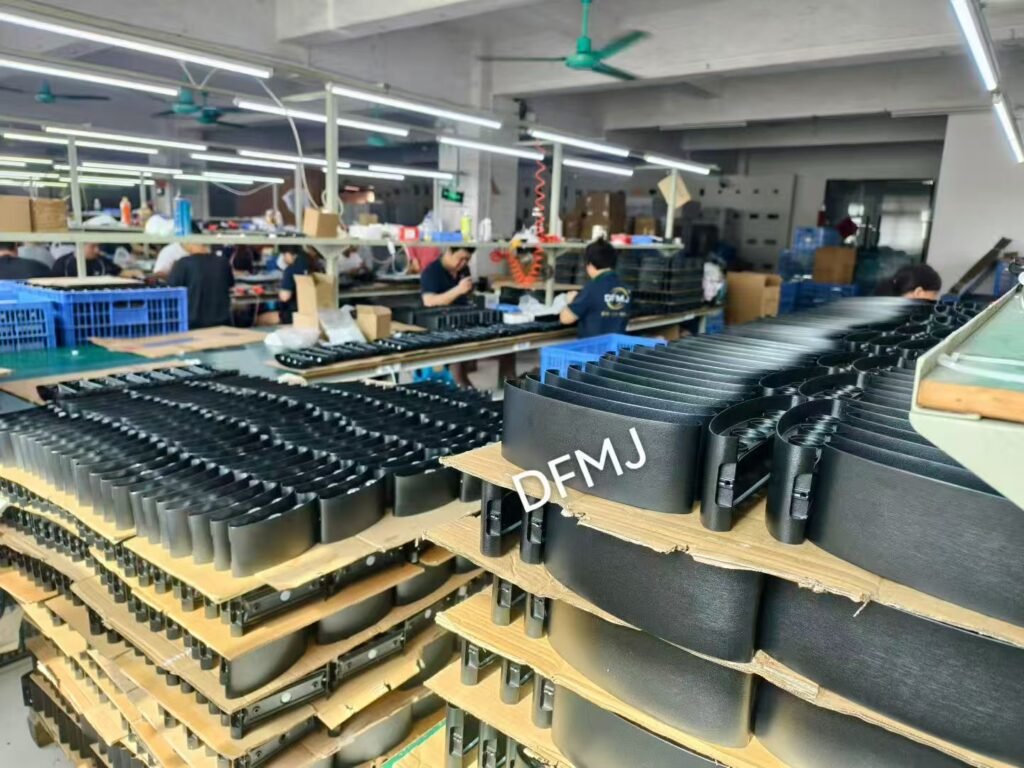
9. Confirm Quality Control and Sample Approval
A sample can help you evaluate the actual product before committing to a large order.
Depending on the product and project, sample evaluation may include:
- Appearance and finish
- Dimensions
- Material
- Electrical configuration
- Light output and color temperature
- Installation compatibility
- Packaging
- Relevant testing requirements
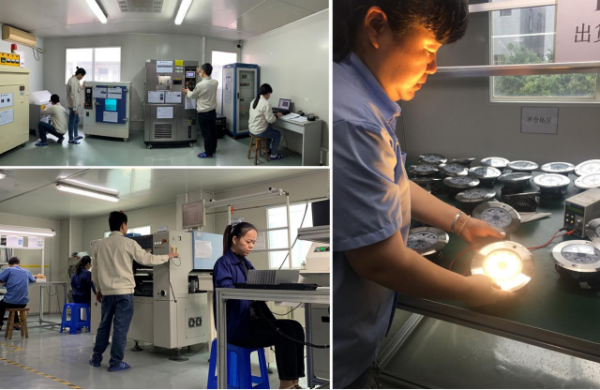
You should also ask how the supplier controls production quality.
Questions include:
- Are incoming materials checked?
- Are key components verified?
- Are finished products inspected?
- What testing is performed?
- How are defective products handled?
- Can the approved sample and specifications be used as a reference for mass production?
The exact inspection and testing procedures will vary by product and supplier. Do not assume that every supplier performs the same tests.
What to do: Approve the final sample and written specifications before mass production. Keep a record of the approved version and any agreed deviations.
10. Confirm Packaging, Labels and Documentation
Packaging and documentation are easy to overlook during product selection, but they can affect receiving, distribution and project installation.
Before ordering, confirm:
- Inner and outer carton specifications
- Packaging protection
- Product labels
- Model numbers and SKU references
- Barcodes, if required
- Installation manuals
- Spare parts and accessories
- Shipping marks
- Required product and compliance documents
If you are selling under your own brand, confirm logo placement, label artwork and packaging design before mass production.
For international shipments, the required documents depend on the product, destination market and shipping arrangement. Ask your supplier and logistics provider to confirm what is required for your specific shipment.
What to do: Approve packaging artwork, labels and documentation requirements in writing. Do not assume that a supplier’s standard packaging will meet your distribution or retail requirements.
Outdoor Lighting Order Checklist: A Comparison Table
Use this table to review your order before confirming it.
| Item | What to confirm | Written confirmation |
|---|---|---|
| Product | Model, SKU and dimensions | Product specification |
| IP rating | Required rating and supporting documentation | Model-specific evidence |
| Materials | Housing, diffuser and finish | Material specification |
| Electrical | Driver, input and output requirements | Electrical datasheet |
| Light performance | Color temperature and optical requirements | Approved specification |
| Installation | Dimensions, mounting and accessories | Dimension drawing |
| Commercial terms | Price, MOQ and payment | Final quotation and PO |
| Delivery | Production schedule and delivery terms | Written schedule |
| Quality | Sample approval and inspection requirements | Approved sample/specification |
| Packaging | Cartons, labels and manuals | Approved packaging details |
What If You Are Ordering Customized Outdoor Lighting?
For OEM/ODM orders, the checklist may need additional information.
Before production, confirm:
- Reference drawings or product samples
- Customized dimensions and materials
- Color and surface-finish requirements
- LED and driver configuration
- Installation details
- Target-market requirements
- Tooling and development costs
- Sample approval procedure
- Packaging and branding
- Ownership and approval of final artwork or drawings, where relevant
Not every customization requires a new mold or the same level of testing. The actual process depends on the proposed changes and the product design.
If a change affects electrical components, enclosure construction, installation or compliance, ask the supplier to identify what needs to be reviewed or retested.
The safest approach is to document the final agreed specification before mass production.
DFMJ Expert Insight: Confirm the Details Before Comparing Quotes
When sourcing outdoor lighting, I recommend using the same specification checklist for every supplier you evaluate.
This helps you compare like-for-like quotations instead of comparing prices for products that may have different materials, components or requirements.
It also makes communication more efficient. Rather than exchanging repeated messages about individual details, you can send one clear document covering the product, electrical requirements, installation, commercial terms and packaging.
For buyers developing a new product range, this process can also make repeat orders easier to manage.
The goal is not to create unnecessary paperwork. It is to make sure both sides agree on what will actually be delivered.
About DFMJ Lighting
DFMJ Lighting supplies outdoor lighting products for international B2B buyers, including distributors, wholesalers, contractors and project buyers.
Our product categories include outdoor wall lights, garden lights, landscape lighting, bollard lights, outdoor step lights and outdoor inground lights.
For outdoor lighting sourcing, clear product specifications and written confirmation help buyers and suppliers align on the required product before production.
If you are sourcing outdoor lighting for wholesale or project applications, you can visit the DFMJ Lighting website to explore our product range and discuss your requirements.
Frequently Asked Questions
What should I confirm before placing an outdoor lighting order?
Confirm the exact product model, specifications, IP rating, materials, driver, color temperature, installation requirements, MOQ, price, lead time, quality-control arrangements, packaging and warranty.
Should I approve a sample before placing a bulk order?
For many B2B and customized orders, sample approval is a useful way to check appearance, dimensions, materials and other critical requirements before mass production. The need for a sample depends on the product, project risk and purchasing arrangement.
What documents should an outdoor lighting supplier provide?
Depending on the product and destination market, relevant documents may include a product specification sheet, dimension drawing, installation instructions, driver datasheet, applicable test reports and compliance documentation.
Ask for documents that correspond to the exact model and intended market.
How can I compare outdoor lighting suppliers fairly?
Use the same specification sheet for every supplier. Compare product materials, electrical configuration, IP rating, testing evidence, MOQ, price, lead time, warranty and packaging requirements.
What should I confirm for customized outdoor lighting?
Confirm the design, dimensions, materials, electrical configuration, finish, installation, target-market requirements, MOQ, development costs, lead time, sample approval and packaging.
Can I change the product specifications after placing an order?
Changes may be possible, but they can affect cost, lead time, tooling, product compatibility or required testing. Ask the supplier to review the change and confirm the impact in writing before proceeding.
Final Checklist Before You Place an Order
Before approving your next outdoor lighting purchase order, make sure you have:
- Confirmed the exact model and specifications
- Verified the required IP rating
- Confirmed housing materials and surface finish
- Checked the driver and electrical requirements
- Confirmed color temperature and light performance
- Reviewed installation dimensions and accessories
- Agreed on price, MOQ and payment terms
- Confirmed the production schedule and delivery terms
- Approved the sample and quality requirements
- Approved packaging, labels and documentation
A clear outdoor lighting order checklist helps turn a quotation into a well-defined purchasing agreement. Confirm the specifications before production, document any special requirements and make sure both sides understand exactly what has been agreed.
Die-Cast Aluminum vs Plastic Outdoor Lights