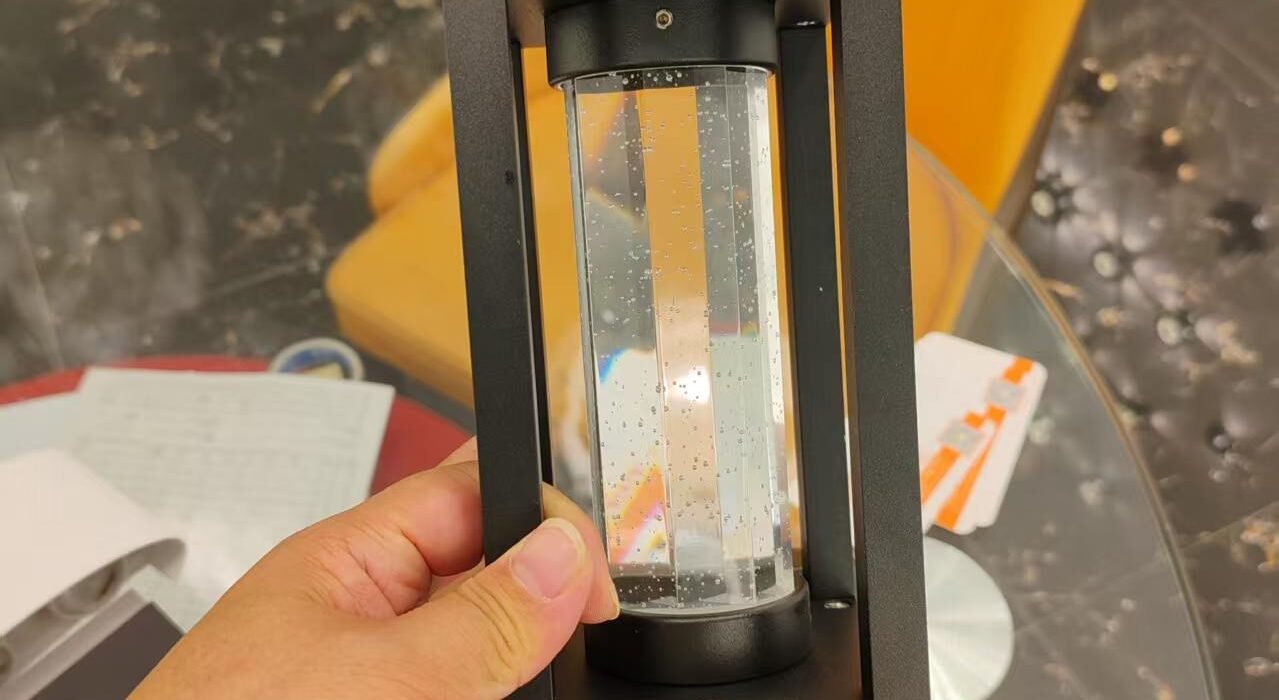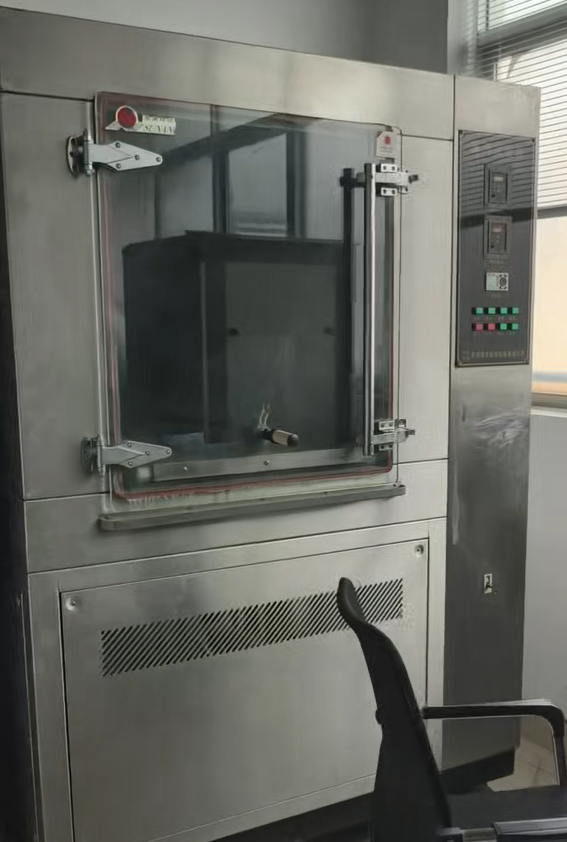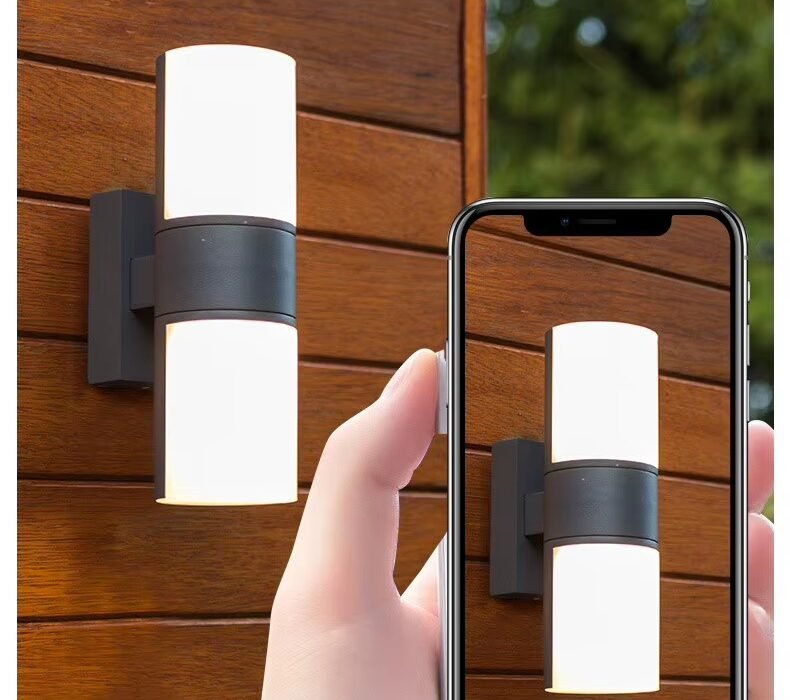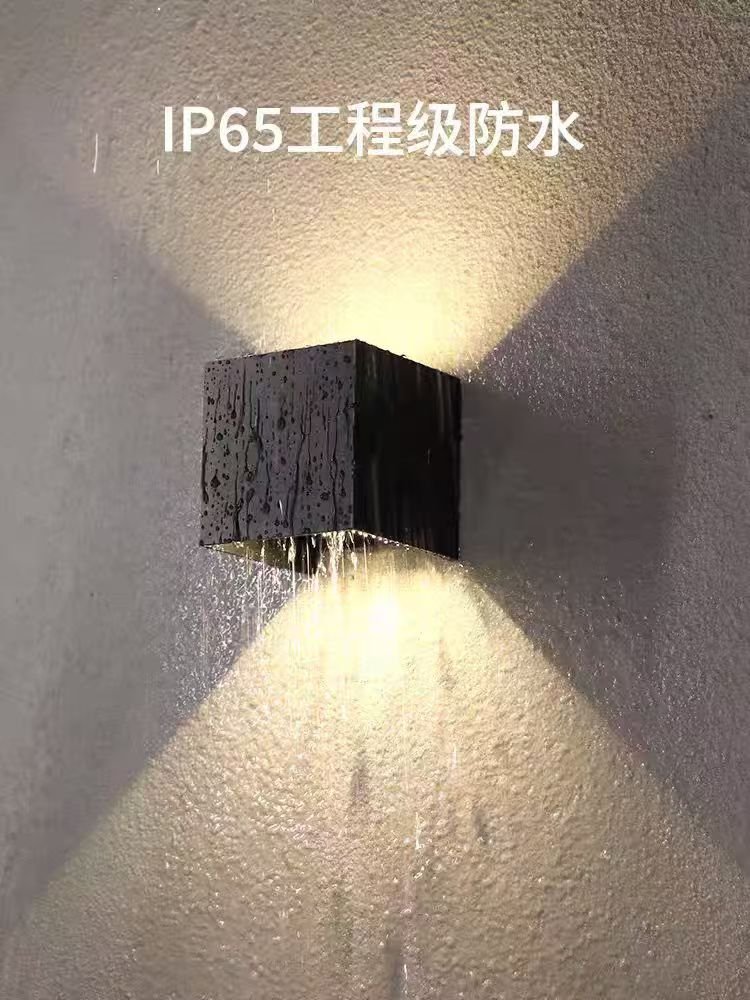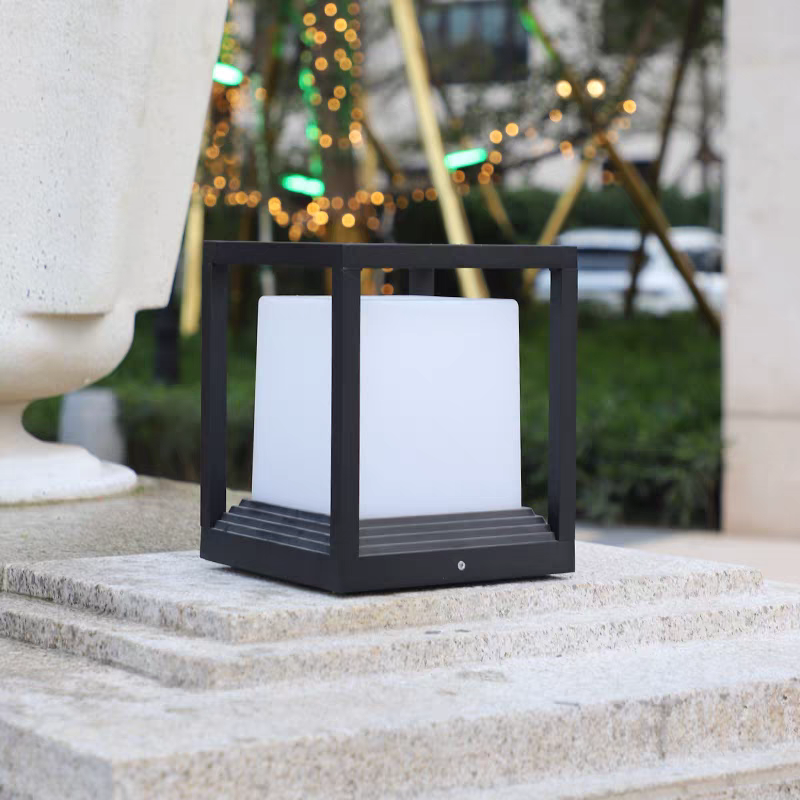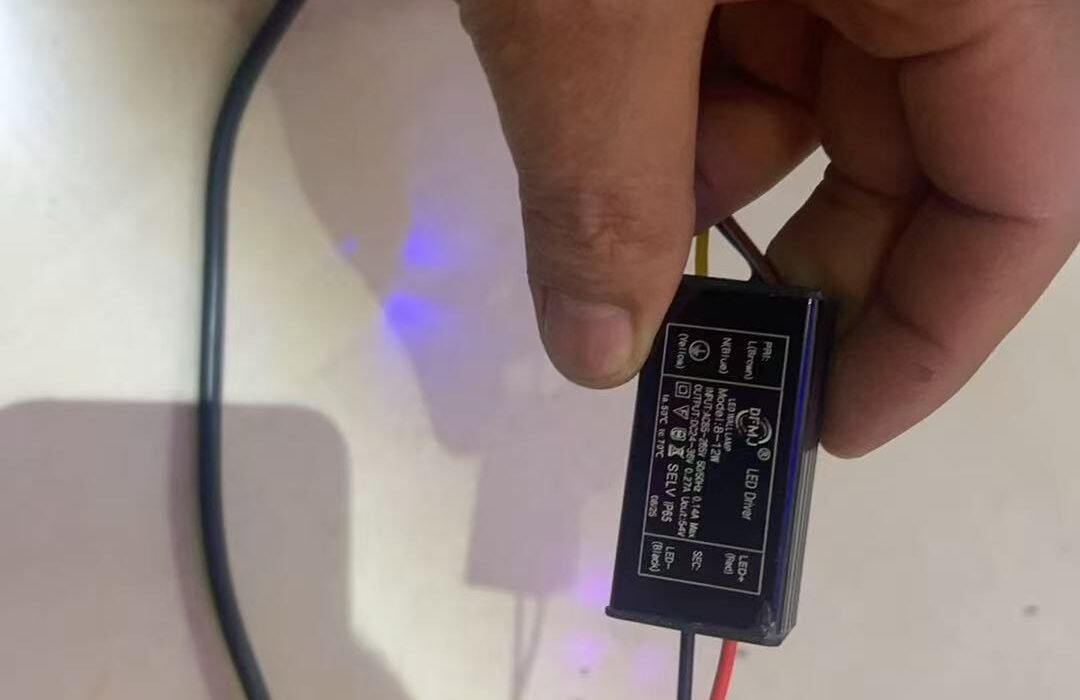

When buying outdoor lighting, IP65 vs IP66 vs IP67 is one of the most important specifications to understand.
For homeowners, the IP rating helps indicate how well a fixture is protected against dust and water. For wholesalers, distributors, contractors, and project buyers, choosing the wrong rating can create installation problems, warranty claims, and unnecessary replacement costs.
But there is an important point that is often misunderstood:
A higher IP number does not automatically mean the fixture is better for every outdoor application. The right IP rating depends on where and how the light will be installed.
In this guide, DFMJ Lighting explains the difference between IP65, IP66, and IP67 and how to choose the appropriate protection level for different outdoor lighting applications.
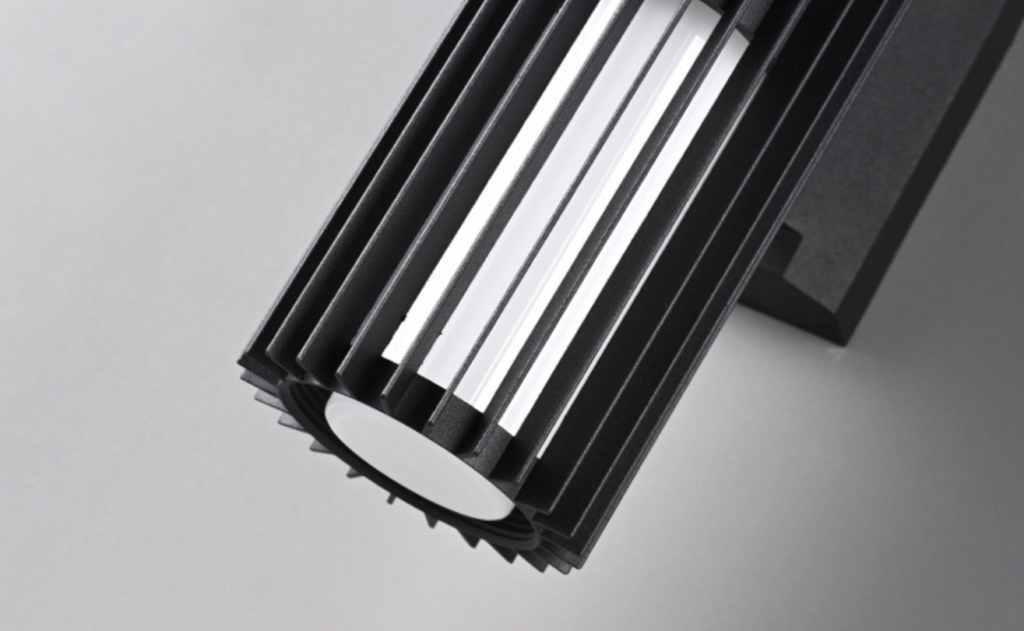
What Does IP Rating Mean for Outdoor Lighting?
IP stands for Ingress Protection. The IP Code is defined by IEC 60529 and classifies the level of protection provided by an enclosure against solids and water.
The two numbers have different meanings:
- The first digit indicates protection against solid objects and dust.
- The second digit indicates protection against water.
For example, the “6” in IP65 means the enclosure is dust-tight, while the “5” describes its water protection level.
This is why comparing IP65 vs IP66 vs IP67 should not simply be treated as choosing the biggest number.
The application matters.
IP65 vs IP66 vs IP67: What Is the Difference?
Here is the practical difference buyers should understand:
| Rating | Practical Water Protection | Typical Outdoor Application |
|---|---|---|
| IP65 | Protection against water jets | Outdoor wall lights, garden lighting |
| IP66 | Protection against more powerful water jets | Exposed outdoor and demanding applications |
| IP67 | Protection against temporary immersion | Inground and locations where temporary immersion may occur |
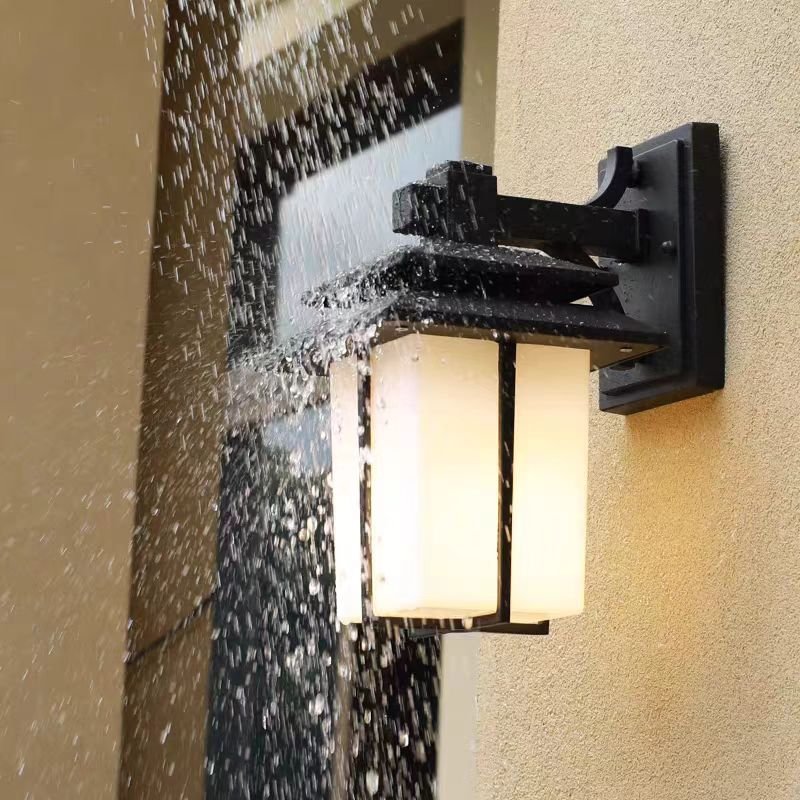
P65 is commonly suitable for many exposed outdoor lighting applications where fixtures experience rain and water jets.
IP66 provides a higher level of protection against powerful water jets.
IP67 is designed for temporary immersion under specified test conditions.
However, IP67 should not automatically be interpreted as IP66. Different water protection tests apply to different IP codes, so buyers should check the complete product specification rather than assuming that a higher second digit covers every lower test.
The official IEC 60529 IP Code standard is the appropriate reference when you need to verify the technical definition.
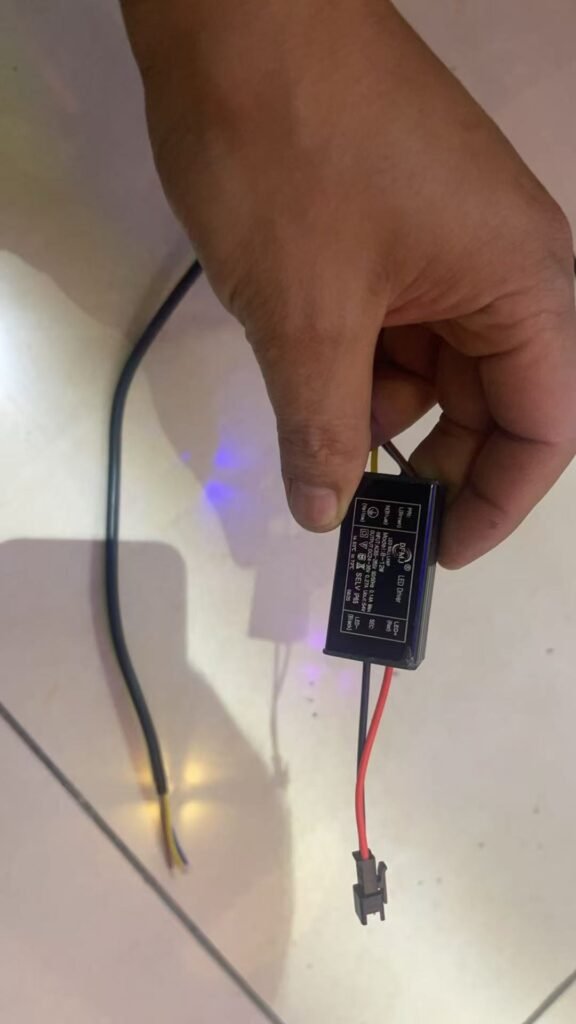
IP65 vs IP66 vs IP67 for Outdoor Wall Lights
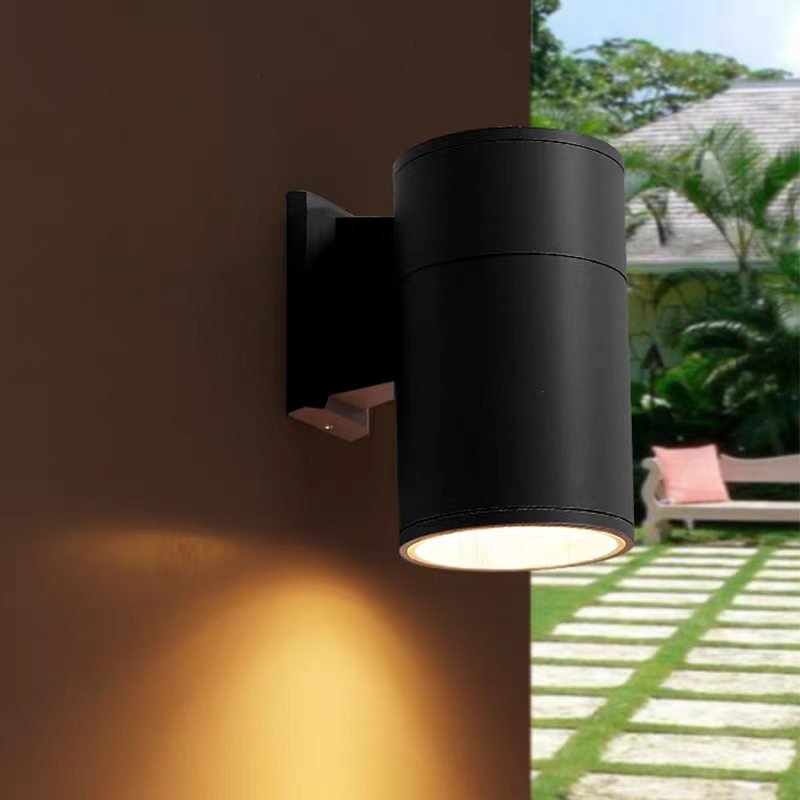
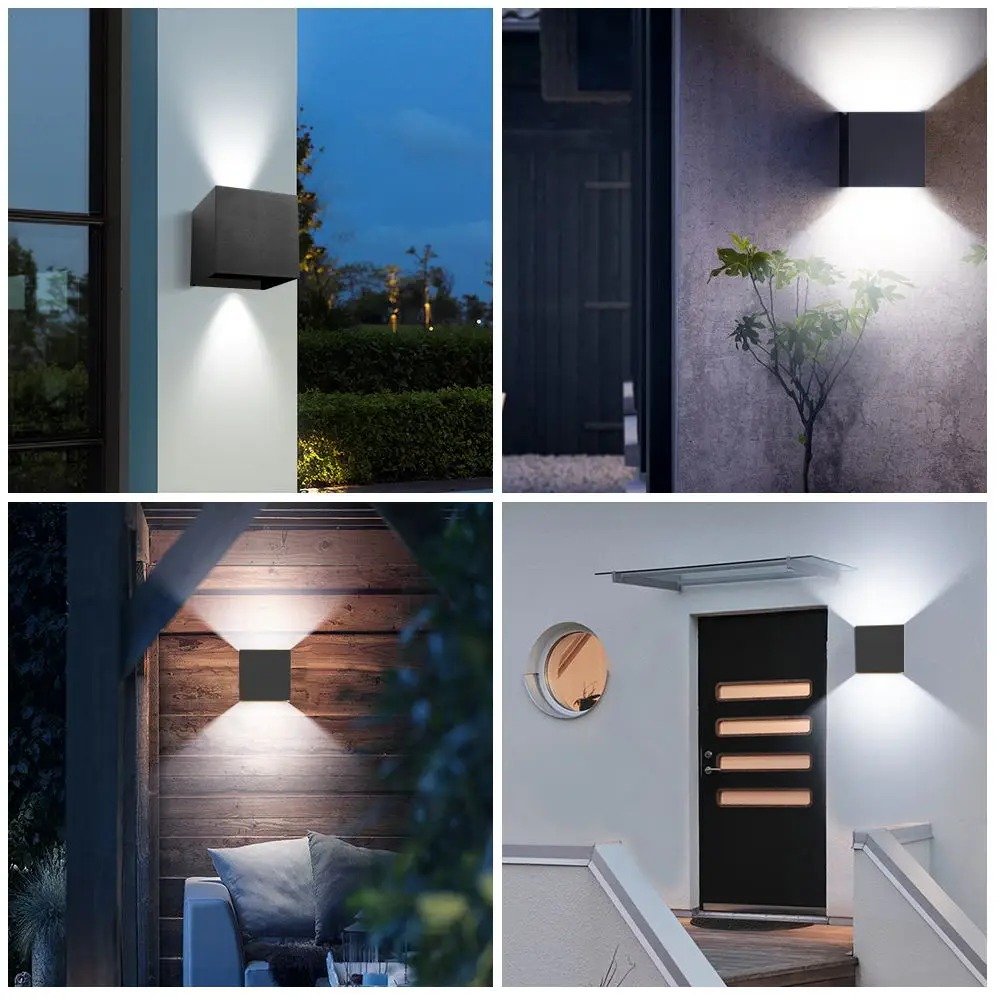
For most outdoor wall lighting applications, IP65 can be a practical choice.
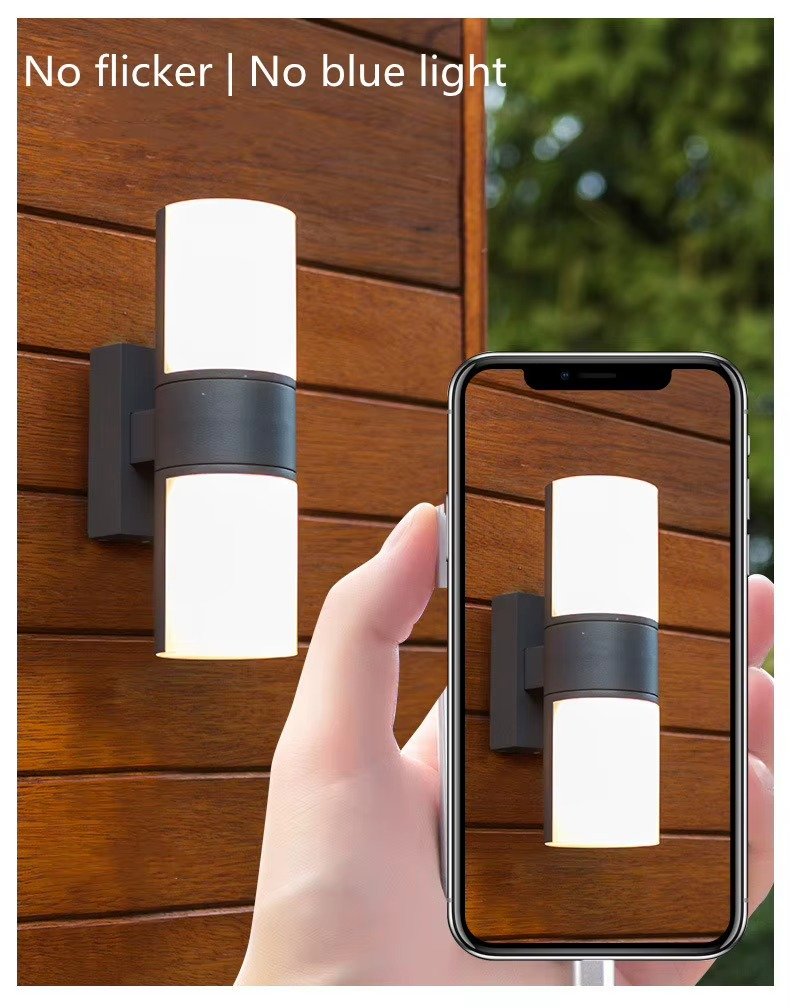
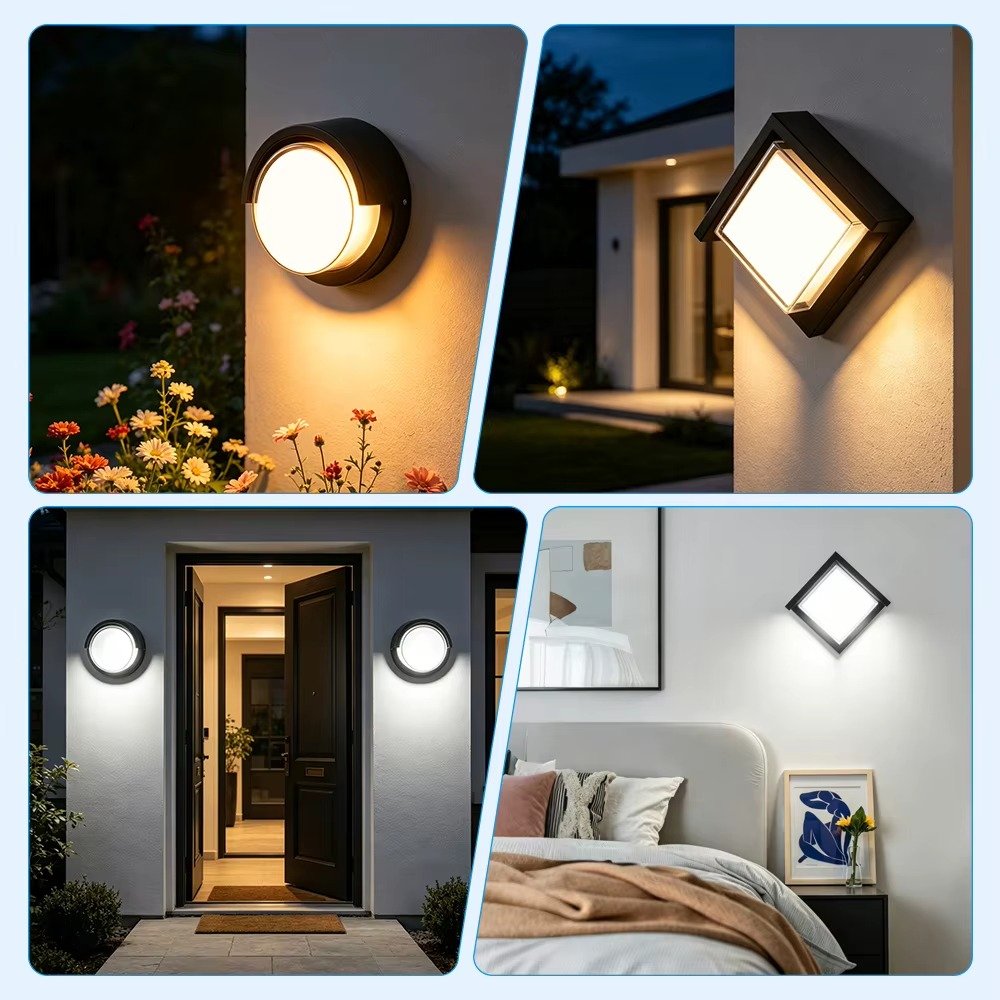
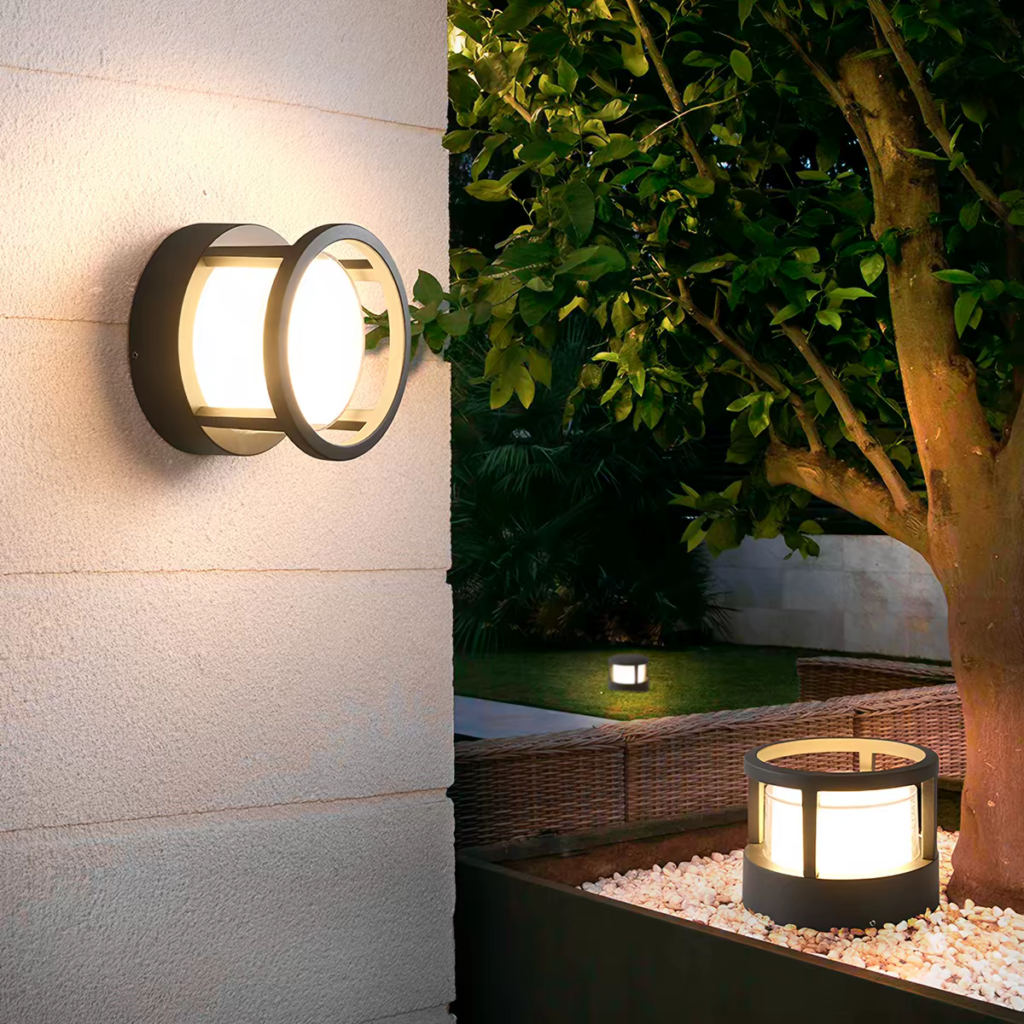
Outdoor wall lights are normally mounted vertically on building façades, entrances, balconies, villas, hotels, and commercial buildings. They may be exposed to rain, humidity, dust, and occasional water cleaning.
For these applications, buyers should look beyond the IP number.
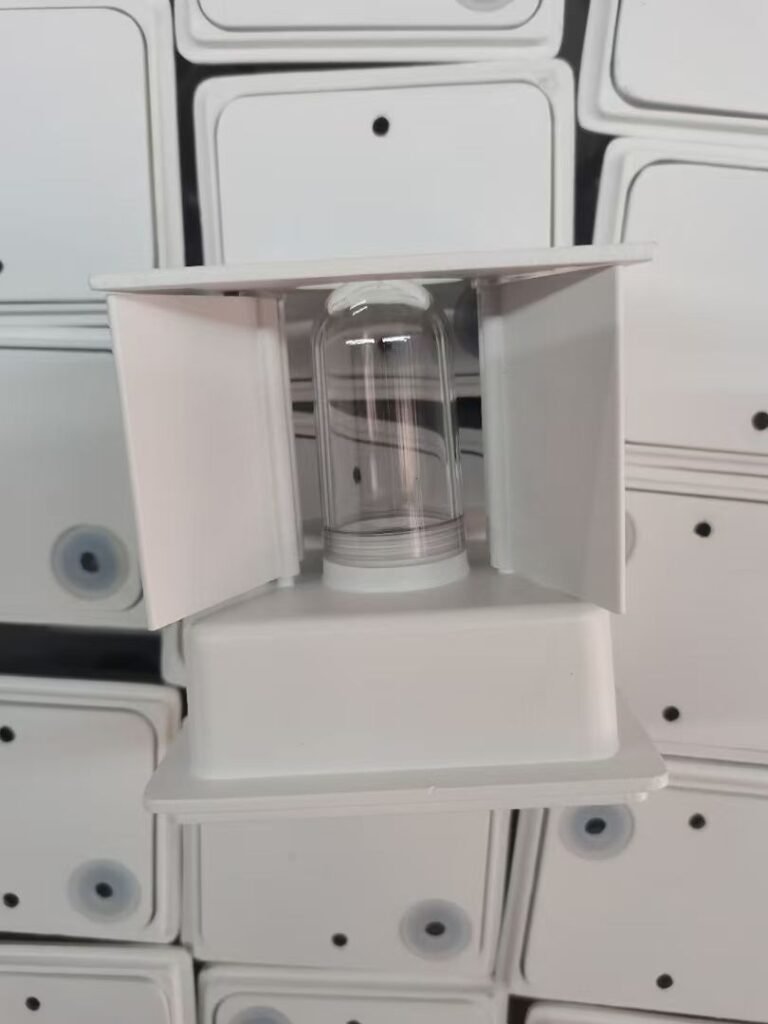
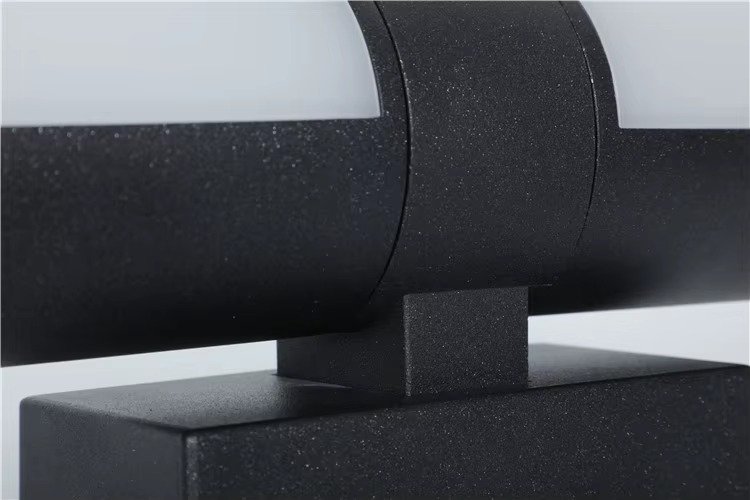
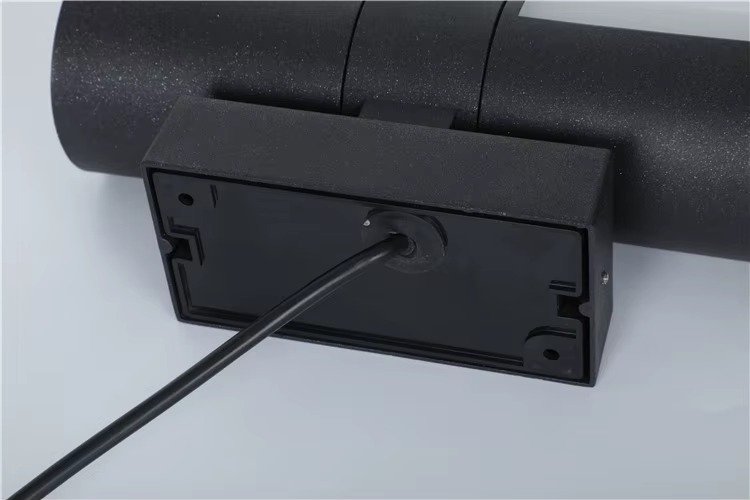
The construction of the fixture also matters, including:
- Housing design
- Gasket quality
- Cable entry
- Glass or PC diffuser
- Screw and joint design
- Assembly quality
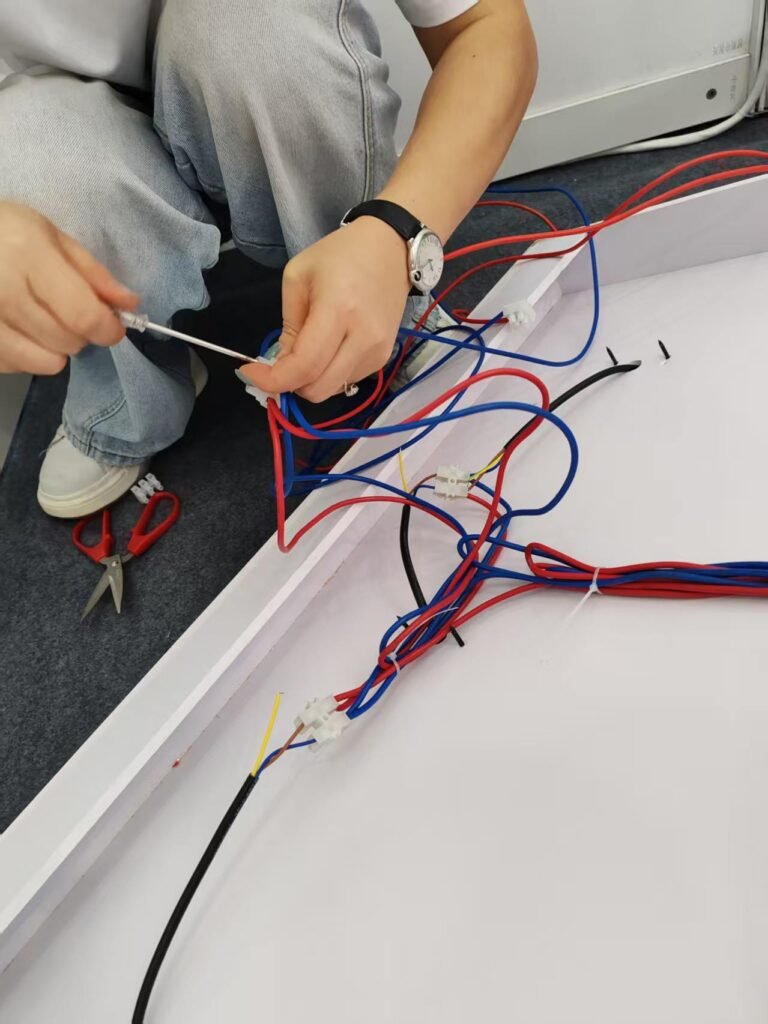
A fixture can have an appropriate IP rating on paper, but poor assembly or installation can still create problems.
For B2B buyers sourcing architectural exterior lighting, see the DFMJ Outdoor Wall Lights collection for examples of outdoor wall lighting applications.
IP65 vs IP66 vs IP67 for Garden and Landscape Lighting
Garden lighting has different environmental requirements depending on installation location.
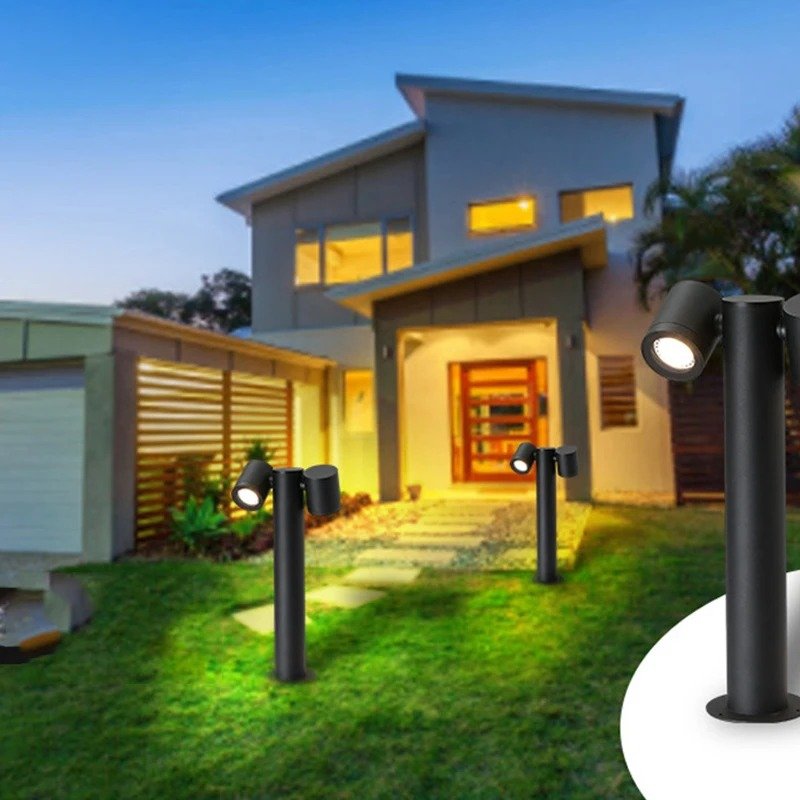
A garden light installed above ground may mainly experience rain and humidity. In this situation, IP65 can often provide appropriate protection when the product is correctly designed and installed.
However, landscape projects can contain irrigation systems, drainage areas, low-lying locations, and temporary water accumulation.
This is where project conditions become more important than simply selecting the highest number.
Before ordering garden lighting, ask:
- Will the fixture be exposed to direct rain or irrigation?
- Could water accumulate around the fixture?
- Is the fixture installed above ground or partially below ground?
- What type of cable and connector will be used?
- Has the complete fixture been tested for the claimed IP rating?
These questions help prevent a common purchasing mistake: choosing a product based only on its specification sheet.
IP65 vs IP66 vs IP67 for Outdoor Inground Lights
Inground lighting deserves special attention because the fixture is installed close to or below ground level.
Water can accumulate around the housing after heavy rain. Drainage conditions may also vary significantly between different projects.
For this reason, IP67 can be more appropriate for some inground lighting applications, depending on the installation environment and product design.
However, IP67 alone does not solve every water-ingress problem.
The surrounding installation is equally important.
Poor drainage, incorrect cable connections, damaged seals, or standing water beyond the product’s intended conditions can still cause failures.
For projects involving inground fixtures, you can explore the DFMJ Outdoor Inground Lights collection.
DFMJ Expert Insight: IP Rating Is Only One Part of Waterproof Performance
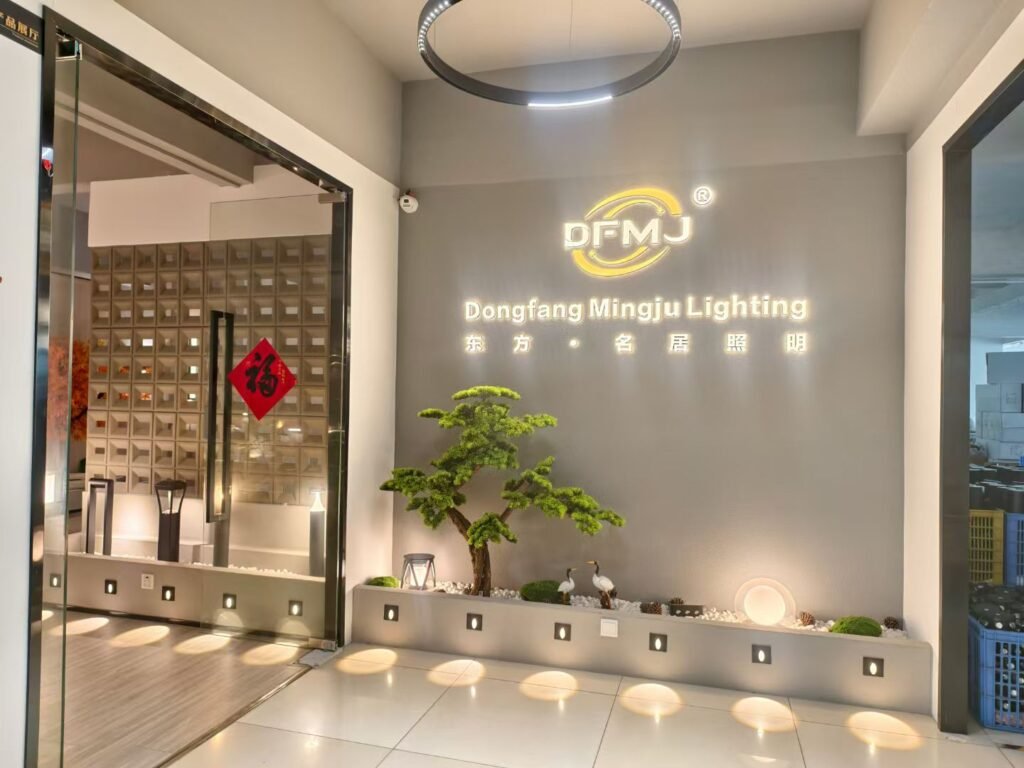
At DFMJ Lighting, we do not recommend choosing outdoor lighting based on the IP number alone.
Our view is simple:
IP rating tells you the tested protection level of an enclosure. It does not replace good product engineering.
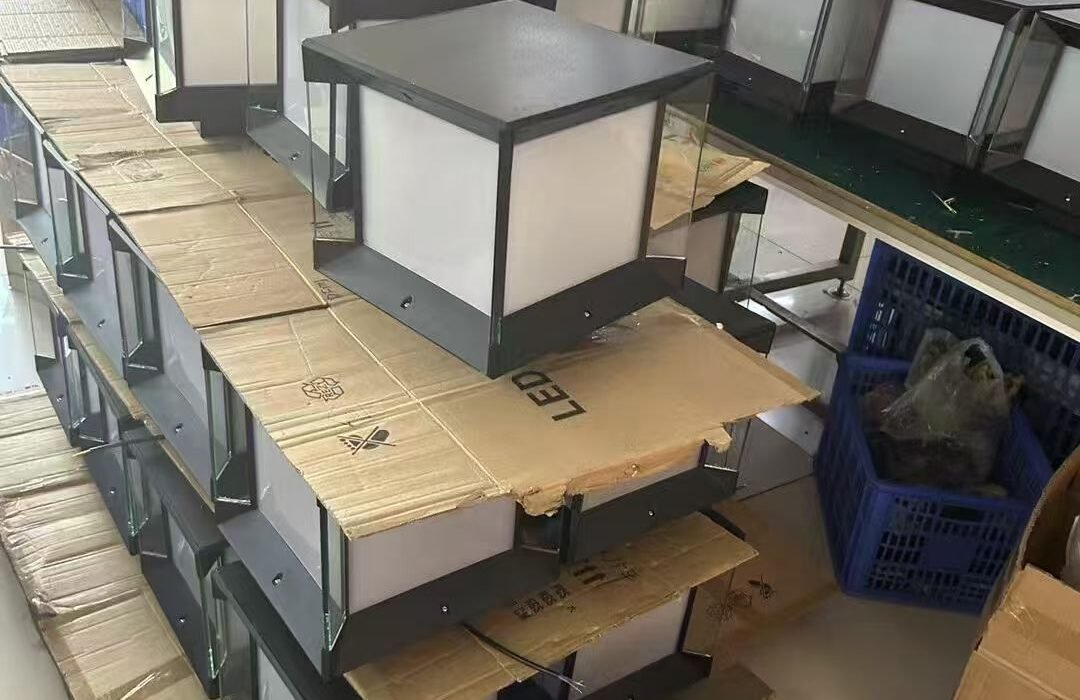
When we evaluate an outdoor fixture, we pay attention to the entire waterproofing system.
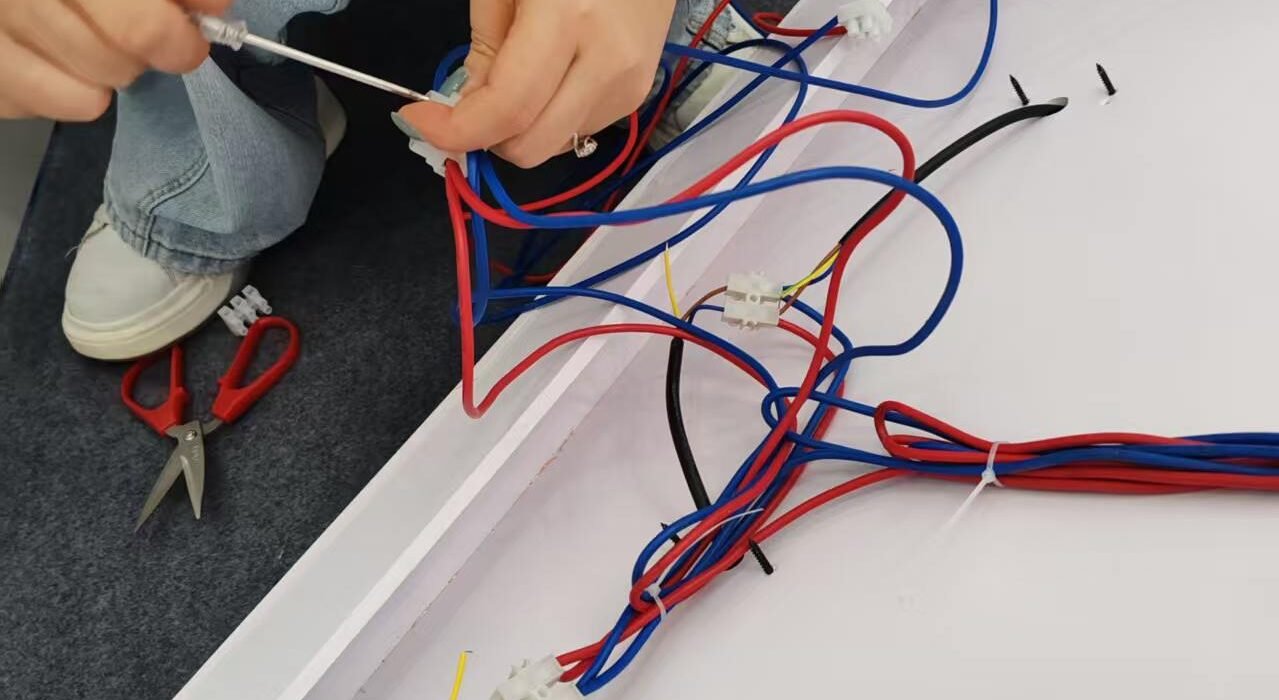
That includes the housing, gasket, joints, cable entry, internal components, assembly process, and the actual environment where the product will be installed.
This is particularly important for B2B projects.
If a distributor purchases 20 fixtures and one fails, the impact may be limited.
If a contractor installs 500 fixtures across a hotel or commercial development, repeated failures can become a significant maintenance and warranty problem.
Real Project Tip: Test the Fixture in the Actual Application
Before placing a large outdoor lighting order, do not only ask the supplier:
“Is it IP65 or IP67?”
Ask for the complete testing information and explain your installation environment.
For example, tell your supplier whether the project involves:
- Heavy rainfall
- Coastal exposure
- Irrigation
- High humidity
- Hot climates
- Inground installation
- Frequent cleaning
- Temporary water accumulation
Then test samples before bulk production.
At DFMJ Lighting, we recommend evaluating samples for both lighting performance and environmental suitability before a large project order.
The objective is not to buy the highest IP rating.
The objective is to buy the right protection level for the actual application.
Choose the Right Outdoor Lighting Protection Level
So, when comparing IP65 vs IP66 vs IP67, which one should you choose?
For many general outdoor applications, IP65 is a practical starting point.
For locations exposed to stronger water jets, IP66 may provide additional protection.
For applications where temporary immersion is a realistic risk, IP67 may be more appropriate, provided the rest of the installation is designed accordingly.
The best choice depends on the environment, fixture position, drainage, electrical connections, and project requirements.
For professional buyers, the IP number should be the beginning of the evaluation, not the end.
FAQ: IP65 vs IP66 vs IP67
Is IP67 better than IP65 for outdoor lighting?
IP67 provides protection against temporary immersion under specified test conditions, while IP65 is designed for protection against water jets. Neither rating is automatically better for every application.
Is IP65 enough for outdoor wall lights?
For many outdoor wall light applications, IP65 can be suitable because wall-mounted fixtures are generally exposed to rain rather than continuous immersion.
Should inground lights use IP67?
IP67 can be appropriate for some inground applications where temporary water accumulation or immersion may occur. The installation environment and drainage should also be considered.
Does IP67 mean the product is completely waterproof?
No. An IP rating describes protection under specified testing conditions. It should not be treated as a guarantee against every possible water-ingress situation.
What should B2B buyers check besides IP rating?
Buyers should also evaluate housing materials, gasket and sealing design, cable entry, electrical components, testing procedures, installation requirements, operating temperature, and the supplier’s quality-control process.
About DFMJ Lighting
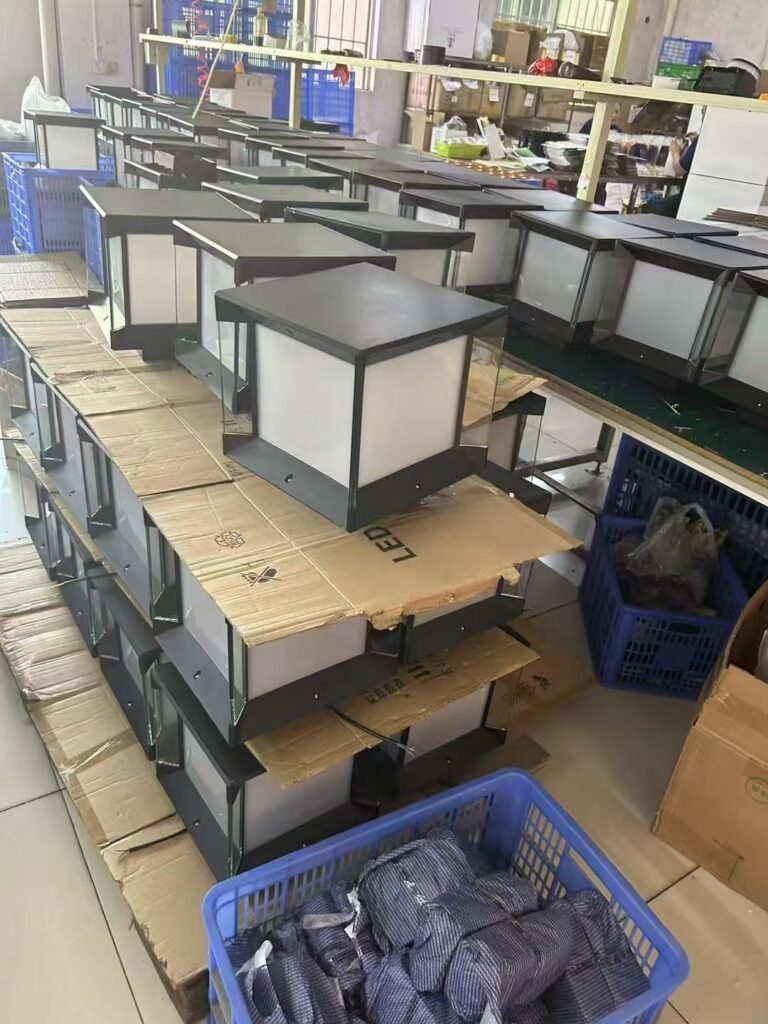
DFMJ Lighting is a China-based outdoor lighting manufacturer serving wholesalers, distributors, contractors, and project buyers.
Our product range includes outdoor wall lights, garden lights, step lights, bollard lights, inground lights, façade lighting, and other outdoor lighting solutions.
With more than 16 years of manufacturing experience, DFMJ Lighting focuses on practical product engineering, material selection, waterproof protection, and quality control.
Our goal is not simply to provide a fixture with a specification on paper.
We help B2B customers select outdoor lighting according to the application, environment, project requirements, and expected long-term performance.
Need Help Choosing the Right Outdoor Lighting?
If you are unsure whether your project needs IP65, IP66, or IP67, send us your application details.
Tell us where the lights will be installed, the local climate, expected water exposure, and project quantity.
The DFMJ Lighting team can help you identify suitable outdoor lighting solutions for your market or project.
Contact DFMJ Lighting for product recommendations, samples, OEM/ODM solutions, and wholesale quotations.