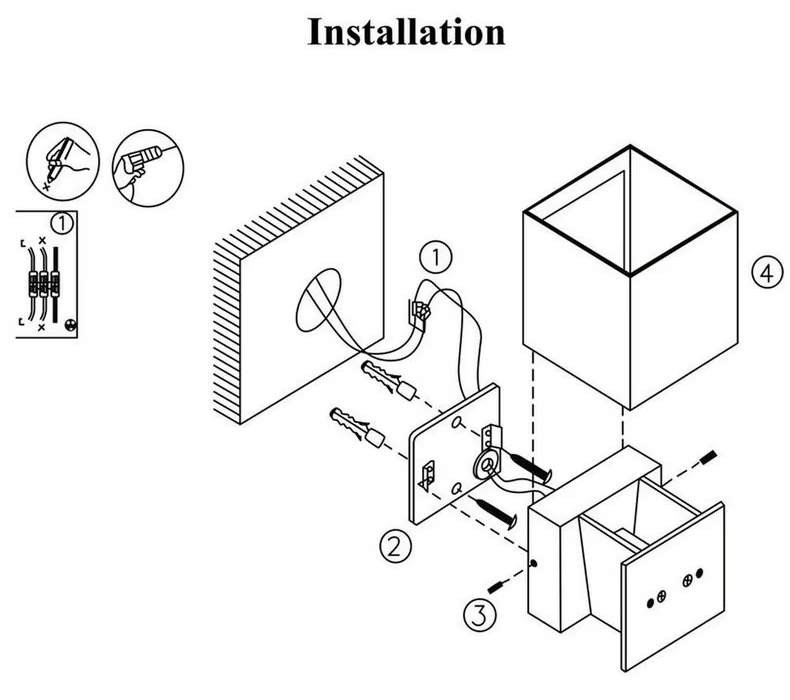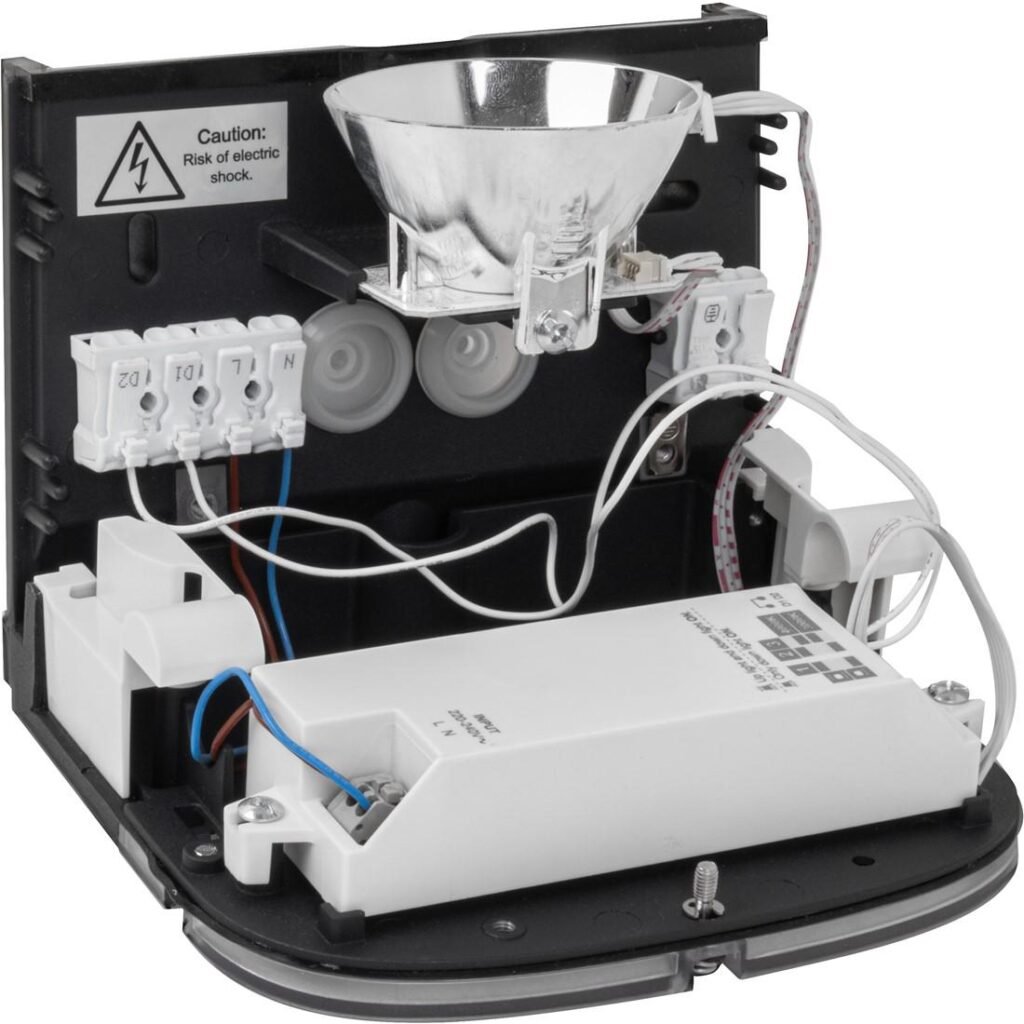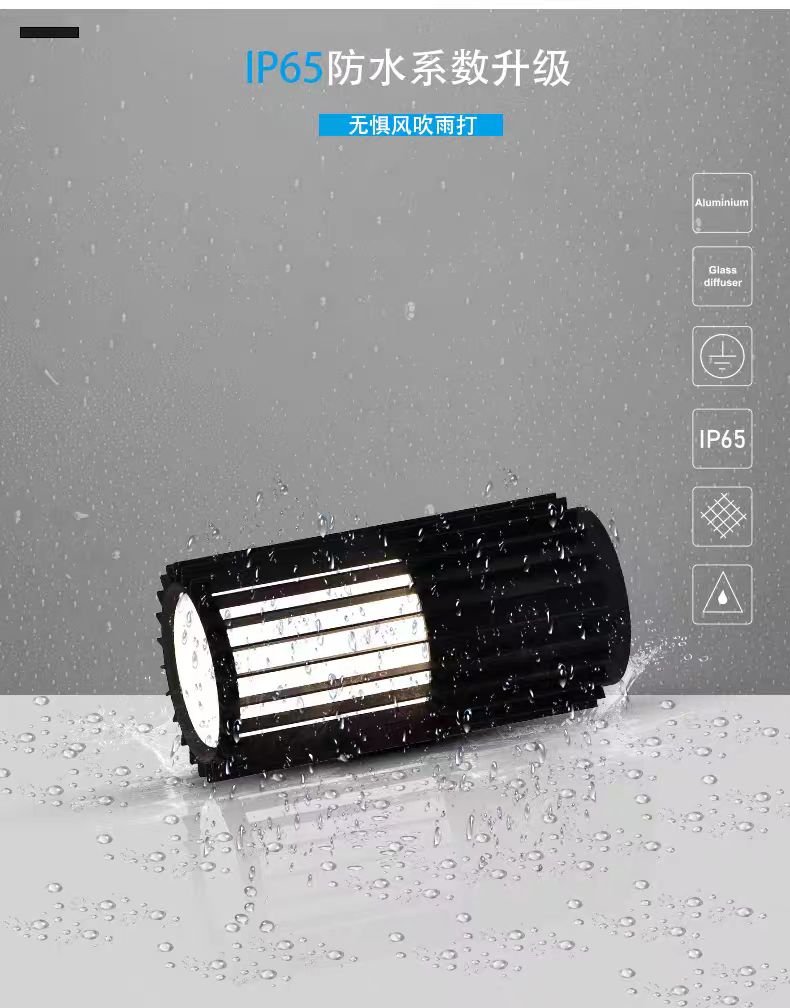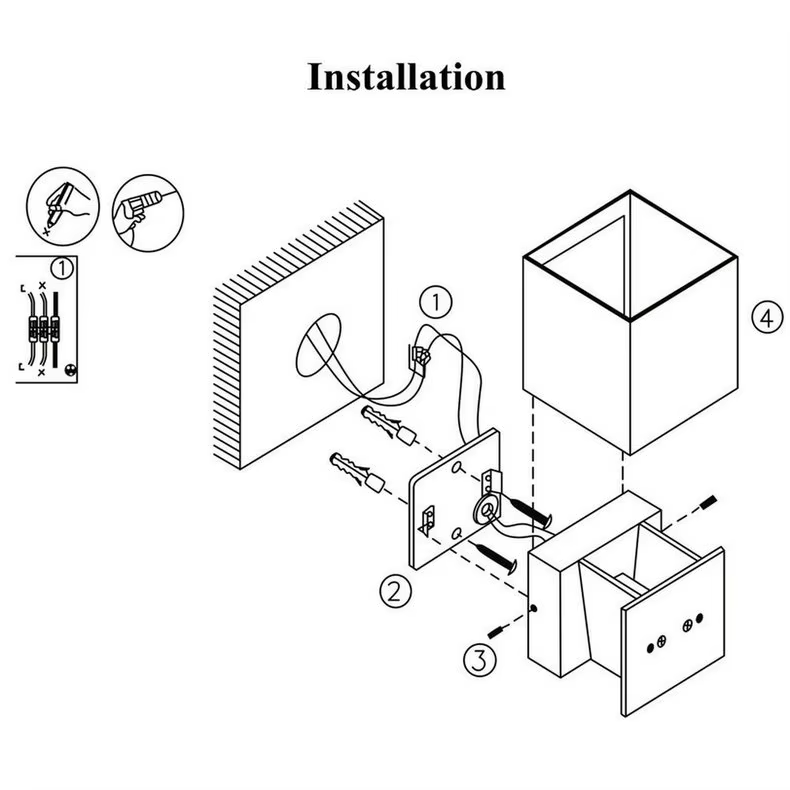

What to prepare before requesting custom outdoor lighting is an important question for importers, wholesalers, distributors, and project buyers planning a customized lighting product. Before contacting a supplier, organize your product application, reference photos or drawings, key dimensions, technical specifications, target quantity, budget, and expected delivery date.
Knowing what to prepare before requesting custom outdoor lighting helps suppliers assess feasibility, identify missing information, and provide a more accurate quotation. You do not need a complete engineering drawing to start a discussion, but you should clearly explain which requirements are fixed and which can be adjusted.
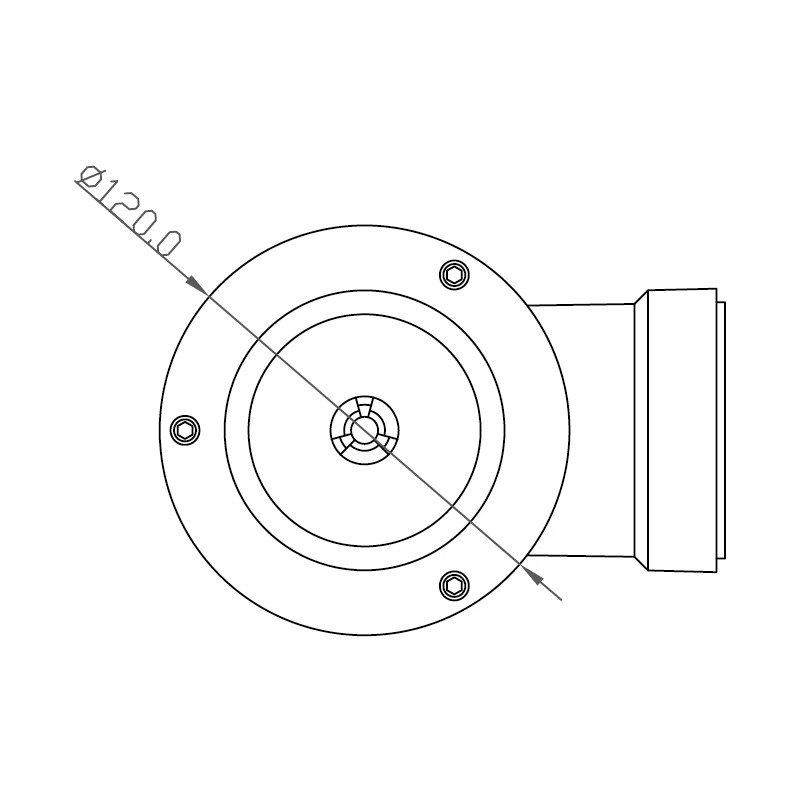
What to Prepare Before Requesting Custom Outdoor Lighting: A Quick Checklist
Before requesting a quotation, prepare these eight key items:
- Product application and installation environment
- Reference photos, sketches, drawings, and dimensions
- Electrical and lighting specifications
- Housing materials, surface finish, and environmental requirements
- Destination market and required documentation
- Target quantity, budget, and MOQ expectations
- Sample requirements and approval criteria
- Packaging, production schedule, and delivery deadline
If some specifications are not confirmed, mark them as open questions and discuss suitable options with the supplier before finalizing the design.
1. Define the Application and Purpose of the Custom Outdoor Light
The first step is to explain where and how the light will be used.
A product designed for a villa entrance may have different requirements from one intended for a hotel garden, commercial building facade, pathway, or public landscape project.
Before requesting custom outdoor lighting, clarify the following:
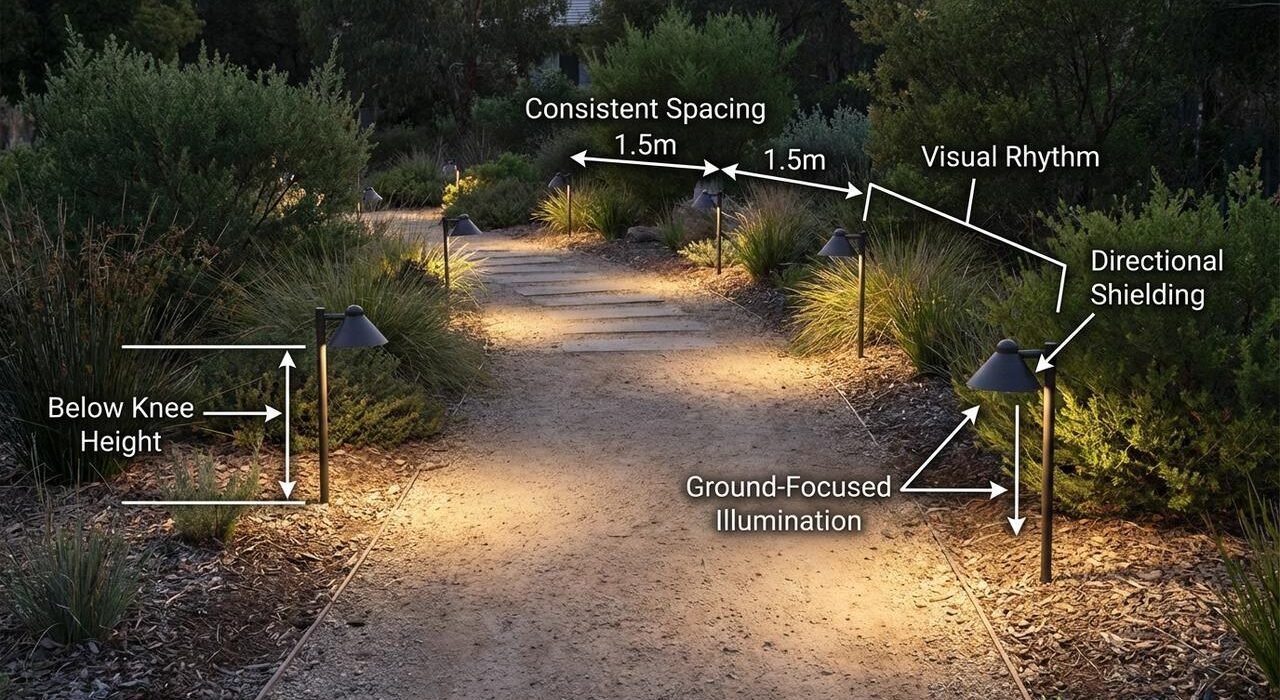
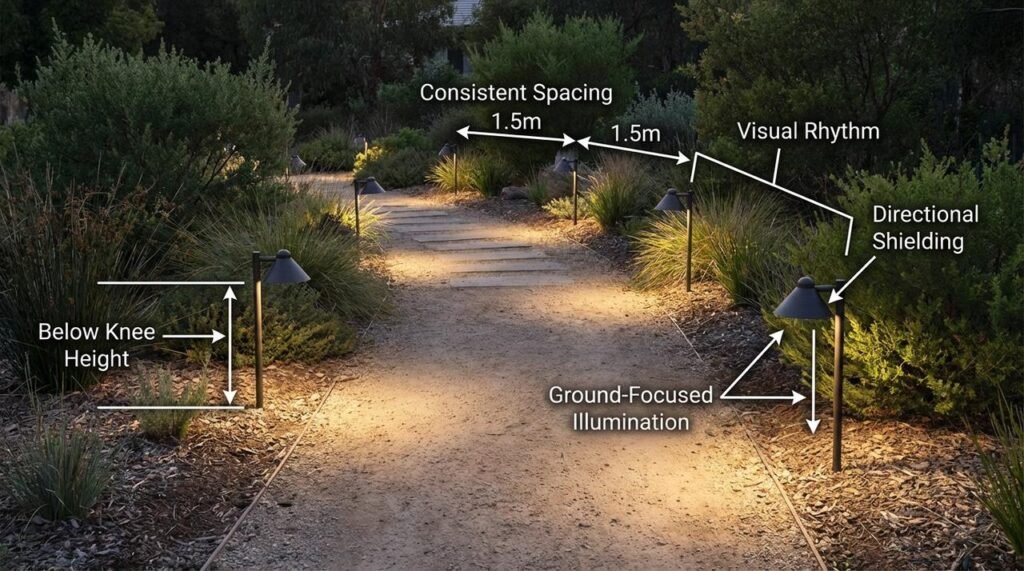
- Application: Outdoor wall lighting, garden lighting, step lighting, facade lighting, bollard lighting, or inground lighting.
- Installation location: Wall, ground, steps, landscape beds, or another mounting position.
- Environment: Covered entrance, exposed outdoor area, coastal location, or another relevant condition.
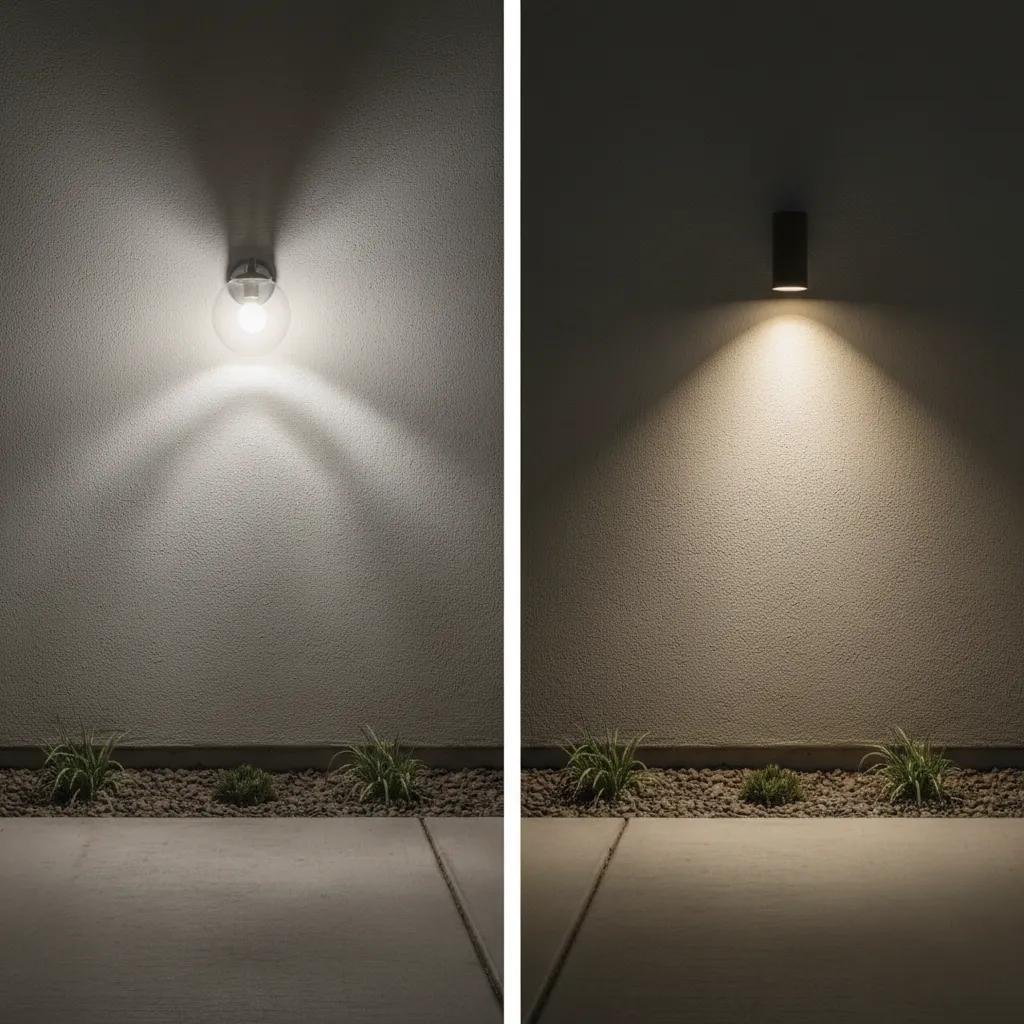
- Main objective: Decorative appearance, pathway illumination, facade highlighting, glare control, or another lighting purpose.
- Target customer: Retail customers, wholesalers, distributors, contractors, or project developers.
For example, if you need an outdoor wall light for a hotel entrance, tell the supplier whether the priority is architectural appearance, general illumination, glare control, or consistency across multiple entrances.
This information helps the supplier understand the intended application before discussing the design and components.
2. Prepare Drawings, Reference Photos, and Dimensions
A product drawing is useful, but it is not the only way to communicate a custom lighting idea.
If you already have a design, prepare a technical drawing with dimensions and mounting details. If you are starting from an idea, reference photos, sketches, and measurements can help explain what you want.
Useful materials include:
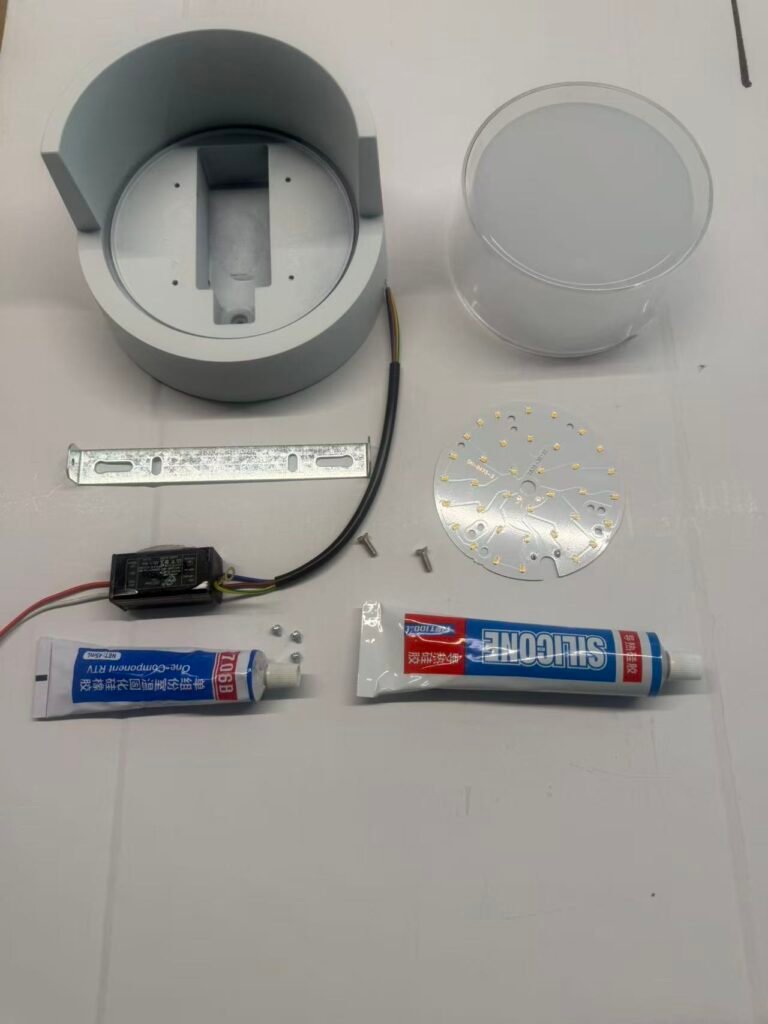
- Product reference photos or inspiration images
- A hand-drawn sketch with key dimensions
- A CAD drawing or 3D model, if available
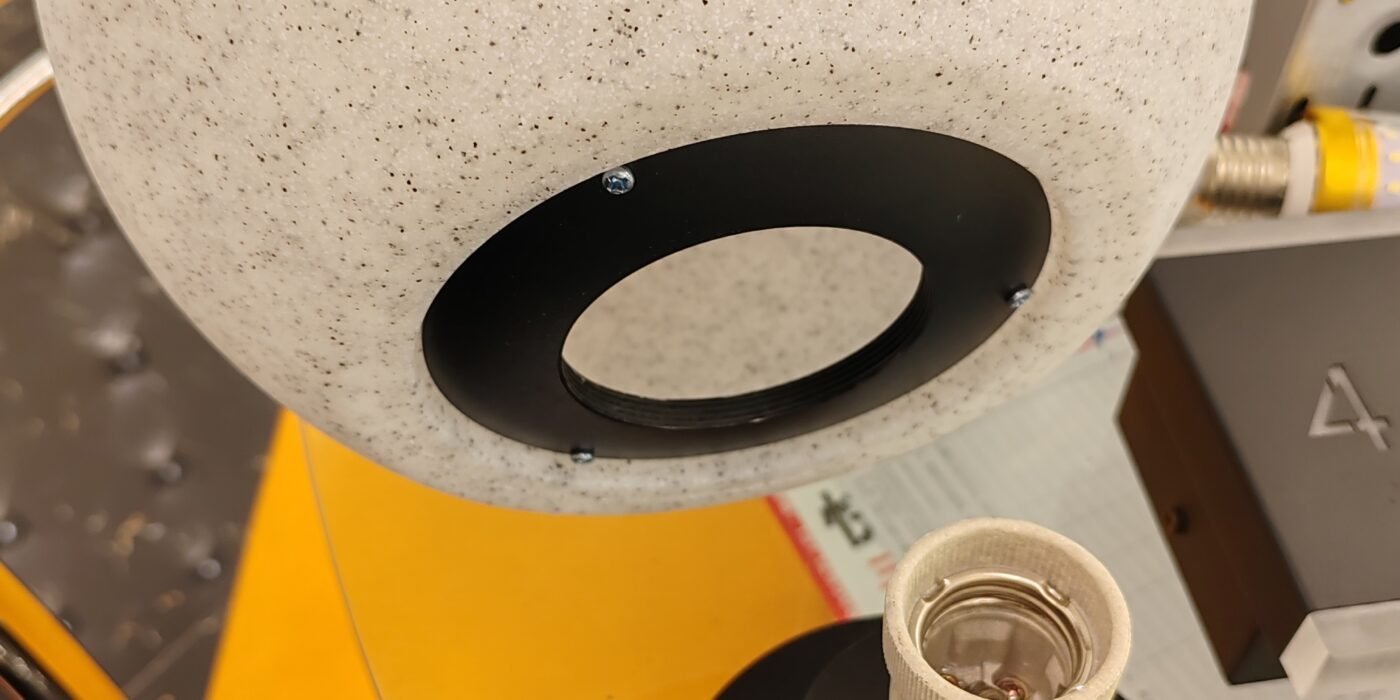
- Mounting-hole positions and installation dimensions
- Cable entry and connector requirements
- Any restrictions on the product’s overall size
Clearly distinguish between fixed dimensions and dimensions that can be adjusted.
For instance, the overall appearance of a wall light may be flexible, while the mounting-hole distance must match an existing installation. If the supplier changes that dimension without approval, the product may not fit the site.
Buyer tip: If you are adapting an existing product, identify the exact parts that must change and the parts that must remain unchanged. This is often more useful than simply asking for a completely new design.
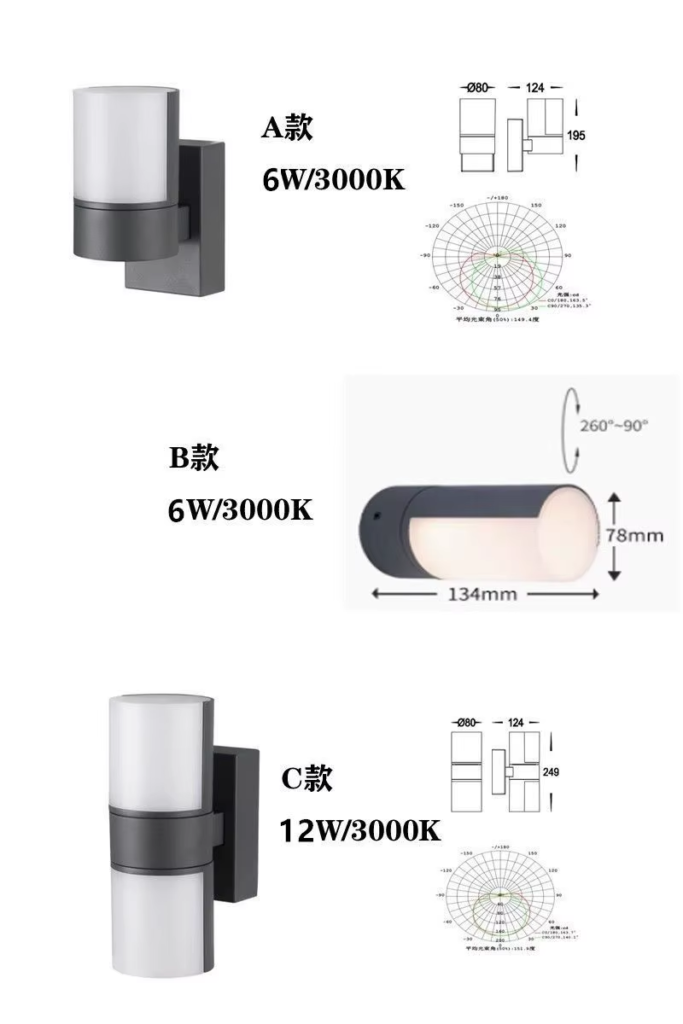
3. Confirm the Technical Specifications
Technical requirements should be discussed before the supplier finalizes the quotation.
Depending on the product and project, prepare the following information:
| Specification | Information to provide |
|---|---|
| Rated power | Required wattage or acceptable power range |
| Light output | Target lumen output or illumination requirement |
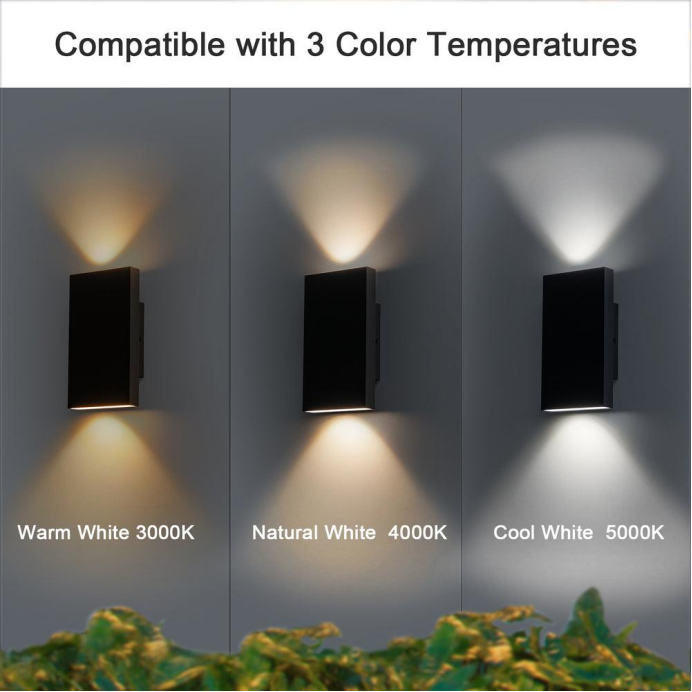
| Color temperature | For example, 3000K, 4000K, or 6500K |
| Input voltage | Required electrical supply and frequency |
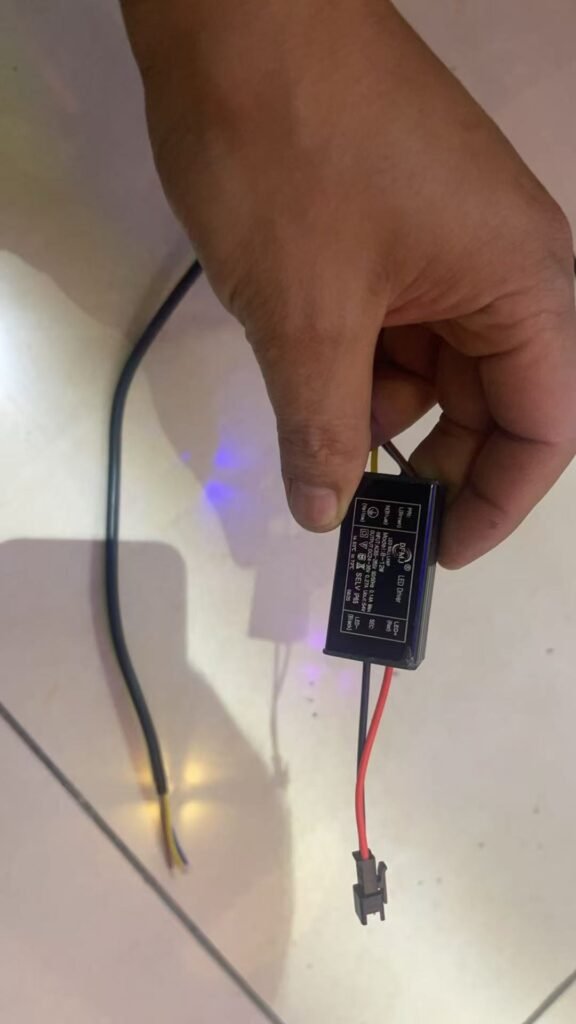
| LED driver | Required brand, model, or electrical parameters, if specified |
| Dimming | Non-dimmable, 0–10V, DALI, or another required control method |
| Beam angle | Required light distribution, if applicable |
| IP rating | Required protection level for the installation environment |
| Materials | Housing, diffuser, lens, and other relevant components |
| Finish | Color, texture, and surface treatment |
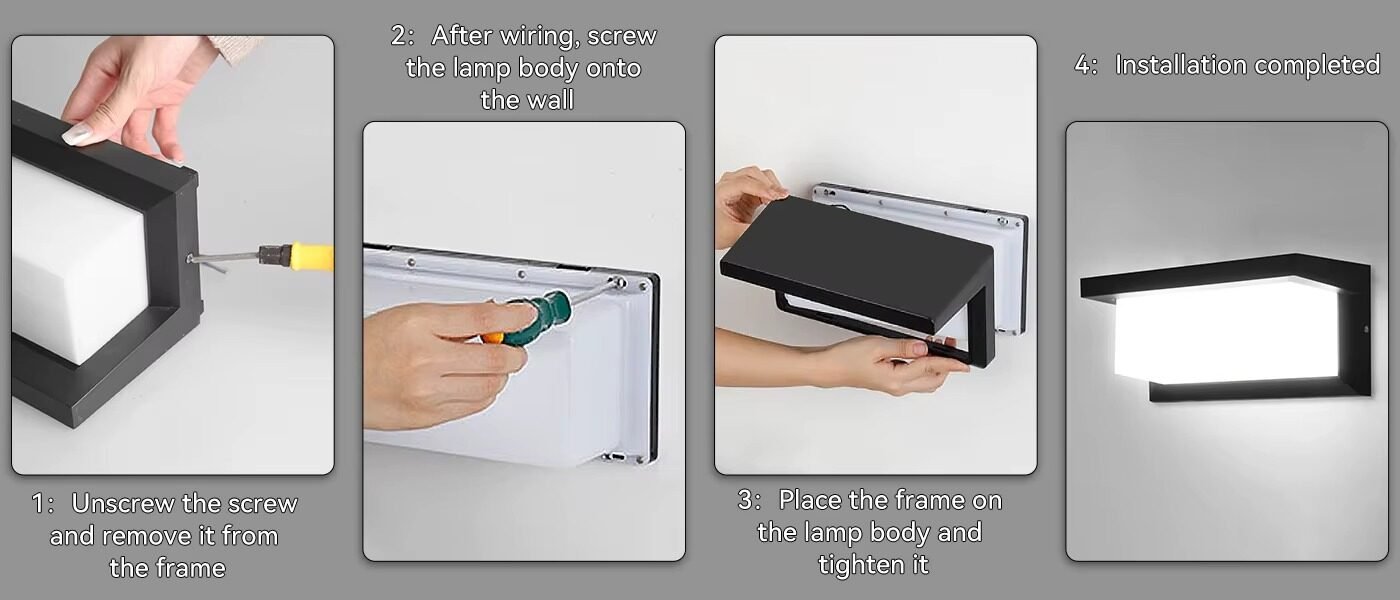
| Installation | Mounting method, accessories, and connection requirements |
Not every project needs every specification finalized at the beginning. If you are unsure about lumen output, beam angle, or driver configuration, explain the intended application and ask the supplier to propose suitable options.
However, do not leave critical requirements ambiguous if they are necessary for project approval, installation compatibility, or regulatory compliance.
For technical reference, the IEC 60598-1 standard for luminaires covers general safety requirements and tests for luminaires. It can help buyers identify the type of technical requirements that may need to be considered, although the applicable requirements depend on the product and destination market.
4. Specify Materials, Finish, and Environmental Requirements
The material selection affects product appearance, manufacturing cost, weight, and suitability for the intended environment.
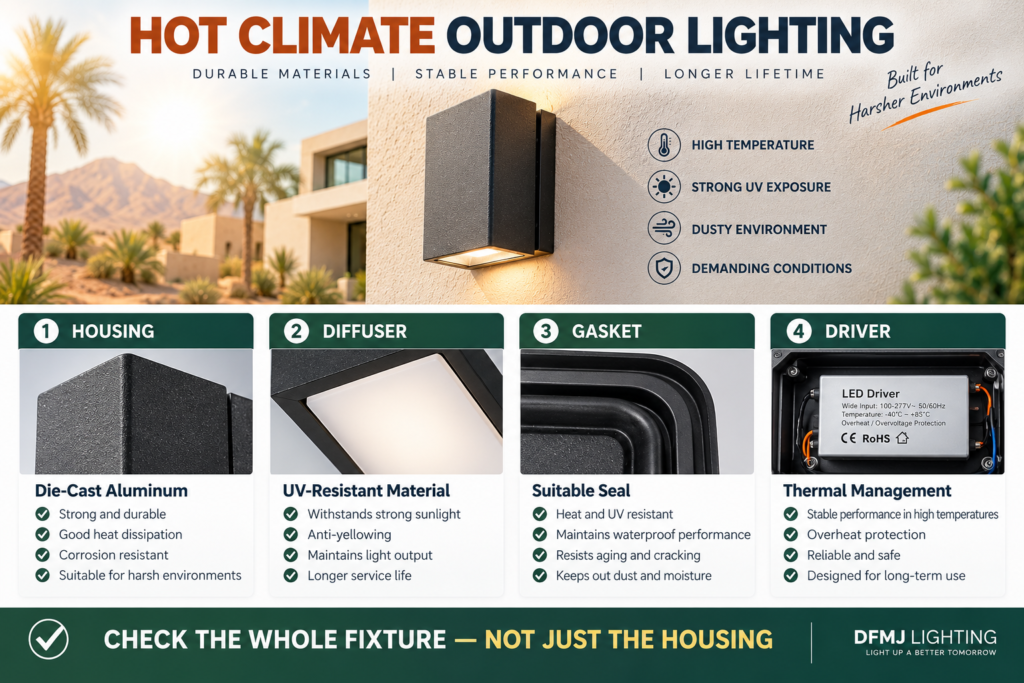
For custom outdoor lighting, clarify which materials are acceptable and whether the project has special requirements.
Housing material
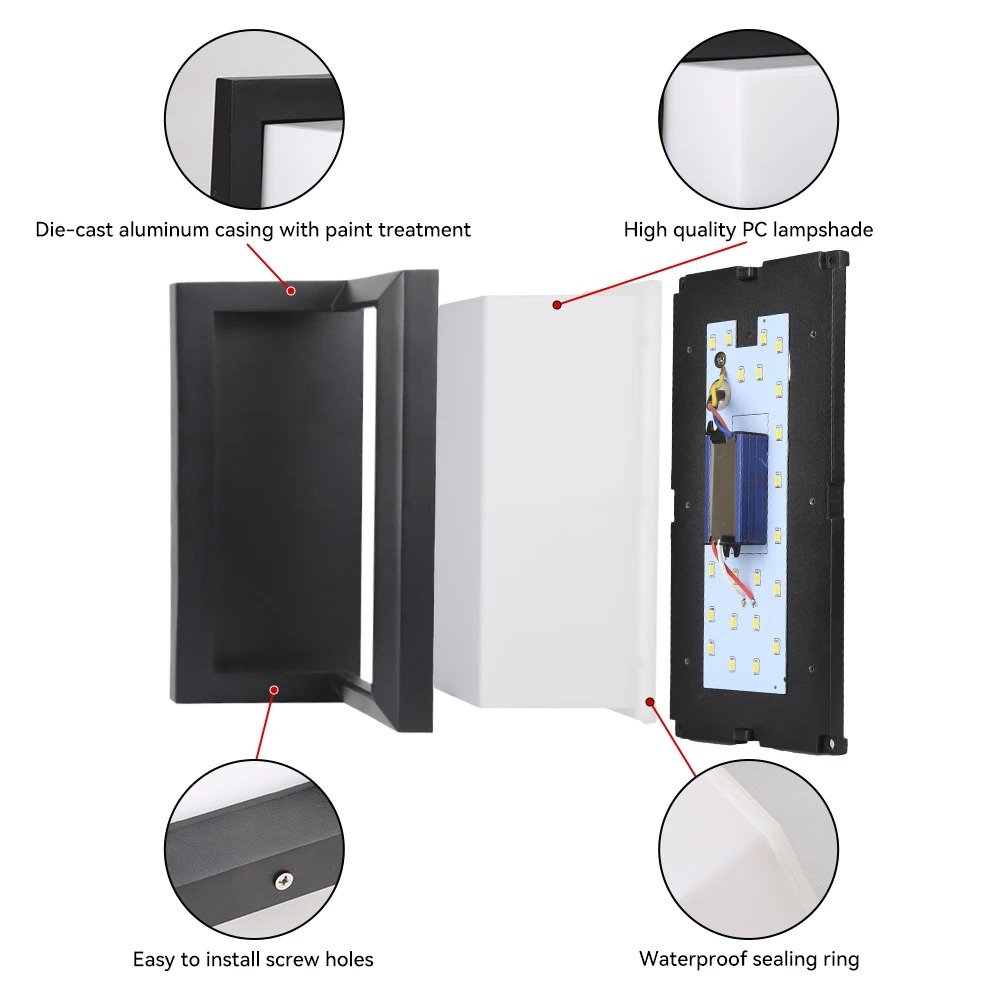
Common options may include die-cast aluminum, plastic, stainless steel, or combinations of different materials.
The right choice depends on the design, installation conditions, required performance, and target cost. For example, die-cast aluminum is often used where a rigid housing and heat transfer are important, while certain plastic materials may be suitable for particular optical or design requirements.
For a detailed comparison, read our guide: Die-Cast Aluminum vs Plastic Outdoor Lights: Which Is Better?.
Surface finish and color
If you require a specific finish, provide a reference image, color code, physical sample, or other clear specification where possible.
Also clarify whether the finish must match an existing product or an architectural design.
Environmental requirements
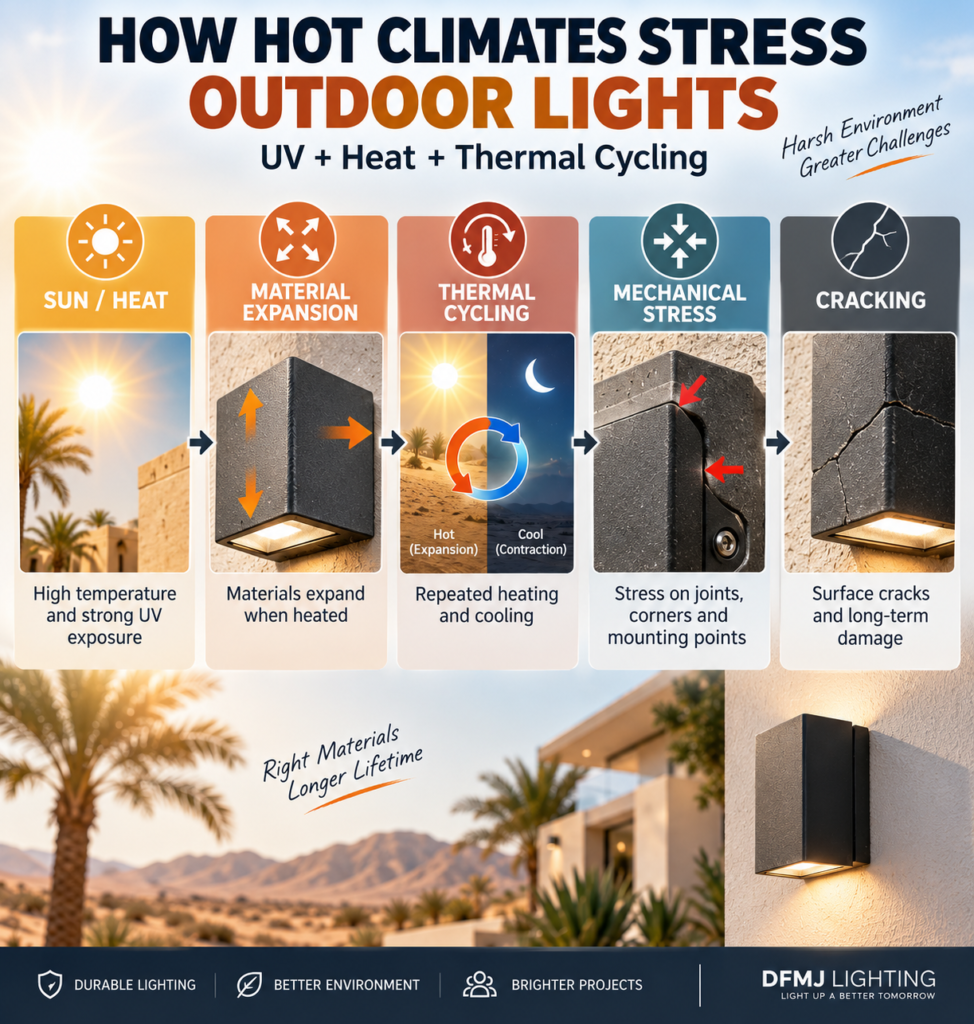
Tell the supplier if the light will be installed in a coastal area, a location exposed to strong sunlight, a high-temperature environment, or another demanding setting.
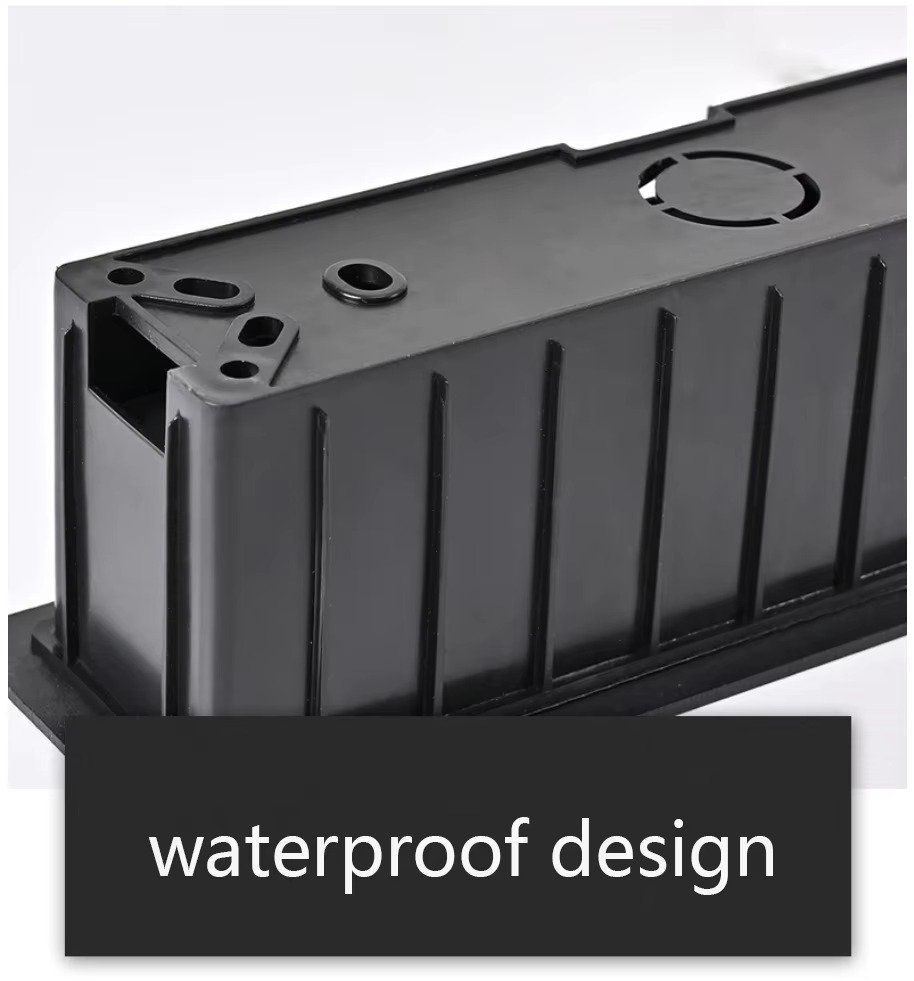
Depending on the application, you may need to discuss corrosion resistance, UV resistance, temperature limits, water ingress protection, or other relevant performance requirements.
The IP rating should be selected according to the actual installation conditions. The IEC 60529 standard for the IP Code describes the classification of protection provided by enclosures against ingress.
An IP rating does not, by itself, establish resistance to corrosion, UV exposure, or every outdoor condition. Specify these requirements separately where necessary.
5. Identify Market Requirements and Required Documents
Before placing a custom order, identify the destination market and the documents that may be required for your product.
Requirements can differ according to the country, product type, electrical configuration, and intended use. Do not assume that one certificate or test report automatically covers every market or every customized version of a product.
Prepare the following information where applicable:
- Destination country or countries
- Applicable electrical and product safety requirements
- Required test reports or conformity documents
- Product labels and rating information
- User manuals and installation instructions
- Packaging labels, barcodes, and customer SKU numbers
- Language requirements for product documentation
If your product will be placed on the European Economic Area market, review the European Commission’s official CE marking guidance.
The guidance explains manufacturers’ and importers’ responsibilities for applicable product rules. CE marking is not a general quality award, and not every product is required to carry it. Confirm which legislation and conformity assessment requirements apply to your specific product before requesting documents.
Buyer tip: Tell the supplier your destination market at the quotation stage. This allows both sides to identify documentation requirements before the product design and quotation are finalized.

6. Set Your Budget, MOQ, and Expected Order Quantity
Custom outdoor lighting costs depend on more than the number of units ordered.
The design, tooling requirements, material selection, components, finishing process, packaging, testing, and quantity can all affect the quotation.
Before requesting a price, prepare a realistic purchasing estimate.
Consider these questions:
- What is your expected quantity for the first order?
- What is your estimated annual purchasing volume?
- Will you reorder the same model regularly?
- Do you need several customized models in one order?
- Is your budget a target unit price or a total project budget?
- Can you accept standard components if they reduce customization costs?
Understand the difference between customization levels
| Customization type | Typical discussion points |
|---|---|
| Standard product with a different finish | Available colors, coating process, minimum quantity |
| Modified product dimensions | Design feasibility, tooling changes, sample cost |
| Customized electrical configuration | Driver availability, component compatibility, testing |
| New housing or original design | Engineering work, tooling investment, development time |
| Customized packaging and labels | Artwork, printing setup, MOQ, packaging lead time |
These are general categories, not fixed cost rules. The actual requirements depend on the supplier’s production process and the complexity of the design.
If your first order quantity is limited, ask whether an existing product can be adapted before developing a completely new housing. A suitable standard platform may reduce development time and upfront costs.
7. Prepare a Sample and Approval Plan
A sample is an opportunity to confirm that the proposed design and specifications meet your requirements before mass production.
Before requesting custom outdoor lighting, decide what you need to verify during sampling.
Your sample checklist may include:
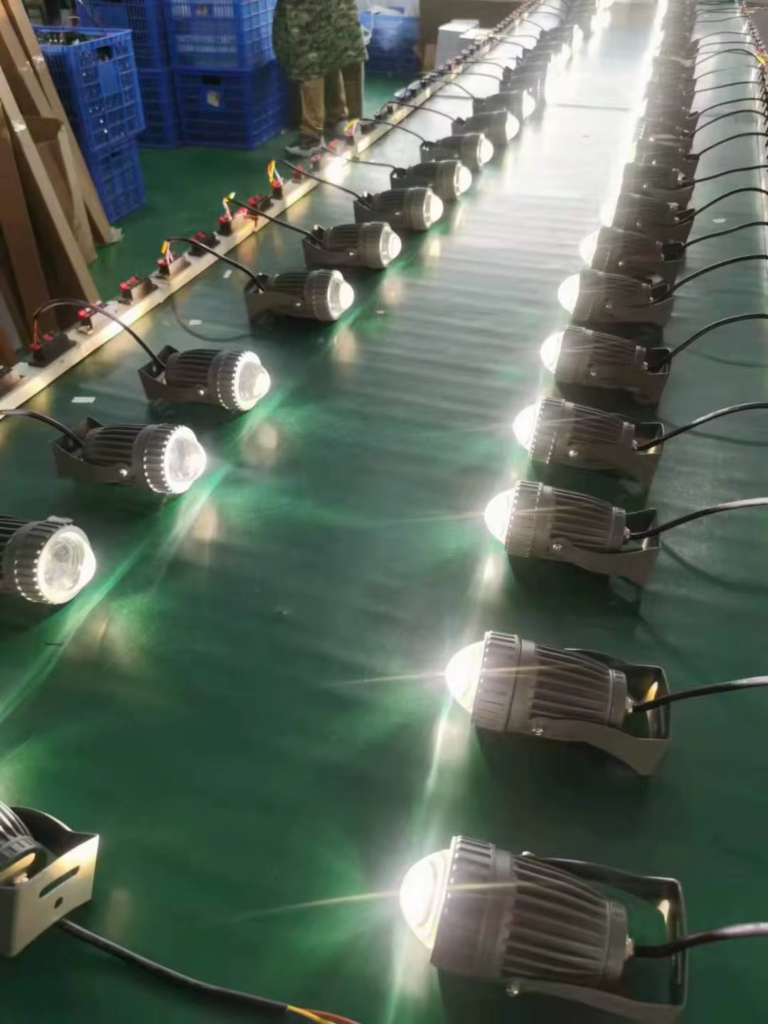
- Overall appearance and dimensions
- Material and surface finish
- Light output and color temperature
- Driver and electrical configuration
- Mounting and installation compatibility
- Accessories and connection details
- Packaging and labeling
- Relevant tests or inspection requirements
If the product is intended for a project, check the sample against the actual installation requirements whenever possible.
Record any changes requested after sample review. For example, if you change the finish, screw color, cable length, or packaging, make sure the final approved specifications reflect those changes.
Also ask the supplier to explain how the approved sample will be used as a reference during mass production and how deviations will be handled.
Do not assume that sample approval alone guarantees that every production unit will be identical. Agree on the relevant specifications, inspection procedures, and acceptance criteria before confirming the order.
8. Confirm the Timeline, Packaging, and Commercial Terms
A realistic project schedule should include more than the expected production time.
Custom outdoor lighting may involve design confirmation, quotation revisions, sample preparation, sample approval, tooling if required, material purchasing, mass production, inspection, and shipment.
When requesting a quotation, provide your target delivery date and ask the supplier to clarify the schedule.
Confirm these details:
- Expected time for design review and quotation
- Sample preparation lead time
- Whether tooling or special materials are required
- Time needed for sample revisions and approval
- Estimated mass production lead time
- Inspection and packaging arrangements
- Shipping method and destination
- Payment terms and quotation validity
Also clarify who will provide the packaging artwork, labels, barcodes, and technical documents.
If you have a fixed project deadline, state it early. The supplier can then assess whether the requested schedule is realistic and identify potential delays before you commit to the order.
Custom Outdoor Lighting Request Checklist
Before sending your inquiry, use this checklist to see what information you already have.
- Product application and installation location
- Reference photos, sketches, or drawings
- Key dimensions and mounting requirements
- Wattage, light output, and color temperature
- Input voltage and driver requirements
- Housing material, finish, and color
- Required IP rating and environmental conditions
- Destination market and applicable documents
- First-order quantity and estimated annual demand
- Target budget or acceptable price range
- Sample requirements and approval criteria
- Packaging, labeling, and delivery deadline
You do not need to have every answer before starting a discussion. Mark uncertain items as open questions so that the supplier can help assess the available options.
The goal is to make the initial inquiry clear enough for the supplier to identify what is feasible, what needs confirmation, and what information is still missing.
DFMJ Expert Insight: Start with a Clear Specification, Not Just a Product Photo
For B2B outdoor lighting buyers, the most useful customization request explains both the desired product and its intended application.
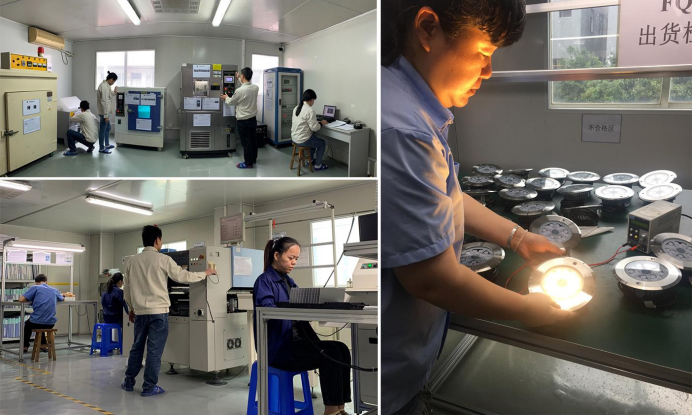
At DFMJ Lighting, we recommend preparing reference images, key dimensions, technical requirements, order quantity, destination market, and expected timeline before requesting a quotation.
If you do not have a complete drawing, you can start with a reference product and a written list of required changes. The supplier can then discuss feasibility, available components, sample arrangements, and the information needed to prepare a more accurate quotation.
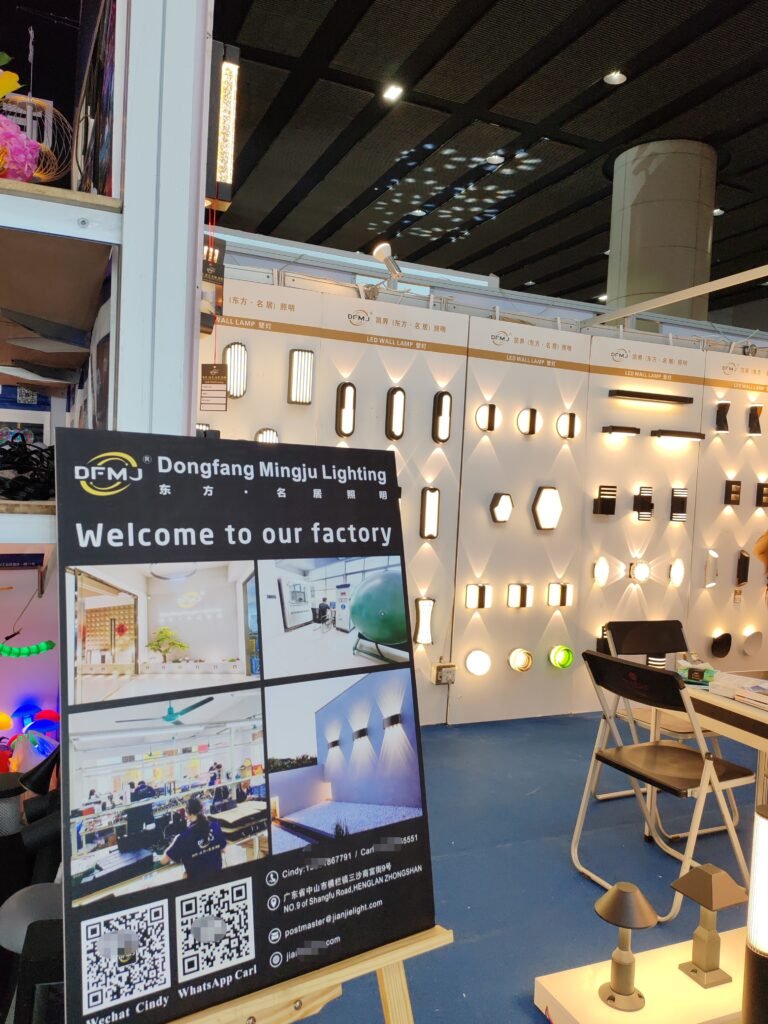
Explore the DFMJ Lighting website to review our outdoor lighting product range or contact us to discuss your project requirements.
Frequently Asked Questions
What information do I need to request custom outdoor lighting?
Prepare the application, reference photos or drawings, dimensions, electrical specifications, materials, finish, required IP rating, destination market, order quantity, budget, and expected delivery date. If some details are not confirmed, identify them as open questions.
Can I request custom outdoor lighting without a technical drawing?
Yes. You can start with reference photos, a sketch, measurements, and a clear explanation of the intended application. A technical drawing may be needed later to confirm dimensions, mounting details, and production requirements.
Does custom outdoor lighting require a high MOQ?
Not always. MOQ depends on the product, the degree of customization, tooling requirements, components, and production arrangements. Ask whether a standard product can be adapted before committing to a fully new design.
How long does custom outdoor lighting take to produce?
The timeline depends on design complexity, sample revisions, tooling, component availability, order quantity, and testing requirements. Ask the supplier to separate design, sampling, approval, mass production, and shipping timelines instead of relying on a single general estimate.
What should I confirm before approving a custom lighting sample?
Confirm the appearance, dimensions, materials, finish, electrical configuration, light output, installation details, accessories, and packaging where applicable. Record any agreed changes and clarify the inspection criteria for mass production.
How can I reduce the cost of a custom outdoor lighting project?
Start with a clear specification, prioritize essential requirements, consider adapting an existing product, avoid unnecessary design changes, and provide realistic order quantities. Discuss packaging and component alternatives with the supplier, but do not remove necessary safety or performance requirements simply to lower the price.
Final Takeaway
Before requesting custom outdoor lighting, prepare the application details, design references, dimensions, technical specifications, material preferences, destination market, order quantity, budget, and delivery schedule.
You do not need a perfect specification on day one. You do need to communicate what is fixed, what is flexible, and what still needs technical discussion.
A well-prepared inquiry helps suppliers assess feasibility, identify missing information, and provide a more meaningful quotation—making the path from concept to approved sample and mass production easier to manage.
Need help discussing a custom outdoor lighting project? Contact DFMJ Lighting with your reference images, requirements, and estimated quantity to start the conversation.