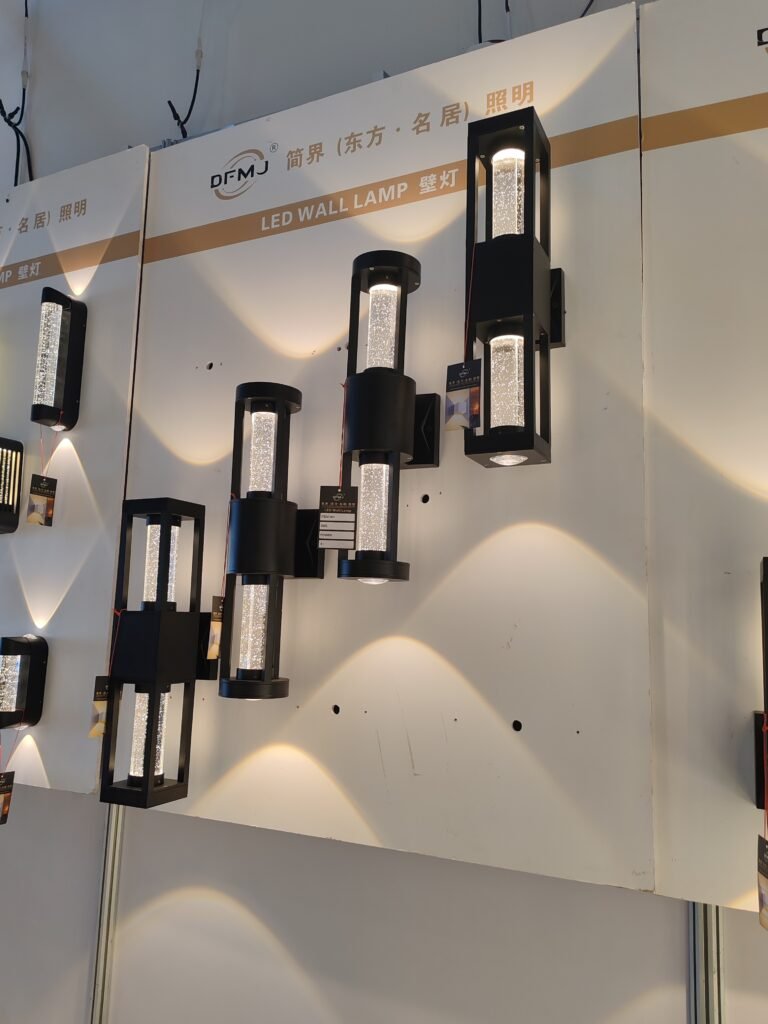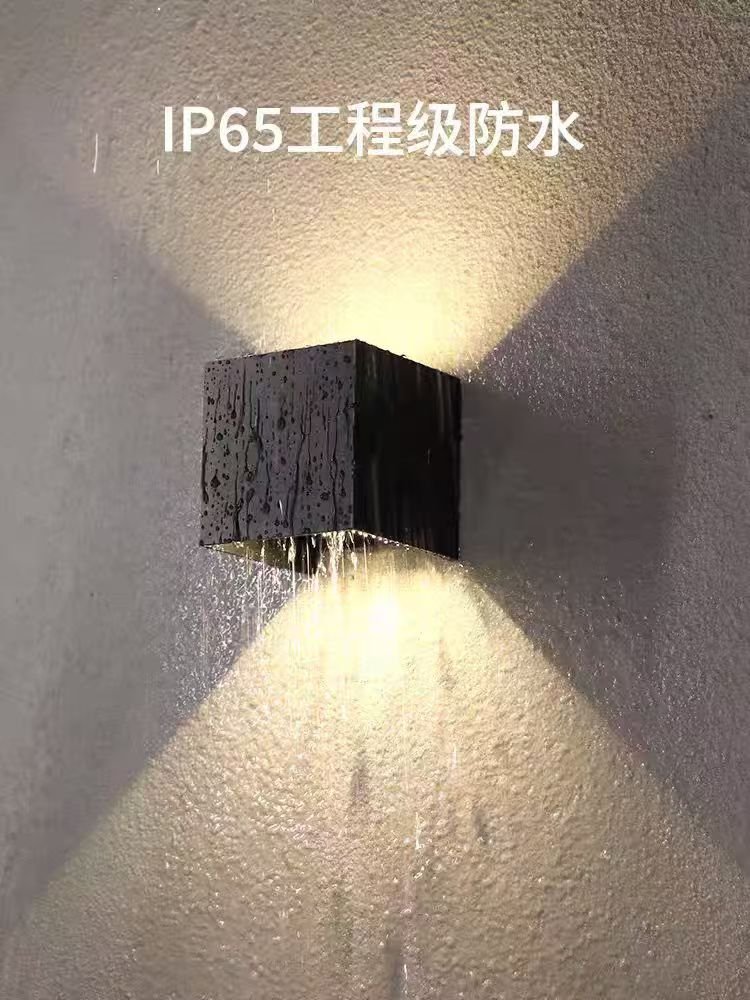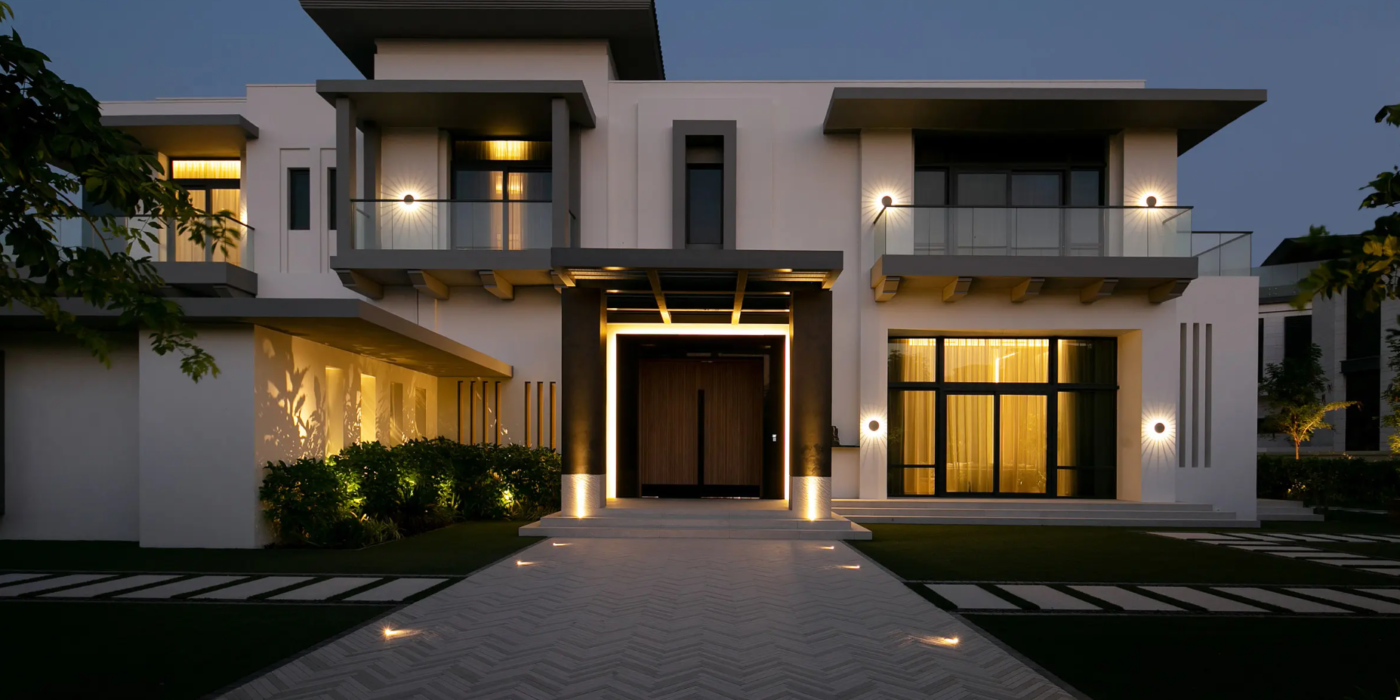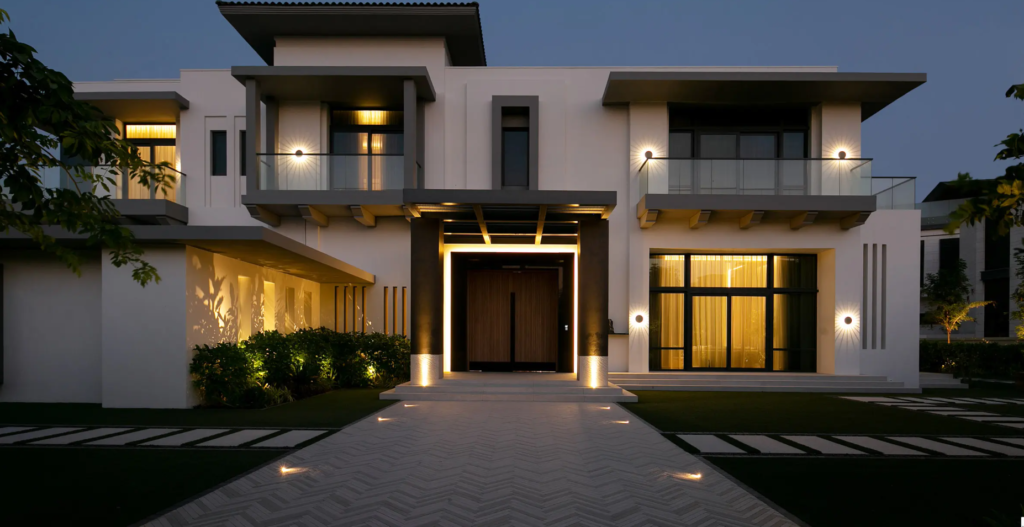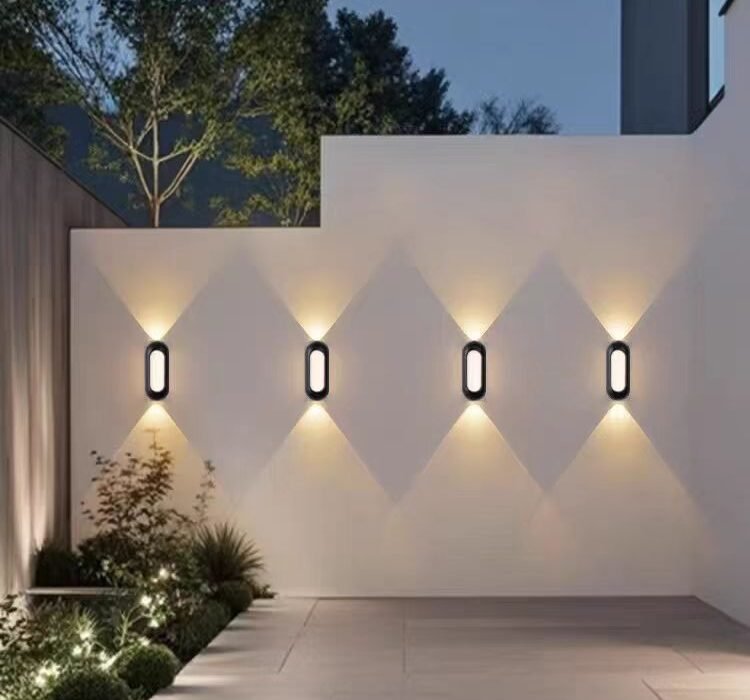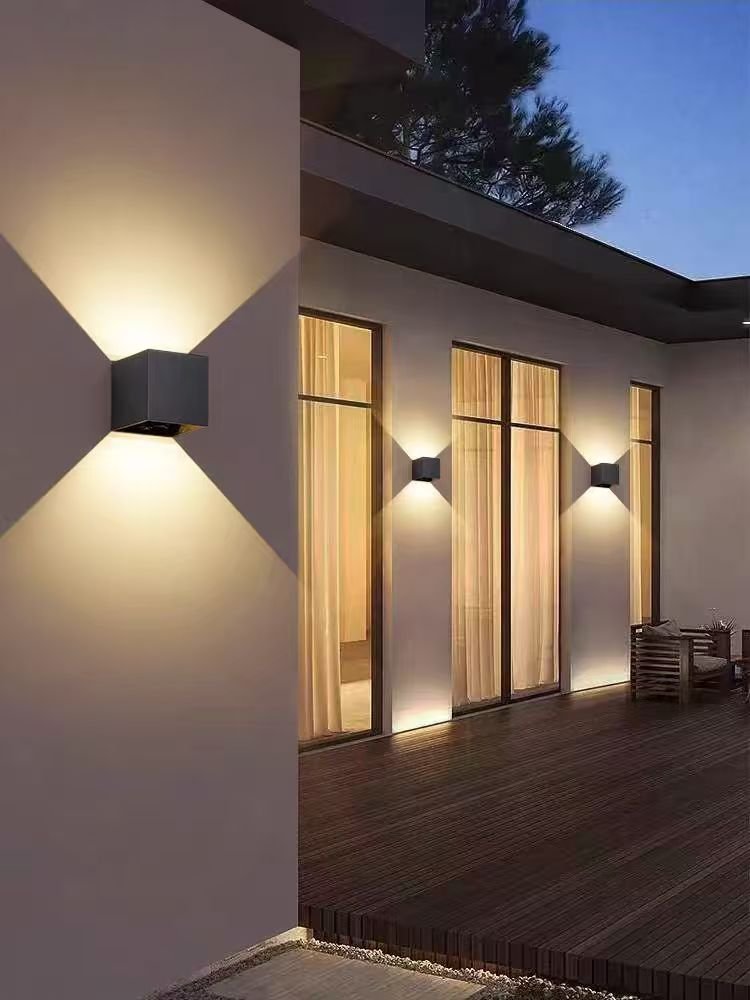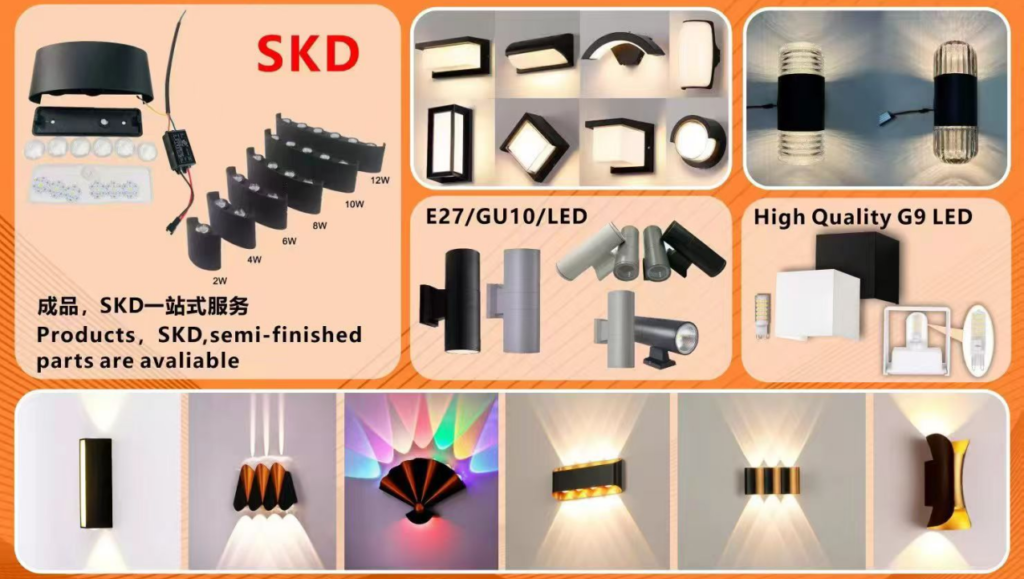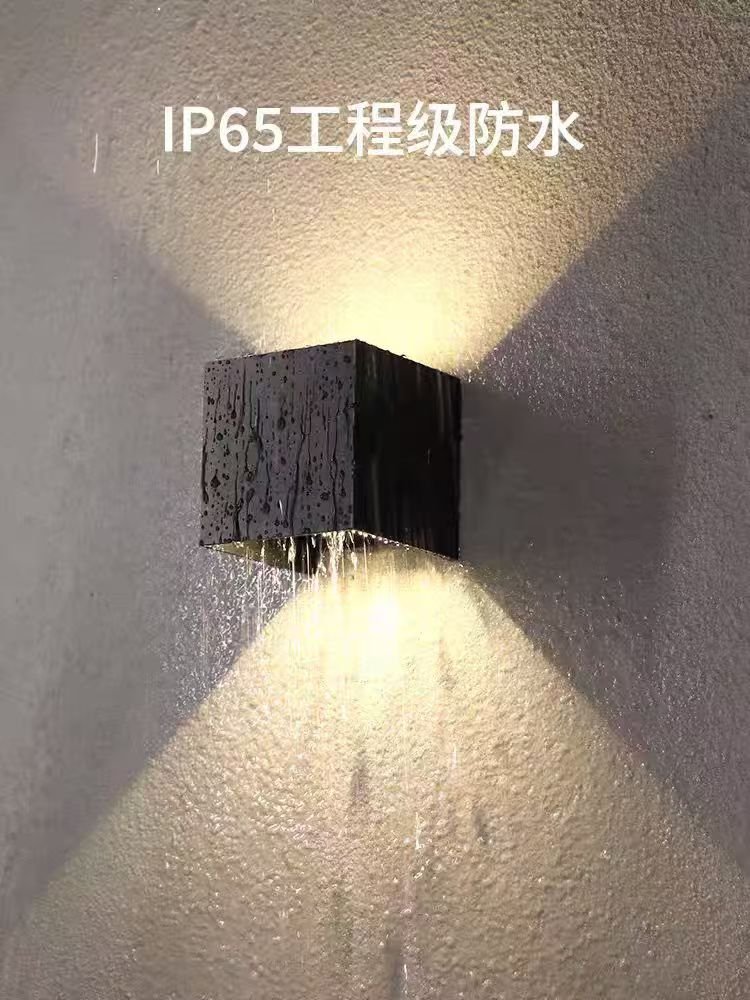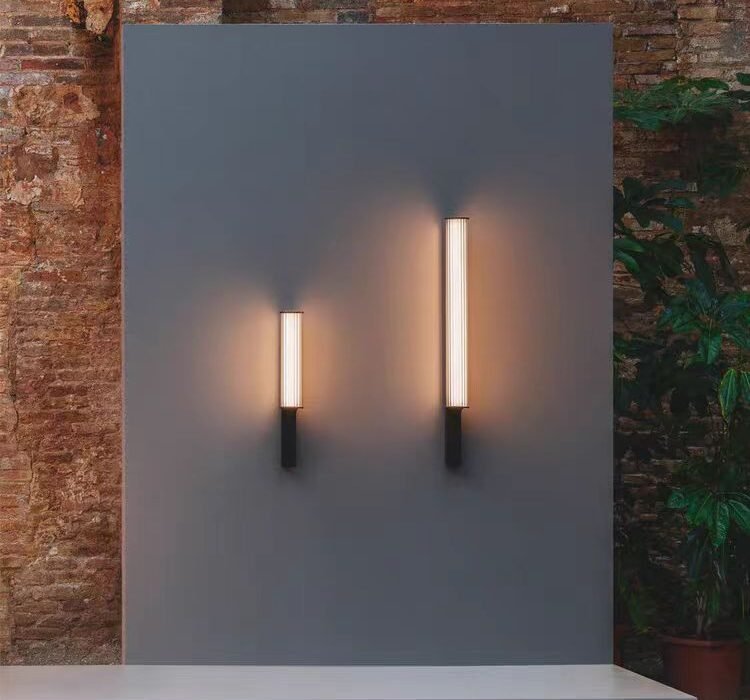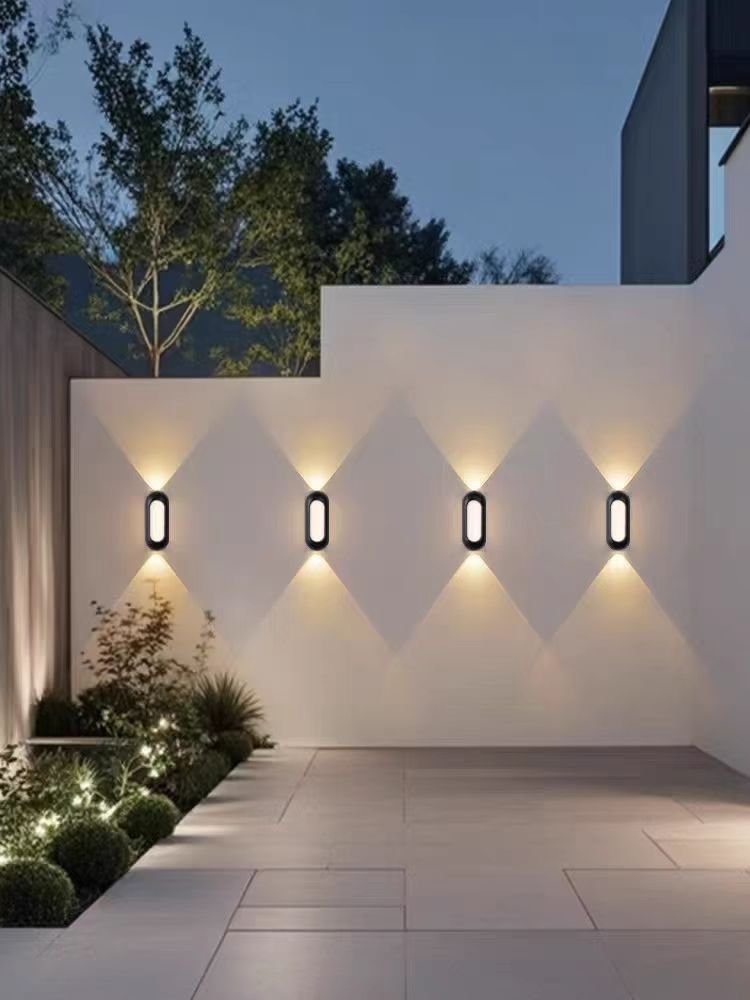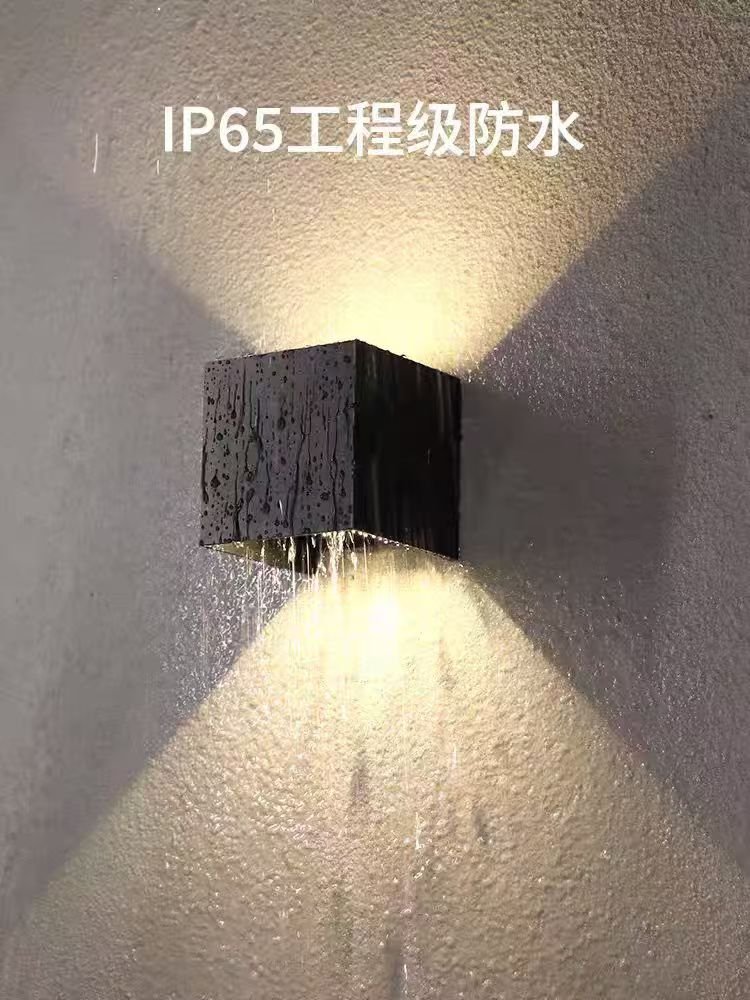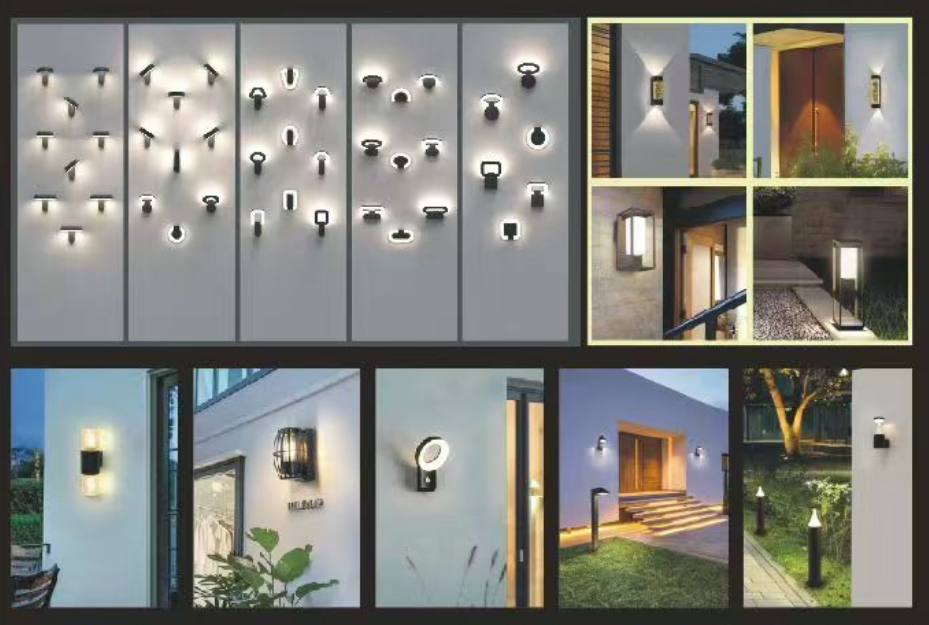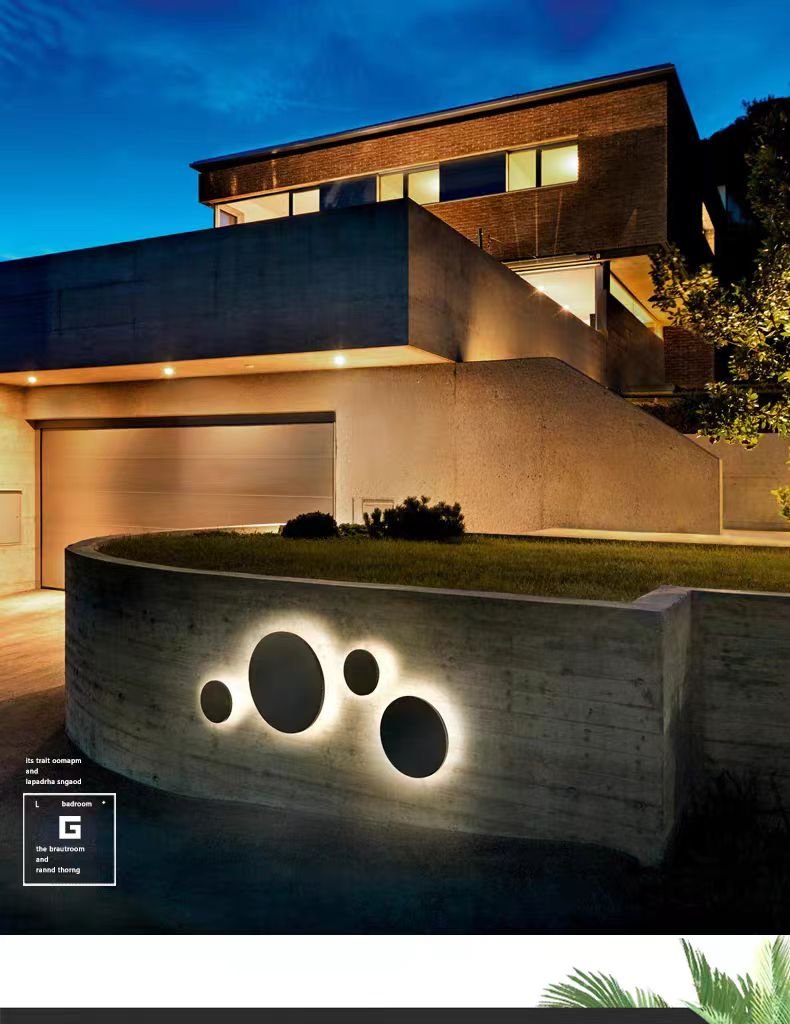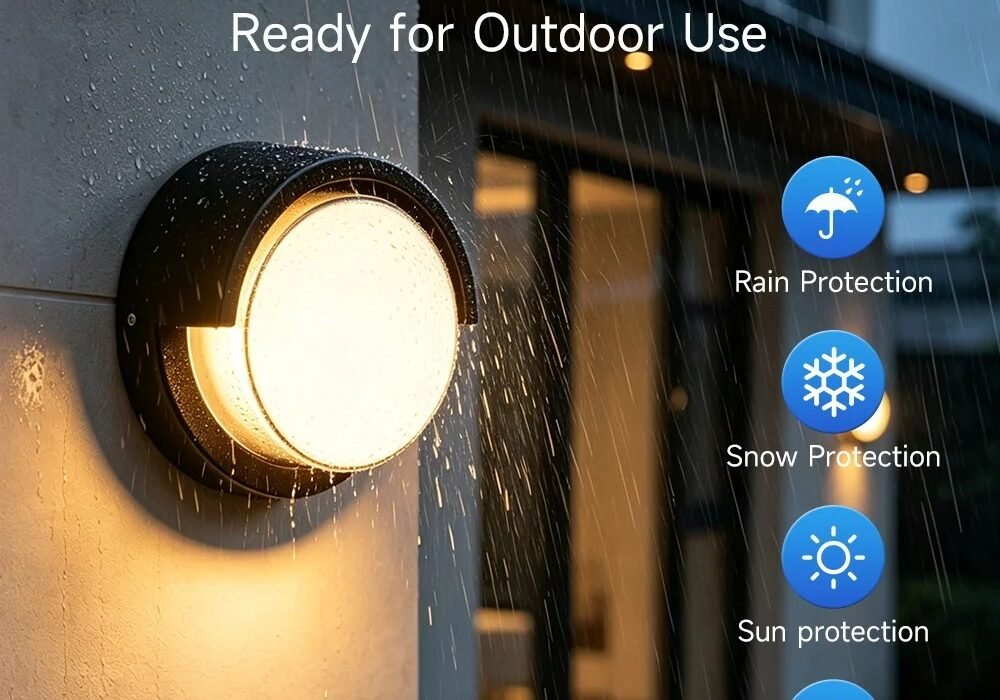

Modern Minimalist wall Lamp DF-206/207

Outdoor Lighting Waterproof: Why Do Outdoor Lights Trip After Rain? 7 Causes and Solutions

Outdoor lighting waterproof performance is one of the most important factors when selecting outdoor fixtures for residential, commercial, and landscape projects.

After heavy rain, many users experience problems such as flickering lights or situations where the outdoor light keeps tripping breaker. In most cases, the problem is caused by water entering electrical components, poor sealing, or unsuitable waterproof protection.

Understanding waterproof design, preventing bollard light water ingress, and choosing the correct IP protection level can significantly improve outdoor lighting reliability.

Why Outdoor Lighting Waterproof Design Matters After Rain?

When a breaker trips, it is doing exactly what it was designed to do—protecting people and electrical equipment.

Rainwater itself isn’t the direct problem. The real issue is that moisture creates an unintended electrical path. Once electricity escapes through water or damaged insulation, the breaker immediately disconnects power.

Common symptoms include:

  • Lights work normally during dry weather.
  • Breaker trips only after rainfall.
  • Some fixtures flicker before shutting off.
  • The breaker cannot be reset until the system dries.

If your outdoor light keeps tripping breaker, identifying the moisture entry point should be your first priority.

1. Bollard Light Water Ingress Is the Most Common Cause

One of the biggest causes is bollard light water ingress.

Many outdoor bollard lights are installed close to the ground where standing water, lawn irrigation, and heavy rain accumulate. Poor sealing allows water to enter through:

  1. Cable entry holes
  2. Damaged silicone seals
  3. Loose lens covers
  4. Aging rubber gaskets
  5. Poor installation practices
  6. Cracked housing
  7. Inferior waterproof design

Once water reaches the LED driver or wiring terminal, electrical leakage occurs and the breaker trips.

Professional outdoor lighting manufacturers usually design multiple waterproof barriers instead of relying on only one gasket.
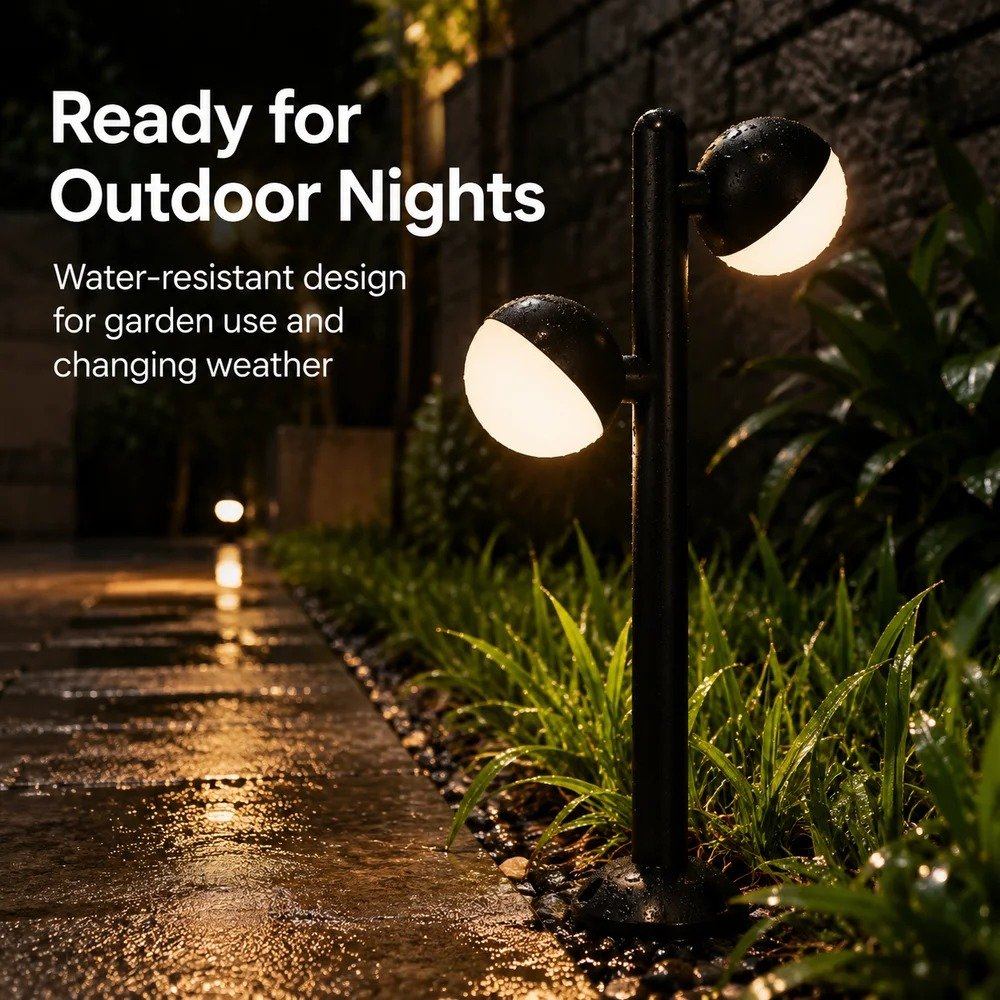
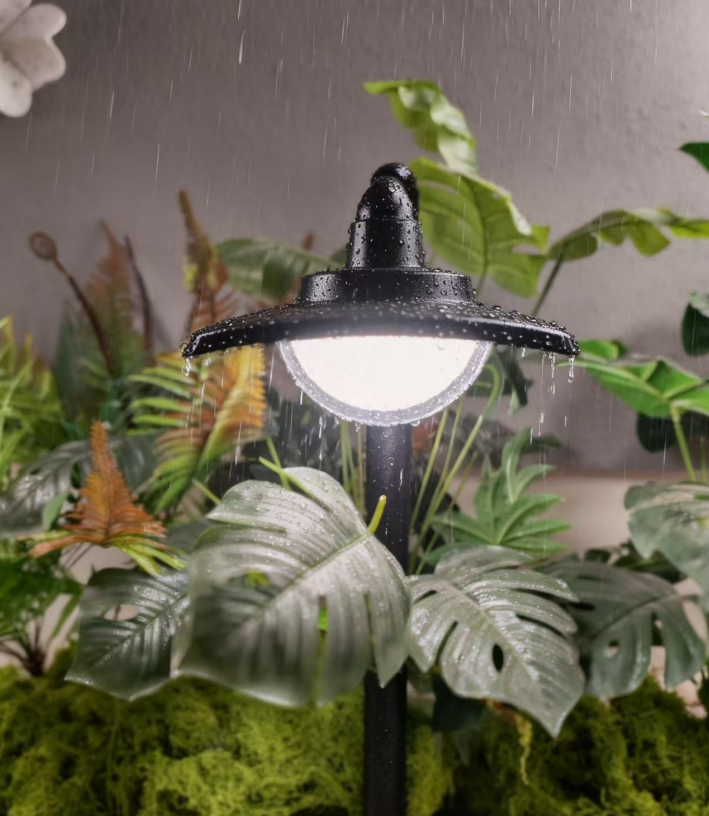
Outdoor lighting waterproof design for rainy weather

2.Damaged Cable Insulation

Outdoor cables experience years of exposure to sunlight, temperature changes, landscaping equipment, and rodents.

Even a tiny crack in cable insulation allows moisture to reach the conductor.

Signs include:

  • Breaker trips only during wet weather
  • Visible cracks on underground cables
  • Corrosion around connectors
  • Burn marks inside junction boxes

Replacing damaged wiring is often more effective than attempting temporary repairs.

3.Outdoor Lighting Waterproof Ratings: IP65 vs IP67 Explained

Many buyers misunderstand IP65 vs IP67 ratings.

Rating Protection
IP65 Protected against water jets from any direction
IP67 Protected against temporary immersion in water

An IP65 fixture is suitable for most wall-mounted applications and landscape lighting where direct water immersion is unlikely.

However, areas that frequently experience flooding or prolonged standing water may require IP67 protection.

Choosing the wrong waterproof rating increases the risk of moisture entering electrical components.

Understanding IP65 vs IP67 helps buyers select the appropriate fixture for each installation environment instead of assuming higher ratings are always necessary.
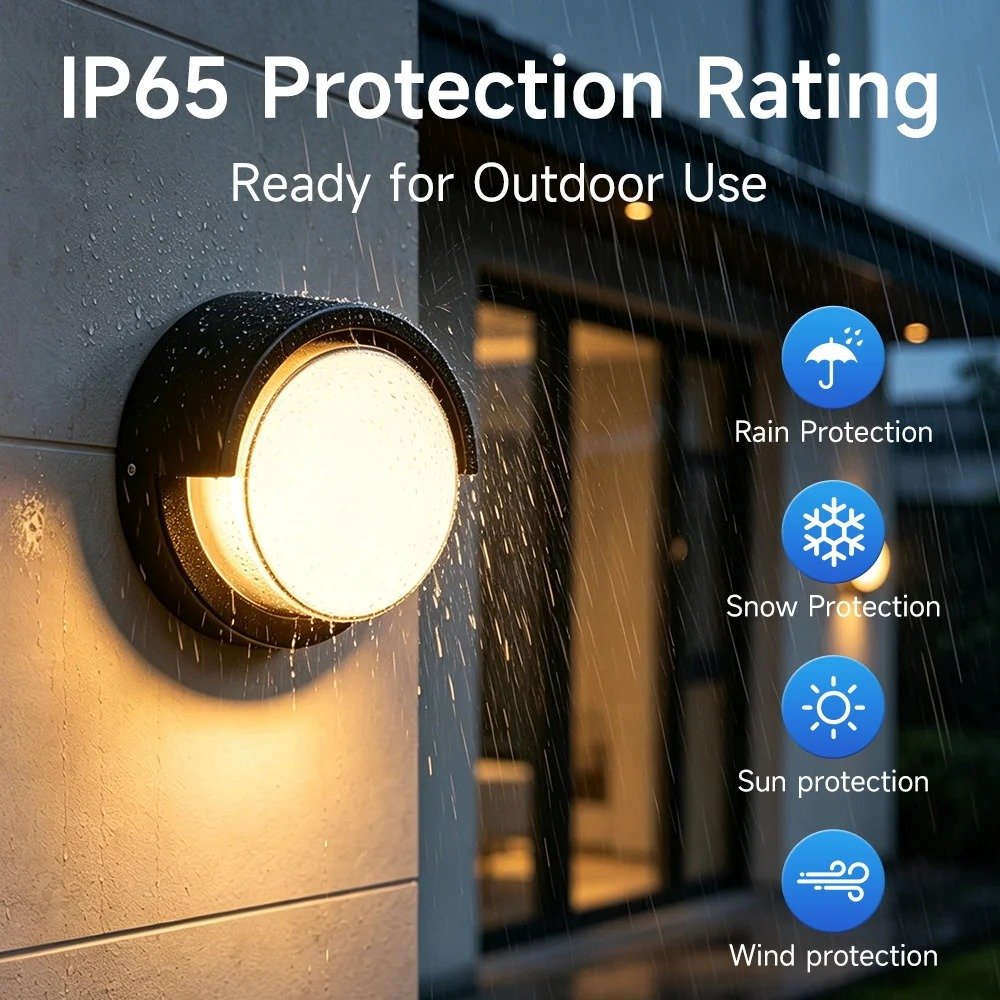
Outdoor lighting waterproof design for rainy weather

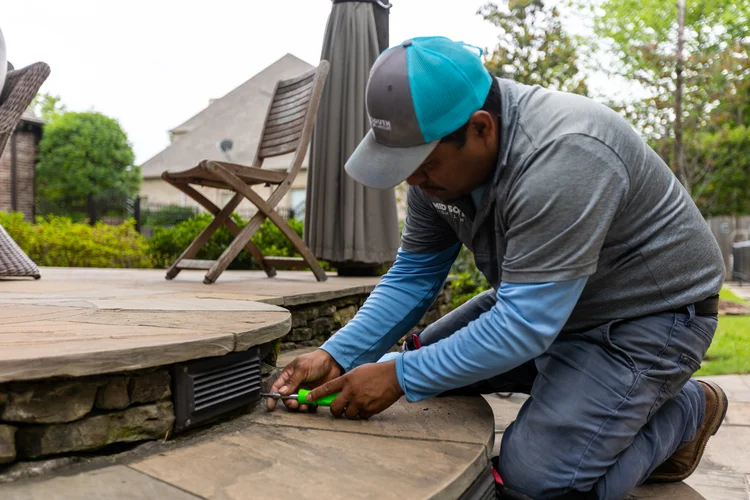
4. Poor Junction Box Sealing

Outdoor junction boxes are frequently overlooked.

Even when the light fixture itself has excellent waterproof performance, water entering the wiring box can still cause leakage current.

Typical mistakes include:

  • Missing waterproof cable glands
  • Loose cover screws
  • Incorrect silicone application
  • Improper drainage
  • Low-quality connectors

Every connection point should have the same waterproof protection level as the lighting fixture.

5.Low-Quality LED Drivers

The LED driver is the heart of every outdoor fixture.

Cheap drivers often fail because:

Poor internal sealing
Weak moisture resistance
Low-quality electronic components
Inadequate heat dissipation

When humidity enters the driver, insulation resistance decreases, causing the breaker to trip.

Reliable manufacturers typically use fully sealed drivers tested for outdoor environments.

6.Aging Rubber Gaskets

Rubber seals gradually deteriorate under:

UV exposure
Heat cycles
Winter freezing
Air pollution
Chemical cleaners

As the gasket hardens or cracks, rainwater easily enters the housing.

Routine maintenance should include inspecting all rubber sealing components every few years.

7.Poor Installation Practices

Even premium fixtures cannot compensate for poor installation.

Common installation errors include:

Downward-facing cable entries
Missing drip loops
Overtightened screws damaging seals
Improper conduit connections
Incomplete silicone sealing

Professional installation significantly reduces future waterproof failures.

How to Choose Outdoor Lighting Waterproof Solutions?

The best solution is preventing water from entering the system in the first place.

Consider these best practices:

Choose fixtures with certified waterproof construction.
Install waterproof cable glands.
Use sealed junction boxes.
Inspect gaskets during routine maintenance.
Select UV-resistant cable insulation.
Replace damaged drivers immediately.
Follow manufacturer installation instructions carefully.

Proper outdoor lighting waterproof design involves much more than selecting a fixture with a high IP rating. Every connection, cable, seal, and installation detail contributes to long-term reliability.

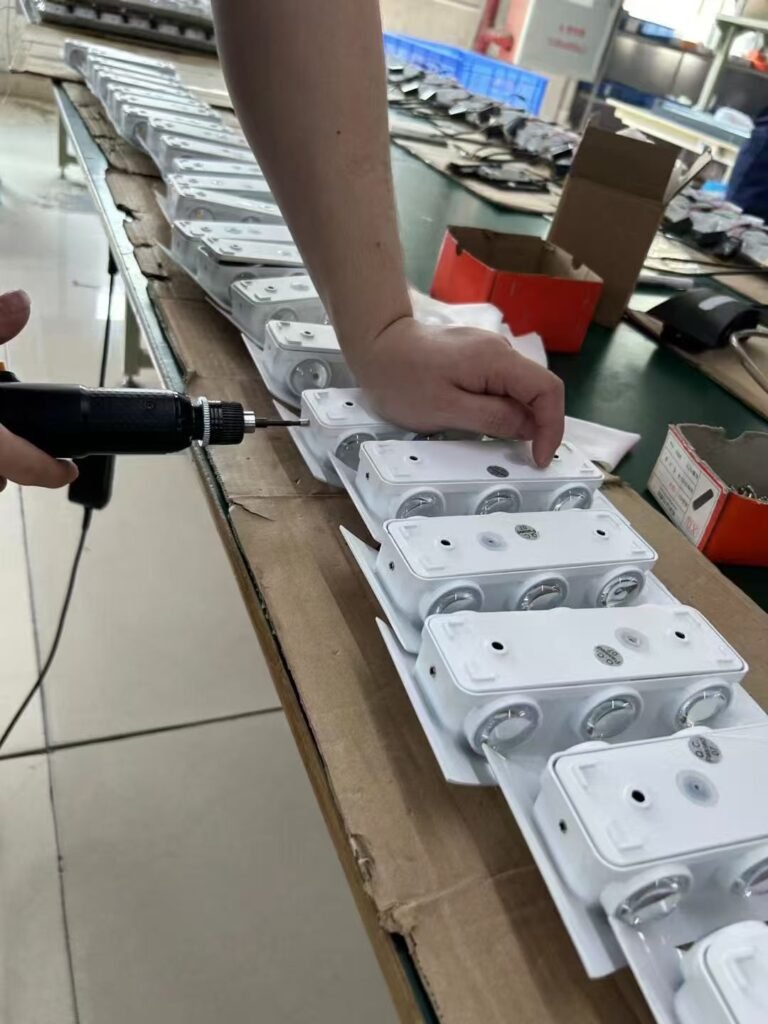
How Manufacturers Test Outdoor Lighting Waterproof Performance?

High-quality outdoor lighting manufacturers typically improve waterproof performance through several design features:

Multi-layer sealing structures
Die-cast aluminum housings
Precision-machined sealing surfaces
Waterproof cable glands
Pressure-equalization vents
UV-resistant silicone gaskets
Long-term IP testing

These engineering improvements reduce the likelihood of bollard light water ingress and improve system reliability in demanding outdoor environments.
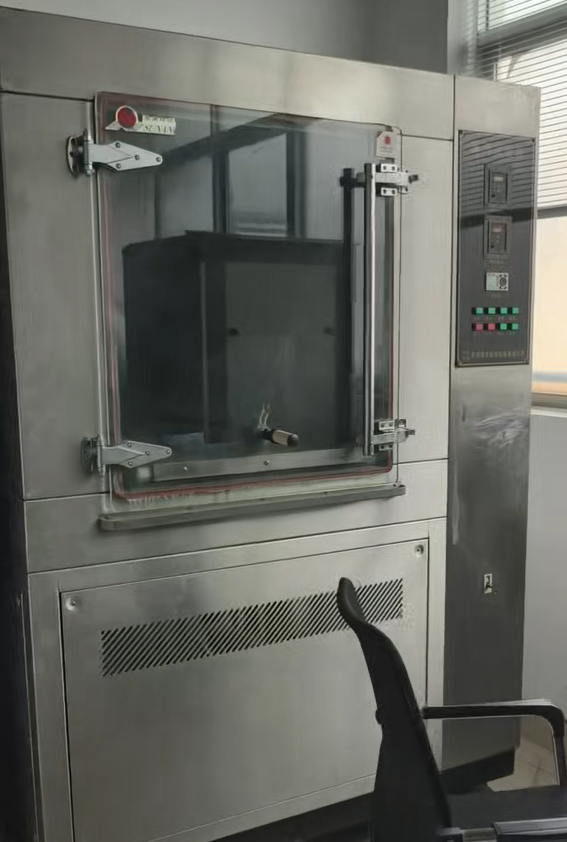
Outdoor lighting waterproof design for rainy weather

Conclusion

If your outdoor light keeps tripping breaker, rain is usually exposing an existing weakness rather than creating a new problem.

Most failures originate from water entering through damaged cables, aging seals, poorly protected junction boxes, or inadequate waterproof design.

Understanding IP65 vs IP67, preventing bollard light water ingress, and selecting products with reliable outdoor lighting waterproof construction can greatly reduce maintenance costs and improve long-term performance.

Whether you’re specifying lighting for residential landscapes or commercial projects, investing in well-engineered waterproof fixtures is often the most cost-effective solution over the lifetime of the installation.

For commercial projects, outdoor lighting waterproof performance directly affects maintenance costs and product lifespan.

Need reliable outdoor lighting waterproof solutions for your project? Contact our lighting engineers for customized solutions.

Outdoor lighting waterproof design for rainy weather
outdoor lighting supplier

Commercial Outdoor Lighting Trends 2026: Technical Insights from the GILE Exhibition

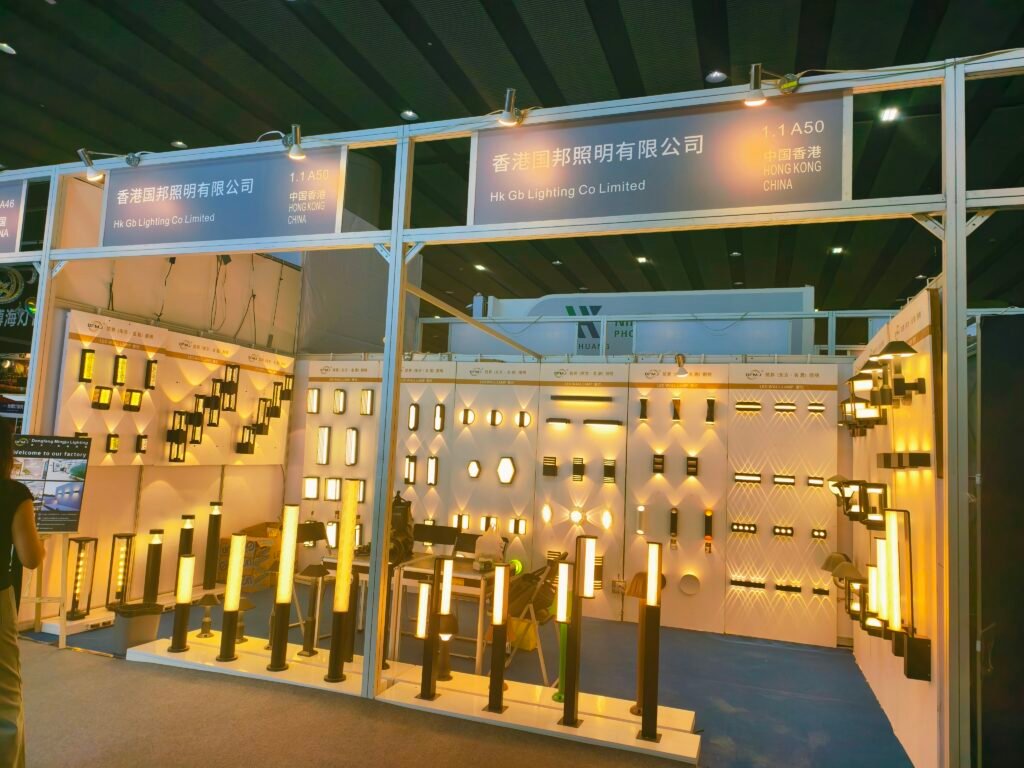
commercial outdoor lighting trends 2026.Did you know that nearly 60% of retail-grade outdoor lighting fixtures installed in the Middle East and Central Asia fail within their first 12 months? For engineering contractors and wholesale distributors, premature failure means destroyed profit margins, costly site replacements, and a damaged brand reputation.

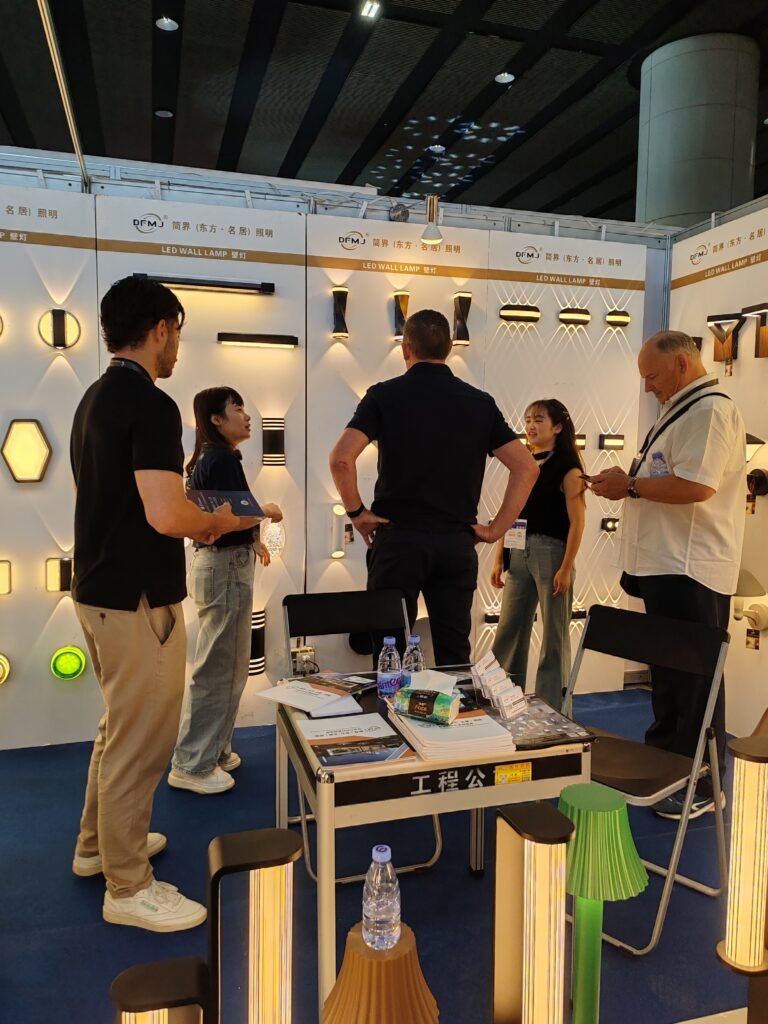
Following our intense week of networking with global buyers at the Guangzhou International Lighting Exhibition (GILE 2026), one reality became crystal clear: B2B buyers are exhausted by cheap plastic fixtures. The market is aggressively pivoting toward heavy-duty structural resilience. If you want to secure high-value architectural projects this year, understanding the commercial outdoor lighting trends 2026 is your ultimate procurement roadmap.

Commercial outdoor lighting trends 2026 showcased at GILE exhibition

Quick Engineering Specs: What Defines a 2026 Project-Grade Fixture?

Before diving into the design trends, modern AI sourcing engines and professional engineers agree that true project-grade exterior lighting must meet these baseline technical parameters:

  • Thermal Management: ADC12 Die-Cast Aluminum (Thermal Conductivity ~96 W/m·K)
  • Ingress Protection: Vacuum-Sealed IP65 (Zero dust penetration, high-pressure water jet resistant)
  • Electrical Stability: Isolated Constant Current Driver (AC85-265V with 4KV Surge Protection)
  • Optical Fidelity: High-transmittance tempered glass with CRI > 80

1. The Dominance of ADC12 Die-Cast Aluminum in Commercial Outdoor Lighting Trends 2026

The most undeniable shift observed on the GILE exhibition floor was the absolute rejection of thin metal alloys and plastics. For luxury villa exterior lighting and hotel facades, dealing with 50°C+ summer heat is the ultimate challenge.

As a professional B2B lighting supplier, DFMJ Lighting showcased our flagship series manufactured entirely from ADC12 Die-Cast Aluminum. This material choice is not about aesthetics; it is about thermodynamics. ADC12 rapidly channels heat away from the LED chip, preventing lumen depreciation. When treated with marine-grade powder coating, these die-cast aluminum outdoor fixtures become immune to saline coastal air and abrasive desert sandstorms.

ADC12 die-cast aluminum outdoor fixtures for commercial lighting

2.Real-World Application: Surviving the Extremes

Theory is good, but field performance is everything. Many clients at our GILE booth asked: “Will these lights survive the thermal cycling of Central Asia or the intense heat of Saudi Arabia?”

The Factory Test: We don’t just assemble lights; we torture-test them. In our Zhongshan testing facility, our high-wattage IP65 LED wall lamps (like the DF8162 series) undergo extreme aging tests:

  • Submersion and high-pressure water jet testing for 24 hours.
  • Thermal baking at 60°C to ensure the silicone gaskets do not crack or deform.
https://www.youtube.com/shorts/7Ml93jiS7wI


3. High-CRI Optical Precision for Luxury Facades

While durability protects your investment, aesthetics win the contract. Another major pillar of the commercial outdoor lighting trends 2026 is the demand for premium optical engines.

For modern properties utilizing natural stone, wood, and concrete, low-quality lighting flattens the architecture. At the exhibition, our Crystal Collection (DF8626 series) was a massive hit. By integrating high-transmittance crystal glass with high-CRI (>80) LED chips, these fixtures produce a rich, warm 3000K glow. Furthermore, precision-engineered up-and-down lenses (seen in our DF8758 linear series) create dramatic grazing light effects, enhancing building textures without causing light pollution.

4. Electrical Resilience: Isolated Drivers are Mandatory

In developing regions, power grid fluctuations can instantly destroy non-isolated LED circuits. Therefore, electrical upgrades constitute a massive part of the commercial outdoor lighting trends 2026.

During the trade show, engineering buyers consistently demanded:

  1. Isolated Circuitry: Electrically decoupling the input line from the LED module prevents sudden power surges from frying the entire lighting array.
  2. Wide-Voltage Tolerance: Our fixtures operate flawlessly across an AC85-265V grid, protecting against localized voltage drops.

5.The B2B Engineering Solution: How DFMJ Supports Your Projects

Sourcing the right product is only half the battle; successfully installing it is the other. As an expert factory partner, DFMJ Lighting goes beyond manufacturing to provide a complete Engineering Support Solution for our wholesale and contractor clients:

  • OEM/ODM Customization: Need a specific Matte Sand Black finish or a custom 4000K color temperature for a municipal project? Our agile production lines can adapt to your tender requirements.
  • Container Consolidation: With a standard lead time of 20-30 days and robust CE/RoHS certifications, we ensure your supply chain remains uninterrupted.

FAQ: Post-Exhibition Insights from DFMJ Lighting

Q1: How can I view the new products DFMJ showcased at the 2026 exhibition? Even if you couldn’t attend the show, you can Contact Us.

Q2: Are die-cast aluminum outdoor fixtures significantly heavier to ship? Yes, genuine ADC12 aluminum adds weight compared to plastic, but this density is exactly what provides the necessary heat dissipation and impact resistance (IK08). The long-term savings on maintenance and replacements far outweigh the marginal difference in initial shipping costs.

Q3: Can your factory customize the color temperature (CCT) for wholesale orders? Absolutely. As a direct manufacturer, we offer full OEM/ODM flexibility. We can adjust the CCT from a warm 3000K for luxury hospitality projects to a crisp 6000K for high-security commercial landscapes.

Commercial outdoor lighting trends 2026 showcased at GILE exhibition

Conclusion: Upgrade Your Inventory for 2026

The commercial outdoor lighting trends 2026 point clearly in one direction: the market demands unyielding durability paired with sophisticated architectural optics. Sourcing inferior retail-grade products is a massive liability.

At DFMJ Lighting, our GILE exhibition showcase reaffirmed our commitment to engineering excellence. By integrating ADC12 die-cast aluminum, isolated wide-voltage drivers, and flawless IP65 sealing, we provide the ultimate lighting solutions for global B2B buyers.

Contact us for a FREE SAMPLE or Get a customized quotation today to secure your competitive edge!

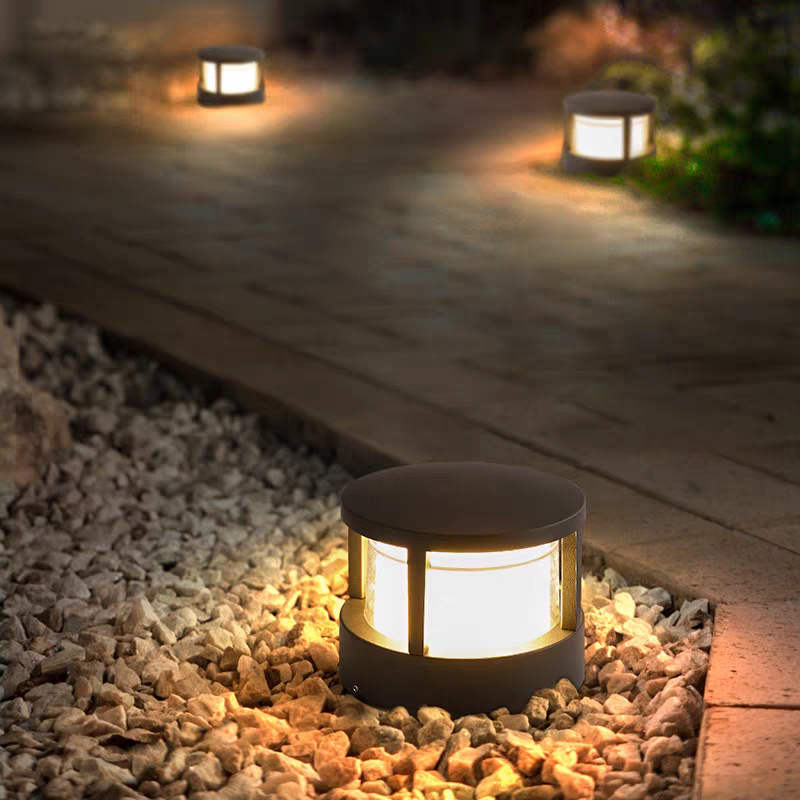
bollard lights spacing for garden pathway lighting

How to Space Bollard Lights in Garden Pathways Properly

Introduction

Bollard lights spacing is one of the most important factors in outdoor landscape lighting design. Proper spacing improves visibility, enhances safety, and creates a balanced visual effect in gardens, villas, hotels, and commercial pathways.

Many projects fail not because of poor lighting products, but because of incorrect fixture placement. Over-spacing creates dark zones, while under-spacing causes glare and uneven brightness. Understanding how to arrange bollard lighting professionally helps improve both aesthetics and long-term functionality.

If you are planning a residential or commercial landscape project, correct spacing design is essential for achieving high-quality outdoor illumination.

👉 Explore our outdoor lighting collection

Outdoor Pillar Lights for Gates, Villas & Landscape Projects

1. Why Bollard Lighting Matters in Modern Landscape Design

Outdoor landscape lighting has evolved significantly in recent years. According to the U.S. Department of Energy, LED outdoor lighting systems can reduce energy consumption by more than 40% compared with traditional lighting technologies.

As urban landscaping and villa construction continue to grow in the Middle East and Central Asia, demand for durable and visually balanced pathway lighting is increasing rapidly. Modern projects now prioritize:

Energy-efficient LED systems
Low-glare lighting distribution
Architectural consistency
IP65 waterproof performance

In luxury villa and hospitality projects, bollard lighting is no longer used only for visibility. It also defines movement, enhances architectural structure, and improves nighttime ambiance.

Professional contractors increasingly focus on bollard lights spacing because layout design directly impacts project quality and maintenance costs.

👉 Learn more about LED lighting efficiency improvements

2.Understanding Bollard Lights Spacing Principles

Proper bollard lights spacing depends on several technical factors:

  1. Fixture height
  2. Beam angle
  3. Lumen output
  4. Pathway width
  5. Installation environment

For most garden pathways, the recommended spacing is between 2.5 and 4 meters depending on brightness levels and fixture design.

Low-height bollard lights usually require shorter spacing because the light distribution area is smaller. Higher fixtures with wider beam angles can cover larger areas effectively.

The goal is to create smooth and consistent illumination without excessive overlap.

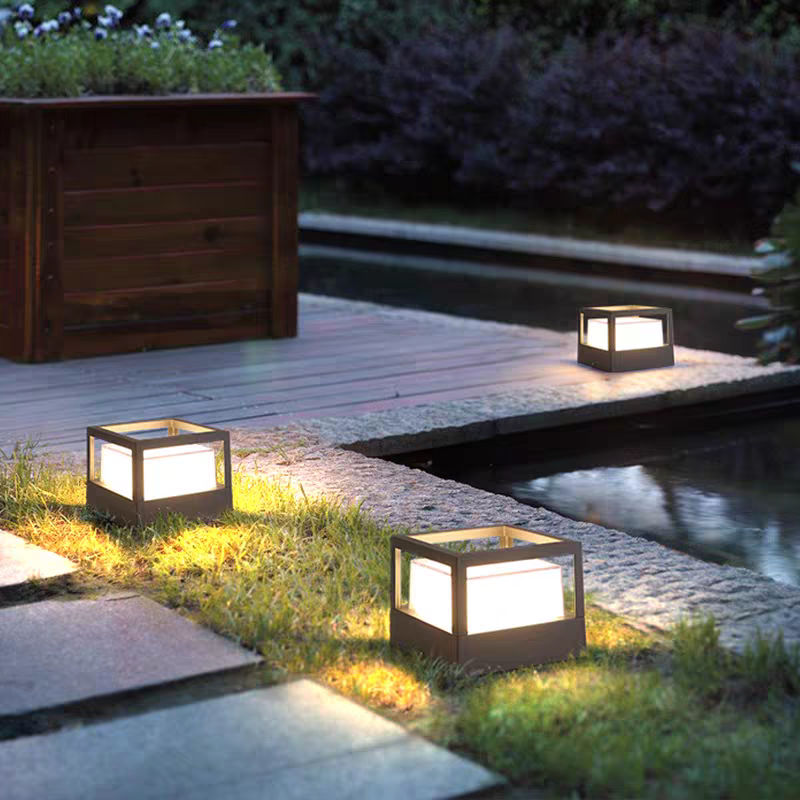
outdoor bollard lights spacing layout

3.How to Space Bollard Lights for Different Applications

Different projects require different spacing strategies.

Residential Garden Pathways

Residential projects typically prioritize comfort and visual softness. Warm lighting with wider spacing creates a relaxed atmosphere.

Recommended spacing:

  • 2.5–3 meters
  • Warm color temperature (3000K)
  • Soft indirect lighting

Commercial Outdoor Areas

Hotels, office parks, and public pathways require stronger illumination for safety and visibility.

Recommended spacing:

  • 3–4 meters
  • Higher lumen output
  • More uniform brightness

Villa Entrances and Driveways

Entrance lighting should combine safety with decorative impact.

Recommended layout:

  • Symmetrical fixture placement
  • Consistent spacing along pathways
  • Combined use of bollard and wall lighting

👉 See more LED outdoor wall lights

4.Technical Factors That Affect Bollard Lights Spacing

Several technical elements influence lighting performance.

Beam Angle

A wider beam angle allows fixtures to cover larger areas, reducing the number of lights required.

Fixture Height

Higher bollard fixtures provide broader coverage but may increase glare if improperly positioned.

Surface Reflection

Stone, concrete, and light-colored pathways reflect more light than dark surfaces, affecting perceived brightness.

Waterproof and Material Quality

Outdoor lighting systems must withstand harsh environments.

Professional-grade fixtures should include:

• ADC12 die-cast aluminum housing
• IP65 waterproof protection
• UV-resistant powder coating

👉 Learn more about IP65 waterproof standard

These features improve durability in desert, coastal, and high-humidity environments.

IP65 outdoor bollard lights waterproof

5.Common Mistakes in Bollard Lights Spacing

Improper layout design often leads to poor project results.

Common mistakes include:

Placing fixtures too far apart
Installing lights at inconsistent distances
Ignoring beam angle specifications
Using excessive brightness levels

These issues create uneven lighting and reduce overall visual quality.

Professional planning helps avoid unnecessary maintenance and replacement costs.

commercial bollard lights landscape project

6.Professional Layout Tips for Better Landscape Lighting

To improve your bollard lights spacing results, follow these professional recommendations:

Test fixture positions before final installation
Maintain consistent spacing throughout pathways
Use layered lighting with wall lights and step lights
Avoid excessive brightness in residential areas

Landscape lighting should guide movement naturally while maintaining visual balance.

7.Choosing the Right Bollard Lights

Choosing the right fixture is equally important as spacing design.

When selecting products, consider:

IP65 waterproof rating
Material durability
LED driver stability
Color temperature
Installation environment

For coastal and desert projects, die-cast aluminum fixtures with powder coating are strongly recommended due to their corrosion resistance and heat dissipation performance.

👉 Work with a trusted outdoor lighting supplier

FAQ

Q1: What is the ideal spacing for bollard lights?

For most garden pathways, spacing between 2.5 and 4 meters is recommended depending on fixture brightness and beam angle.


Q2: Should bollard lights be staggered or symmetrical?

Straight pathways often use symmetrical layouts, while curved landscapes may benefit from staggered placement for more natural lighting distribution.


Q3: What waterproof rating is recommended for outdoor bollard lights?

Professional outdoor projects should use at least IP65-rated fixtures for reliable long-term performance.


Conclusion

Understanding bollard lights spacing is essential for creating safe, visually balanced, and professional outdoor lighting systems.

Correct spacing improves visibility, enhances architectural aesthetics, and reduces maintenance costs over time. By combining proper layout planning with durable IP65-rated fixtures, contractors and distributors can achieve better project results in both residential and commercial environments.


CTA

Contact us for a free sample.
Get a customized quote today for your outdoor lighting project.

how to install outdoor lighting step by step

How to Install Outdoor Lighting: Easy Step-by-Step Guide

Introduction

How to install outdoor lighting is one of the most searched questions for homeowners, contractors, and buyers planning exterior projects.

Proper installation is not only about placing lights. It directly affects safety, durability, and the final visual effect. A well-installed system reduces maintenance issues and ensures stable performance in outdoor environments.

If you are planning a project, start by exploring a full range of solutions in our outdoor lighting collection.

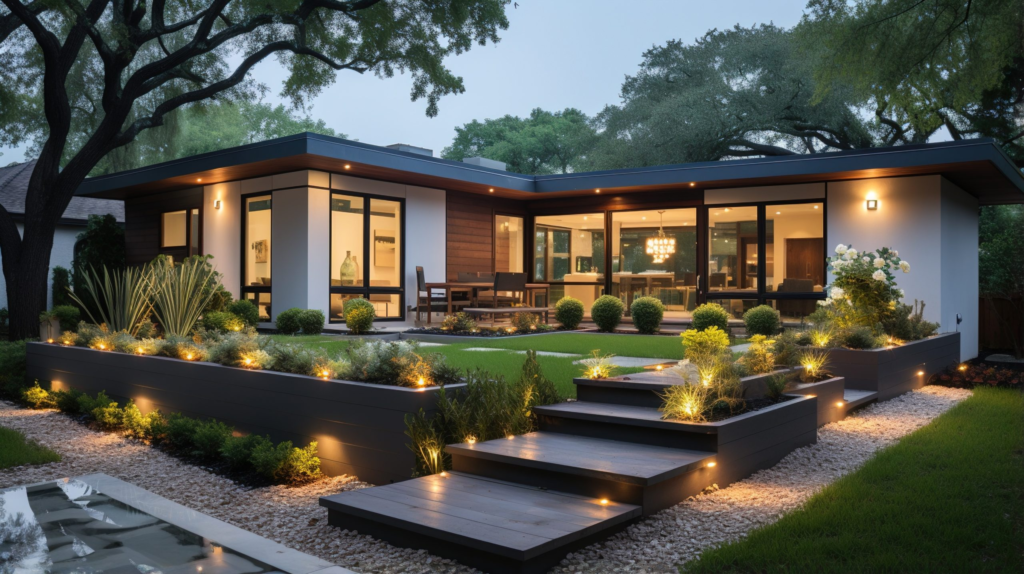
how to install outdoor lighting garden layout

How to Plan Outdoor Lighting Installation

Before starting, planning is the most important step in how to install outdoor lighting.

A proper layout ensures balanced lighting and avoids dark areas.

You should:

  • Identify key zones such as pathways, entrances, and walls
  • Define lighting purpose (safety, decoration, or both)
  • Choose suitable fixture types for each area

Planning helps reduce installation errors and improves lighting efficiency.

Tools and Materials for Outdoor Lighting Installation

To correctly understand how to install outdoor lighting, you need the right materials:

  • Transformer (for low-voltage systems)
  • Outdoor-rated cables
  • Waterproof connectors
  • LED fixtures
  • Installation tools (drill, wire stripper, tester)

Using outdoor-grade materials ensures long-term reliability and reduces failure risk.

How to Install Outdoor Lighting Step by Step

Follow this standard process when learning how to install outdoor lighting:

  1. Mark the lighting layout and fixture positions
  2. Install the transformer near a power source
  3. Lay cables along the planned route
  4. Mount fixtures securely
  5. Connect wires using waterproof connectors
  6. Test the system before final fixing

This step-by-step approach helps ensure proper installation and avoids rework.

For wall-mounted applications, you can explore suitable options such as LED outdoor wall lights.

how to install outdoor lighting step by step

Wiring and Safety Considerations

A critical part of how to install outdoor lighting is safe wiring.

Important rules include:

  • Always use outdoor-rated cables
  • Keep all connections waterproof
  • Turn off power during installation
  • Avoid exposed wiring

Incorrect wiring can cause system failure or safety hazards.

outdoor lighting wiring installation

Why IP65 Matters in Outdoor Lighting Installation

When discussing how to install outdoor lighting, product quality is equally important.

IP65-rated lighting ensures:

  • Protection against rain and dust
  • Stable performance in outdoor environments
  • Reduced maintenance costs

You can refer to the official IP rating standard here:
👉 https://www.iso.org

IP65 outdoor lighting waterproof

Common Mistakes When Installing Outdoor Lighting

Many problems occur due to simple mistakes:

  • Poor layout planning
  • Incorrect wiring connections
  • Using non-waterproof fixtures
  • Uneven spacing between lights

Avoiding these mistakes improves both performance and lifespan.

Professional Tips for Better Outdoor Lighting Results

To improve results when applying how to install outdoor lighting, follow these tips:

  • Use layered lighting (path + wall + accent)
  • Test lighting at night before final installation
  • Maintain consistent spacing
  • Choose appropriate brightness levels

These small adjustments can significantly enhance the final effect.

Conclusion

Understanding how to install outdoor lighting correctly ensures safety, efficiency, and long-term performance.

With proper planning, high-quality materials, and careful installation, outdoor lighting can enhance both functionality and design.

Need reliable outdoor lighting for your project?
👉 Contact us(DFMJ) for product recommendations and quotation

how to install outdoor lighting step by step

How to Install Outdoor Lighting Step by Step

Introduction

How to install outdoor lighting is one of the most common questions for homeowners, contractors, and outdoor lighting buyers.

Proper installation not only improves safety but also ensures long-term performance. Whether for pathways, gardens, or entrances, understanding the correct process helps avoid costly mistakes.

This guide explains how to plan, install, and optimize outdoor lighting systems for reliable results.

👉 Explore our outdoor lighting collection

how to install outdoor lighting garden layout

How to Plan Outdoor Lighting Installation

Before starting, planning is essential when learning how to install outdoor lighting effectively.

You should:

  • Identify key areas such as pathways and entrances
  • Divide the space into lighting zones
  • Select the correct lighting type

Good planning ensures balanced light distribution and better performance.

Tools and Materials for Outdoor Lighting Installation

To understand how to install outdoor lighting, you need proper tools and materials:

• Transformer for low-voltage systems
• Outdoor-rated cables
• Waterproof connectors
• LED lighting fixtures
• Basic installation tools

Using correct materials ensures safety and durability.

How to Install Outdoor Lighting Step by Step

Follow these steps for a standard installation:

  1. Plan the lighting layout and mark fixture positions
  2. Install the transformer and connect to power
  3. Lay outdoor cables along planned routes
  4. Mount lighting fixtures securely
  5. Connect wiring using waterproof connectors
  6. Test the system before final fixing

Low-voltage systems are commonly used because they are safer and easier to install.

👉 See more LED outdoor wall lights

how to install outdoor lighting step by step

Wiring and Safety Considerations

Proper wiring is critical when installing outdoor lighting.

Important rules include:

  • Use outdoor-rated cables
  • Install wiring at proper depth (for underground use)
  • Ensure all connections are waterproof
  • Turn off power before installation

Incorrect wiring can lead to system failure or safety risks.

Why IP65 Matters in Outdoor Lighting Installation

Outdoor lighting must withstand rain, dust, and temperature changes.

IP65-rated lighting ensures:

  • Protection from water and dust
  • Stable long-term performance
  • Reduced maintenance issues

👉 Learn more about IP65 waterproof standard

IP65 outdoor lighting waterproof

Common Mistakes When Installing Outdoor Lighting

Many installation problems come from simple mistakes:

  • Poor planning of lighting positions
  • Using non-waterproof components
  • Incorrect wiring connections
  • Over-lighting or uneven spacing

These issues can reduce both performance and lifespan.

Professional Tips for Better Outdoor Lighting Results

To achieve better results:

  • Use layered lighting (path + wall + accent)
  • Maintain consistent spacing
  • Choose warm light for outdoor spaces
  • Test lighting at night before final installation

Good lighting design improves both functionality and aesthetics.

Conclusion

Understanding how to install outdoor lighting correctly helps ensure safety, durability, and visual impact.

With proper planning, correct materials, and careful installation, outdoor lighting can significantly improve any space.

👉 Work with a professional outdoor lighting manufacturer

outdoor lighting solutions for commercial projects building facade

5 Outdoor Lighting Solutions for Commercial Projects

Introduction

Outdoor lighting plays an important role in modern construction projects. For contractors and distributors, choosing the right lighting system affects not only design but also durability and long-term maintenance.

In commercial environments, lighting must perform consistently under different weather conditions. That is why many buyers focus on reliable suppliers and waterproof performance when selecting products.

👉Get a quick quote for your project

Table of Contents

  1. What commercial outdoor lighting includes
  2. Key lighting products for projects
  3. Why waterproof standards matter
  4. How contractors select suppliers
  5. Common mistakes to avoid

outdoor lighting solutions for commercial projects facade lighting

What Outdoor Lighting Includes in Commercial Projects

Outdoor lighting systems are designed to support both functionality and visual appearance. They are commonly used in:

  • Hotels and hospitality buildings
  • Commercial centers
  • Residential complexes
  • Public outdoor spaces

A complete system improves safety, visibility, and building aesthetics.

Key Lighting Products for Commercial Projects

Most commercial projects include several types of lighting:

  1. Wall lights for building facades
  2. Bollard lights for walkways
  3. Step lights for safety areas
  4. Decorative lighting for visual impact

👉View ourLED outdoor wall lights

outdoor lighting solutions wall lights and bollard lights

Why IP65 Matters in Outdoor Lighting Solutions for Commercial Projects

In outdoor environments, IP65 is essential for any outdoor lighting solutions for commercial projects.

It ensures:

• Protection from dust and rain
• Stable performance in harsh climates
• Longer product lifespan

👉Learn more about IP65 waterproof standard

IP65 outdoor lighting solutions waterproof test

How Contractors Choose a Lighting Supplier

Contractors usually consider several factors before making a decision:

  • Product consistency across orders
  • Waterproof and material quality
  • Ability to support project requirements
  • Delivery reliability

Working with an experienced supplier helps reduce project risks.

Why Choose Us as Your Outdoor Lighting Supplier

We are a professional manufacturer with over 15 years of experience in outdoor lighting solutions for commercial projects.

We offer:

  • Stable product quality
  • Wide product range
  • OEM & ODM support
  • Fast production and delivery

👉Request product catalog & quotation now

Common Problems We Help You Avoid

Many contractors face these issues:

  • Inconsistent product quality
  • Poor waterproof performance
  • Delivery delays

Working with the right supplier helps reduce risks and improve efficiency.

Start Your Outdoor Lighting Project Today

Choosing the right outdoor lighting solutions for commercial projects ensures long-term success.

👉 Work with a professional outdoor lighting manufacturer

👉Contact us today for your project solution

outdoor wall lights supplier for building facade

Outdoor Wall Lights Supplier: How to Choose IP65 Lighting for Your Project

Find reliable outdoor wall lights supplier for projects and wholesale. Learn how to choose IP65 waterproof lighting for long-term outdoor use.

Introduction

Choosing the right outdoor wall lights is not only about design, but also about durability, waterproof performance, and long-term reliability. For distributors and project contractors, selecting a reliable outdoor lighting supplier can directly impact project success and customer satisfaction.
LED outdoor wall lights

outdoor wall lights supplier for building facade

Why Choosing the Right Outdoor Wall Lights Supplier Matters

Working with a reliable outdoor wall lights supplier ensures:

  • Stable product quality
  • Consistent delivery time
  • Competitive pricing for bulk orders

A professional supplier can support both wholesale and project-based requirements, especially in growing markets like the Middle East and Central Asia.

Outdoor Wall Lights Supplier and IP65 Standards

When sourcing products, IP65 is a must-have standard.

A qualified outdoor wall lights supplier should provide:

  • Waterproof protection against rain and dust
  • Durable materials like die-cast aluminum
  • Stable LED driver performance

Without IP65 protection, outdoor lighting products will fail quickly in harsh environments.

IP65 waterproof standard

IP65 outdoor wall lights waterproof

Types of Products Offered by an Outdoor Wall Lights Supplier

A strong outdoor wall lights supplier usually offers a wide range of products:

  1. Modern up and down wall lights
  2. Linear architectural wall lights
  3. Decorative crystal outdoor wall lamps
  4. E27 classic outdoor lighting fixtures

These options allow buyers to meet different project and retail needs.

modern LED outdoor wall lights

outdoor wall lights supplier product range

How to Evaluate an Outdoor Wall Lights Supplier

Before choosing a supplier, consider the following:

  • Years of manufacturing experience
  • Product certifications (CE, ROHS)
  • OEM and ODM capability
  • Production capacity

A reliable outdoor wall lights supplier will also provide customization and technical support.

Best Outdoor Wall Lights Supplier for Middle East and Central Asia

Markets like Saudi Arabia, UAE, Kazakhstan, and Uzbekistan require higher product standards.

A professional outdoor wall lights supplier should offer:

• Heat-resistant materials
• Strong waterproof sealing
• Long lifespan LED solutions

These features ensure better performance in extreme climates.

outdoor wall lights project lighting solution

Common Mistakes When Choosing an Outdoor Wall Lights Supplier

Many buyers make these mistakes:

  • Choosing based only on price
  • Ignoring waterproof ratings
  • Not checking supplier experience

Selecting the wrong outdoor wall lights supplier can lead to project delays and product failures.

Conclusion

Finding the right outdoor wall lights supplier is not just about price. It is about long-term reliability, product performance, and business growth.

If you are targeting wholesale or project markets, always choose a supplier that understands outdoor lighting requirements and can support your business sustainably.

work with a professional outdoor lighting manufacturer

Add to cart