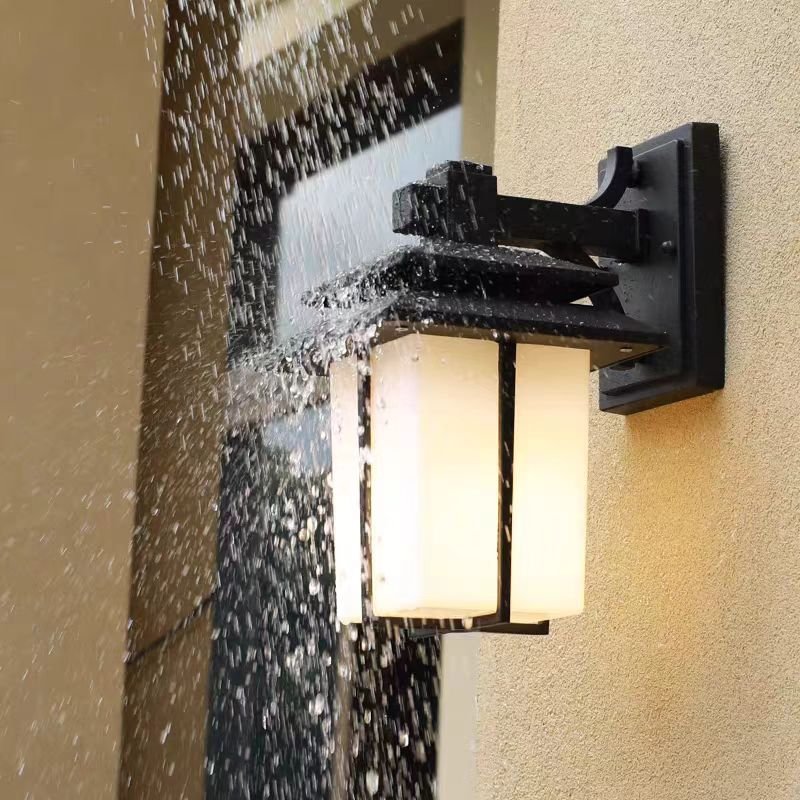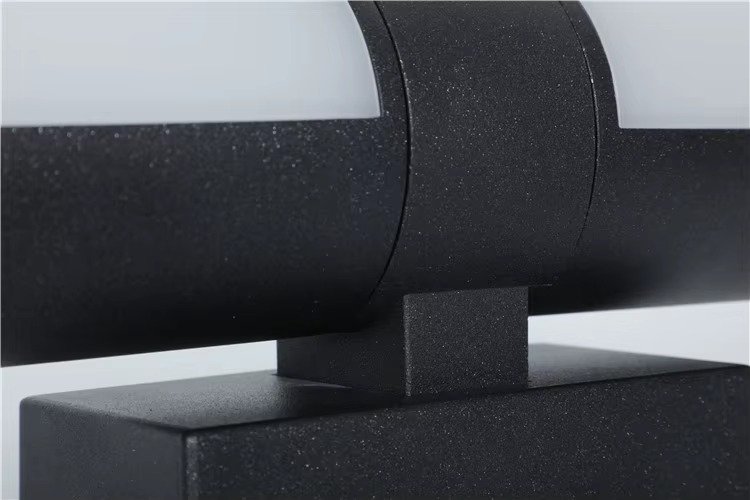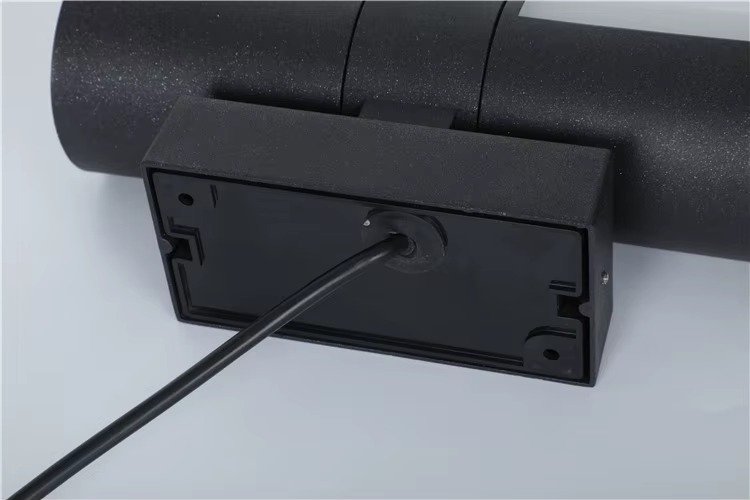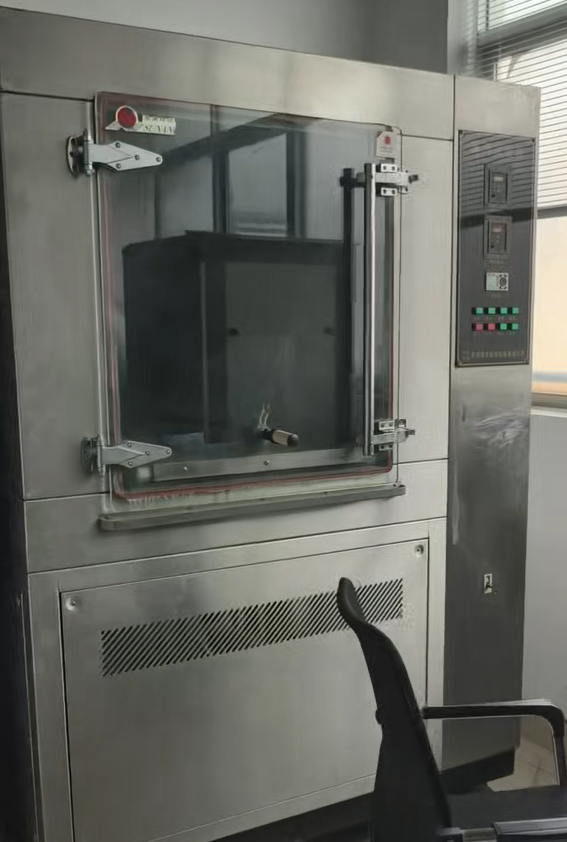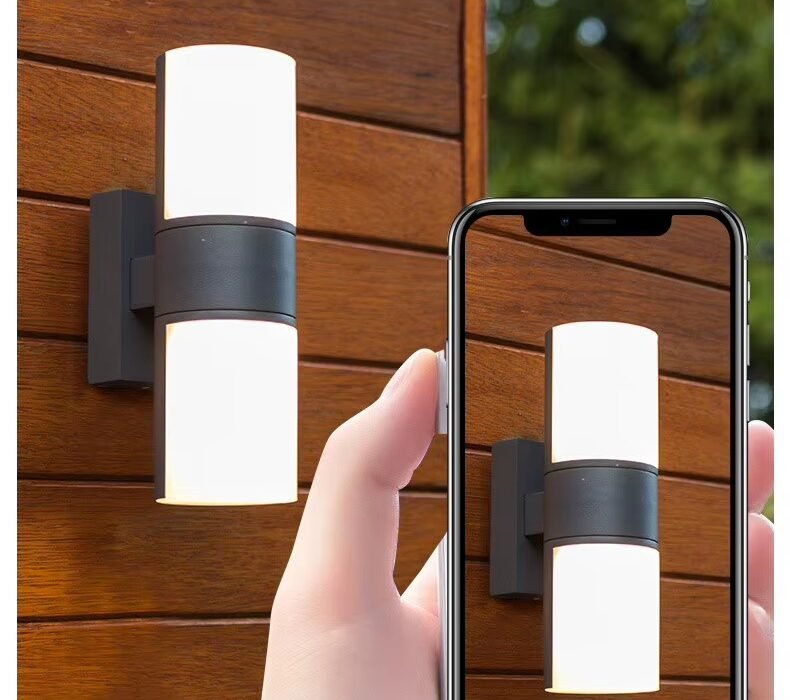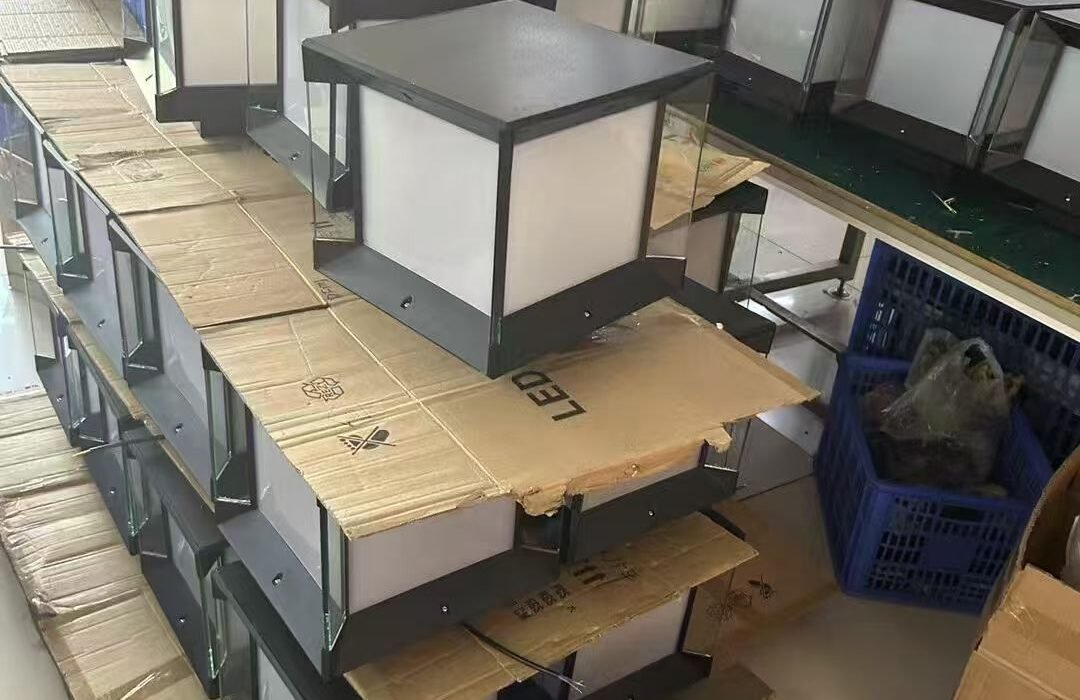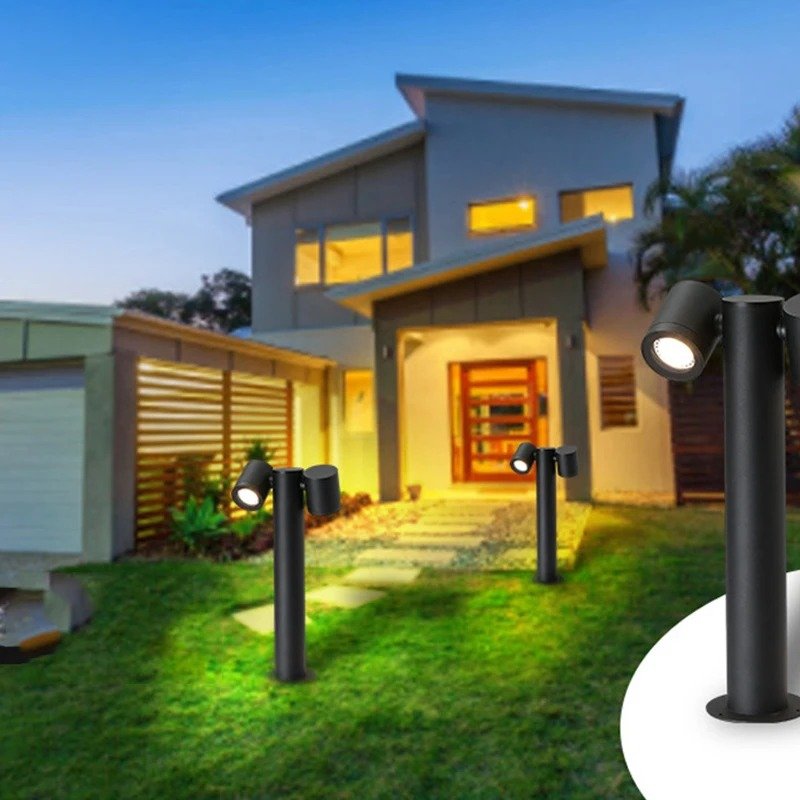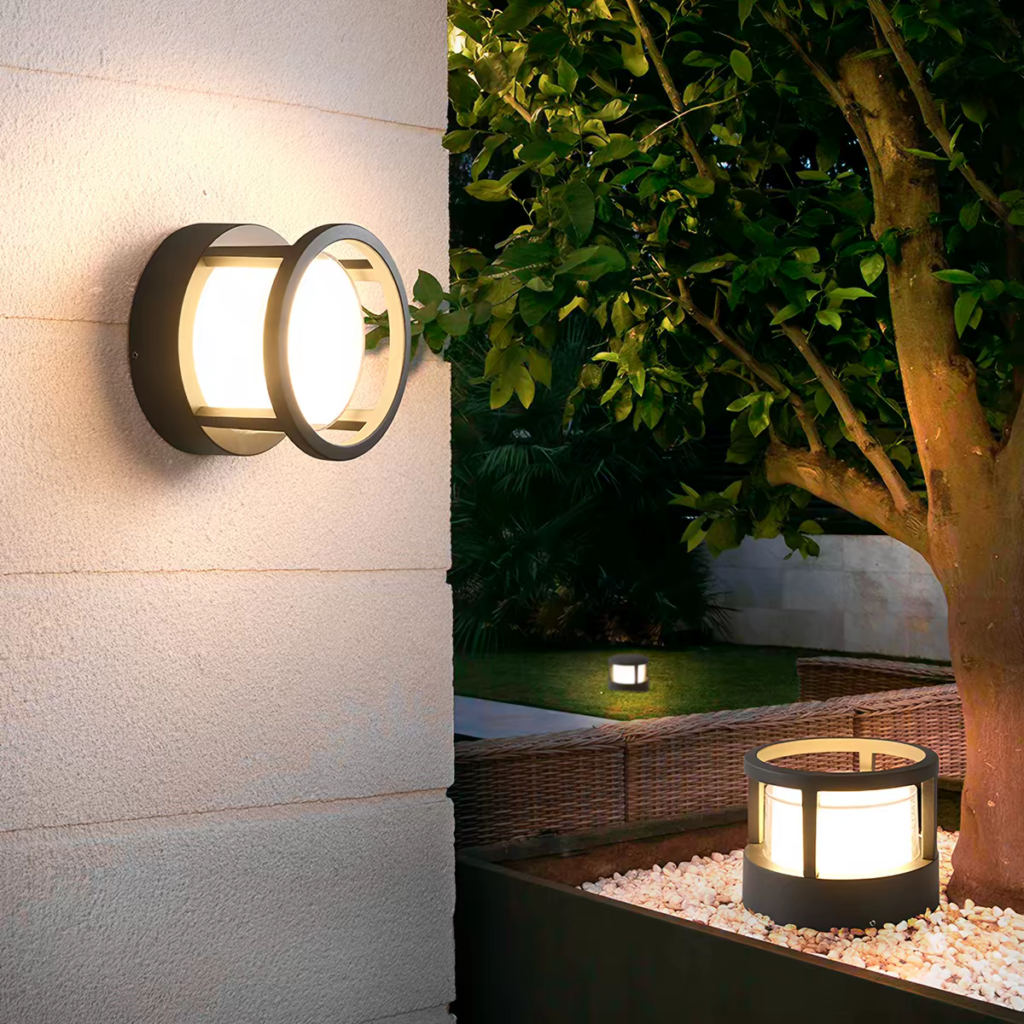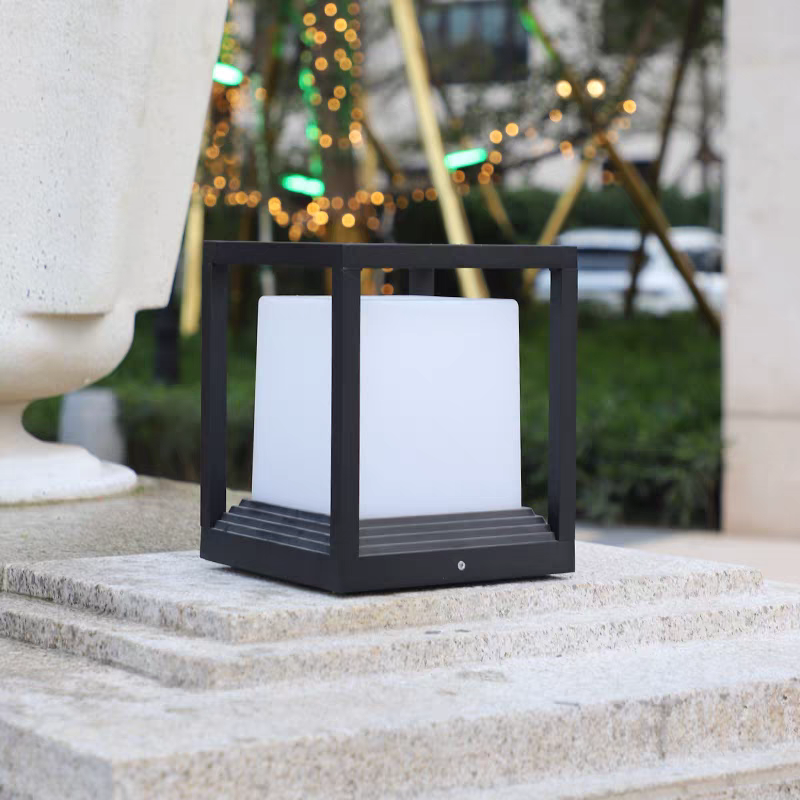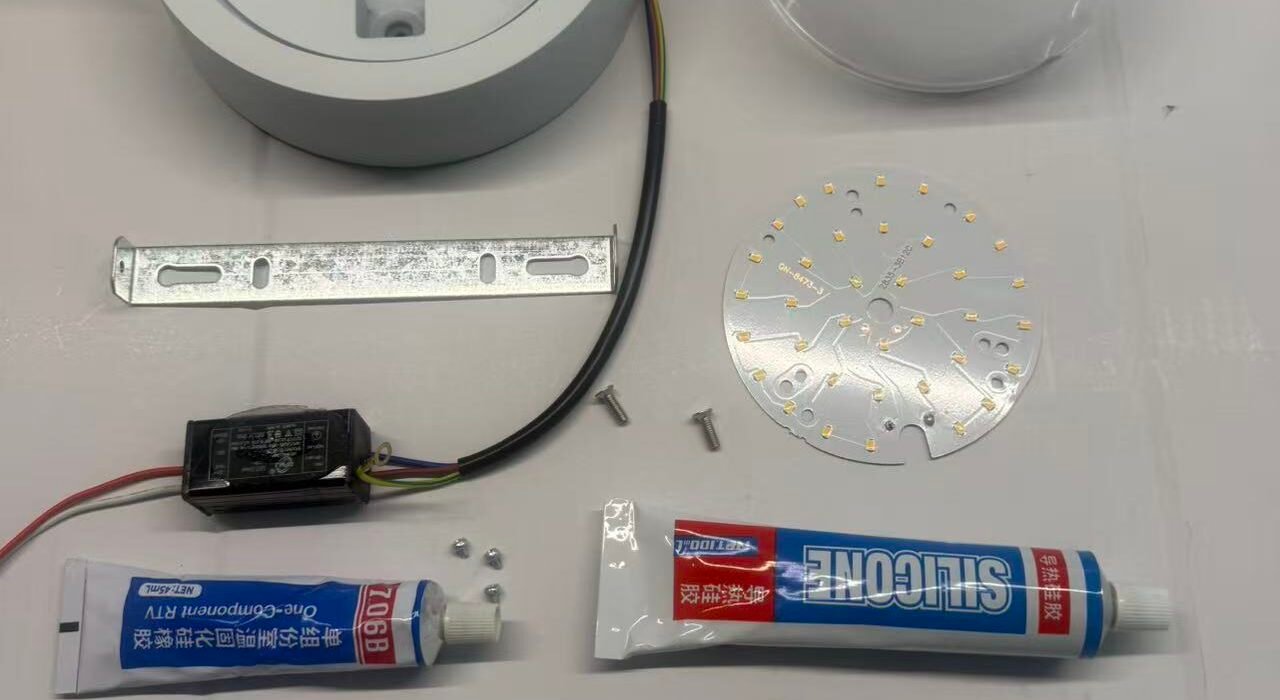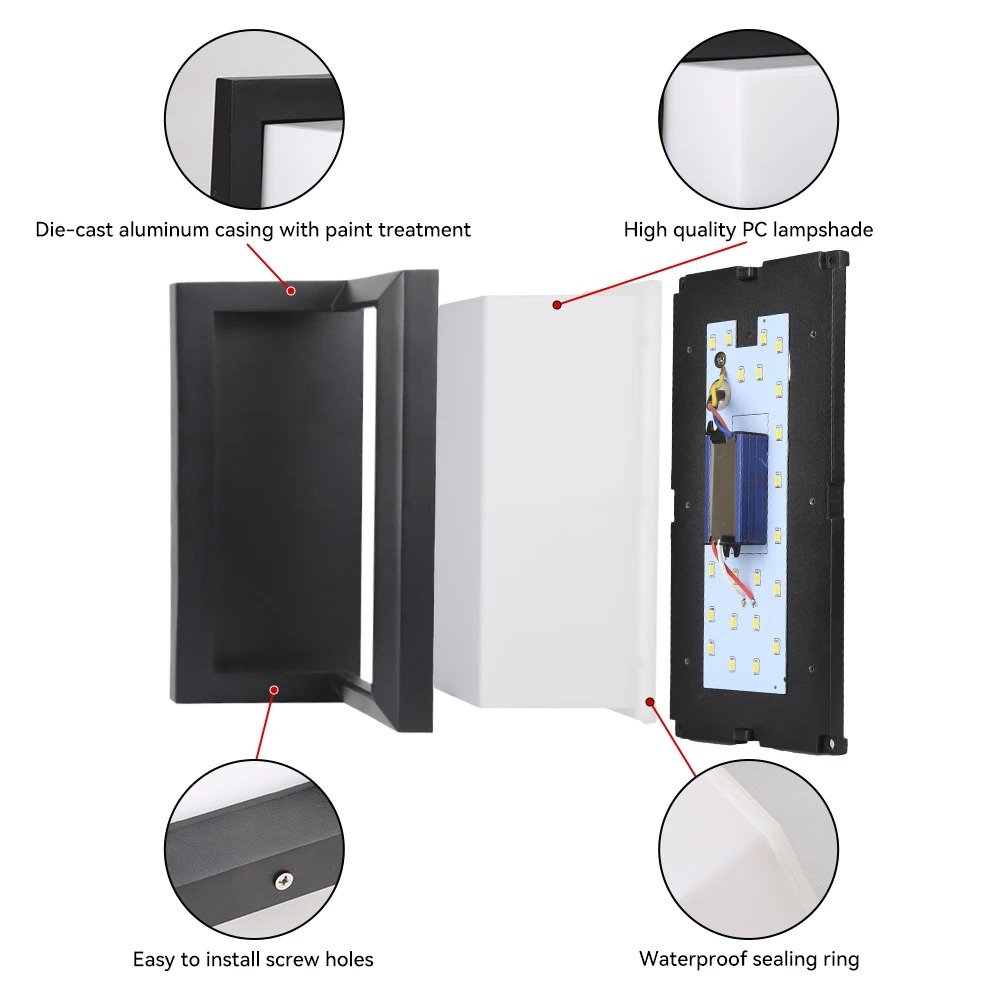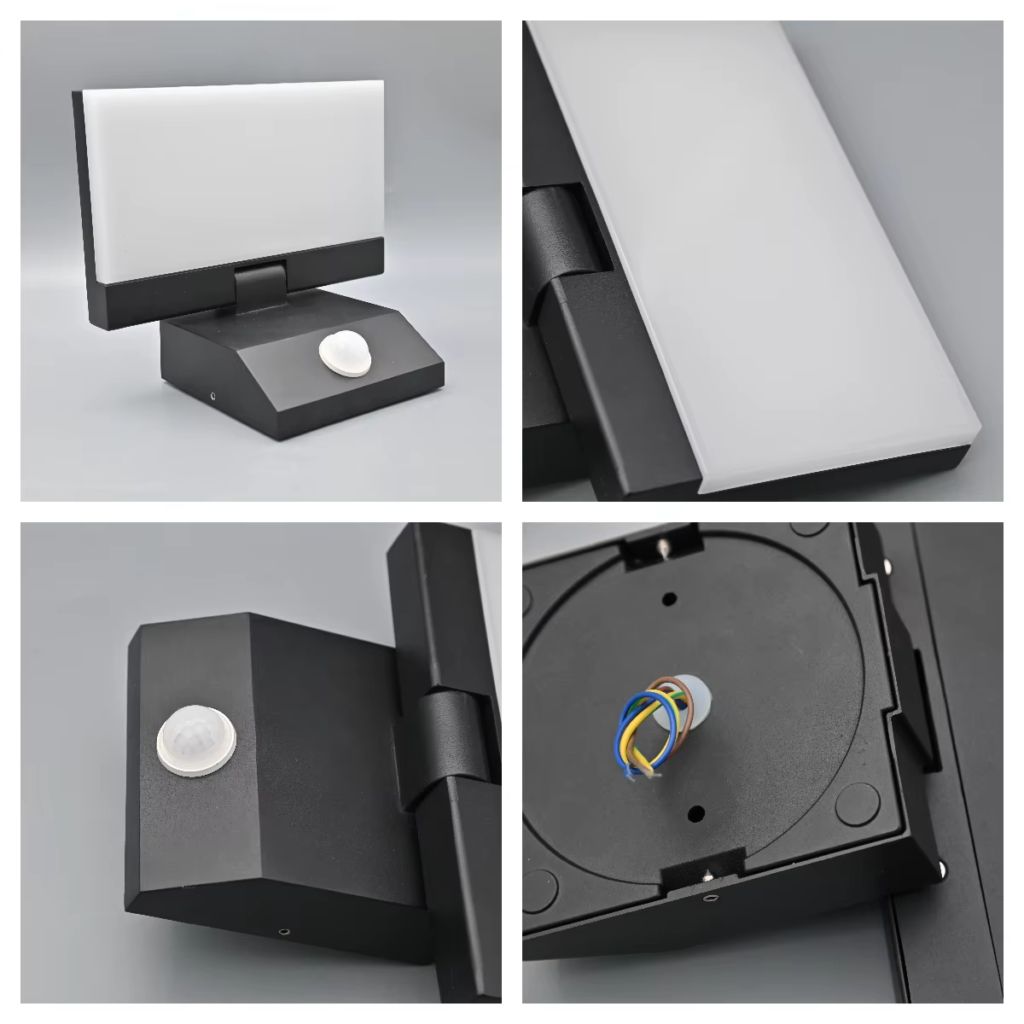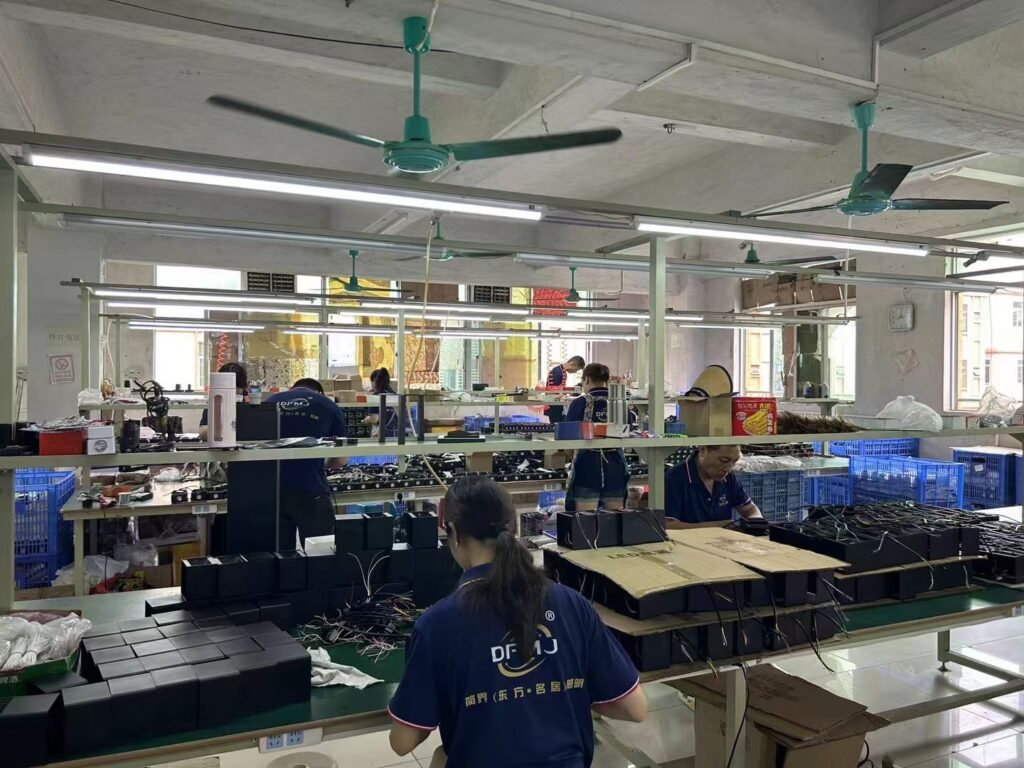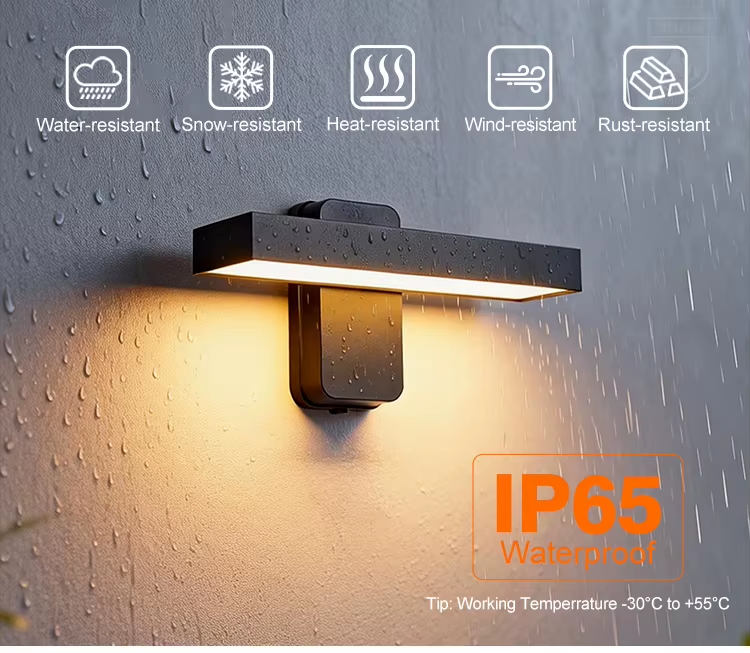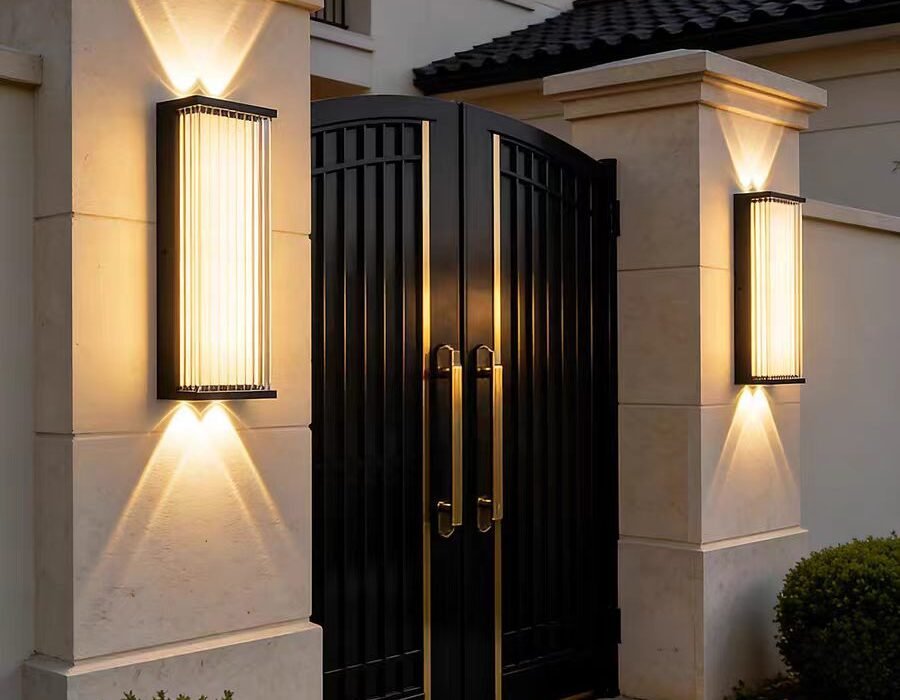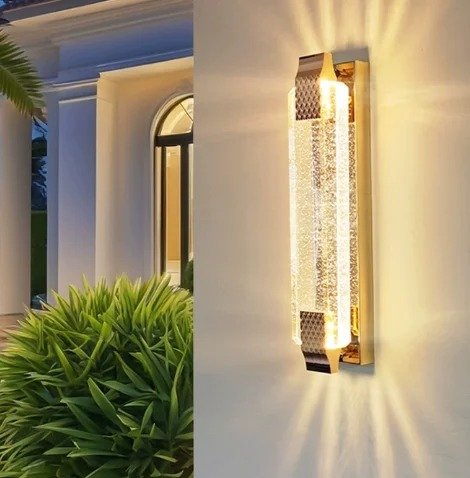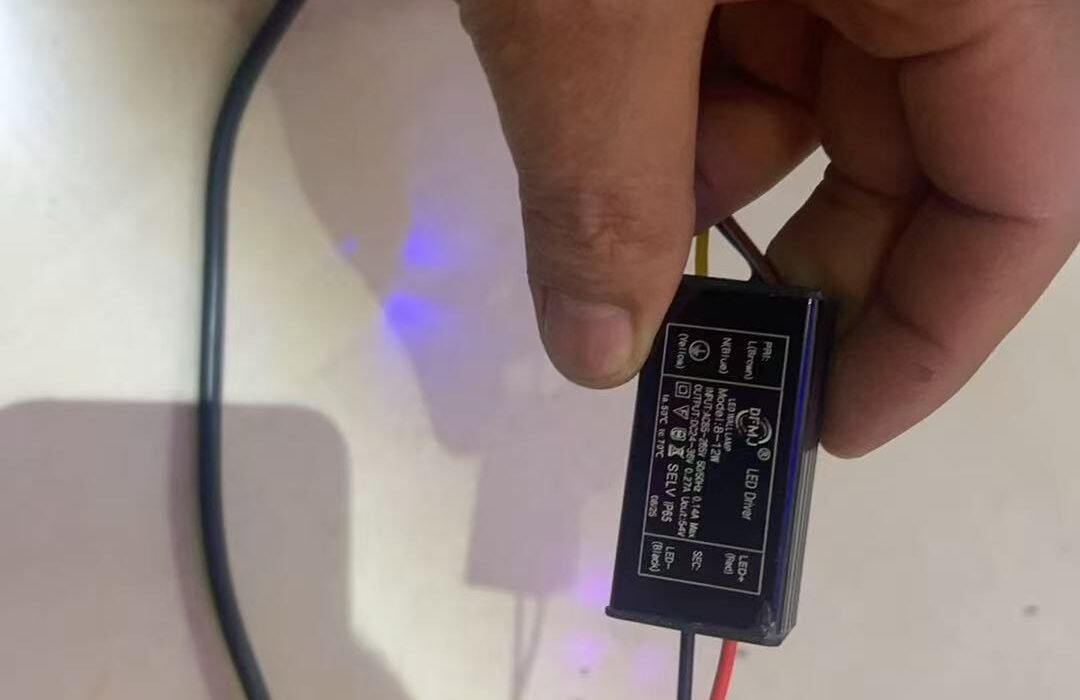

IP65 vs IP66 vs IP67 comparison for outdoor lights

IP65 vs IP66 vs IP67: Which Outdoor Lighting Rating Do You Need?

When buying outdoor lighting, IP65 vs IP66 vs IP67 is one of the most important specifications to understand.

For homeowners, the IP rating helps indicate how well a fixture is protected against dust and water. For wholesalers, distributors, contractors, and project buyers, choosing the wrong rating can create installation problems, warranty claims, and unnecessary replacement costs.

But there is an important point that is often misunderstood:
A higher IP number does not automatically mean the fixture is better for every outdoor application. The right IP rating depends on where and how the light will be installed.

In this guide, DFMJ Lighting explains the difference between IP65, IP66, and IP67 and how to choose the appropriate protection level for different outdoor lighting applications.
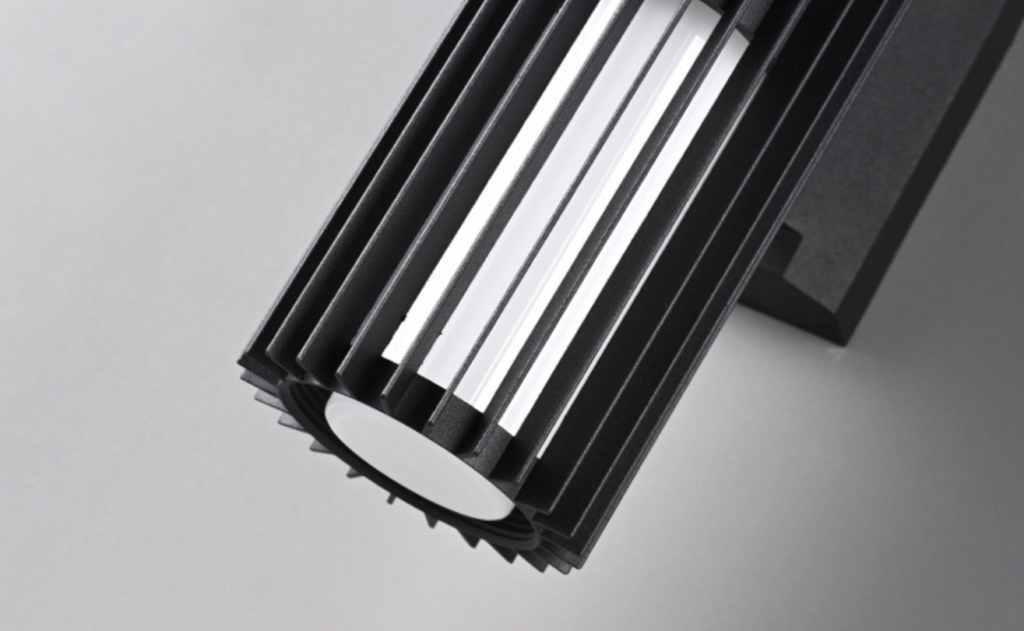
IP65 vs IP66 vs IP67 comparison for outdoor lights

What Does IP Rating Mean for Outdoor Lighting?

IP stands for Ingress Protection. The IP Code is defined by IEC 60529 and classifies the level of protection provided by an enclosure against solids and water.

The two numbers have different meanings:

  • The first digit indicates protection against solid objects and dust.
  • The second digit indicates protection against water.

For example, the “6” in IP65 means the enclosure is dust-tight, while the “5” describes its water protection level.

This is why comparing IP65 vs IP66 vs IP67 should not simply be treated as choosing the biggest number.

The application matters.

IP65 vs IP66 vs IP67: What Is the Difference?

Here is the practical difference buyers should understand:

RatingPractical Water ProtectionTypical Outdoor Application
IP65Protection against water jetsOutdoor wall lights, garden lighting
IP66Protection against more powerful water jetsExposed outdoor and demanding applications
IP67Protection against temporary immersionInground and locations where temporary immersion may occur

P65 is commonly suitable for many exposed outdoor lighting applications where fixtures experience rain and water jets.

IP66 provides a higher level of protection against powerful water jets.

IP67 is designed for temporary immersion under specified test conditions.

However, IP67 should not automatically be interpreted as IP66. Different water protection tests apply to different IP codes, so buyers should check the complete product specification rather than assuming that a higher second digit covers every lower test.

The official IEC 60529 IP Code standard is the appropriate reference when you need to verify the technical definition.
IP65 vs IP66 vs IP67 comparison for outdoor lights

IP65 vs IP66 vs IP67 for Outdoor Wall Lights

For most outdoor wall lighting applications, IP65 can be a practical choice.

Outdoor wall lights are normally mounted vertically on building façades, entrances, balconies, villas, hotels, and commercial buildings. They may be exposed to rain, humidity, dust, and occasional water cleaning.

For these applications, buyers should look beyond the IP number.

The construction of the fixture also matters, including:

  • Housing design
  • Gasket quality
  • Cable entry
  • Glass or PC diffuser
  • Screw and joint design
  • Assembly quality

A fixture can have an appropriate IP rating on paper, but poor assembly or installation can still create problems.

For B2B buyers sourcing architectural exterior lighting, see the DFMJ Outdoor Wall Lights collection for examples of outdoor wall lighting applications.

IP65 vs IP66 vs IP67 for Garden and Landscape Lighting

Garden lighting has different environmental requirements depending on installation location.

A garden light installed above ground may mainly experience rain and humidity. In this situation, IP65 can often provide appropriate protection when the product is correctly designed and installed.

However, landscape projects can contain irrigation systems, drainage areas, low-lying locations, and temporary water accumulation.

This is where project conditions become more important than simply selecting the highest number.

Before ordering garden lighting, ask:

  1. Will the fixture be exposed to direct rain or irrigation?
  2. Could water accumulate around the fixture?
  3. Is the fixture installed above ground or partially below ground?
  4. What type of cable and connector will be used?
  5. Has the complete fixture been tested for the claimed IP rating?

These questions help prevent a common purchasing mistake: choosing a product based only on its specification sheet.

IP65 vs IP66 vs IP67 for Outdoor Inground Lights

Inground lighting deserves special attention because the fixture is installed close to or below ground level.

Water can accumulate around the housing after heavy rain. Drainage conditions may also vary significantly between different projects.

For this reason, IP67 can be more appropriate for some inground lighting applications, depending on the installation environment and product design.

However, IP67 alone does not solve every water-ingress problem.

The surrounding installation is equally important.

Poor drainage, incorrect cable connections, damaged seals, or standing water beyond the product’s intended conditions can still cause failures.

For projects involving inground fixtures, you can explore the DFMJ Outdoor Inground Lights collection.

DFMJ Expert Insight: IP Rating Is Only One Part of Waterproof Performance

At DFMJ Lighting, we do not recommend choosing outdoor lighting based on the IP number alone.

Our view is simple:

IP rating tells you the tested protection level of an enclosure. It does not replace good product engineering.

When we evaluate an outdoor fixture, we pay attention to the entire waterproofing system.

That includes the housing, gasket, joints, cable entry, internal components, assembly process, and the actual environment where the product will be installed.

This is particularly important for B2B projects.

If a distributor purchases 20 fixtures and one fails, the impact may be limited.

If a contractor installs 500 fixtures across a hotel or commercial development, repeated failures can become a significant maintenance and warranty problem.
outside lights for sale waterproof outdoor wall lighting solution

Real Project Tip: Test the Fixture in the Actual Application

Before placing a large outdoor lighting order, do not only ask the supplier:

“Is it IP65 or IP67?”

Ask for the complete testing information and explain your installation environment.

For example, tell your supplier whether the project involves:

  • Heavy rainfall
  • Coastal exposure
  • Irrigation
  • High humidity
  • Hot climates
  • Inground installation
  • Frequent cleaning
  • Temporary water accumulation

Then test samples before bulk production.

At DFMJ Lighting, we recommend evaluating samples for both lighting performance and environmental suitability before a large project order.

The objective is not to buy the highest IP rating.

The objective is to buy the right protection level for the actual application.

Choose the Right Outdoor Lighting Protection Level

So, when comparing IP65 vs IP66 vs IP67, which one should you choose?

For many general outdoor applications, IP65 is a practical starting point.

For locations exposed to stronger water jets, IP66 may provide additional protection.

For applications where temporary immersion is a realistic risk, IP67 may be more appropriate, provided the rest of the installation is designed accordingly.

The best choice depends on the environment, fixture position, drainage, electrical connections, and project requirements.

For professional buyers, the IP number should be the beginning of the evaluation, not the end.

FAQ: IP65 vs IP66 vs IP67

Is IP67 better than IP65 for outdoor lighting?

IP67 provides protection against temporary immersion under specified test conditions, while IP65 is designed for protection against water jets. Neither rating is automatically better for every application.

Is IP65 enough for outdoor wall lights?

For many outdoor wall light applications, IP65 can be suitable because wall-mounted fixtures are generally exposed to rain rather than continuous immersion.

Should inground lights use IP67?

IP67 can be appropriate for some inground applications where temporary water accumulation or immersion may occur. The installation environment and drainage should also be considered.

Does IP67 mean the product is completely waterproof?

No. An IP rating describes protection under specified testing conditions. It should not be treated as a guarantee against every possible water-ingress situation.

What should B2B buyers check besides IP rating?

Buyers should also evaluate housing materials, gasket and sealing design, cable entry, electrical components, testing procedures, installation requirements, operating temperature, and the supplier’s quality-control process.

About DFMJ Lighting

DFMJ Lighting is a China-based outdoor lighting manufacturer serving wholesalers, distributors, contractors, and project buyers.

Our product range includes outdoor wall lights, garden lights, step lights, bollard lights, inground lights, façade lighting, and other outdoor lighting solutions.

With more than 16 years of manufacturing experience, DFMJ Lighting focuses on practical product engineering, material selection, waterproof protection, and quality control.

Our goal is not simply to provide a fixture with a specification on paper.

We help B2B customers select outdoor lighting according to the application, environment, project requirements, and expected long-term performance.
DFMJ Lighting outdoor fixture tested at night for brightness and glare

Need Help Choosing the Right Outdoor Lighting?

If you are unsure whether your project needs IP65, IP66, or IP67, send us your application details.

Tell us where the lights will be installed, the local climate, expected water exposure, and project quantity.

The DFMJ Lighting team can help you identify suitable outdoor lighting solutions for your market or project.

Contact DFMJ Lighting for product recommendations, samples, OEM/ODM solutions, and wholesale quotations.
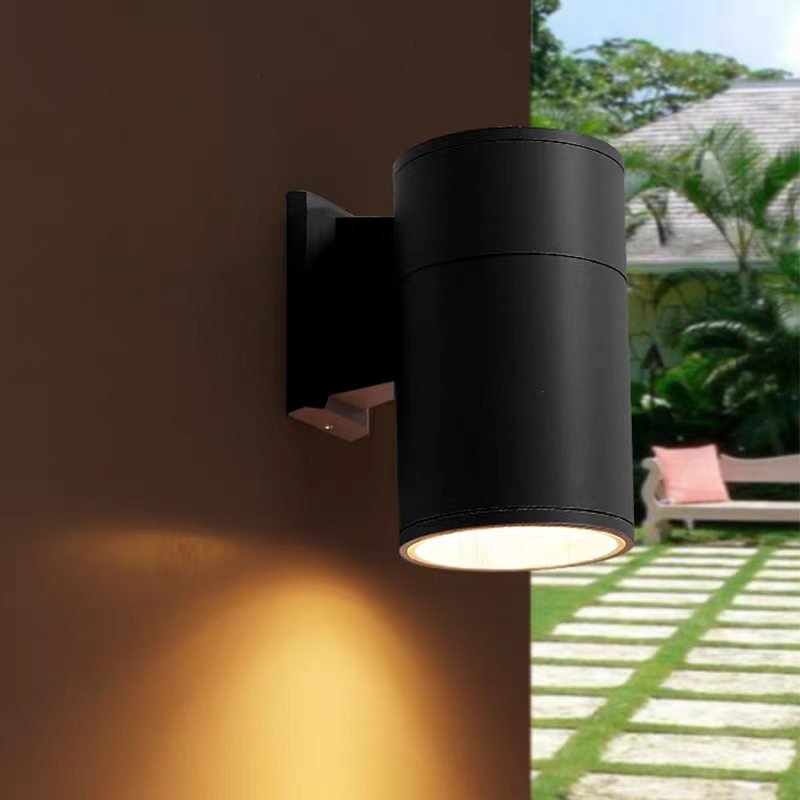
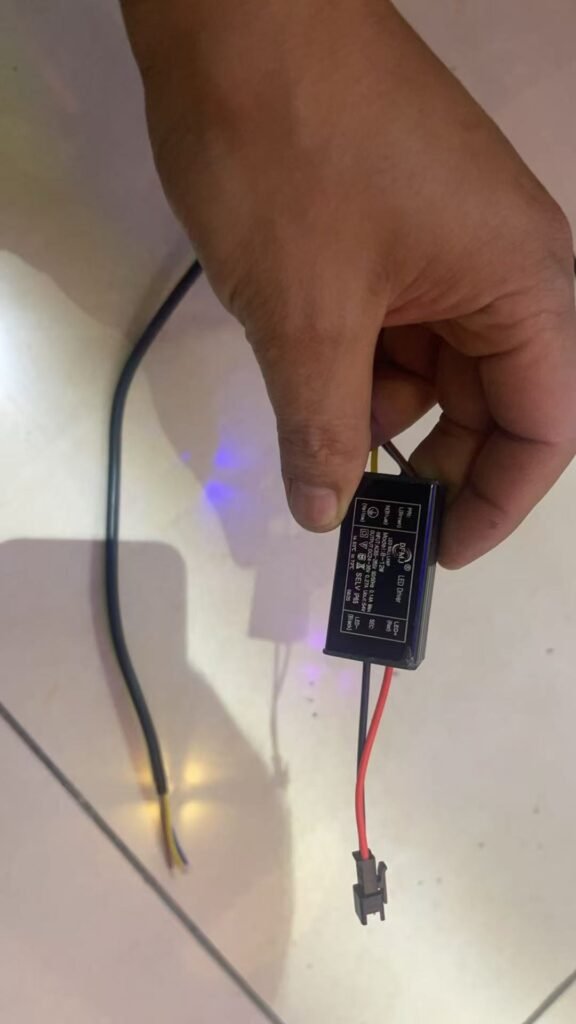
outdoor lights flicker caused by LED driver and electrical problems

Why Do Outdoor Lights Flicker? Causes, Fixes, and Prevention

Outdoor lighting should provide stable, comfortable illumination. But when outdoor lights flicker, the problem can quickly become more than an annoying visual effect.

For homeowners, flickering may indicate an electrical or fixture problem. For wholesalers, contractors, distributors, and project buyers, repeated flickering can lead to customer complaints, unnecessary replacements, warranty claims, and additional installation costs.

So why do outdoor lights flicker?

The cause can be as simple as a loose connection, but it may also involve the LED driver, unstable power, moisture, incompatible controls, or the way the fixture was installed.

Understanding the cause before replacing the entire fixture can save time and money.

outdoor lights flicker caused by LED driver and electrical problems

Why Do Outdoor Lights Flicker?

When outdoor lights flicker, the first step is to determine whether the problem comes from the power supply, electrical connection, control system, or lighting fixture.

The most common causes include:

  1. Loose or damaged electrical connections
  2. LED driver problems
  3. Unstable or unsuitable power supply
  4. Moisture entering the fixture
  5. Incompatible dimmers or controls
  6. Overheating
  7. Poor-quality components

The important point is that flickering does not automatically mean the LED itself has failed.

In many cases, the LED is only showing the symptoms of another problem.

1. Loose Electrical Connections Can Make Outdoor Lights Flicker

A loose connection can interrupt the electrical supply to a fixture.

Outdoor lighting is exposed to vibration, temperature changes, moisture, and repeated expansion and contraction of materials. Over time, poorly secured connections can become unreliable.

If only one fixture is flickering, checking its electrical connections is a logical first step.

For a larger project, however, repeated flickering across multiple fixtures may indicate a broader electrical or product-related issue.

Always have electrical connections inspected by a qualified professional.

2. A Poor LED Driver Can Cause Flickering

LED fixtures rely on drivers to regulate electrical power supplied to the LED source.

If the driver is poorly designed, damaged, overloaded, or incompatible with the power supply, outdoor lights flicker may become a recurring problem.

This is particularly important for B2B buyers.

A lighting fixture should not be evaluated only by its LED chip or wattage. The driver is also a critical part of the system.

When comparing suppliers, ask about the driver specification, input voltage range, operating conditions, and compatibility with the intended installation.

outdoor lights flicker caused by LED driver and electrical problems

3. Power Supply Problems Can Affect Outdoor Lighting

An outdoor lighting project may contain multiple fixtures connected to the same electrical circuit.

If the power supply is unstable or the circuit is not appropriately designed for the connected load, flickering may occur.

This can be particularly relevant in commercial landscaping, hotels, villas, public spaces, and other projects with multiple outdoor fixtures.

If several lights flicker simultaneously, investigate the power supply and circuit before assuming every fixture is defective.

4. Moisture Can Make Outdoor Lights Flicker

Water and electricity are a serious combination.

If moisture enters a fixture, it can affect electrical components, connections, or the driver. Persistent moisture can also contribute to corrosion and eventual component failure.

This is one reason outdoor lights flicker may appear after heavy rain.

If you notice flickering together with condensation, visible water, corrosion, or other signs of moisture, the fixture should be inspected rather than simply switched on repeatedly.

For more information, see our guide:

Outdoor Lights Get Water Inside? 7 Causes and Fixes

outdoor lights flicker caused by LED driver and electrical problems

5. Dimmers and Controls May Not Be Compatible

Not every LED fixture works correctly with every dimmer, sensor, timer, or smart control system.

An incompatible control device can create unstable electrical conditions and cause flickering.

This matters particularly in projects where outdoor lights are connected to:

  • Dimmers
  • Motion sensors
  • Photocells
  • Timers
  • Smart lighting controls

Before selecting fixtures for a project, confirm that the lighting product and control system are compatible.

This is especially important when replacing existing fixtures while keeping the original control equipment.

6. Overheating Can Affect LED Performance

Outdoor fixtures are exposed to both ambient heat and heat generated during operation.

If heat cannot be effectively managed, excessive temperature can affect the driver and other electrical components.

This is one reason housing design matters.

For example, metal housings can provide useful thermal characteristics when properly engineered, while the overall fixture still needs appropriate electrical and thermal design.

For projects in hot climates, buyers should consider operating temperature as part of the product selection process rather than treating it as an afterthought.

7. Low-Quality Components Can Lead to Repeated Flickering

Sometimes the underlying issue is simply inconsistent component quality.

A low-cost fixture may use inexpensive drivers, electrical components, connectors, or internal wiring.

The product may work normally when new, but performance can become unstable after extended operation or exposure to demanding outdoor conditions.

This creates an important lesson for B2B buyers:

The lowest unit price is not always the lowest project cost.

Repeated replacements, labor, shipping, warranty handling, and customer complaints can quickly outweigh the initial price difference.

How to Fix Outdoor Lights That Flicker

The correct solution depends on the cause.

If outdoor lights flicker, start by identifying whether the problem affects one fixture or multiple fixtures.

For a single fixture, check:

  • Electrical connections
  • Driver condition
  • Moisture or condensation
  • Signs of corrosion
  • Compatibility with controls

If multiple fixtures flicker at the same time, investigate:

  • Power supply
  • Circuit loading
  • Control equipment
  • Wiring
  • Installation configuration

Do not repeatedly operate a fixture if there are signs of water ingress, damaged wiring, burning smells, or electrical faults.

Electrical troubleshooting should be performed by a qualified electrician.

DFMJ Expert Insight: Look at the Whole Lighting System

At DFMJ Lighting, we believe flickering should be evaluated as a system problem rather than immediately blaming the LED source.

An outdoor fixture consists of multiple elements working together:

Power supply → driver → LED source → housing → connections → installation environment

If one part is poorly matched to the others, the final lighting performance can suffer.

For B2B buyers, this means asking more questions before placing an order.

Instead of asking only:

How many watts is the light?

Also ask:

What driver is used?

What is the input voltage range?

What is the operating temperature?

How is the fixture protected against outdoor conditions?

Is it compatible with our control system?

These questions help buyers evaluate the complete product rather than only the visible specifications.
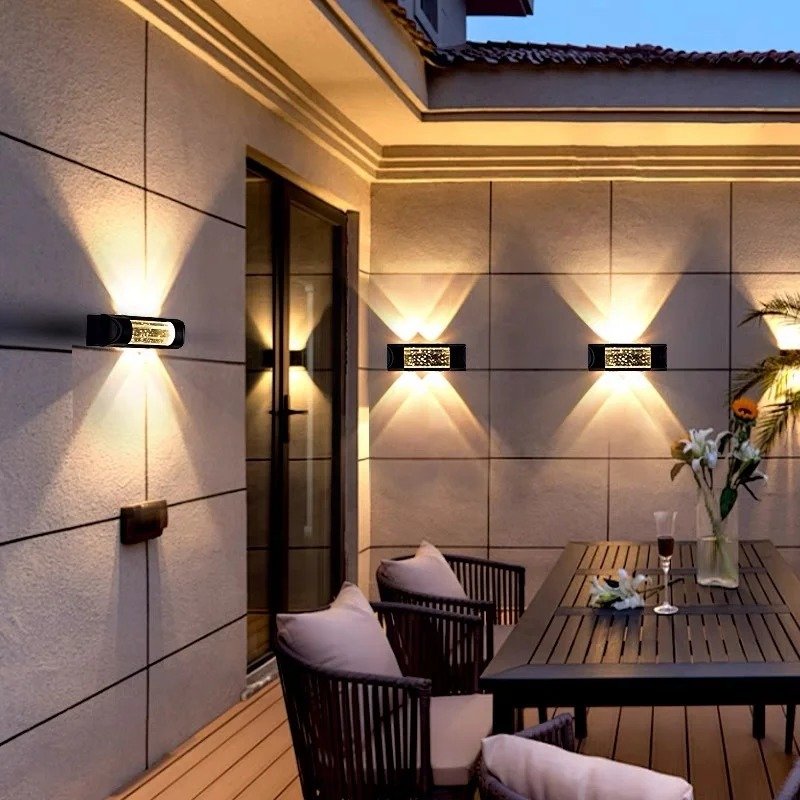
DFMJ Lighting outdoor LED wall light warm white

Real Project Tip: Test Samples Before a Bulk Order

If you are purchasing outdoor lighting for a commercial or landscape project, test samples before committing to a large quantity.

Don’t only test whether the fixture turns on.

Run the fixture for an appropriate period and evaluate its performance under conditions similar to the final installation.

Pay attention to:

  • Flickering
  • Light output stability
  • Driver temperature
  • Housing temperature
  • Connections
  • Moisture protection
  • Compatibility with the project’s controls

For projects in hot, humid, or rainy environments, communicate these conditions clearly to your supplier.

A few tested samples can reveal problems before hundreds of fixtures are installed.

Choose Outdoor Lighting for Long-Term Performance

When outdoor lights flicker, replacing the lamp is not always the right answer.

The real cause may be the driver, power supply, wiring, control system, moisture, heat, or product quality.

For distributors and project buyers, the better strategy is to evaluate the entire lighting system before making a purchasing decision.

This approach can reduce unnecessary replacements and help create more reliable outdoor lighting installations.
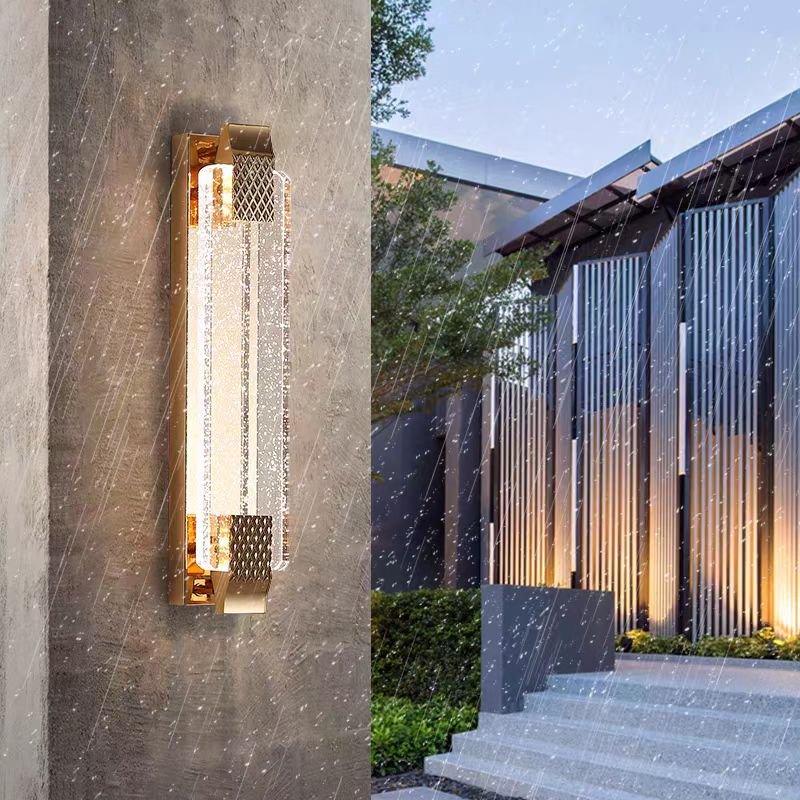
If you are sourcing exterior wall lighting, explore the DFMJ Lighting Outdoor Wall Lights collection.

For landscape applications, you can also explore our Outdoor Inground Lights and other outdoor lighting solutions.
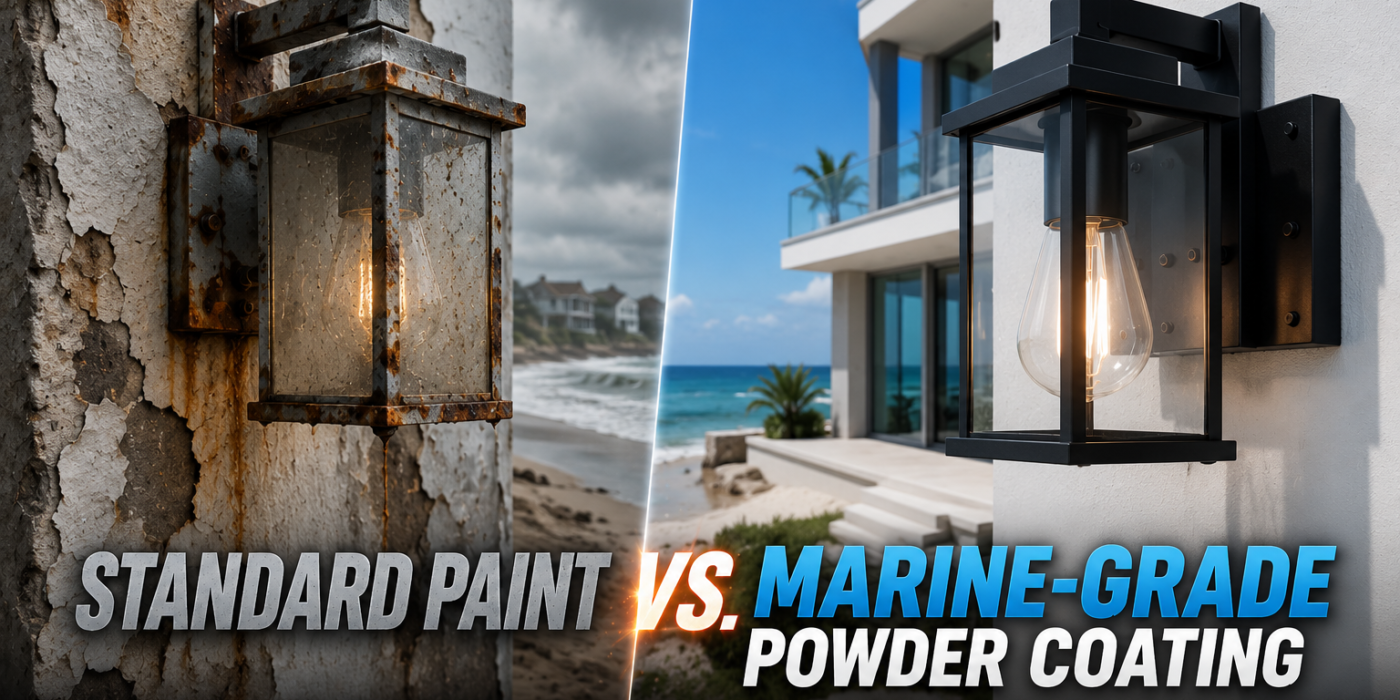
FAQ: Outdoor Lights Flicker

Why do outdoor lights flicker at night?

Possible causes include unstable power, loose connections, LED driver problems, incompatible controls, overheating, or moisture. The exact cause depends on the fixture and installation.

Why do outdoor lights flicker after rain?

Moisture may have entered the fixture, cable connection, or electrical system. If flickering appears after heavy rain, inspect the installation and fixture for signs of water ingress.

Can a bad LED driver cause flickering?

Yes. A damaged, overloaded, poorly designed, or incompatible LED driver can cause unstable LED operation and visible flickering.

Do LED outdoor lights flicker more than traditional lights?

LED fixtures can show noticeable flickering when their driver or power supply is poorly matched to the application. However, well-designed LED systems can provide stable lighting performance.

How can I prevent outdoor lights from flickering?

Choose reliable fixtures and drivers, verify electrical compatibility, use appropriate installation methods, protect connections from moisture, and test samples before large-scale installation.

About DFMJ Lighting

DFMJ Lighting is a China-based outdoor lighting manufacturer serving wholesalers, distributors, contractors, and project buyers.

Our product range includes outdoor wall lights, garden lights, bollard lights, step lights, inground lights, façade lighting, and other exterior lighting solutions.
With more than 15 years of production experience, DFMJ Lighting focuses on practical product construction, material selection, waterproof protection, and project-specific requirements.

Our goal is not simply to supply an outdoor light that works when it leaves the factory.

We aim to help B2B customers select lighting products that are appropriate for their application, environment, installation conditions, and project requirements.

DFMJ Lighting outdoor fixture tested at night for brightness and glare

Need Reliable Outdoor Lighting for Your Project?

If outdoor lights flicker repeatedly, don’t simply replace the fixture without identifying the underlying cause.

A reliable outdoor lighting solution starts with the right combination of product design, electrical components, environmental protection, and installation.

If you are sourcing outdoor lighting for a villa, hotel, commercial building, landscape project, or distribution business, contact DFMJ Lighting to discuss your requirements.

Contact DFMJ Lighting


Related Articles

Outdoor Lights Keep Failing? 7 Causes and How to Prevent It

Outdoor Lights Get Water Inside? 7 Causes and Fixes

Why Do Outdoor Lights Trip After Rain? Causes, Fixes, and How to Prevent Water Damage

Outdoor Lights Too Bright? Causes, Fixes & Better Lighting

Outdoor Lights Yellowing? 7 Causes, Materials & Prevention Tips

Why Do Outdoor Lights Turn Yellow? Causes, Materials, and How to Prevent It

Have you noticed your outdoor lights turning yellow after months or years of outdoor use?

When outdoor lights yellowing becomes visible, the problem is usually more than a cosmetic issue. A yellowed lens or diffuser can change the appearance of the fixture, reduce visual clarity, affect light distribution, and make an otherwise well-designed outdoor project look older than it should.

For homeowners, this can be frustrating. For wholesalers, distributors, contractors, and project buyers, premature yellowing can create customer complaints, warranty issues, and replacement costs.

So why do outdoor light covers turn yellow?

The answer often comes down to material selection, UV exposure, heat, product construction, and environmental conditions.

Understanding these factors can help B2B buyers choose outdoor lighting that maintains its appearance and performance for longer.

Why Are Outdoor Lights Yellowing?

When outdoor lights yellowing appears after prolonged outdoor use, UV radiation is often one of the first factors to investigate.

Outdoor fixtures are exposed to sunlight, temperature changes, humidity, rain, dust, and heat. Over time, these conditions can affect polymers and other transparent materials used for lenses, diffusers, and covers.

Common causes include:

  1. UV exposure
  2. Excessive heat
  3. Low-quality plastic materials
  4. Material aging
  5. Poor surface protection
  6. Chemical or environmental exposure
  7. Unsuitable material selection for the application

The important point is that not every transparent plastic performs the same way outdoors.

1. UV Exposure Can Cause Outdoor Lights to Turn Yellow

Ultraviolet radiation from sunlight can gradually affect some plastic materials.

Long-term UV exposure may cause changes in the molecular structure of certain polymers. Depending on the material and formulation, this can lead to yellowing, reduced transparency, brittleness, or surface degradation.

This is one of the main reasons outdoor lights yellowing can become noticeable after extended outdoor exposure.

For outdoor lighting projects, buyers should therefore ask what material is used for the lens or diffuser and whether it is designed for outdoor UV exposure.

A material that performs well indoors may not provide the same long-term performance outdoors.

Outdoor Lights Yellowing UV exposure causing outdoor light diffuser yellowing

2. Heat Can Accelerate Material Aging

UV exposure is not the only factor.

Heat can also accelerate material aging.

Outdoor lighting fixtures may operate for many hours, while direct sunlight can further increase the temperature around the fixture. If the material is not suitable for the operating environment, prolonged heat exposure can contribute to discoloration or degradation.

This is why thermal design matters even when discussing an apparently simple issue such as yellowing.

A well-designed outdoor fixture should consider the relationship between:

Light source + heat + housing + lens material + environment

rather than treating each component separately.

3. Material Choice Makes a Major Difference

One of the most important questions when outdoor lights yellowing occurs is:

What is the lens or diffuser made from?

Common materials used in outdoor lighting include acrylic, polycarbonate, glass, and other engineered polymers.

Their optical properties, impact resistance, UV performance, heat resistance, and long-term appearance can vary significantly.

For B2B buyers, the cheapest transparent material is not necessarily the most economical choice.

If a diffuser becomes yellow and needs to be replaced after a relatively short period, the total cost may become much higher than choosing a more suitable material from the beginning.

4. Polycarbonate and Acrylic Are Not Automatically the Same

Polycarbonate and acrylic are both widely used in lighting, but they have different performance characteristics.

Polycarbonate is known for its impact resistance and is widely used where mechanical strength is important. However, its outdoor UV performance depends heavily on the specific grade, formulation, and UV stabilization.

Acrylic can provide excellent optical clarity and is commonly used in lighting applications, but its performance also depends on the exact material and application.

Therefore, simply saying “PC” or “acrylic” does not tell a buyer everything they need to know.

For B2B purchasing, it is better to ask about the specific material grade, UV resistance, application conditions, and testing.

Outdoor Lights Yellowing polycarbonate vs acrylic materials for outdoor lighting

5. Glass Can Be a Different Option

Glass is another material used for outdoor lighting covers.

Compared with some plastics, glass can provide strong resistance to UV-related discoloration and excellent optical stability.

However, glass also has different characteristics, including weight, impact behavior, processing requirements, and design considerations.

That means the decision should not simply be:

Glass is better than plastic.

Instead, the right material depends on the project.

For a commercial landscape project, a contractor may prioritize impact resistance. For an architectural project, optical clarity and long-term appearance may be more important.

DFMJ Expert Insight: Material Selection Is Part of Product Design

At DFMJ Lighting, we believe the material of a lens or diffuser should be selected according to the actual application rather than simply based on cost.

When developing outdoor lighting, we consider factors such as:

UV exposure + operating temperature + optical performance + mechanical requirements + outdoor environment

This is particularly important for products that will be installed in locations with strong sunlight or high temperatures.

A transparent component may look excellent when the product leaves the factory, but the real question for a B2B buyer is:

How will it look after years of outdoor exposure?

That is why material selection should be discussed before mass production, especially for projects where appearance and consistency are important.

For more background on the differences between glass and plastic lighting covers, see our related guide on tempered glass vs plastic for outdoor lighting.

Real Project Tip: Test Materials Before a Large Order

If you are a distributor, contractor, or project buyer concerned about outdoor lights yellowing, do not evaluate a lens only by looking at a new sample.

A new product can look almost identical to another product when both are fresh from the factory.

The difference may only become visible after extended exposure.

Before placing a large order, ask your supplier about:

  • Lens or diffuser material
  • UV resistance
  • Operating temperature
  • Outdoor application conditions
  • Material grade
  • Relevant test reports
  • Expected long-term appearance

If your project is located in a region with strong sunlight, high temperatures, or long outdoor operating hours, communicate these conditions to the manufacturer.

For larger projects, material testing or sample evaluation can help reduce the risk of unexpected discoloration later.

How to Prevent Outdoor Lights Yellowing

If you want to reduce the risk of outdoor lights yellowing, start with the material rather than waiting for discoloration to appear.

A practical approach is to:

  • Choose materials designed for outdoor use
  • Consider UV exposure before selecting the lens
  • Check the material grade rather than only the material name
  • Consider operating temperature
  • Evaluate the fixture’s thermal design
  • Request relevant material or product testing information
  • Test samples under conditions similar to the final application

Most importantly, don’t choose an outdoor light only by comparing unit prices.

The real cost includes product life, appearance, maintenance, replacement, installation, and customer satisfaction.

How DFMJ Lighting Approaches Outdoor Lighting Materials

At DFMJ Lighting, outdoor lighting is designed with the real installation environment in mind.

Our product range includes outdoor wall lights, garden lights, bollard lights, step lights, façade lighting, and other exterior lighting products.

For B2B buyers, material selection is part of the product discussion.

Depending on the project, we can evaluate requirements such as:

  • Outdoor exposure
  • UV conditions
  • Temperature
  • Desired light appearance
  • Mechanical requirements
  • Installation environment
  • Project quantity

This helps buyers move from simply asking for “a cheap outdoor light” to specifying a product that is appropriate for the actual project.

Explore the DFMJ Lighting Outdoor Wall Lights collection if you are sourcing exterior wall lighting for residential or commercial projects.

DFMJ Lighting outdoor LED wall light warm white

FAQ: Outdoor Lights Yellowing

Why do outdoor lights turn yellow?

Outdoor lights can turn yellow because of long-term UV exposure, heat, material aging, chemical exposure, or the use of materials that are not well suited to outdoor conditions.

Does polycarbonate turn yellow outdoors?

Polycarbonate can experience UV-related degradation if the specific material is not adequately stabilized or protected. Outdoor performance depends on the grade, formulation, UV protection, and environmental conditions.

Is acrylic better than polycarbonate for outdoor lights?

Neither material is automatically better for every application. Acrylic can provide excellent optical clarity, while polycarbonate is known for impact resistance. The appropriate choice depends on the project’s environmental and performance requirements.

Does glass prevent outdoor lights from yellowing?

Glass generally has strong resistance to UV-related discoloration, but it also has different weight and impact characteristics compared with plastic. The best material depends on the application.

How can I prevent outdoor lights from turning yellow?

Choose an appropriate outdoor-grade material, consider UV exposure and operating temperature, verify the material specification, and test samples before placing a large order.

About DFMJ Lighting

DFMJ Lighting is a China-based outdoor lighting manufacturer serving wholesalers, distributors, contractors, and project buyers.

Our product range covers outdoor wall lights, garden lighting, bollard lights, step lights, façade lighting, and other exterior lighting solutions.

With manufacturing experience in outdoor lighting, DFMJ Lighting focuses on practical product construction, material selection, waterproof protection, and project-specific requirements.

For B2B buyers, our goal is not simply to provide an outdoor fixture at a competitive price.

We aim to help customers select products that are appropriate for the environment, application, performance requirements, and project budget.

DFMJ Lighting outdoor fixture tested at night for brightness and glare

Need Outdoor Lighting Designed for Your Project?

If your outdoor lights yellowing problem is affecting an existing project, replacing the fixture may only solve the visible symptom.

The better approach is to identify the underlying cause and evaluate the material, UV exposure, heat, and product construction.

If you are sourcing outdoor lighting for a villa, hotel, commercial building, landscape project, or distribution business, contact DFMJ Lighting to discuss your requirements.

Contact DFMJ Lighting for outdoor lighting solutions


Related Articles

Outdoor Lights Keep Failing? 7 Causes and How to Prevent It

Outdoor Lights Get Water Inside? 7 Causes and Fixes

Outdoor Lights Too Bright? Causes, Fixes & Better Lighting

Why Do Outdoor Lights Trip After Rain? Causes, Fixes, and How to Prevent Water Damage

Modern LED Outdoor Wall Light DF6001 with bubble crystal glass

Outdoor Lights Get Water Inside? 7 Causes and How to Fix Them

Have you noticed that outdoor lights get water inside after heavy rain, cleaning, or sudden temperature changes?

A small amount of moisture may seem harmless, but persistent water inside an outdoor fixture can lead to corrosion, flickering, driver failure, short circuits, and eventually complete fixture failure.

For homeowners, this can mean replacing a fixture more than once. For wholesalers, distributors, contractors, and project buyers, the cost can be much higher because repeated failures may create warranty claims, additional installation work, project delays, and unhappy customers.

So why do outdoor lights get water inside, even when they are advertised as waterproof?

The answer is not always simply a low IP rating. Water ingress can come from sealing problems, cable entries, installation mistakes, condensation, material aging, or an environment that is more demanding than expected.

Understanding these causes can help B2B buyers select more reliable outdoor lighting.

outdoor lights get water inside due to water ingress

Why Do Outdoor Lights Get Water Inside?

When outdoor lights get water inside, there is usually a path through which moisture has entered or accumulated.

Common causes include:

  1. Poor or damaged sealing
  2. Weak cable entry points
  3. Incorrect installation
  4. Temperature changes and condensation
  5. Poor housing construction
  6. Aging materials
  7. Using the fixture outside its intended environment

The important point is that waterproof performance depends on the complete fixture construction, not just one specification.

1.Poor Sealing Can Allow Water Ingress

A gasket or sealing ring creates an important barrier between the internal components and the outdoor environment.

If the gasket is poorly designed, incorrectly installed, compressed unevenly, or damaged during assembly, water can eventually find a path into the housing.

For this reason, buyers should pay attention to how the housing is assembled and sealed rather than looking only at the IP number.

A properly designed outdoor fixture should maintain its protective structure throughout normal installation and operation.

outdoor light sealing design preventing water ingress

2.Cable Entry Points Are Often Overlooked

The fixture housing may be well sealed, but the cable entry can still become a weak point.

Outdoor cables and connectors are exposed to rain, humidity, and temperature changes. If the cable gland, connector, or entry point is not properly protected, moisture can travel into the fixture.

This is particularly important for landscape lighting, wall lights, garden lights, and other fixtures installed in exposed locations.

When evaluating outdoor lighting, ask the supplier how cables and electrical connections are protected.

waterproof cable entry for outdoor LED lighting

3.Temperature Changes Can Cause Condensation

Not all moisture inside an outdoor light necessarily comes directly from rain.

Temperature changes can also contribute to condensation.

When a fixture becomes warm during operation and then cools rapidly after being switched off, changes in internal and external air conditions can create moisture.

This means a fixture can experience internal condensation even when there is no obvious crack or visible opening.

For outdoor lighting projects, environmental conditions and fixture construction should therefore be considered together.

4.Poor Housing Construction Can Create Weak Points

Outdoor fixtures are exposed to wind, rain, dust, UV radiation, and repeated temperature changes.

A poorly constructed housing may develop gaps or weaknesses over time.

Material quality, housing design, joints, screws, sealing surfaces, and surface treatment all contribute to the long-term performance of an outdoor fixture.

For example, die-cast aluminum is commonly used for outdoor lighting because it provides a strong housing and can support effective thermal management when properly designed.

5.Aging Seals and Materials Can Reduce Protection

Even a well-sealed fixture can experience material aging.

Continuous exposure to sunlight, heat, moisture, and temperature fluctuations can affect certain plastics, rubber seals, coatings, and other components.

This is why long-term outdoor performance should be considered when selecting lighting for commercial or landscape projects.

A product that performs well during initial testing still needs suitable materials and construction for the intended operating environment.

6.Installation Can Cause Water Ingress

Sometimes the fixture is not the only issue.

Incorrect installation can compromise waterproof protection.

Examples include:

  • Damaging a gasket during installation
  • Leaving cable connections exposed
  • Installing the fixture in an unsuitable orientation
  • Creating water collection points
  • Failing to follow the manufacturer’s installation instructions

For B2B projects, installation instructions should therefore be considered part of the product solution.

7.The Environment May Be More Demanding Than Expected

A fixture installed under a covered entrance does not experience the same conditions as one installed beside a swimming pool, in a coastal area, or in an exposed landscape.

Salt air, high humidity, heavy rainfall, dust, and direct sunlight can increase the demands placed on outdoor lighting.

The correct fixture should therefore be selected according to the actual project environment, not simply the product category.

What Does the IP Rating Tell You?

When buying outdoor lighting, you will often see ratings such as IP65 or IP67.

The IP Code is defined under IEC 60529, which classifies degrees of protection provided by enclosures against specific external conditions.

IEC 60529 IP Code standard from the International Electrotechnical Commission

However, an IP rating should not be interpreted as a guarantee that a fixture can never experience water-related problems.

The rating is only one part of the evaluation.

Buyers should also consider:

  • Housing construction
  • Sealing design
  • Cable entry protection
  • Material quality
  • Installation method
  • Environmental conditions
  • Product testing and quality control

This is particularly important for large B2B projects where replacing hundreds of installed fixtures can be expensive.

DFMJ Expert Insight: Waterproofing Is a System

At DFMJ Lighting, we believe waterproof performance should be evaluated as a complete system.

A reliable outdoor fixture needs more than an IP number.

The housing, sealing surfaces, cable entry, electrical components, materials, assembly process, and installation conditions all work together.

For example, an outdoor wall light may have a strong aluminum housing, but if the cable entry is poorly protected, moisture can still create problems.

That is why we recommend that B2B buyers look beyond catalog specifications and ask suppliers about the actual construction of the fixture.

For projects requiring wall-mounted exterior lighting, you can explore the DFMJ Lighting Outdoor Wall Lights collection.

DFMJ Lighting outdoor LED wall light warm white

Real Project Tip: Test Outdoor Lights Before a Large Order

If you are a distributor, contractor, or project buyer, request samples before placing a large outdoor lighting order.

Do not only test whether the lamp turns on.

Check the fixture under conditions similar to the final application.

Look at:

  1. Housing and sealing construction
  2. Cable entry and connector protection
  3. Surface finish and material quality
  4. Light performance after extended operation
  5. Condensation or moisture after temperature changes
  6. Installation requirements
  7. Suitability for the project’s climate and location

For coastal, tropical, or high-rainfall projects, discuss environmental conditions with the manufacturer before finalizing the product specification.

A sample test is much less expensive than replacing a large quantity of installed fixtures.

DFMJ Lighting waterproof outdoor light testing

How to Prevent Outdoor Lights From Getting Water Inside

If outdoor lights get water inside, replacing the fixture without identifying the cause may lead to the same problem again.

A better approach is to:

  1. Select an appropriate IP-rated fixture
  2. Check the sealing and housing construction
  3. Protect cable entry points
  4. Follow installation instructions carefully
  5. Choose materials suitable for the environment
  6. Test samples before bulk purchasing
  7. Match the fixture to the actual application

The goal is not simply to find a waterproof number.

The goal is to select an outdoor lighting product that can reliably handle the conditions where it will be installed.

FAQ: Outdoor Lights Get Water Inside


Why do outdoor lights get water inside after rain?

Possible causes include damaged seals, poorly protected cable entries, housing gaps, incorrect installation, or unsuitable fixture construction. Condensation caused by temperature changes can also create moisture inside a fixture.

Does IP65 mean an outdoor light is completely waterproof?

No. IP65 indicates a defined level of protection against dust and water under standardized testing conditions. It does not mean the fixture can never experience moisture-related problems.

Is IP67 better than IP65 for outdoor lighting?

IP67 provides a higher level of protection against temporary immersion than IP65. However, the appropriate rating depends on the actual application and installation environment.

Can condensation damage outdoor LED lights?

Yes. Persistent moisture or condensation can contribute to corrosion, electrical problems, driver failure, and other performance issues.

How can I prevent water from entering outdoor lights?

Choose appropriately rated fixtures, verify sealing and cable-entry construction, follow installation instructions, and select products designed for the actual environmental conditions.

About DFMJ Lighting

DFMJ Lighting provides outdoor lighting solutions for wholesalers, distributors, contractors, and project buyers.

Our product range includes outdoor wall lights, garden lights, bollard lights, step lights, façade lighting, and other exterior lighting products.

With manufacturing experience in outdoor lighting, DFMJ Lighting focuses on practical product construction, waterproof protection, material selection, and project-specific requirements.

For B2B buyers, our objective is not simply to provide a fixture with an attractive specification sheet. We aim to help customers select outdoor lighting that matches the application, environment, and installation conditions.

Need Reliable Outdoor Lighting for Your Project?

If your outdoor lights get water inside, don’t simply replace the fixture and hope the problem disappears.

Identify where the moisture is coming from, evaluate the complete fixture construction, and make sure the product is suitable for the actual installation environment.

If you are sourcing outdoor wall lights, garden lights, bollard lights, or other outdoor lighting products for a B2B project, contact DFMJ Lighting to discuss your requirements.

Contact DFMJ Lighting for outdoor lighting solutions

Related Articles

Why Do Outdoor Lights Trip After Rain? Causes, Fixes, and How to Prevent Water Damage

Outdoor Lights Keep Failing? 7 Causes and How to Prevent It

Outdoor Lights Too Bright? Causes, Fixes & Better Lighting

Outdoor Lights Keep Failing? 7 Causes and How to Prevent It

Outdoor Lights Keep Failing? 7 Causes and How to Prevent It

If your outdoor lights keep failing, replacing the fixture with another low-cost product may not solve the problem.

Outdoor lighting operates in a much harsher environment than indoor lighting. Rain, humidity, temperature changes, UV exposure, dust, insects, corrosion, electrical fluctuations, and poor installation can all affect long-term performance.

For homeowners, repeated failures are frustrating. For wholesalers, distributors, contractors, and project buyers, they can become much more expensive because failures may lead to warranty claims, replacement costs, labor expenses, and unhappy customers.

So why do outdoor lights fail repeatedly?

The answer usually involves more than one component.

Why Do Outdoor Lights Keep Failing?

When outdoor lights keep failing, the first step is to identify what is actually failing.

Does the entire fixture stop working? Is the light flickering? Does water appear inside the housing? Does the light become dim after several months?

Different symptoms can point to different causes.

The most common problems include:

  • Water entering the fixture
  • Poor-quality LED drivers
  • Inadequate heat dissipation
  • Corrosion of metal components
  • Unstable power supply
  • Poor electrical connections
  • Incorrect installation or application

Understanding these causes can help buyers avoid choosing outdoor lighting based only on price.

1. Water Ingress Can Cause Outdoor Light Failure

One of the most common reasons outdoor lights keep failing is moisture entering the fixture.

Outdoor fixtures are exposed to rain, humidity, condensation, and temperature changes. If the housing, gasket, cable entry, or connection point is poorly sealed, water can eventually reach sensitive electrical components.

This can result in:

  • Short circuits
  • Corrosion
  • Flickering
  • LED driver failure
  • Permanent fixture failure

An IP rating provides useful information about protection against dust and water, but buyers should also consider the actual construction of the fixture, including seals, joints, cable entries, and drainage design.

For outdoor projects, waterproof performance should be considered as a complete system rather than simply a number printed on a specification sheet.

water ingress causing outdoor lights to fail

2. Poor-Quality LED Drivers Can Shorten Fixture Life

The LED chip is not always the part that fails first.

The LED driver is another critical component because it manages the electrical power supplied to the LED module.

A low-quality or poorly matched driver may experience problems caused by heat, voltage fluctuations, moisture, or insufficient electrical protection.

For B2B buyers, it is therefore important to ask about the driver specification rather than evaluating an outdoor fixture only by its LED wattage.

3. Poor Heat Dissipation Can Damage Outdoor Lighting

LED lighting produces less heat than many traditional light sources, but it still generates heat.

If heat cannot escape efficiently, the internal temperature of the fixture can increase.

Over time, excessive heat can affect LED performance, driver reliability, seals, and other components.

This is why housing material and thermal design matter.

For example, die-cast aluminum is widely used in outdoor lighting because it can provide both mechanical protection and a useful path for heat dissipation when properly designed.

die-cast aluminum housing for reliable outdoor LED lighting

4. Corrosion Can Become a Hidden Problem

Outdoor lighting is constantly exposed to the environment.

In coastal areas or locations with high humidity, salt and moisture can accelerate corrosion.

Corrosion may affect:

  • Housing surfaces
  • Screws and fasteners
  • Electrical contacts
  • Connectors
  • Internal components

A suitable material, surface treatment, powder coating, and appropriate installation environment can all contribute to longer product life.

This is particularly important for projects located near the sea or in humid climates.

5. Unstable Voltage Can Damage Outdoor Lights

Sometimes the fixture is blamed when the real problem is the electrical supply.

Voltage fluctuations, incorrect transformers, overloaded circuits, loose connections, or incompatible electrical components can cause LED lighting to flicker or fail prematurely.

For larger projects, electrical compatibility should therefore be checked before installation.

A reliable fixture still needs to operate within an appropriate electrical environment.

6. Installation Problems Can Cause Premature Failure

Even a well-designed outdoor light can fail if it is installed incorrectly.

Common installation problems include:

  • Incorrect cable connections
  • Poor sealing after installation
  • Exposed connectors
  • Incorrect mounting position
  • Water collecting around connection points
  • Using a fixture outside its intended application

This is why product selection and installation should be considered together.

DFMJ Expert Insight: Reliability Is a System

At DFMJ Lighting, we believe reliable outdoor lighting is not created by one specification alone.

A durable fixture requires several elements to work together:

Housing + sealing + electrical components + thermal management + surface protection + correct installation

For B2B buyers, this is an important distinction.

A product with an attractive price may initially look competitive. But if the fixture fails repeatedly after installation, the total project cost can become much higher.

For this reason, DFMJ Lighting focuses on practical outdoor lighting construction, including die-cast aluminum housings, waterproof protection, suitable LED components, and designs intended for exterior applications.

For buyers sourcing wall-mounted exterior fixtures, you can also explore our Outdoor Wall Lights collection.

Outdoor Lights Keep Failing? 7 Causes and How to Prevent It

Real Project Tip: Test Before a Large Outdoor Lighting Order

If you are a distributor, contractor, or project buyer, do not evaluate an outdoor fixture only by its catalog photo and unit price.

Before placing a large order, request samples and check the product in conditions similar to the final project.

Pay particular attention to:

  1. Waterproof construction and cable entry points.
  2. Housing material and surface finish.
  3. Driver and electrical specifications.
  4. Light output and temperature during operation.
  5. Fixture performance after outdoor exposure.
  6. Installation requirements and compatibility.

A sample test can reveal practical problems before hundreds of fixtures are installed.

For projects in coastal, tropical, or high-humidity environments, environmental conditions should be discussed with the supplier before the final specification is confirmed.

DFMJ Lighting outdoor lighting quality testing for B2B projects

How to Choose More Reliable Outdoor Lights

If your outdoor lights keep failing, do not start by asking only:

What is the cheapest replacement?

Instead, ask:

Why did the previous fixture fail?

Then evaluate the new product against the actual failure mechanism.

If moisture caused the problem, investigate sealing and waterproof construction.

If drivers failed, review component quality and electrical compatibility.

If corrosion appeared, reconsider the material and surface treatment.

If overheating occurred, examine thermal design and installation conditions.

This approach helps buyers solve the underlying problem rather than repeatedly replacing the same type of fixture.

FAQ: Outdoor Lights Keep Failing

Why do my outdoor lights keep failing after rain?

Water ingress, poor sealing, exposed electrical connections, or inadequate waterproof protection can cause failures after rain. The exact cause should be identified before replacing the fixture.

How long should outdoor LED lights last?

The expected service life depends on the LED components, driver, thermal management, operating conditions, installation, and environment. A manufacturer’s stated lifetime should therefore be evaluated together with the product construction and warranty terms.

Does IP65 mean an outdoor light will never fail?

No. An IP rating describes specific levels of protection against dust and water under defined testing conditions. It does not guarantee that a fixture will never experience failure in every outdoor environment.

Why do outdoor LED lights flicker?

Possible causes include driver problems, unstable voltage, loose connections, moisture, incompatible electrical components, or overheating.

Are aluminum outdoor lights better?

Die-cast aluminum is commonly used for outdoor fixtures because it can provide strength, corrosion-resistant finishing options, and effective heat dissipation when properly engineered. The overall construction still matters.

About DFMJ Lighting

DFMJ Lighting provides outdoor lighting solutions for wholesalers, distributors, contractors, and project buyers.

Our product range includes outdoor wall lights, garden lights, bollard lights, step lights, façade lighting, and other exterior lighting products.

With manufacturing experience in outdoor lighting, DFMJ Lighting focuses on practical product construction, reliable performance, and project-specific requirements.

For B2B buyers, our goal is not simply to provide a fixture. It is to help select an outdoor lighting solution that matches the application, environment, and installation requirements.

DFMJ Lighting outdoor LED wall light warm white

Need More Reliable Outdoor Lighting for Your Project?

If your outdoor lights keep failing, replacing the fixture without identifying the cause can lead to the same problem again.

Start with the environment, waterproof construction, electrical components, thermal management, materials, and installation conditions.

If you are sourcing outdoor lighting for a residential, commercial, landscape, hotel, or architectural project, contact DFMJ Lighting to discuss your requirements.

Contact DFMJ Lighting for outdoor lighting solutions


Related Articles

Why Do Outdoor Lights Trip After Rain? Causes, Fixes, and How to Prevent Water Damage

Outdoor Lights Too Bright? Causes, Fixes & Better Lighting

Outside Lights for Sale: How to Choose Reliable Outdoor Lighting for Your Project

DFMJ Lighting outdoor fixture tested at night for brightness and glare

Outdoor Lights Too Bright? Causes, Fixes & Better Lighting Design

Have you ever installed outdoor lighting and then realized the lights are simply too bright at night?

This is a common problem in residential landscapes, commercial properties, hotels, gardens, and architectural projects. More light does not always mean better lighting. In many cases, excessive brightness creates glare, harsh shadows, uncomfortable viewing conditions, and unnecessary light spill.

Recent discussions among homeowners and landscape lighting users show the same concern: buyers may choose fixtures with higher lumen output, only to discover that the finished installation feels too harsh for the space.

So, if your outdoor lights are too bright, the problem may not be the lumen rating alone.

The real issue is often the combination of brightness, optics, fixture position, beam angle, color temperature, and spacing.

Outdoor lights too bright causing glare in a residential landscape

Why Are Outdoor Lights Too Bright?

There are several common reasons why outdoor lights are too bright after installation.

The first is simply excessive light output. A fixture with a high lumen rating may produce more illumination than a small garden, pathway, or residential entrance actually needs.

However, brightness is only part of the story.

A poorly controlled beam can send light directly toward people’s eyes instead of toward the ground, wall, pathway, or landscape feature that needs illumination.

Other common causes include:

  • Exposed LED light sources
  • Incorrect beam angles
  • Poor fixture positioning
  • Too many fixtures installed in a small area
  • High color temperature
  • Insufficient shielding
  • Incorrect mounting height

Professional outdoor lighting design therefore considers not only how much light a fixture produces, but also where that light goes.

Outdoor lighting glare caused by incorrect beam angle

Are Higher Lumens Always Better for Outdoor Lighting?

No.

This is one of the most important points for both homeowners and B2B lighting buyers.

A 300-lumen fixture does not automatically create a better result than a 150-lumen fixture.

Optics can make a significant difference.

A well-designed fixture can distribute light across the intended area while controlling direct glare. A poorly designed fixture may expose the LED source and create an intense bright spot even when its total lumen output is relatively moderate.

This is particularly important for pathway lighting, garden lighting, wall lighting, and architectural applications.

The goal should be useful illumination rather than maximum brightness.

The Illuminating Engineering Society also treats glare, contrast, lighting levels, and the surrounding environment as important considerations in outdoor lighting design.

How to Fix Outdoor Lights That Are Too Bright

If your outdoor lights are too bright, there are several ways to improve the result without completely replacing the lighting system.

First, check the fixture position.

A light source should not normally point directly toward windows, seating areas, pedestrians, or neighboring properties.

Second, consider shielding or better optical control. A hood, diffuser, louver, or suitable beam angle can reduce direct glare while maintaining useful illumination.

Third, review the number of fixtures.

Adding more lights is not always the solution to dark areas. Sometimes better spacing and beam distribution can produce a more balanced result with fewer fixtures.

Finally, consider the color temperature. Warm white lighting, such as 2700K–3000K, is often preferred for residential gardens, hospitality environments, and architectural applications where a softer atmosphere is desired.

Outdoor lighting optical control and shielding to reduce glare

Outdoor Lights Too Bright? Check the Lighting Design First

One common mistake is to solve every lighting problem by changing the wattage.

But if the real problem is glare, simply choosing a lower-wattage fixture may not solve it.

For example, a wall light with poor shielding can still create uncomfortable glare even when its power consumption is relatively low.

A better approach is to evaluate:

Light output + optics + beam angle + mounting position + spacing + color temperature

Together, these factors determine how the lighting actually feels at night.

This is why professional lighting manufacturers and project buyers should discuss the application before selecting a fixture.

DFMJ Expert Insight: Brightness Is Not the Same as Good Lighting

At DFMJ Lighting, we believe outdoor lighting should be designed around the visual task and environment, rather than simply maximizing brightness.

For a pathway, the goal is comfortable and consistent visibility.

For a garden, the goal may be to highlight plants, trees, textures, or architectural elements.

For an outdoor wall, the goal may be to create a balanced façade effect rather than illuminate the entire surrounding area.

The fixture therefore needs to match the application.

For B2B buyers, this distinction is especially important. A lighting product may look impressive in a catalog because of its high lumen output, but the final project result depends heavily on optical performance and installation conditions.

Real Project Tip: Test Outdoor Lighting at Night

Before approving a large outdoor lighting order, test representative fixtures in the actual application whenever possible.

Do not evaluate the fixture only during the daytime.

At night, check the installation from different viewing angles.

Ask:

  • Can you see the LED source directly?
  • Does the light enter nearby windows?
  • Are there strong bright spots?
  • Are dark areas appearing between fixtures?
  • Does the color temperature suit the environment?
  • Is the illuminated area larger or smaller than expected?

This simple test can prevent costly changes after installation.

For large residential, commercial, hotel, or landscape projects, a sample installation is often more useful than relying entirely on catalog specifications.

DFMJ Lighting outdoor fixture tested at night for brightness and glare

How DFMJ Lighting Approaches Outdoor Lighting

DFMJ Lighting provides outdoor lighting solutions for distributors, wholesalers, contractors, and project buyers.

Our product range includes outdoor wall lights, garden lighting, bollard lights, step lights, and other exterior lighting applications.

When discussing a project, we recommend considering the application first and the fixture second.

The right question is not simply:

How bright should the light be?

It is:

What should the light illuminate, and how should people experience the space?

That shift in thinking can make a significant difference to the final lighting result.

FAQ: Outdoor Lights Too Bright

Why are my outdoor lights too bright?

They may have excessive lumen output, poor beam control, incorrect positioning, exposed LED sources, or too many fixtures installed in one area.

How can I reduce outdoor lighting glare?

Try repositioning the fixture, changing the beam angle, using shielding or diffusers, reducing fixture quantity, or selecting a fixture with better optical control.

Are 300-lumen outdoor lights too bright?

Not necessarily. Whether 300 lumens is appropriate depends on the fixture optics, mounting height, spacing, application, and surrounding environment.

What color temperature is best for outdoor lighting?

For many residential and landscape applications, 2700K–3000K warm white can create a softer appearance. Commercial and architectural projects may require different specifications depending on the design objective.

Should outdoor lighting be very bright for security?

Not always. Effective security lighting depends on appropriate illumination, coverage, visibility, controls, and glare management rather than maximum brightness.

About DFMJ Lighting

DFMJ Lighting is focused on outdoor lighting solutions for international B2B customers.

With manufacturing experience in outdoor lighting, DFMJ works with distributors, wholesalers, contractors, and project buyers looking for practical exterior lighting solutions.

Our approach is simple: understand the application, evaluate the technical requirements, and then select the appropriate lighting solution.

Need Better Outdoor Lighting for Your Project?

If your outdoor lights are too bright, changing the wattage is not necessarily the best answer.

Start with the complete lighting system: brightness, optics, beam angle, positioning, spacing, and color temperature.

Good outdoor lighting should provide enough visibility without overwhelming the space.

If you are sourcing outdoor wall lights, garden lights, bollard lights, or other exterior lighting for a B2B project, explore DFMJ Lighting for product and project support.

Explore DFMJ Lighting:
https://dfmjlighting.com/

DFMJ Lighting outdoor fixture tested at night for brightness and glare

Related Articles

How to Space Bollard Lights: Avoid Dark Spots & Glare
https://dfmjlighting.com/how-to-space-bollard-lights-guide/

Why Do Outdoor Lights Trip After Rain? Causes, Fixes, and How to Prevent Water Damage
https://dfmjlighting.com/why-do-outdoor-lights-trip-after-rain/

Outside Lights for Sale: How to Choose Reliable Outdoor Lighting for Your Project
https://dfmjlighting.com/outside-lights-for-sale/

Outdoor Lights Keep Burning Out due to water damage

Outdoor Lights Keep Burning Out? Here’s Why It Happens

Outdoor lighting is expected to operate reliably for years. However, many homeowners and contractors complain that their outdoor lights fail after only a few months or a single rainy season.

If your outdoor lights keep burning out, replacing bulbs repeatedly is only treating the symptom. The real issue often lies in the fixture’s design, installation quality, or component selection.

Based on common problems discussed by users in online communities and our manufacturing experience at DFMJ Lighting, here are the seven most common reasons outdoor lights fail prematurely.

outside lights for sale waterproof outdoor wall lighting solution

1.Outdoor Lights Keep Burning Out Because Water Enters the Fixture

Water is one of the biggest enemies of outdoor lighting.

Even products advertised as waterproof can fail if the housing seal, cable gland, or gasket is poorly designed.

Moisture inside the fixture can lead to:

  • Short circuits
  • Driver failure
  • LED corrosion
  • Breaker trips

Always choose fixtures with an IP65 or higher protection rating for outdoor applications.

2.Outdoor Lights Keep Burning Out Due to Poor Heat Dissipation

LEDs generate heat.

Without proper heat management, the LED chip and driver operate at higher temperatures, reducing their lifespan significantly.

High-quality outdoor wall lights typically use:

  • Die-cast aluminum housing
  • Efficient heat sink structure
  • Thermal management design

These features help maintain stable performance even during hot summers.

3.Outdoor Lights Keep Burning Out When LED Drivers Fail

Many inexpensive outdoor lights use low-cost drivers.

The driver is essentially the heart of an LED fixture.

A poor driver can cause:

  1. Flickering
  2. Reduced brightness
  3. Early LED failure
  4. Complete fixture shutdown

Selecting fixtures with reliable driver components usually results in much longer service life.

Outdoor Lights Keep Burning Out due to water damage

4.Outdoor Lights Keep Burning Out Faster Under UV Exposure

Outdoor fixtures are exposed to sunlight every day.

Low-quality plastic lenses often become:

  • Yellow
  • Brittle
  • Cracked

This reduces both brightness and waterproof performance.

UV-resistant PC materials or tempered glass provide much better long-term durability.

5.Outdoor Lights Keep Burning Out Because of Incorrect Installation

Even premium fixtures can fail if installed improperly.

Common installation mistakes include:

  • Loose cable connections
  • Poor waterproof connectors
  • Water collecting around the fixture
  • Incorrect mounting angle

Professional installation is just as important as product quality.

Outdoor Lights Keep Burning Out due to water damage

6.Harsh Coastal or Humid Environments

Salt air and humidity accelerate corrosion.

For projects near the ocean or in tropical climates, corrosion-resistant powder coating and stainless-steel hardware are highly recommended.

This is especially important for hotels, villas, and commercial landscape projects.

7.Cheap Fixtures Cost More in the Long Run

Many buyers focus only on the initial purchase price.

However, replacing failed fixtures every year often costs much more than investing in reliable products from the beginning.

A higher-quality fixture reduces:

  • Maintenance costs
  • Labor expenses
  • Replacement frequency
  • Customer complaints

Common Buyer Mistakes

Many buyers unknowingly shorten the lifespan of their outdoor lighting by making these mistakes:

Choosing products based only on price
Ignoring IP ratings
Overlooking driver quality
Using indoor connectors outdoors
Forgetting about heat dissipation
Buying from suppliers without manufacturing experience

Outdoor Lighting Buyer’s Checklist

Before purchasing outdoor lighting, make sure your fixtures include:

✓ IP65 or higher waterproof rating

✓ Die-cast aluminum housing

✓ UV-resistant PC lens or tempered glass

✓ High-quality LED driver

✓ Corrosion-resistant powder coating

✓ Manufacturer warranty

✓ Spare parts availability

✓ Professional technical support

DFMJ Expert Insight

At DFMJ Lighting, we’ve supplied outdoor lighting solutions to distributors, contractors, and project buyers in more than 25 countries. One lesson we’ve learned is that outdoor lighting failures are rarely caused by the LED chip alone. In most cases, poor waterproof construction, inadequate heat management, or low-quality electronic components are responsible for premature failures.

For commercial projects where maintenance costs matter, investing in reliable fixtures with proven engineering delivers a much lower total cost of ownership over the product’s lifetime.

DFMJ outdoor lighting manufacturer factory

Real Project Tip

For outdoor projects in regions with frequent rainfall or high humidity, we recommend using IP67 waterproof connectors together with IP65 or higher luminaires. Proper cable sealing and drainage design are just as important as choosing a quality fixture.

Frequently Asked Questions

Why do outdoor LED lights burn out so quickly?

The most common causes are moisture intrusion, overheating, unstable power supply, and poor-quality LED drivers.

Are outdoor LED lights supposed to last for years?

Yes. High-quality outdoor LED fixtures can typically operate for 30,000–50,000 hours when properly installed and maintained.

Does IP65 mean completely waterproof?

IP65 protects against water jets and dust but is not intended for continuous underwater use. Always choose the appropriate IP rating for the installation environment.

How can I make my outdoor lights last longer?

Select fixtures with durable materials, reliable drivers, effective heat dissipation, and proper waterproof installation.

About DFMJ Lighting

DFMJ Lighting is a professional outdoor lighting manufacturer in China with over 16 years of manufacturing experience. We specialize in OEM and ODM outdoor wall lights, garden lights, bollard lights, and architectural lighting solutions for distributors, contractors, and project developers worldwide. Our products are designed to deliver long-term reliability, excellent waterproof performance, and modern architectural aesthetics.

Ready to Build Reliable Outdoor Lighting Projects?

Looking for outdoor lighting that lasts longer and requires less maintenance?

Explore DFMJ Lighting’s range of professional outdoor lighting solutions or contact our engineering team for product recommendations tailored to your next project.

Outdoor Lights Keep Burning Out due to water damage

How Long Do Outdoor LED Lights Last? Factors That Affect Lifespan and How to Choose Long-Lasting Fixtures

When selecting outdoor lighting for residential, commercial, or landscape projects, one of the most common questions buyers ask is: How long do outdoor LED lights last?

LED technology has significantly improved outdoor lighting performance, but the actual lifespan of an outdoor LED fixture depends on much more than the LED chip itself. Factors such as waterproof protection, heat dissipation, material quality, driver reliability, and manufacturing standards all play an important role.

For wholesalers, distributors, contractors, and project buyers, choosing long-lasting outdoor lighting fixtures is not only about reducing replacement costs. It also helps improve customer satisfaction and reduce maintenance problems after installation.

As an outdoor lighting manufacturer with many years of production experience in China, DFMJ Lighting is well aware that producing reliable outdoor luminaires requires a comprehensive engineering approach, covering every aspect from luminaire design to waterproofing and thermal management.

How long do outdoor LED lights last with waterproof and durable design

What Is the Average Lifespan of Outdoor LED Lights?

Many buyers researching outdoor lighting solutions ask the same question: How Long Do Outdoor LED Lights Last? The answer depends on the overall fixture design, not only the LED chip.
In general, high-quality outdoor LED lights can last between 30,000 and 50,000 hours, while premium fixtures with optimized designs may achieve even longer service life.

For example:

  1. A residential outdoor wall light used around 8 hours per day can theoretically operate for more than 10 years.
  2. Commercial outdoor lighting used every night requires higher-quality components because continuous operation creates more thermal stress.
  3. Landscape lighting installed in outdoor environments needs stronger protection against rain, humidity, dust, and temperature changes.

However, the lifespan advertised by suppliers usually refers to the LED module itself. The complete fixture lifespan depends on the entire lighting system.

A high-quality LED chip inside a poorly designed fixture may still fail early due to overheating, water damage, or driver failure.

How long do outdoor LED lights last with waterproof and durable design

5 Key Factors That Affect Outdoor LED Light Lifespan

1. Heat Dissipation and Aluminum Housing Design

Heat is one of the biggest enemies of LED lighting.

Although LEDs produce less heat than traditional lighting sources, excessive heat can reduce the lifespan of LED chips and electronic components.

Professional outdoor lighting manufacturers usually use materials such as:

  • Die-cast aluminum housing for efficient heat transfer
  • Optimized internal structure for airflow
  • High-quality thermal management design

At DFMJ Lighting, many outdoor fixtures use aluminum bodies because aluminum provides excellent durability and heat dissipation performance while maintaining a lightweight structure.

For products such as outdoor wall lights and architectural facade lighting, proper heat management is especially important because fixtures are often installed in exposed outdoor environments.

According to ENERGY STAR Lighting Facts, LED lighting products are designed to provide longer service life compared with traditional lighting technologies.

2. Waterproof Protection and IP Rating

Outdoor lighting must withstand rain, humidity, dust, and changing weather conditions.

The IP rating indicates the level of protection against water and dust.

For most outdoor applications:

  • IP65 is suitable for outdoor wall lights, garden lighting, and general landscape applications.
  • Higher protection levels may be required for locations with extreme weather conditions.

A reliable waterproof structure usually includes:

  • Sealed housing design
  • Quality silicone gasket
  • Proper cable protection
  • Accurate assembly process

Many lighting failures are not caused by LED technology itself, but by moisture entering the fixture and damaging internal components.

How long do outdoor LED lights last with waterproof and durable design

3. Quality of LED Driver Components

The LED driver controls the power supply and directly affects the stability of the fixture.

A low-quality driver may cause:

  • Flickering
  • Reduced brightness
  • Shortened working life
  • Complete fixture failure

For B2B buyers purchasing outdoor lighting in bulk, checking driver quality is essential because replacing hundreds of installed fixtures can create significant maintenance costs.

A reliable lighting supplier should provide clear information about:

  • Driver brand
  • Voltage range
  • Working temperature
  • Safety certifications

4. Material Selection for Outdoor Environments

Outdoor fixtures are exposed to sunlight, rain, and temperature changes for many years.

Different materials provide different levels of durability.

Common outdoor lighting materials include:

  • Die-cast aluminum: Strong, corrosion-resistant, and suitable for long-term outdoor use.
  • PC diffuser: Lightweight, impact-resistant, and provides good light transmission.
  • Tempered glass: Excellent optical performance but requires careful structural design.

At DFMJ Lighting, material selection is based on the application environment. For example, garden lights and bollard lights require durability against outdoor impact, while wall lights require both appearance and weather resistance.

5. Manufacturing Quality and Testing Standards

Even high-quality components cannot guarantee reliability without strict manufacturing control.

A professional outdoor lighting factory should focus on:

  • Incoming material inspection
  • Waterproof testing
  • Aging testing
  • Electrical safety testing
  • Assembly quality control

From product design to final inspection, every production step influences the final lifespan of outdoor LED fixtures.

This is why choosing an experienced manufacturer is important for distributors and project contractors.

How long do outdoor LED lights last with waterproof and durable design

How to Choose Long-Lasting Outdoor LED Fixtures for Your Project

Before purchasing outdoor lighting, consider these questions:

1. Is the fixture designed for outdoor conditions?

Check the IP rating, housing material, and sealing structure.

2. Does the supplier have manufacturing experience?

A factory with long-term production experience usually understands common failure points and how to prevent them.

3. Are replacement and maintenance costs considered?

The cheapest fixture is not always the most economical choice. A durable product with a longer lifespan can reduce total project costs.

4. Can the supplier provide customization support?

For commercial projects, different environments may require customized power, color temperature, beam angle, or installation methods.

DFMJ Lighting’s Approach to Long-Lasting Outdoor Lighting

At DFMJ Lighting, we believe outdoor lighting is not simply about producing a lamp. It is about creating reliable lighting solutions that perform for years in real outdoor environments.

With professional experience in outdoor lighting manufacturing, we focus on:

  • Durable aluminum housing design
  • Reliable waterproof structures
  • Stable LED components
  • Practical outdoor applications
  • Flexible OEM and project customization

Our product range includes:

  • Outdoor Wall Lights for residential and commercial buildings
  • Garden Lights for landscape projects
  • Bollard Lights for pathways, parks, and outdoor areas

By combining product engineering with manufacturing experience, DFMJ Lighting helps global partners provide outdoor lighting solutions with reliable performance and long-term value.

Frequently Asked Questions About Outdoor LED Light Lifespan

How Long Do Outdoor LED Lights Last in Outdoor Applications?

When asking how long do outdoor LED lights last, buyers should consider the complete lighting system, including LED chips, drivers, waterproof structure, and housing materials.
Most quality outdoor LED lights can last between 30,000 and 50,000 hours. Actual lifespan depends on materials, waterproof design, heat dissipation, and component quality.

Do outdoor LED lights last longer than traditional lights?

Yes. LED lighting generally has a much longer lifespan than traditional halogen or incandescent lighting because it uses less energy and produces less heat.

Does IP65 mean outdoor lights will last longer?

IP65 improves protection against water and dust, but lifespan also depends on housing materials, driver quality, thermal design, and manufacturing standards.

What outdoor lighting materials are best for long-term use?

Die-cast aluminum combined with quality diffusers such as PC or tempered glass is commonly used for durable outdoor lighting applications.

How can buyers choose a reliable outdoor lighting supplier?

Look for suppliers with manufacturing experience, quality control processes, product certifications, and the ability to provide technical support and customization.

Choose Reliable Outdoor LED Lighting Solutions

The lifespan of outdoor LED lights depends on every detail, from material selection and waterproof structure to thermal design and manufacturing quality.

For wholesalers, contractors, and project buyers, working with an experienced outdoor lighting manufacturer can help reduce maintenance costs and improve project reliability.

Explore DFMJ Lighting’s outdoor lighting solutions and discover durable fixtures designed for long-term outdoor performance.
Understanding how long outdoor LED lights last helps buyers select reliable fixtures and reduce long-term maintenance costs.

outside lights for sale waterproof outdoor wall lighting solution

outdoor lighting for modern villa projects with high-end architectural design

How to Choose Outdoor Lighting for Modern Villa Projects | DFMJ

The modern villa is more than just a home; it is a statement of architectural intent. However, even the most stunning facade can fall flat at night without a strategic lighting scheme. For architects, villa owners, and project contractors, figuring out how to choose outdoor lighting for modern villa projects is the definitive step in transforming a cold structure into a warm, inviting, and prestigious landmark.

Poorly selected lighting can wash out architectural details, create harsh shadows, or fail prematurely due to inferior build quality. To help you master this process, this guide outlines the professional criteria for selecting high-performance outdoor illumination that balances aesthetic brilliance with industrial durability.

outdoor lighting for modern villa

1. Defining the Architectural Mood: Aesthetic vs. Functional Balance

Before you look at product specifications, you must define the lighting purpose. Modern villa projects generally require a layered lighting approach.

  • Ambient Lighting: This provides the foundation, ensuring pathways and building entrances are safely illuminated. Use subtle, recessed, or wall-mounted fixtures to wash the facade with soft, indirect light.
  • Accent Lighting: This is where the magic happens. Use directional beams to highlight architectural textures—such as stone walls, columns, or sculptures—using fixtures like our rotatable outdoor wall lamps .
  • Decorative Lighting: For the modern villa, the fixtures themselves can be art pieces. Consider fixtures that incorporate premium materials like crystal or glass to create a sophisticated, jewel-like effect after dark. Explore our crystal collection lighting.
outdoor lighting for modern villa

2. Material Durability: Why ADC12 Aluminum Matters

In luxury villa projects, maintenance is the enemy. You do not want a client calling you six months later because their fixtures are rusting or the finish is peeling. When evaluating how to choose outdoor lighting for modern villa projects, the base material and surface finish are your primary indicators of longevity.

  1. ADC12 Die-Cast Aluminum: We strictly recommend fixtures built from ADC12 aluminum. This material offers superior structural integrity and heat dissipation, which is essential for protecting internal LED components.
  2. Weather-Proofing (IP65 Rating): For any outdoor application, an IP65 rating is the non-negotiable industry standard. It ensures that your lighting is fully protected against rain, dust, and insects. IEC 60529 standard for Degrees of Protection.
  3. Finish Quality: Look for electrostatic powder coatings. This creates a non-porous, UV-resistant shield that prevents fading even under the intense sun exposure typical of modern luxury developments.

3. The Power of “CCT” (Correlated Color Temperature)

One of the biggest mistakes in villa lighting is selecting a static color temperature that fails to match the building’s material palette. For a modern villa, the flexibility of 3 CCT (Color Changing Technology) is a game-changer.

  • 3000K (Warm White): Best for natural stone, wood-clad facades, or traditional garden spaces, providing a cozy, welcoming atmosphere.
  • 4000K (Neutral White): Ideal for modern villas with concrete or gray-toned facades, emphasizing clean lines and crisp architectural edges.
  • 6000K (Cool White): Use sparingly for ultra-modern or industrial-style structures where a clinical, high-contrast look is desired.

By choosing fixtures with built-in CCT switching, you reduce inventory risk and allow for on-site adjustments, ensuring the final lighting effect matches the project’s real-world environment perfectly.

outdoor lighting for modern villa

4. Optical Design: Preventing Light Trespass and Glare

In high-end villa projects, “light trespass”—where light spills into unintended areas—is a sign of poor design. Advanced optics are the key to a professional layout.

  • Precision Optics: Choose fixtures that utilize high-transmission PC diffusers or lenses to control the light beam. This allows you to highlight specific walls without flooding the sky or annoying neighbors.
  • Adjustable Angles: Fixtures that offer 340° or vertical rotation allow for pinpoint accuracy in beam placement, ensuring that your lighting emphasizes the “star” features of the villa while keeping the light source itself discreet. View our multi-angle adjustable wall lamps.

5. Frequently Asked Questions (FAQ)

Q: What is the most important factor when choosing lights for a modern villa? A: Durability is paramount. Look for IP65-rated, die-cast aluminum fixtures to ensure your investment stands the test of time, alongside high-quality LED drivers that prevent flicking.

Q: How do I select the right brightness for facade lighting? A: Less is often more. Start with a balanced layout using low-wattage fixtures (like 6W to 12W) to prevent the “over-lit” effect, which can make a villa look flat and uninteresting.

Q: Can DFMJ provide lighting design advice for my project? A: Yes. We specialize in working with B2B contractors and villa owners to provide technical guidance and product recommendations based on your architectural drawings.

Ready to enhance your villa project with world-class lighting? Contact our engineering team today to review your project specifications and receive our latest professional catalog. Contact Us Today

outdoor lighting for modern villa
Comparison of peeling standard paint versus durable marine grade wall sconces in coastal environment

Stop the Peeling: The Ultimate Guide to Marine Grade Wall Sconces for Coastal Projects 2026

Marine grade wall sconces are the ultimate solution to the notorious “peeling flakes” problem that heavily plagues coastal outdoor lighting projects. If you have ever sourced architectural fixtures for beachfront properties, you are likely familiar with this painful complaint: “The black finish on my porch lights is peeling off in big flakes after just one winter near the beach. It looks like cheap raw metal now.” For B2B buyers, engineering contractors, and luxury resort developers, installing ordinary fixtures in marine environments is a guaranteed way to incur exorbitant replacement costs and ruin your brand’s reputation. To survive high salt fog and relentless humidity, standard paint simply cannot compete with professional surface treatments.

24W LED Dual-Head Bollard Light DF2816

1.The Coastal Nightmare: Why Standard Fixtures Fail Near the Ocean

Coastal environments are the ultimate stress test for architectural hardware. The air within 10 miles of the coastline carries high concentrations of sodium chloride. When this salt spray settles on lighting fixtures, it creates a highly conductive electrolyte layer that accelerates oxidation.

Standard liquid paint acts merely as a superficial cosmetic layer. Once microscopic scratches or UV degradation compromise this thin barrier, salt moisture penetrates directly to the raw metal beneath. The resulting chemical reaction causes the paint to blister, bubble, and peel off in massive flakes. In a harsh marine climate, ordinary painted fixtures often begin to show severe signs of failure in less than 12 months.

2.Standard Paint vs. Powder Coating for Marine Grade Wall Sconces

The true test of marine grade wall sconces lies in their surface treatment. Understanding the difference between basic finishing and industrial-grade protection is critical for your procurement strategy.

  • Standard Liquid Paint: This method relies on solvent evaporation. The coating is thin, porous, and highly susceptible to chipping. It offers minimal resistance to thermal expansion and virtually zero protection against sustained salt fog.
  • Marine-Grade Powder Coating: This is an electrostatic process where dry powder is applied to the metal and cured under extreme heat. The powder melts and forms chemical bonds, creating a thick, non-porous, and incredibly resilient armor. Explore our advanced powder-coated lighting collection
  • Adhesion Strength: Powder coating chemically binds to the base metal, meaning that even if the surface is scratched, the corrosion will not spread or cause the surrounding finish to flake off.

3.The Importance of the Salt Spray Test in Coastal Outdoor Lighting

You cannot judge a fixture’s durability just by looking at it. The industry standard for verifying the corrosion resistance of marine grade wall sconces is the Salt Spray Test.

During this rigorous evaluation, lighting components are placed in a sealed testing chamber and subjected to a continuous, dense fog of 5% sodium chloride solution at elevated temperatures. Authentic marine-grade products are engineered to withstand 1,000 to 3,000+ hours in this chamber without showing significant signs of red rust or coating degradation. ASTM B117 Standard Practice for Operating Salt Spray Apparatus . When issuing an RFQ (Request for Quotation), always demand documented salt spray test reports from your supplier.

4.Why Top Coastal Projects Rely on ADC12 Die-Cast Aluminum

The surface coating is only as strong as the metal beneath it. For premium marine grade wall sconces, ADC12 die-cast aluminum is the undisputed material of choice. Unlike cheap iron alloys that rust aggressively, or stamped aluminum that lacks structural integrity, ADC12 provides exceptional dimensional stability and inherent corrosion resistance.

To achieve the ultimate anti-corrosion defense, premium manufacturers follow a strict, multi-stage production protocol:

  1. Precision Die-Casting: High-quality ADC12 aluminum is injected into molds under high pressure, creating a dense, seamless housing with excellent heat dissipation properties.
  2. Chemical Pre-treatment: The raw aluminum undergoes a rigorous degreasing and chromatizing process. This removes all impurities and creates a micro-rough surface, acting as a primer for maximum coating adhesion.
  3. Electrostatic Powder Application: Marine-grade powder is electrostatically bonded to the pre-treated aluminum, ensuring 100% even coverage, even in complex crevices.
  4. High-Temperature Curing: The fixtures are baked in industrial ovens, fusing the powder into an impenetrable, weather-proof shield.

5.How to Choose the Right Marine Grade Wall Sconces for Your B2B Project

Investing in authentic marine grade wall sconces is the only way to protect your project’s ROI. Cheap fixtures lead to endless maintenance cycles, unhappy clients, and safety liabilities.

When specifying coastal outdoor lighting, look beyond the initial price tag. Evaluate the total cost of ownership over a 5-to-10-year period. By insisting on ADC12 die-cast aluminum, marine-grade powder coating, and verified salt spray testing, you guarantee that your coastal projects will remain structurally sound and visually stunning, storm after storm.

Frequently Asked Questions (FAQ)

Q: What exactly makes a wall sconce “marine grade”?
A: A marine-grade fixture utilizes corrosion-resistant base metals (like ADC12 aluminum, marine-grade stainless steel, or brass) combined with advanced surface treatments (like electrostatic powder coating) specifically engineered to withstand heavy salt spray, high humidity, and extreme UV exposure.

Q: How long should marine grade wall sconces last in a coastal environment?
A: While standard fixtures may fail within a year, properly engineered marine-grade fixtures should easily last 5 to 10 years or more without significant peeling or structural degradation, assuming they are not subjected to direct, continuous physical impacts.

Q: Can I use regular outdoor lights if my project is a few miles inland?
A: Salt spray and corrosive sea moisture can easily travel 5 to 10 miles inland depending on wind patterns. If your project is located anywhere near a coastal zone, utilizing marine grade wall sconces is highly recommended to prevent premature failure.

DFMJ outdoor lighting manufacturer factory
Add to cart