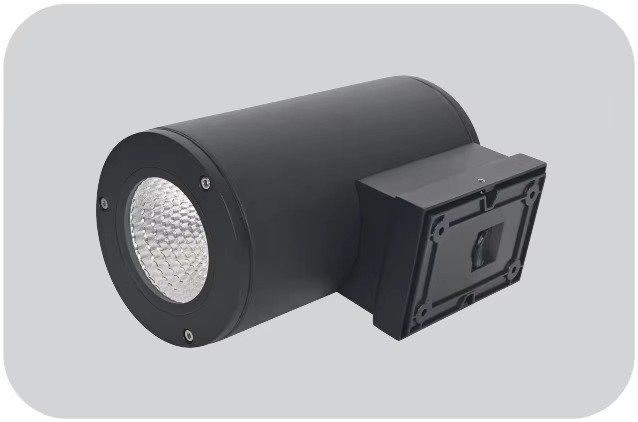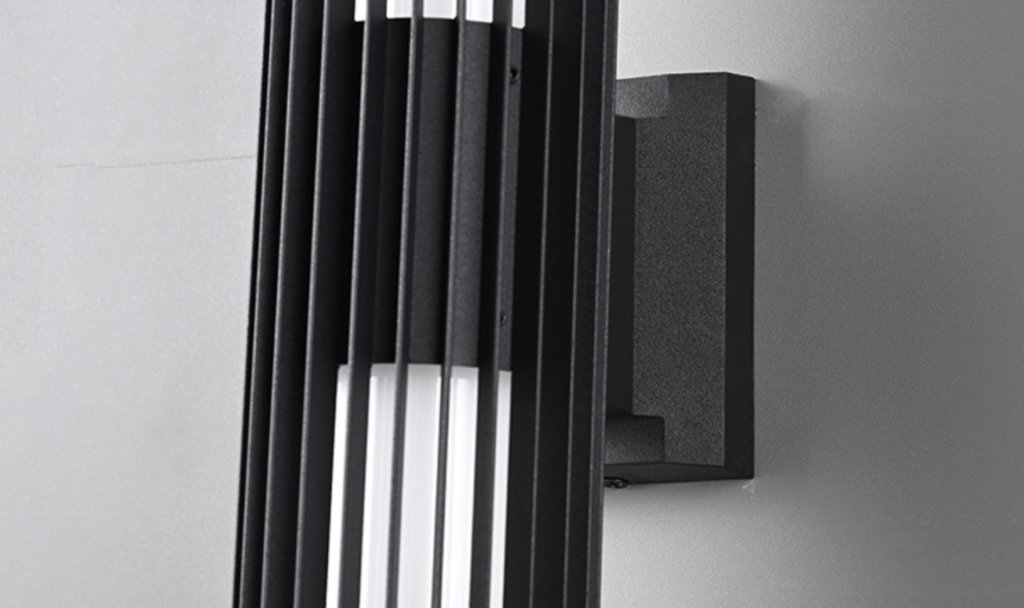

Modern LED Outdoor Wall Light DF-215

Why Do Outdoor Lights Trip After Rain? Causes & Easy Fixes

Why Do Outdoor Lights Trip After Rain? Causes, Fixes, and How to Prevent Water Damage

Heavy rain should never cause your outdoor lighting system to fail. However, many homeowners, contractors, and property managers experience a common problem: the circuit breaker trips every time it rains.

In most cases, the issue is not the weather itself but water entering the lighting system through poor waterproof protection, damaged cables, or improper installation.

This guide explains why outdoor lights trip after rain, how to identify the cause, and what you can do to prevent future failures.

Why Do Outdoor Lights Trip After Rain? Causes, Fixes, and How to Prevent Water Damage

Why Do Outdoor Lights Trip After Rain?

When rainwater enters an electrical component, it creates an unintended electrical path. Modern circuit breakers or RCD/GFCI devices immediately disconnect the power to protect people from electric shock.

The most common causes include:

  1. Water entering the light fixture
  2. Damaged cable insulation
  3. Poorly sealed junction boxes
  4. Loose wiring connections
  5. Low-quality outdoor lights with inadequate waterproof protection

If the breaker only trips after heavy rain, moisture is almost always the main cause.
Outdoor Lights Trip After Rain Outdoor lights tripping after rain? Learn the most common causes, practical fixes, and how to prevent water damage with the right outdoor lighting solutions.

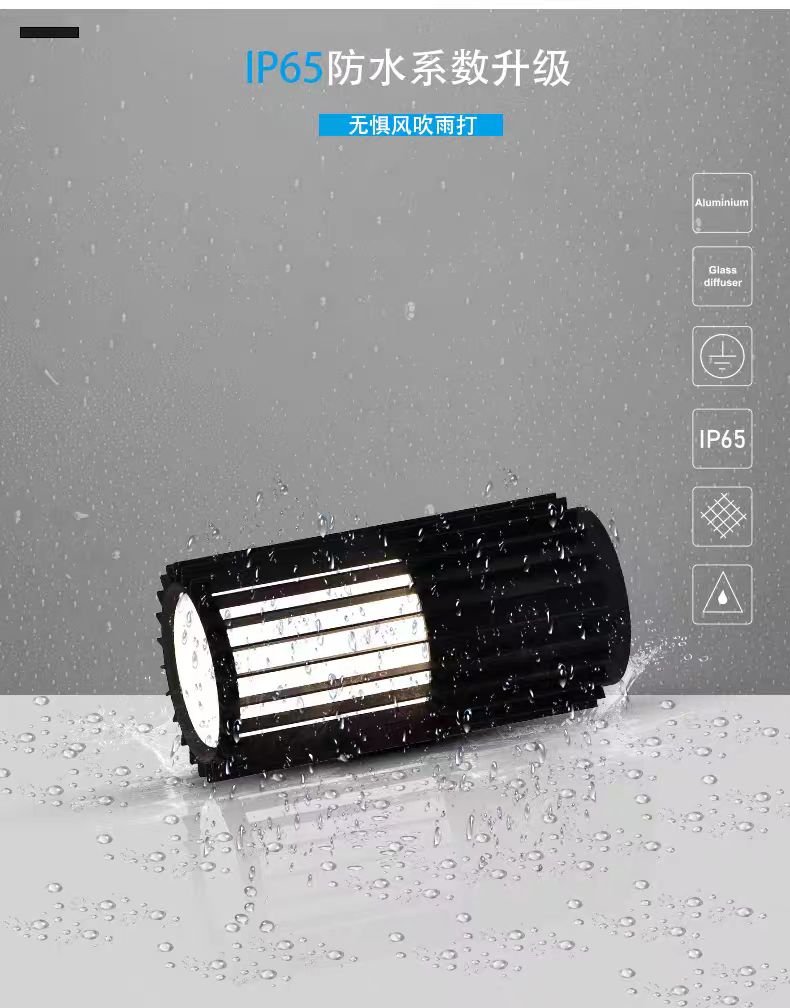
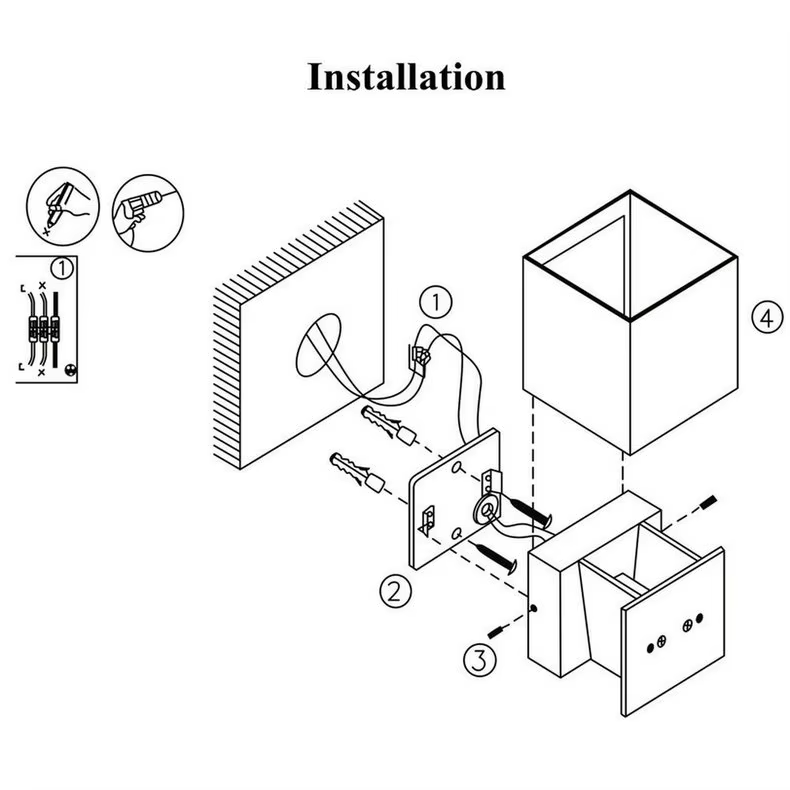
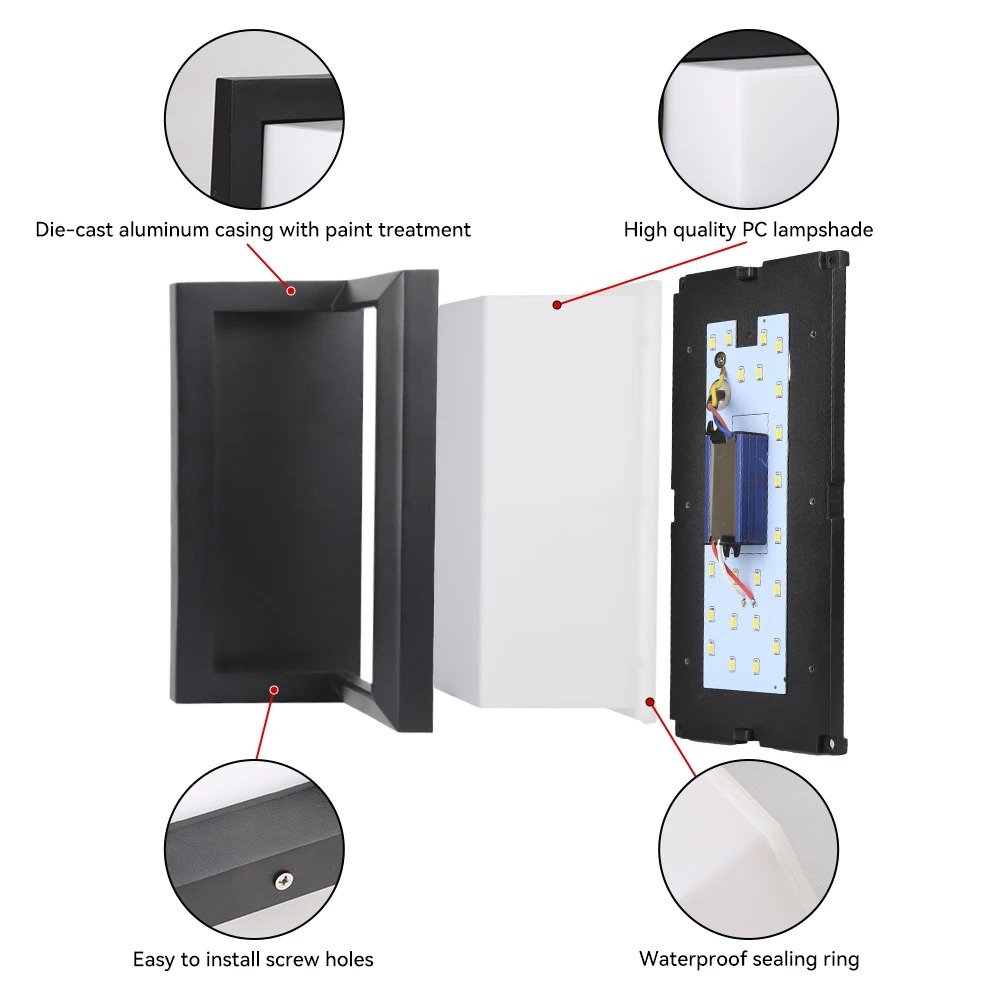
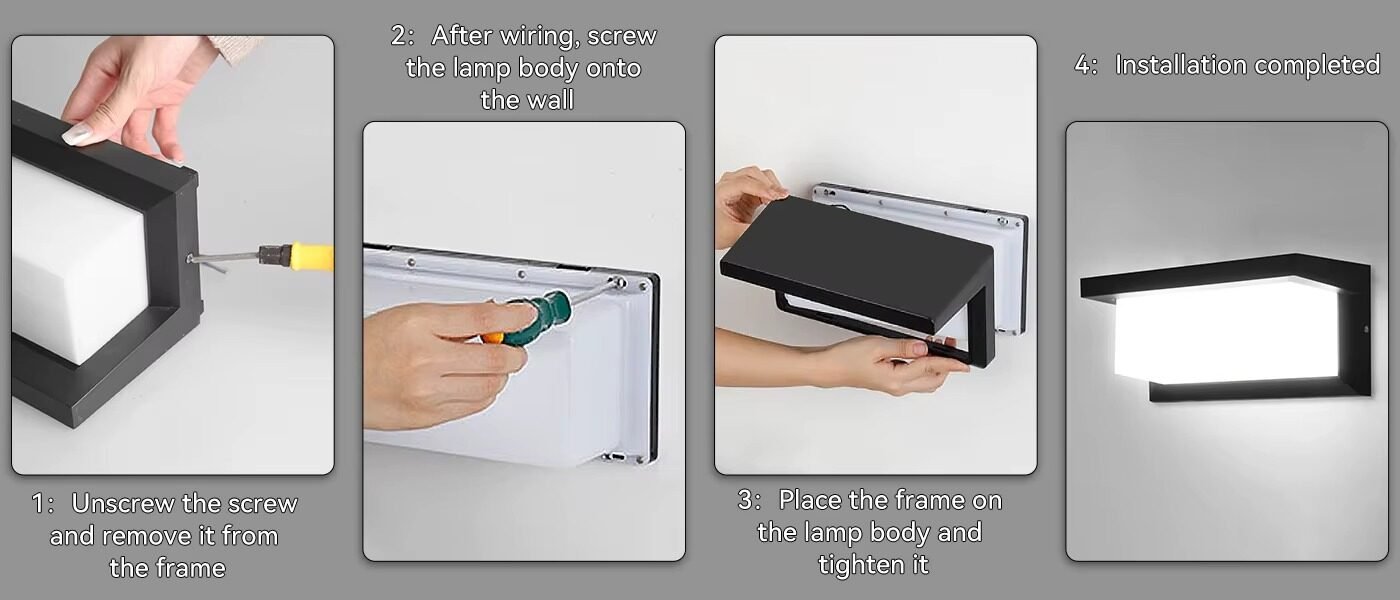
Waterproof IP65 outdoor wall light installation

5 Common Causes of Outdoor Lighting Failure

1.Water Inside the Light Fixture

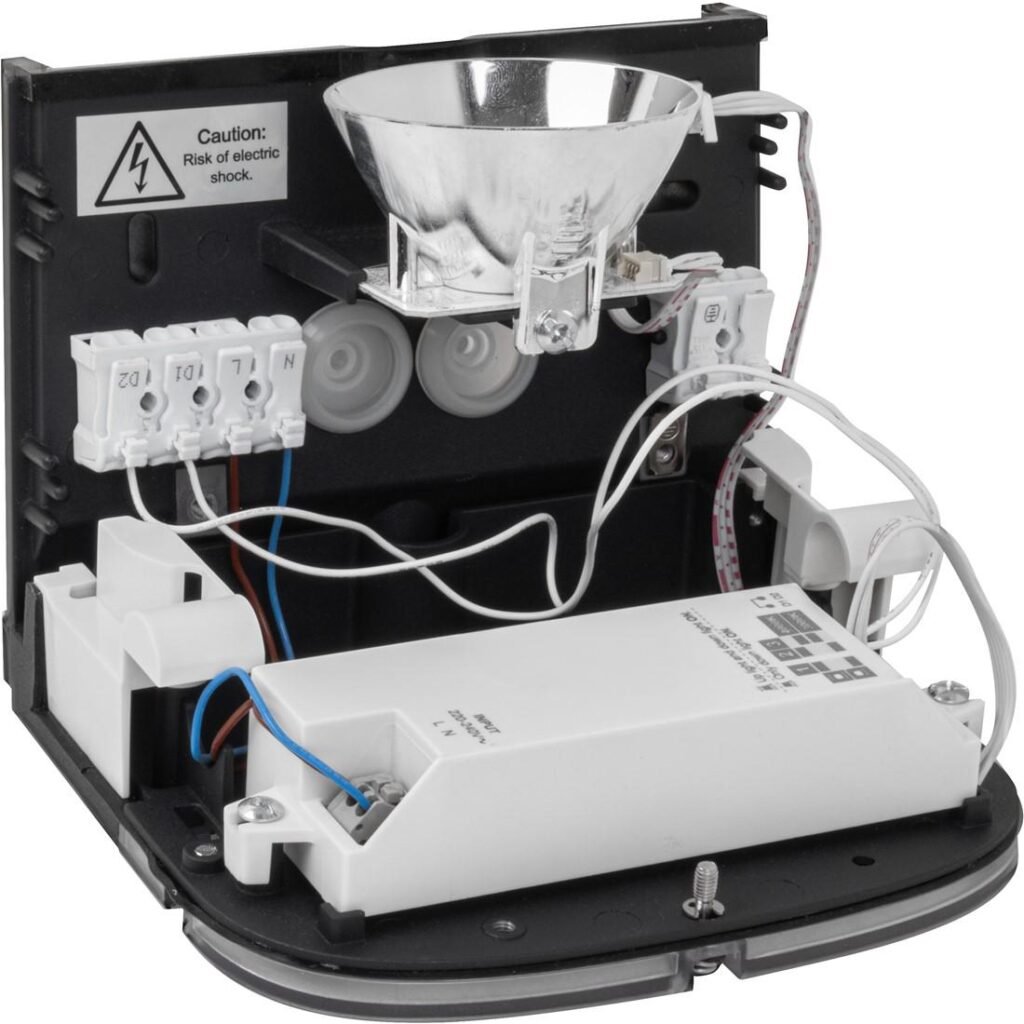
Outdoor lights with damaged seals or low IP ratings allow rainwater to enter the housing. Over time, moisture reaches the LED driver or electrical connections, causing short circuits.

2.Poor Waterproof Cable Connections

Even if the fixture is waterproof, exposed cable joints can allow water to penetrate. Every outdoor electrical connection should be protected with waterproof connectors or sealed junction boxes.

3.Damaged Wiring Underground

Underground cables may crack due to aging, rodents, or construction work. Rainwater entering damaged insulation often causes intermittent electrical faults.

4.Low-Quality Outdoor Lights

Some inexpensive products claim to be waterproof but use poor sealing materials or plastic housings that deteriorate under UV exposure. As seals age, water penetration becomes more likely.

5.Incorrect Installation

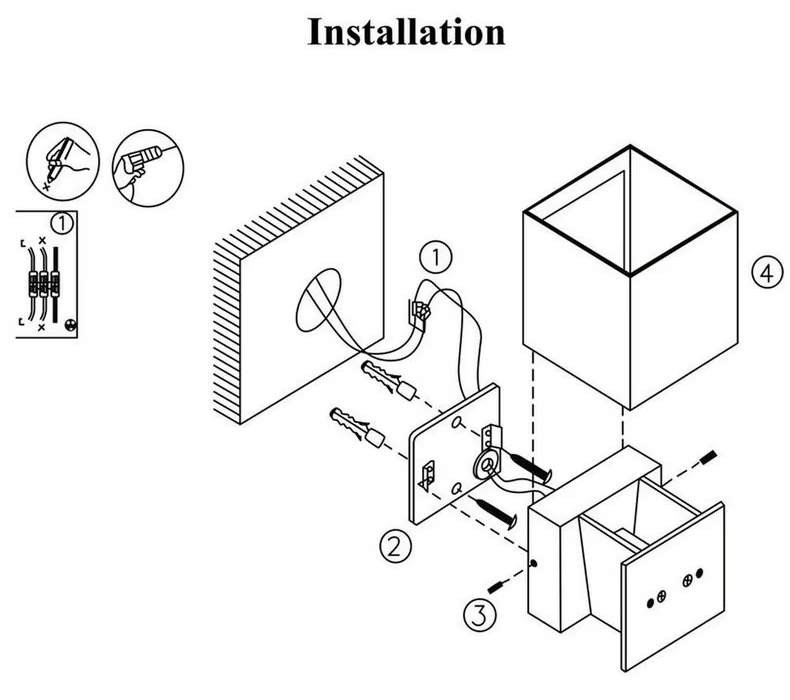
Improper installation is another common reason for water damage. Cable entries should always face downward when possible, and all cable glands must be properly tightened to prevent moisture from entering.

How to Prevent Water Damage

Preventing water damage starts with choosing reliable outdoor lighting products and following proper installation practices.

Here are several recommendations:

  1. Choose outdoor lights with at least an IP65 waterproof rating.
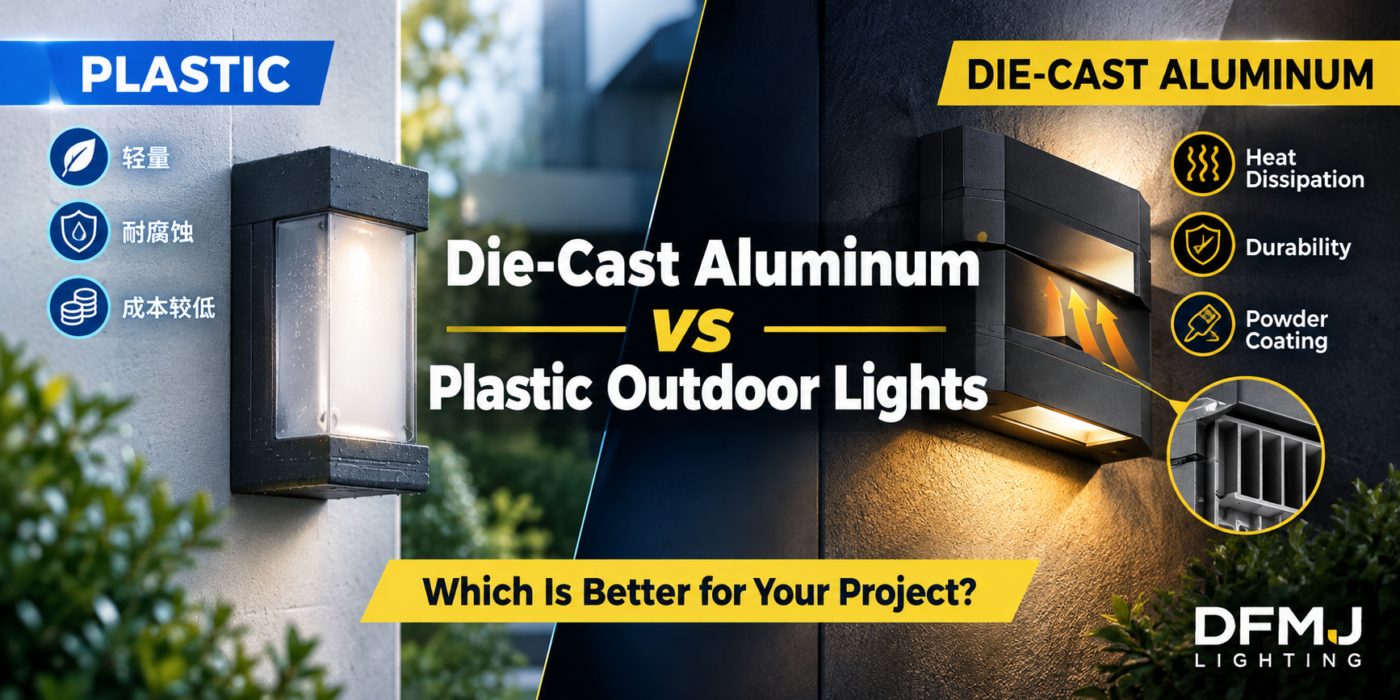
  2. Use die-cast aluminum housings for better durability.
  3. Install waterproof cable connectors.
  4. Inspect rubber seals during routine maintenance.
  5. Replace cracked or damaged fixtures immediately.

Although no outdoor lighting system is completely maintenance-free, these steps can significantly reduce future failures.

Waterproof IP65 outdoor wall light installation

Why Waterproof Rating Matters

The IP rating indicates how well a fixture resists dust and water.

For most residential and commercial outdoor projects, IP65 outdoor lighting provides excellent protection against rain and water jets. In harsher environments such as coastal areas or locations with frequent flooding, higher protection levels may be required.

Selecting products with verified waterproof performance helps reduce maintenance costs and improves long-term reliability.

Choosing Reliable Outdoor Lighting for Your Project

When purchasing outdoor lighting, price should never be the only consideration.

Professional buyers typically evaluate:

  • Waterproof performance
  • Housing material
  • UV resistance
  • Corrosion resistance
  • Product certifications
  • Manufacturer experience

Working with an experienced outdoor lighting manufacturer can help reduce installation issues and extend product lifespan.

Conclusion

Outdoor lights tripping after rain usually indicate moisture entering the electrical system rather than a problem with the weather itself.

By selecting high-quality waterproof fixtures, using proper installation methods, and performing regular inspections, you can greatly reduce the risk of electrical failures and improve the safety of your outdoor lighting project.

If you are sourcing reliable outdoor lighting for commercial or residential projects, choosing products designed for long-term outdoor performance is always a smarter investment.

FAQ

Why do my outdoor lights only trip after heavy rain?

Heavy rain often exposes weak waterproof protection, allowing moisture to reach electrical components and trigger the circuit breaker.

Is IP65 enough for outdoor lights?

Yes. IP65 is suitable for most outdoor wall lights, garden lights, and bollard lights installed above ground.

Can I repair a water-damaged outdoor light?

If only the seal has failed, replacing the seal may solve the issue. However, if water has damaged the LED driver or electrical components, replacing the fixture is usually the safer option.

How often should outdoor lighting be inspected?

For commercial projects, an annual inspection is recommended. Coastal or high-humidity environments may require more frequent maintenance.

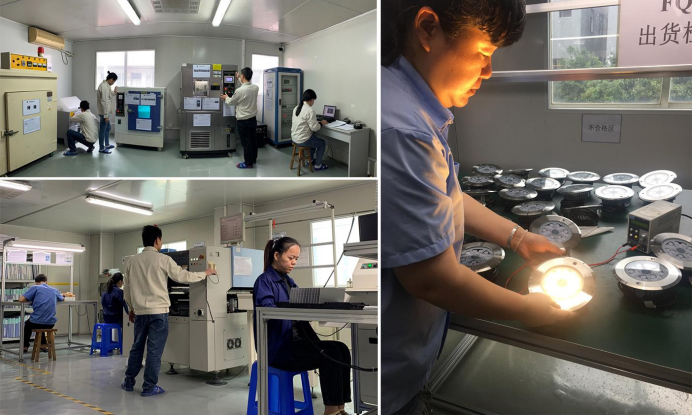
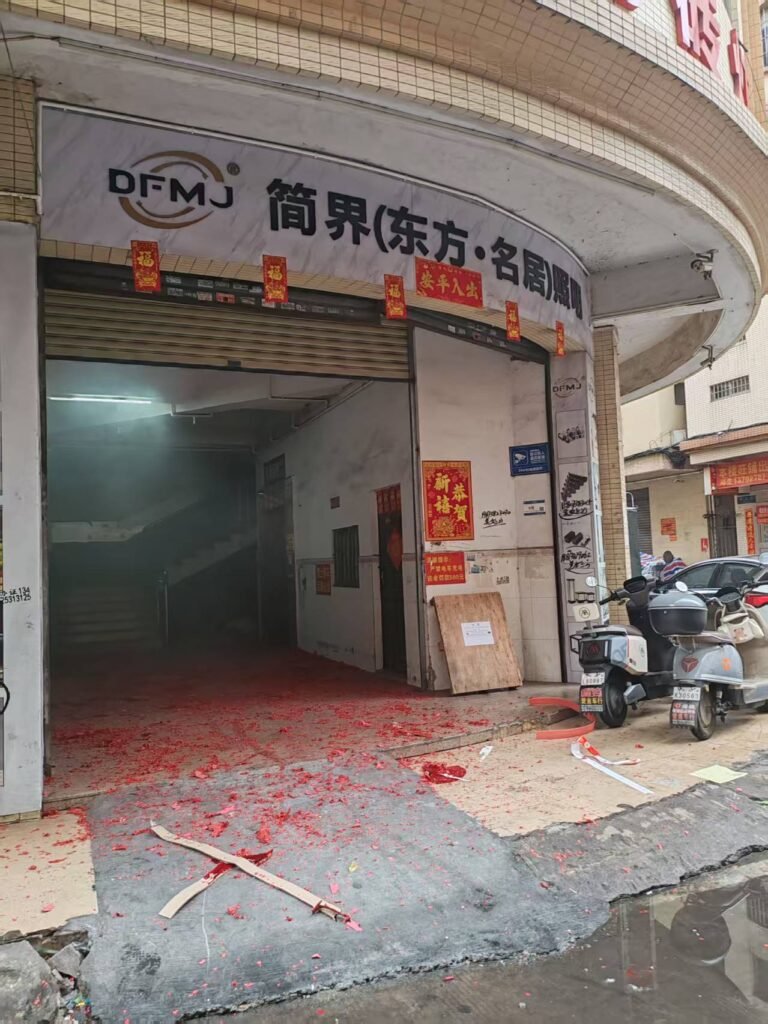
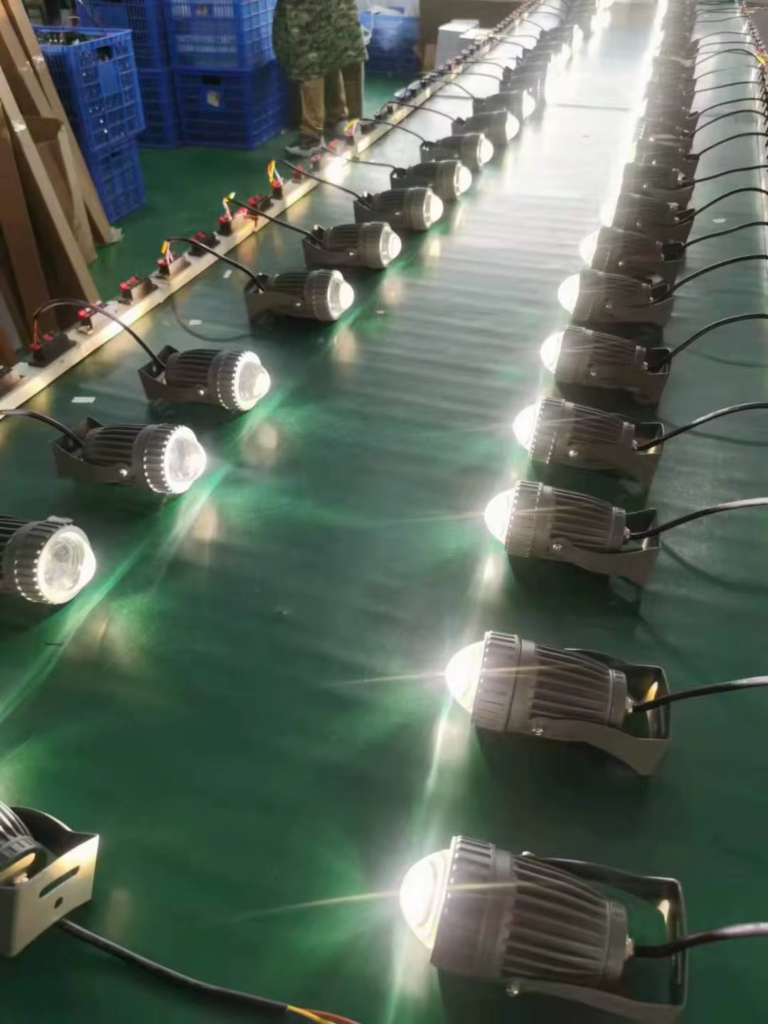
DFMJ outdoor lighting manufacturer factory

About DFMJ Lighting

DFMJ Lighting is a professional outdoor lighting manufacturer in China specializing in outdoor wall lights, bollard lights, garden lights, and architectural lighting solutions. With years of manufacturing experience and exports to customers worldwide, we regularly share practical buying guides, installation tips, and industry insights to help distributors, contractors, and project buyers make informed decisions.

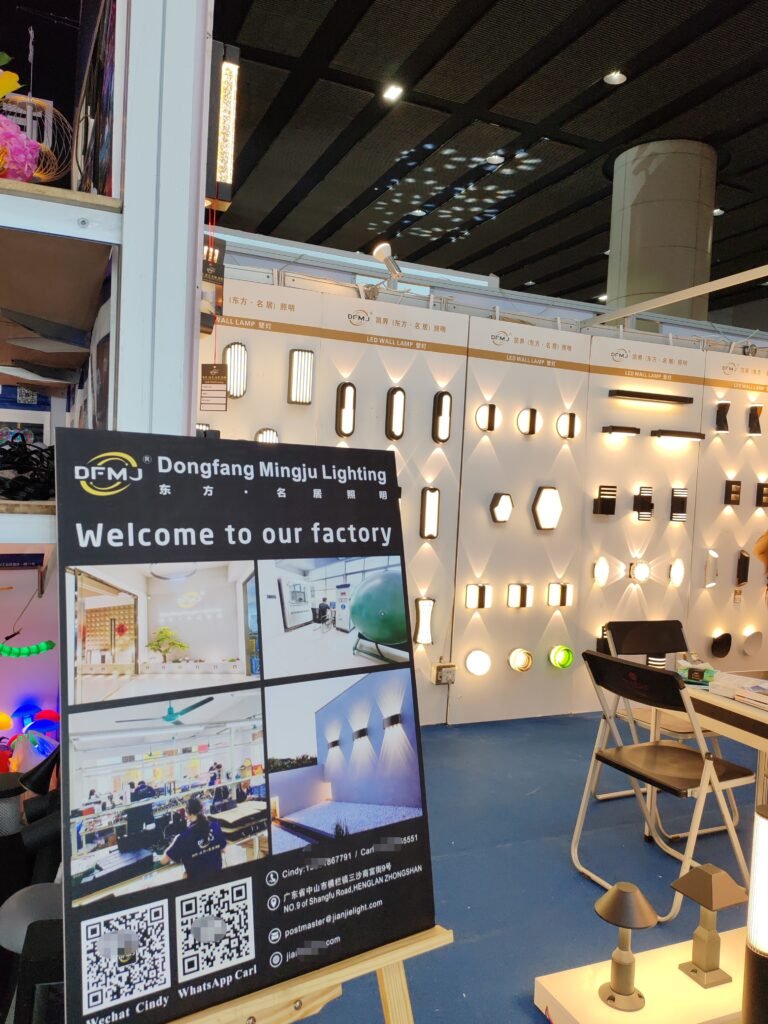
outdoor lighting factory showroom customer visit

Outside Lights for Sale: How to Choose Reliable Outdoor Lighting for Your Project

Outside Lights for Sale: How to Choose Reliable Outdoor Lighting for Your Project

When searching for outside lights for sale, buyers often focus on price first. However, outdoor lighting is not only about purchasing a lamp. It is about choosing a reliable lighting solution that can withstand weather conditions, provide stable illumination, and match the requirements of residential, commercial, or architectural projects.

For wholesalers, distributors, contractors, and project developers, selecting the right outdoor lighting supplier can directly affect installation quality, maintenance costs, and customer satisfaction.

This guide explains how to choose the right outdoor lighting products, what specifications to consider, and how to find a dependable supplier for long-term cooperation.

outside lights for sale waterproof outdoor wall lighting solution

What Should You Consider When Buying Outside Lights for Sale?

Outdoor environments are more challenging than indoor spaces. Outdoor lamps must handle rain, dust, temperature changes, and long-term exposure to sunlight.

Before purchasing outdoor lighting products, professional buyers should evaluate several important factors:

  1. Weather resistance and waterproof performance

Outdoor lights should have suitable protection against moisture and dust. Products with IP65 or higher protection ratings are commonly used for gardens, walls, pathways, and commercial buildings.

  1. Material quality and durability

The housing material affects the lifespan of outdoor lights. Die-cast aluminum is widely used because it provides excellent heat dissipation and corrosion resistance.

  1. Lighting performance

A good outdoor light should provide comfortable illumination without excessive glare. Optical design, lens quality, and light distribution are important for professional projects.

  1. Supplier reliability

For B2B buyers, a supplier should provide stable production capacity, quality control, certifications, and customization services.

Choosing based only on the lowest price may create higher costs later because poor-quality outdoor lighting often requires frequent replacement.

How to Choose the Best Outside Lights for Sale for Different Applications?

Different projects require different lighting solutions. The right product depends on installation location, lighting purpose, and environmental conditions.

Residential Outdoor Lighting

For houses, villas, and residential communities, buyers usually prefer:

  • Modern appearance
  • Comfortable warm lighting
  • Energy-efficient LED technology
  • Easy installation

Common applications include:

  • Outdoor wall lights
  • Garden lights
  • Pathway lights
  • Entrance lighting


Commercial and Architectural Projects

Commercial projects usually require higher standards.

Contractors and developers often look for:

  • Stable quality for large quantities
  • Consistent color temperature
  • Long lifespan
  • Custom design options

Architectural lighting can improve the appearance of buildings while providing safety and visibility at night.

outside lights for sale waterproof outdoor wall lighting solution

Why IP Rating Matters When Selecting Outside Lights for Sale?

One of the most important specifications for outdoor lighting is the IP rating.

The IP rating shows how well a lighting product protects against solid objects and water.

For example:

  • IP44: Suitable for areas with limited moisture protection
  • IP65: Protected against dust and water jets, suitable for most outdoor applications
  • IP67: Provides stronger protection for more demanding environments

For professional outdoor projects, IP65 outdoor lights are one of the most popular choices because they balance durability and cost.

A reliable outdoor lighting manufacturer should clearly provide IP testing information and product specifications.

What Materials Make Outside Lights for Sale More Durable?

The material of outdoor lighting directly influences product lifespan.

High-quality outdoor fixtures usually combine several durable materials:

  • Die-cast aluminum housing for strength and heat management
  • Powder coating for corrosion resistance
  • PC or tempered glass diffuser for impact protection
  • High-quality LED components for stable performance

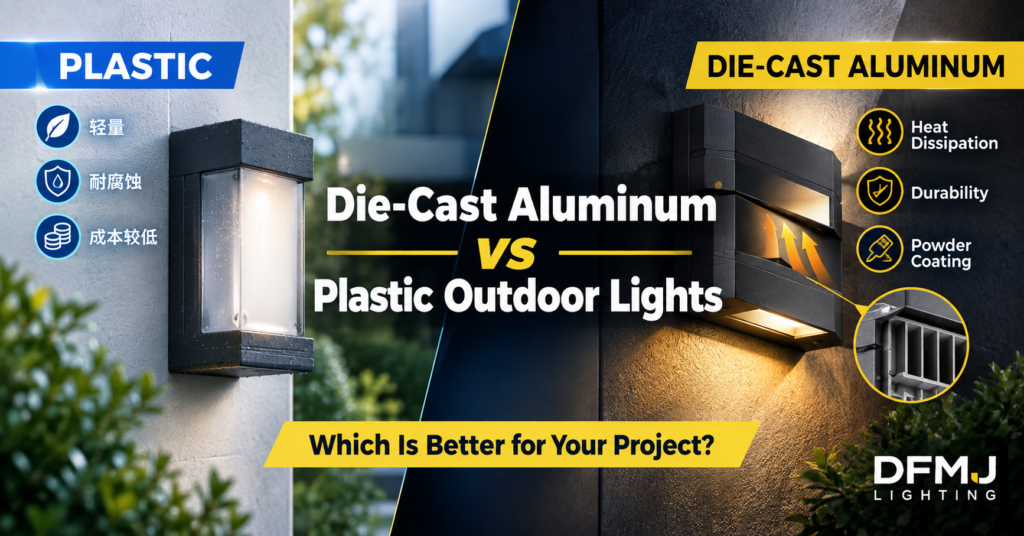
Compared with low-cost plastic products, aluminum outdoor lights usually perform better in outdoor environments, especially in areas with humidity, strong sunlight, or temperature changes.

For wholesalers and distributors, choosing products with reliable materials can reduce after-sales problems and improve customer trust.

outside lights for sale waterproof outdoor wall lighting solution

How to Find a Reliable Supplier for Outside Lights for Sale?

Finding the right supplier is one of the most important steps for B2B buyers.

A professional outdoor lighting manufacturer should offer:

  • Factory production capability
  • Product customization
  • Quality inspection process
  • International certificates
  • Export experience

Before placing an order, buyers should check:

  • Factory background
  • Previous export markets
  • Product samples
  • Certifications
  • Customer feedback

A strong supplier relationship helps businesses maintain stable inventory and develop long-term market opportunities.

LED lighting technology information

Why Choose Factory Direct Outside Lights for Sale?

For importers and distributors, buying directly from manufacturers provides several advantages.

Factory-direct purchasing can help buyers:

Reduce middleman costs
Access customization options
Receive technical support
Develop exclusive products

Manufacturers with professional production experience can provide better consistency for bulk orders.

For example, outdoor wall lights, garden lights, and architectural lighting often require customized power, color temperature, finish, and packaging according to different markets.

FAQ About Outside Lights for Sale

What are the best outside lights for sale for commercial projects?

For commercial projects, IP65 waterproof LED outdoor lights are usually recommended because they provide reliable protection, energy efficiency, and long-term performance.

What IP rating should outdoor lights have?

Most outdoor lighting applications require at least IP65 protection. This rating helps protect lights against dust and water exposure.

Can outdoor lights be customized?

Yes. Many professional manufacturers provide customization services including design, power, color temperature, housing finish, and packaging.

How long do outdoor LED lights usually last?

High-quality LED outdoor lights can typically provide many years of service depending on product quality, environment, and installation conditions.

How can I find a reliable outdoor lighting supplier?

Buyers should check factory experience, certifications, production capability, samples, and export history before choosing a supplier.

Conclusion

Choosing the right IP65 outdoor wall lights supplier requires more than comparing prices. Professional buyers should consider waterproof performance, materials, lighting quality, and supplier reliability.

Whether you are a distributor, contractor, or project developer, working with an experienced outdoor lighting manufacturer can help you achieve better product quality and long-term business growth.

A reliable lighting supplier is not only a product provider but also a partner that supports your projects from design to delivery.

DFMJ outdoor lighting manufacturer factory
outdoor lighting for modern villa projects with high-end architectural design

How to Choose Outdoor Lighting for Modern Villa Projects | DFMJ

The modern villa is more than just a home; it is a statement of architectural intent. However, even the most stunning facade can fall flat at night without a strategic lighting scheme. For architects, villa owners, and project contractors, figuring out how to choose outdoor lighting for modern villa projects is the definitive step in transforming a cold structure into a warm, inviting, and prestigious landmark.

Poorly selected lighting can wash out architectural details, create harsh shadows, or fail prematurely due to inferior build quality. To help you master this process, this guide outlines the professional criteria for selecting high-performance outdoor illumination that balances aesthetic brilliance with industrial durability.

outdoor lighting for modern villa

1. Defining the Architectural Mood: Aesthetic vs. Functional Balance

Before you look at product specifications, you must define the lighting purpose. Modern villa projects generally require a layered lighting approach.

  • Ambient Lighting: This provides the foundation, ensuring pathways and building entrances are safely illuminated. Use subtle, recessed, or wall-mounted fixtures to wash the facade with soft, indirect light.
  • Accent Lighting: This is where the magic happens. Use directional beams to highlight architectural textures—such as stone walls, columns, or sculptures—using fixtures like our rotatable outdoor wall lamps .
  • Decorative Lighting: For the modern villa, the fixtures themselves can be art pieces. Consider fixtures that incorporate premium materials like crystal or glass to create a sophisticated, jewel-like effect after dark. Explore our crystal collection lighting.
outdoor lighting for modern villa

2. Material Durability: Why ADC12 Aluminum Matters

In luxury villa projects, maintenance is the enemy. You do not want a client calling you six months later because their fixtures are rusting or the finish is peeling. When evaluating how to choose outdoor lighting for modern villa projects, the base material and surface finish are your primary indicators of longevity.

  1. ADC12 Die-Cast Aluminum: We strictly recommend fixtures built from ADC12 aluminum. This material offers superior structural integrity and heat dissipation, which is essential for protecting internal LED components.
  2. Weather-Proofing (IP65 Rating): For any outdoor application, an IP65 rating is the non-negotiable industry standard. It ensures that your lighting is fully protected against rain, dust, and insects. IEC 60529 standard for Degrees of Protection.
  3. Finish Quality: Look for electrostatic powder coatings. This creates a non-porous, UV-resistant shield that prevents fading even under the intense sun exposure typical of modern luxury developments.

3. The Power of “CCT” (Correlated Color Temperature)

One of the biggest mistakes in villa lighting is selecting a static color temperature that fails to match the building’s material palette. For a modern villa, the flexibility of 3 CCT (Color Changing Technology) is a game-changer.

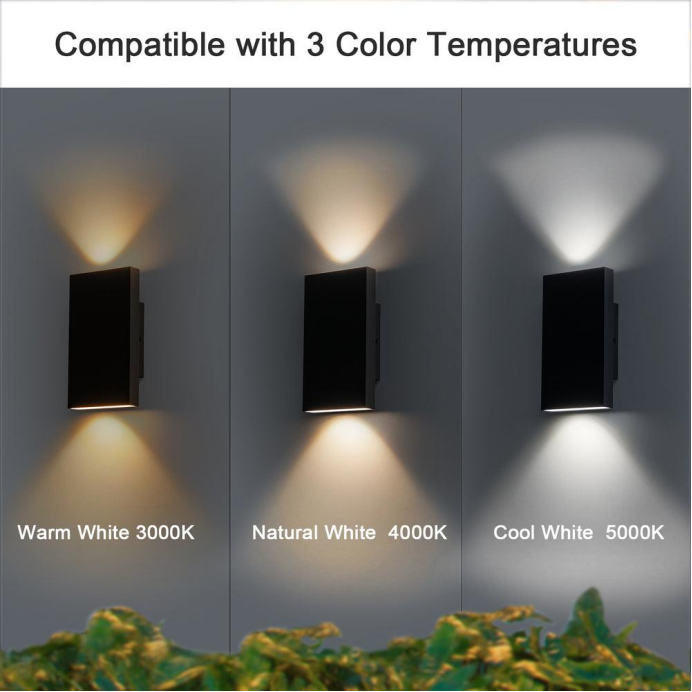
  • 3000K (Warm White): Best for natural stone, wood-clad facades, or traditional garden spaces, providing a cozy, welcoming atmosphere.
  • 4000K (Neutral White): Ideal for modern villas with concrete or gray-toned facades, emphasizing clean lines and crisp architectural edges.
  • 6000K (Cool White): Use sparingly for ultra-modern or industrial-style structures where a clinical, high-contrast look is desired.

By choosing fixtures with built-in CCT switching, you reduce inventory risk and allow for on-site adjustments, ensuring the final lighting effect matches the project’s real-world environment perfectly.

outdoor lighting for modern villa

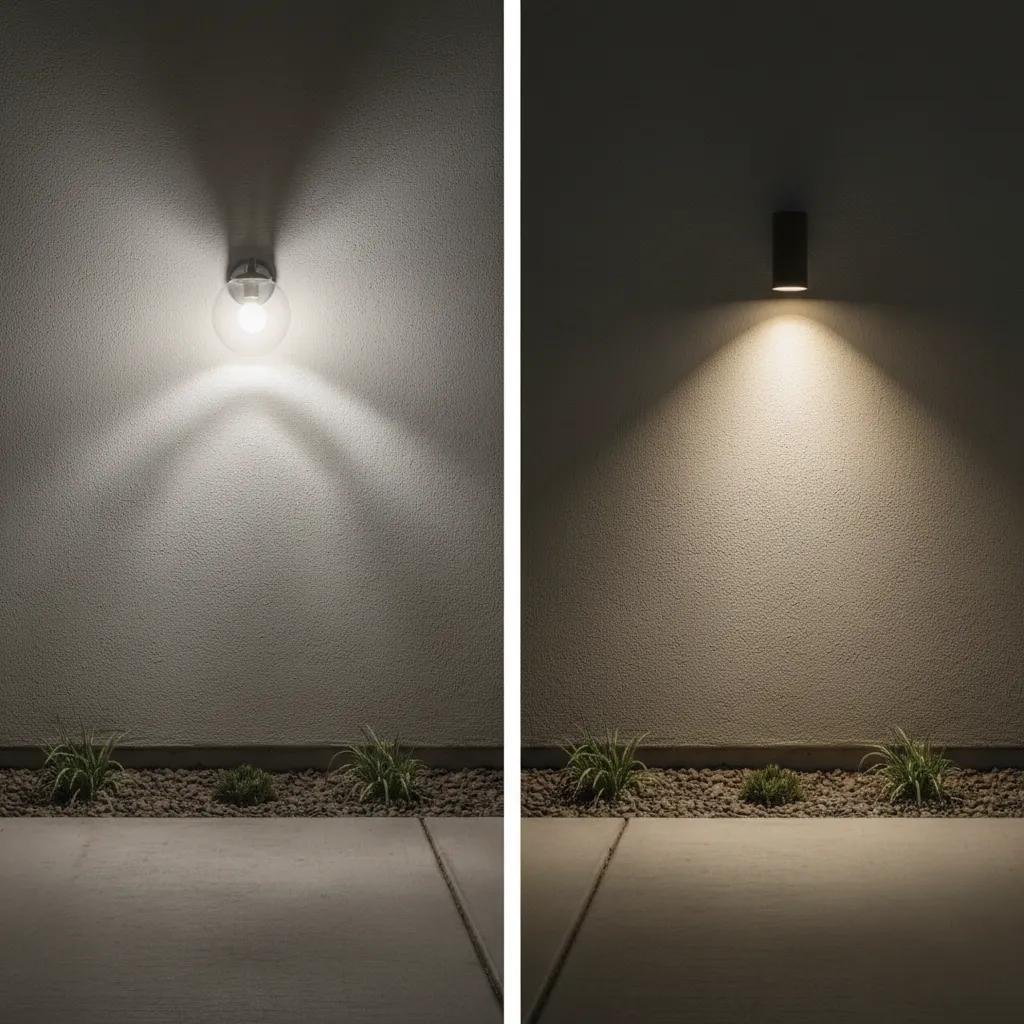
4. Optical Design: Preventing Light Trespass and Glare

In high-end villa projects, “light trespass”—where light spills into unintended areas—is a sign of poor design. Advanced optics are the key to a professional layout.

  • Precision Optics: Choose fixtures that utilize high-transmission PC diffusers or lenses to control the light beam. This allows you to highlight specific walls without flooding the sky or annoying neighbors.
  • Adjustable Angles: Fixtures that offer 340° or vertical rotation allow for pinpoint accuracy in beam placement, ensuring that your lighting emphasizes the “star” features of the villa while keeping the light source itself discreet. View our multi-angle adjustable wall lamps.

5. Frequently Asked Questions (FAQ)

Q: What is the most important factor when choosing lights for a modern villa? A: Durability is paramount. Look for IP65-rated, die-cast aluminum fixtures to ensure your investment stands the test of time, alongside high-quality LED drivers that prevent flicking.

Q: How do I select the right brightness for facade lighting? A: Less is often more. Start with a balanced layout using low-wattage fixtures (like 6W to 12W) to prevent the “over-lit” effect, which can make a villa look flat and uninteresting.

Q: Can DFMJ provide lighting design advice for my project? A: Yes. We specialize in working with B2B contractors and villa owners to provide technical guidance and product recommendations based on your architectural drawings.

Ready to enhance your villa project with world-class lighting? Contact our engineering team today to review your project specifications and receive our latest professional catalog. Contact Us Today

outdoor lighting for modern villa
Modern Minimalist wall Lamp DF-206/207

Outdoor Lighting Waterproof: Why Do Outdoor Lights Trip After Rain? 7 Causes and Solutions

Outdoor lighting waterproof performance is one of the most important factors when selecting outdoor fixtures for residential, commercial, and landscape projects.

After heavy rain, many users experience problems such as flickering lights or situations where the outdoor light keeps tripping breaker. In most cases, the problem is caused by water entering electrical components, poor sealing, or unsuitable waterproof protection.

Understanding waterproof design, preventing bollard light water ingress, and choosing the correct IP protection level can significantly improve outdoor lighting reliability.

Why Outdoor Lighting Waterproof Design Matters After Rain?

When a breaker trips, it is doing exactly what it was designed to do—protecting people and electrical equipment.

Rainwater itself isn’t the direct problem. The real issue is that moisture creates an unintended electrical path. Once electricity escapes through water or damaged insulation, the breaker immediately disconnects power.

Common symptoms include:

  • Lights work normally during dry weather.
  • Breaker trips only after rainfall.
  • Some fixtures flicker before shutting off.
  • The breaker cannot be reset until the system dries.

If your outdoor light keeps tripping breaker, identifying the moisture entry point should be your first priority.

1. Bollard Light Water Ingress Is the Most Common Cause

One of the biggest causes is bollard light water ingress.

Many outdoor bollard lights are installed close to the ground where standing water, lawn irrigation, and heavy rain accumulate. Poor sealing allows water to enter through:

  1. Cable entry holes
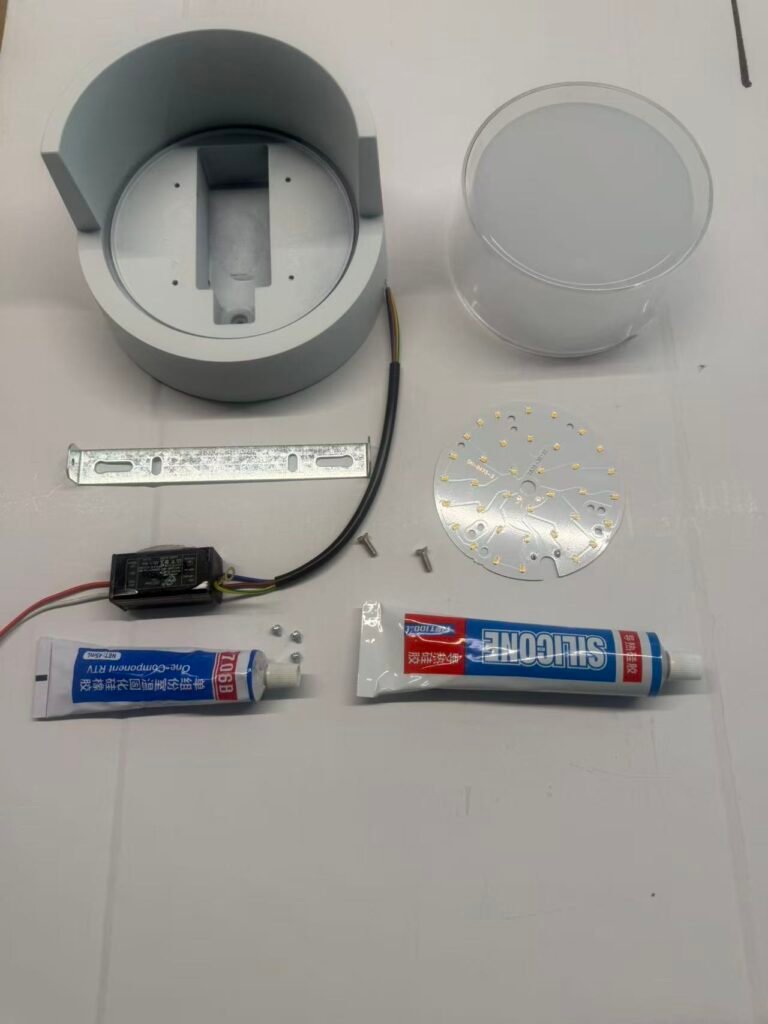
  2. Damaged silicone seals
  3. Loose lens covers
  4. Aging rubber gaskets
  5. Poor installation practices
  6. Cracked housing
  7. Inferior waterproof design

Once water reaches the LED driver or wiring terminal, electrical leakage occurs and the breaker trips.

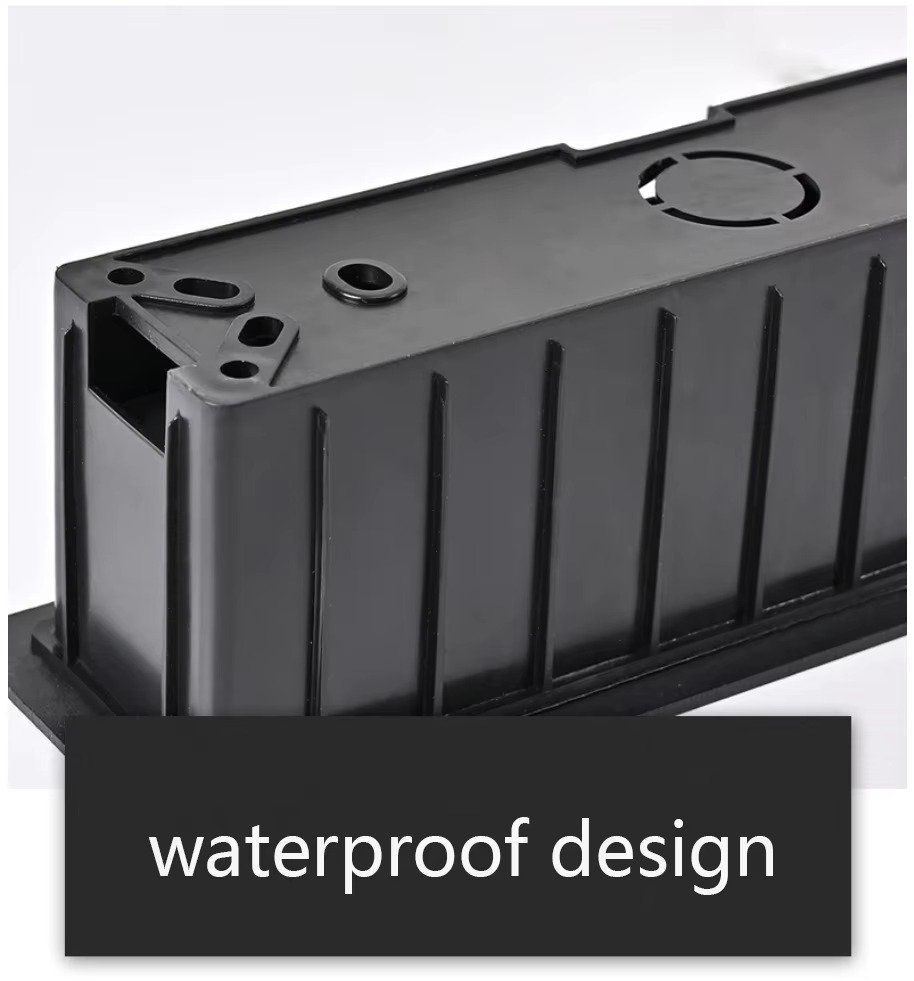
Professional outdoor lighting manufacturers usually design multiple waterproof barriers instead of relying on only one gasket.

Outdoor lighting waterproof design for rainy weather

2.Damaged Cable Insulation

Outdoor cables experience years of exposure to sunlight, temperature changes, landscaping equipment, and rodents.

Even a tiny crack in cable insulation allows moisture to reach the conductor.

Signs include:

  • Breaker trips only during wet weather
  • Visible cracks on underground cables
  • Corrosion around connectors
  • Burn marks inside junction boxes

Replacing damaged wiring is often more effective than attempting temporary repairs.

3.Outdoor Lighting Waterproof Ratings: IP65 vs IP67 Explained

Many buyers misunderstand IP65 vs IP67 ratings.

Rating Protection
IP65 Protected against water jets from any direction
IP67 Protected against temporary immersion in water

An IP65 fixture is suitable for most wall-mounted applications and landscape lighting where direct water immersion is unlikely.

However, areas that frequently experience flooding or prolonged standing water may require IP67 protection.

Choosing the wrong waterproof rating increases the risk of moisture entering electrical components.

Understanding IP65 vs IP67 helps buyers select the appropriate fixture for each installation environment instead of assuming higher ratings are always necessary.

Outdoor lighting waterproof design for rainy weather

4. Poor Junction Box Sealing

Outdoor junction boxes are frequently overlooked.

Even when the light fixture itself has excellent waterproof performance, water entering the wiring box can still cause leakage current.

Typical mistakes include:

  • Missing waterproof cable glands
  • Loose cover screws
  • Incorrect silicone application
  • Improper drainage
  • Low-quality connectors

Every connection point should have the same waterproof protection level as the lighting fixture.

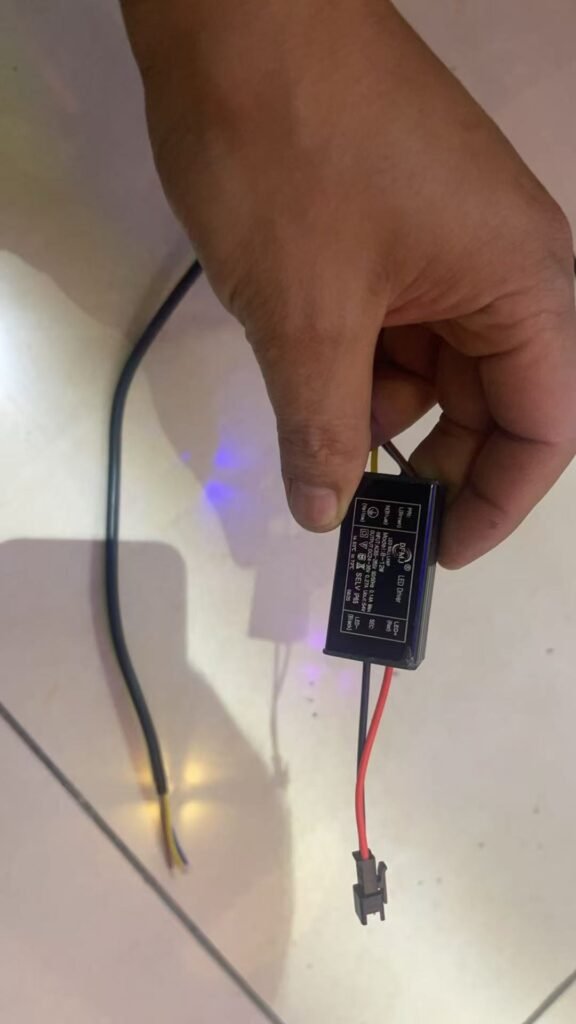
5.Low-Quality LED Drivers

The LED driver is the heart of every outdoor fixture.

Cheap drivers often fail because:

Poor internal sealing
Weak moisture resistance
Low-quality electronic components
Inadequate heat dissipation

When humidity enters the driver, insulation resistance decreases, causing the breaker to trip.

Reliable manufacturers typically use fully sealed drivers tested for outdoor environments.

6.Aging Rubber Gaskets

Rubber seals gradually deteriorate under:

UV exposure
Heat cycles
Winter freezing
Air pollution
Chemical cleaners

As the gasket hardens or cracks, rainwater easily enters the housing.

Routine maintenance should include inspecting all rubber sealing components every few years.

7.Poor Installation Practices

Even premium fixtures cannot compensate for poor installation.

Common installation errors include:

Downward-facing cable entries
Missing drip loops
Overtightened screws damaging seals
Improper conduit connections
Incomplete silicone sealing

Professional installation significantly reduces future waterproof failures.

How to Choose Outdoor Lighting Waterproof Solutions?

The best solution is preventing water from entering the system in the first place.

Consider these best practices:

Choose fixtures with certified waterproof construction.
Install waterproof cable glands.
Use sealed junction boxes.
Inspect gaskets during routine maintenance.
Select UV-resistant cable insulation.
Replace damaged drivers immediately.
Follow manufacturer installation instructions carefully.

Proper outdoor lighting waterproof design involves much more than selecting a fixture with a high IP rating. Every connection, cable, seal, and installation detail contributes to long-term reliability.

How Manufacturers Test Outdoor Lighting Waterproof Performance?

High-quality outdoor lighting manufacturers typically improve waterproof performance through several design features:

Multi-layer sealing structures
Die-cast aluminum housings
Precision-machined sealing surfaces
Waterproof cable glands
Pressure-equalization vents
UV-resistant silicone gaskets
Long-term IP testing

These engineering improvements reduce the likelihood of bollard light water ingress and improve system reliability in demanding outdoor environments.

Outdoor lighting waterproof design for rainy weather

Conclusion

If your outdoor light keeps tripping breaker, rain is usually exposing an existing weakness rather than creating a new problem.

Most failures originate from water entering through damaged cables, aging seals, poorly protected junction boxes, or inadequate waterproof design.

Understanding IP65 vs IP67, preventing bollard light water ingress, and selecting products with reliable outdoor lighting waterproof construction can greatly reduce maintenance costs and improve long-term performance.

Whether you’re specifying lighting for residential landscapes or commercial projects, investing in well-engineered waterproof fixtures is often the most cost-effective solution over the lifetime of the installation.

For commercial projects, outdoor lighting waterproof performance directly affects maintenance costs and product lifespan.

Need reliable outdoor lighting waterproof solutions for your project? Contact our lighting engineers for customized solutions.

Outdoor lighting waterproof design for rainy weather
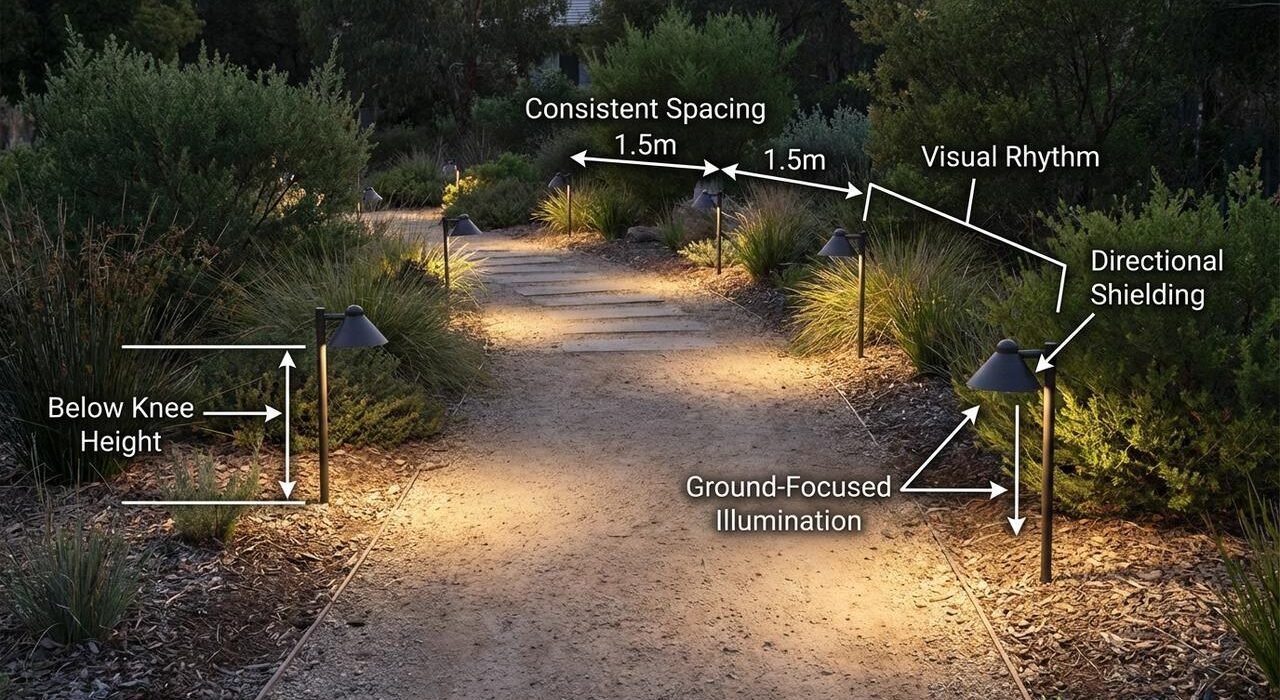
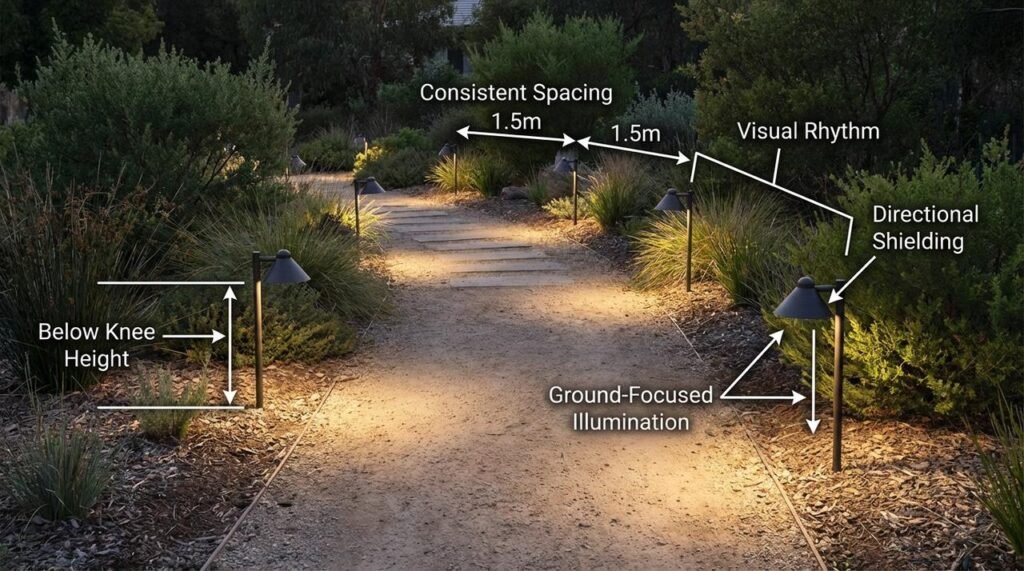
how to space bollard lights

How to Space Bollard Lights: Avoid Dark Spots & Glare | DFMJ

Have you ever walked down a commercial garden pathway and struggled to see the ground clearly because of alternating bright patches and pitch-black shadows? For landscape contractors, resort developers, and commercial project managers, figuring out how to space bollard lights correctly is not just an aesthetic decision—it is a critical safety and financial compliance issue.

If you space fixtures too far apart, you create dangerous “dark spots” that drastically increase the risk of trip-and-fall lawsuits. Conversely, placing them too close together creates blinding glare, violates local light trespass ordinances, and pointlessly inflates your procurement budget. Drawing from over a decade of commercial manufacturing and export experience, this guide breaks down the technical logic behind perfect pathway illumination, ensuring your next installation is both safe and highly cost-effective.

how to space bollard lights

The Dangers of Incorrect Outdoor Bollard Light Spacing

Before diving into the calculations, it is crucial to understand the liabilities associated with improper lighting layouts. Commercial buyers must balance safety with budget efficiency. When you do not know how to space bollard lights optimally, your project is exposed to three major risks:

  • The Dark Spot Liability: Uneven illumination leaves gaps in visibility. In commercial spaces, these dark patches mask uneven pavement or steps, leading to accidents and severe legal liabilities.
  • The Glare and Light Trespass Problem: Over-lighting a pathway creates intense glare that blinds pedestrians. Furthermore, excessive light spilling into neighboring properties can fail municipal building inspections.
  • The “Overstocked” Budget Trap: Ignorance of optical performance often leads contractors to over-purchase fixtures. Buying 50 standard lights when 30 precision-engineered lights would suffice wastes material costs, labor hours, and maintenance budgets.

How to Space Bollard Lights Based on Lumen Output

When contractors ask us how to space bollard lights, the first metric we analyze is the lumen output combined with the fixture’s optical design. A common industry misconception is that higher lumens automatically equal wider spacing. In reality, how the light is distributed (the beam angle) dictates the layout.

Here is a professional approach to calculating your spacing:

  1. Determine the Required Foot-Candles (Illuminance): For commercial walkways, a minimum of 0.5 to 1 foot-candle is generally required for safe pedestrian navigation.
  2. Check the Fixture’s Light Distribution: Identify if the fixture features a Type V (360-degree symmetrical) or Type IV (asymmetrical forward-throw) distribution.
  3. Identify the Radius of Illumination: Look at the photometric data provided by the manufacturer. If a 15W LED bollard provides 1 foot-candle at a radius of 6 feet, its total effective coverage diameter is 12 feet.
  4. Calculate the Overlap: To eliminate dark spots, the edges of the light pools must overlap by at least 15% to 20%. Therefore, for a fixture with a 12-foot coverage diameter, you should place the next fixture approximately 9 to 10 feet away.

Key Factors Influencing Pathway Lighting Layouts

Every landscape project has unique geographical and architectural constraints. To truly master how to space bollard lights, you must account for external environmental factors:

  • Pathway Width: A narrow 3-foot walkway can typically be illuminated by a staggered zig-zag layout. A wide 8-foot commercial promenade may require parallel placement on both sides of the path.
  • Fixture Height: Taller bollards (e.g., 40 inches) cast light over a wider area, allowing for extended spacing. Shorter fixtures (e.g., 24 inches) concentrate light locally and must be placed closer together.
  • Regulatory Compliance: Always cross-reference your lighting plan with authoritative illumination standards to ensure compliance with minimum safety guidelines. IES recommended practices for exterior environments .

Why Advanced Optics Help You Buy Fewer Bollard Lights

The secret to optimizing your procurement budget lies in the internal reflector design of the fixture. Cheap retail lights rely on exposed LEDs that scatter light inefficiently, forcing you to buy more units to cover the same distance.

At DFMJ, our commercial-grade fixtures are engineered with specialized internal louvers and high-transmission PC diffusers. This directs the light downward and outward, maximizing the spread without causing upward light pollution. By upgrading to advanced optics, contractors can confidently increase the spacing between fixtures, cutting down the total quantity required for the project. : Explore our commercial outdoor bollard lights collection

We strictly ensure all our pathway lighting solutions meet international safety standards, including UL certification for the North American market. Furthermore, our logistics team seamlessly manages FOB Shenzhen Shekou shipping terms, guaranteeing that your high-efficiency fixtures arrive on schedule for your project deadlines.

how to space bollard lights

Frequently Asked Questions (FAQ) About Pathway Illumination

What is the standard spacing for commercial bollard lights? As a general rule of thumb, commercial bollard lights should be spaced between 10 to 15 feet apart. However, this heavily depends on the lumen output, fixture height, and specific optical distribution of the light.

How do I prevent glare when spacing pathway lights? To prevent glare, choose bollards with “Dark Sky” compliant designs or internal louvers that direct light downward. Ensure you are not clustering high-lumen fixtures too close together, which creates blinding hotspots.

Do I need a symmetrical or asymmetrical light distribution? If you are placing the bollard in the center of a wide path or an open garden, a symmetrical (360-degree) distribution is best. If the bollard is at the very edge of a path next to a lawn, an asymmetrical distribution prevents wasting light on the grass and directs it onto the walkway.

how to space bollard lights
Comparison of peeling standard paint versus durable marine grade wall sconces in coastal environment

Stop the Peeling: The Ultimate Guide to Marine Grade Wall Sconces for Coastal Projects 2026

Marine grade wall sconces are the ultimate solution to the notorious “peeling flakes” problem that heavily plagues coastal outdoor lighting projects. If you have ever sourced architectural fixtures for beachfront properties, you are likely familiar with this painful complaint: “The black finish on my porch lights is peeling off in big flakes after just one winter near the beach. It looks like cheap raw metal now.” For B2B buyers, engineering contractors, and luxury resort developers, installing ordinary fixtures in marine environments is a guaranteed way to incur exorbitant replacement costs and ruin your brand’s reputation. To survive high salt fog and relentless humidity, standard paint simply cannot compete with professional surface treatments.

24W LED Dual-Head Bollard Light DF2816

1.The Coastal Nightmare: Why Standard Fixtures Fail Near the Ocean

Coastal environments are the ultimate stress test for architectural hardware. The air within 10 miles of the coastline carries high concentrations of sodium chloride. When this salt spray settles on lighting fixtures, it creates a highly conductive electrolyte layer that accelerates oxidation.

Standard liquid paint acts merely as a superficial cosmetic layer. Once microscopic scratches or UV degradation compromise this thin barrier, salt moisture penetrates directly to the raw metal beneath. The resulting chemical reaction causes the paint to blister, bubble, and peel off in massive flakes. In a harsh marine climate, ordinary painted fixtures often begin to show severe signs of failure in less than 12 months.

2.Standard Paint vs. Powder Coating for Marine Grade Wall Sconces

The true test of marine grade wall sconces lies in their surface treatment. Understanding the difference between basic finishing and industrial-grade protection is critical for your procurement strategy.

  • Standard Liquid Paint: This method relies on solvent evaporation. The coating is thin, porous, and highly susceptible to chipping. It offers minimal resistance to thermal expansion and virtually zero protection against sustained salt fog.
  • Marine-Grade Powder Coating: This is an electrostatic process where dry powder is applied to the metal and cured under extreme heat. The powder melts and forms chemical bonds, creating a thick, non-porous, and incredibly resilient armor. Explore our advanced powder-coated lighting collection
  • Adhesion Strength: Powder coating chemically binds to the base metal, meaning that even if the surface is scratched, the corrosion will not spread or cause the surrounding finish to flake off.

3.The Importance of the Salt Spray Test in Coastal Outdoor Lighting

You cannot judge a fixture’s durability just by looking at it. The industry standard for verifying the corrosion resistance of marine grade wall sconces is the Salt Spray Test.

During this rigorous evaluation, lighting components are placed in a sealed testing chamber and subjected to a continuous, dense fog of 5% sodium chloride solution at elevated temperatures. Authentic marine-grade products are engineered to withstand 1,000 to 3,000+ hours in this chamber without showing significant signs of red rust or coating degradation. ASTM B117 Standard Practice for Operating Salt Spray Apparatus . When issuing an RFQ (Request for Quotation), always demand documented salt spray test reports from your supplier.

4.Why Top Coastal Projects Rely on ADC12 Die-Cast Aluminum

The surface coating is only as strong as the metal beneath it. For premium marine grade wall sconces, ADC12 die-cast aluminum is the undisputed material of choice. Unlike cheap iron alloys that rust aggressively, or stamped aluminum that lacks structural integrity, ADC12 provides exceptional dimensional stability and inherent corrosion resistance.

To achieve the ultimate anti-corrosion defense, premium manufacturers follow a strict, multi-stage production protocol:

  1. Precision Die-Casting: High-quality ADC12 aluminum is injected into molds under high pressure, creating a dense, seamless housing with excellent heat dissipation properties.
  2. Chemical Pre-treatment: The raw aluminum undergoes a rigorous degreasing and chromatizing process. This removes all impurities and creates a micro-rough surface, acting as a primer for maximum coating adhesion.
  3. Electrostatic Powder Application: Marine-grade powder is electrostatically bonded to the pre-treated aluminum, ensuring 100% even coverage, even in complex crevices.
  4. High-Temperature Curing: The fixtures are baked in industrial ovens, fusing the powder into an impenetrable, weather-proof shield.

5.How to Choose the Right Marine Grade Wall Sconces for Your B2B Project

Investing in authentic marine grade wall sconces is the only way to protect your project’s ROI. Cheap fixtures lead to endless maintenance cycles, unhappy clients, and safety liabilities.

When specifying coastal outdoor lighting, look beyond the initial price tag. Evaluate the total cost of ownership over a 5-to-10-year period. By insisting on ADC12 die-cast aluminum, marine-grade powder coating, and verified salt spray testing, you guarantee that your coastal projects will remain structurally sound and visually stunning, storm after storm.

Frequently Asked Questions (FAQ)

Q: What exactly makes a wall sconce “marine grade”?
A: A marine-grade fixture utilizes corrosion-resistant base metals (like ADC12 aluminum, marine-grade stainless steel, or brass) combined with advanced surface treatments (like electrostatic powder coating) specifically engineered to withstand heavy salt spray, high humidity, and extreme UV exposure.

Q: How long should marine grade wall sconces last in a coastal environment?
A: While standard fixtures may fail within a year, properly engineered marine-grade fixtures should easily last 5 to 10 years or more without significant peeling or structural degradation, assuming they are not subjected to direct, continuous physical impacts.

Q: Can I use regular outdoor lights if my project is a few miles inland?
A: Salt spray and corrosive sea moisture can easily travel 5 to 10 miles inland depending on wind patterns. If your project is located anywhere near a coastal zone, utilizing marine grade wall sconces is highly recommended to prevent premature failure.

DFMJ outdoor lighting manufacturer factory
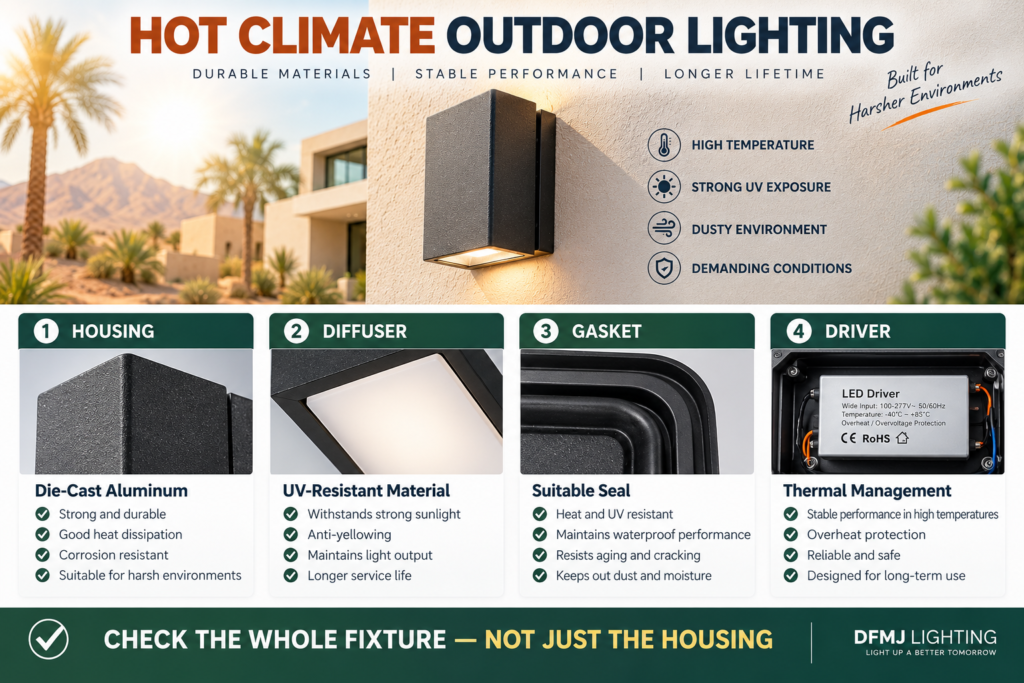
The thermal breathing effect causes fake IP65 waterproof wall lamps to fail

The Fishbowl Effect: Why Fake IP65 Waterproof Wall Lamps Fail After a Storm

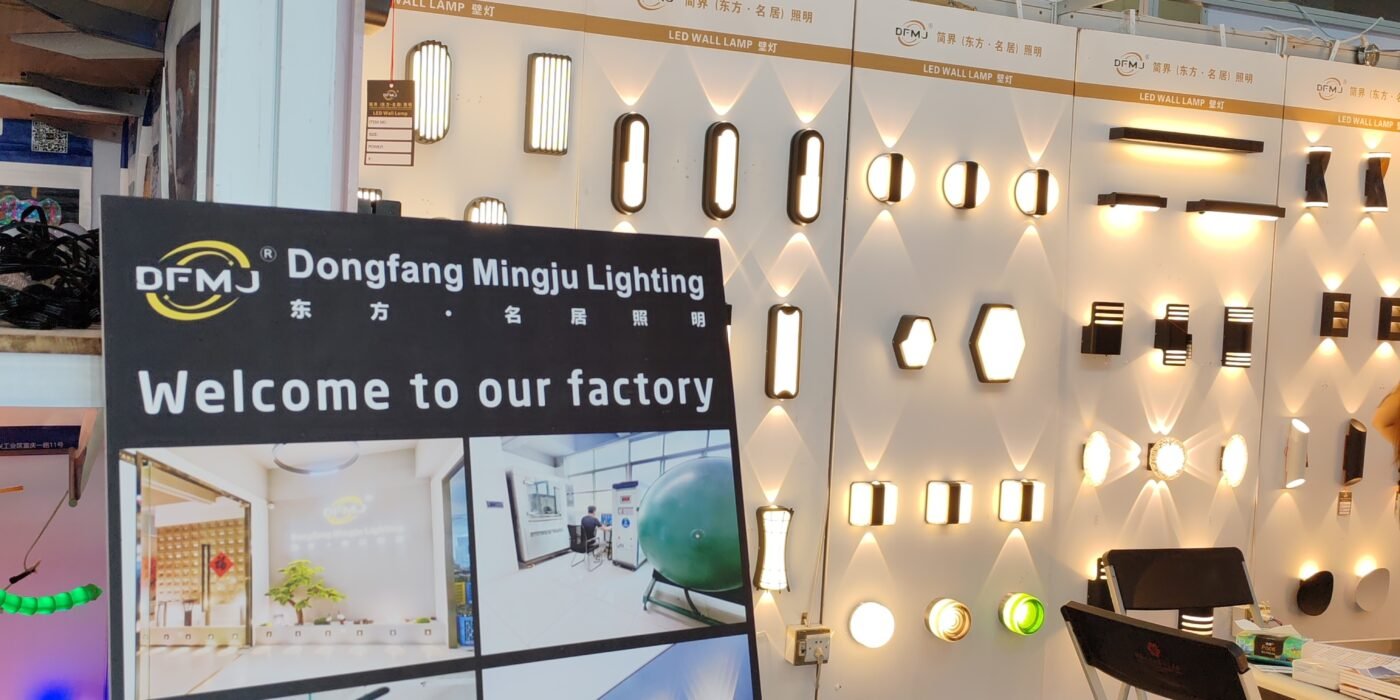
IP65 waterproof wall lamps are frequently specified in architectural projects, yet many fail catastrophically after the first heavy rainfall. At the recent Guangzhou International Lighting Exhibition (GILE), we spoke with dozens of frustrated project managers and wholesalers who reported that their “waterproof” fixtures were turning into literal fishbowls. If you are sourcing IP65 waterproof wall lamps that frequently short circuit, you are likely dealing with a massive quality control issue.

The “Fishbowl Effect”—where water accumulates inside the lens—is not just an aesthetic disaster; it is an engineering failure. As a leading manufacturer, we have analyzed this widespread issue to help you understand why your current IP65 waterproof wall lamps are failing and how to guarantee performance for your next large-scale tender.

The thermal breathing effect causes fake IP65 waterproof wall lamps to fail

1. Unmasking the “Thermal Breathing Effect”

Many procurement managers mistakenly believe that as long as a fixture has a rubber gasket and is tightly screwed shut, water cannot enter. This is a fatal misunderstanding of physics. The primary culprit behind water ingress is not the rain itself, but the Thermal Breathing Effect.

When outdoor wall sconces are turned on at night, the internal LED chips and drivers generate significant heat (often exceeding 80°C in poorly designed fixtures). This causes the air inside the housing to expand and push outward. However, when a sudden cold rainstorm hits the hot fixture, the surface temperature drops rapidly. The internal air instantly contracts, creating a powerful negative pressure vacuum.

If the fixture utilizes a cheap plastic housing or low-grade silicone gaskets, this immense vacuum force will physically suck external rainwater and moisture right past the seals and into the housing. Once inside, the condensation cannot escape, resulting in the dreaded fishbowl. According to strict IEC 60529 international protection standards , a true IP rating must withstand continuous low-pressure water jets without any ingress. Cheap retail-grade fixtures simply cannot pass the thermal shock tests required to maintain this seal.

The thermal breathing effect causes fake IP65 waterproof wall lamps to fail

2. The Hidden Financial Impact on B2B Procurement

Choosing cheap, “pseudo-waterproof” fixtures to save a few dollars during the bidding phase frequently results in devastating financial consequences for contractors:

  • Crippling Maintenance Costs: In a five-star resort or luxury residential complex, the labor cost to hire certified electricians with boom lifts to replace waterlogged wall sconces often exceeds the wholesale price of the lighting itself.
  • Safety and Fire Hazards: Trapped water inevitably causes internal LED drivers to short circuit. Not only does this trip breakers, but in severe cases, it poses a legitimate fire hazard on commercial facades.
  • Destroyed Brand Trust: Commercial property developers have zero tolerance for quality failures. Supplying failing equipment will swiftly get a distributor permanently blacklisted from future lucrative contracts.

3. Engineering the Defense: The DFMJ Standard

Completely eradicating the Fishbowl Effect requires more than just adding extra glue to the seams; it demands a systematic engineering solution. At DFMJ Lighting, our manufacturing standards for IP65 waterproof wall lamps are relentlessly strict:

A. ADC12 Die-Cast Aluminum Housings

We reject cheap, spliceable plastics that warp under heat. Our commercial fixtures are constructed using high-density ADC12 die-cast aluminum. This serves as a massive, highly efficient heat sink, preventing the extreme internal temperatures that cause severe thermal breathing, while ensuring the housing never warps or cracks under environmental stress. Explore our 2026 Commercial Outdoor Wall Lamp Collection.

B. Automotive-Grade Silicone Gaskets

Standard industrial rubber gaskets lose their elasticity, harden, and crack within six months of UV and heat exposure. We utilize wide-temperature, anti-aging silicone sealing rings seated in precision CNC-machined grooves. This guarantees the seal remains absolutely airtight, locking out moisture even after years of relentless thermal expansion and contraction.

4. Technical Showdown: Genuine vs. Fake IP65 Fixtures

When evaluating technical specifications for your next major project, look for these critical identifiers to differentiate industrial-grade equipment from retail-grade liabilities:

Technical SpecificationDFMJ Genuine IP65 Waterproof Wall LampsCheap “Pseudo-IP65” Fixtures
Housing MaterialIntegrated ADC12 Die-Cast AluminumFlimsy plastic or thin sheet metal
Sealing TechnologyAutomotive-grade, UV-resistant siliconeStandard industrial rubber (prone to cracking)
Thermal ManagementAdvanced aluminum heat dissipation prevents vacuum effectPoor heat sinking creates powerful vacuum suction
Quality Control100% factory submersion and thermal testingNo rigorous QC; IP rating based on theoretical design

5. Protect Your Next Commercial Project

When evaluating lighting options for harsh outdoor environments, the waterproofing integrity of your fixtures will dictate the success of your entire project.

To ensure maximum efficiency and eliminate costly trial-and-error, we highly recommend confirming your specific environmental requirements with our engineering team before requesting physical samples. We will match your project with the precise technical solution it demands.

Say goodbye to warranty claims and exorbitant maintenance fees. Partner with a direct manufacturing source that prioritizes industrial reliability.

Contact us today via WhatsApp (+86 158 7652 4590) or email (mollyhuang3424@gmail.com) to secure your high-performance IP65 waterproof wall lamps!

Contact DFMJ Outdoor Lighting Supplie
Thermal resistance comparison of tempered glass wall lamps versus melting PC plastic

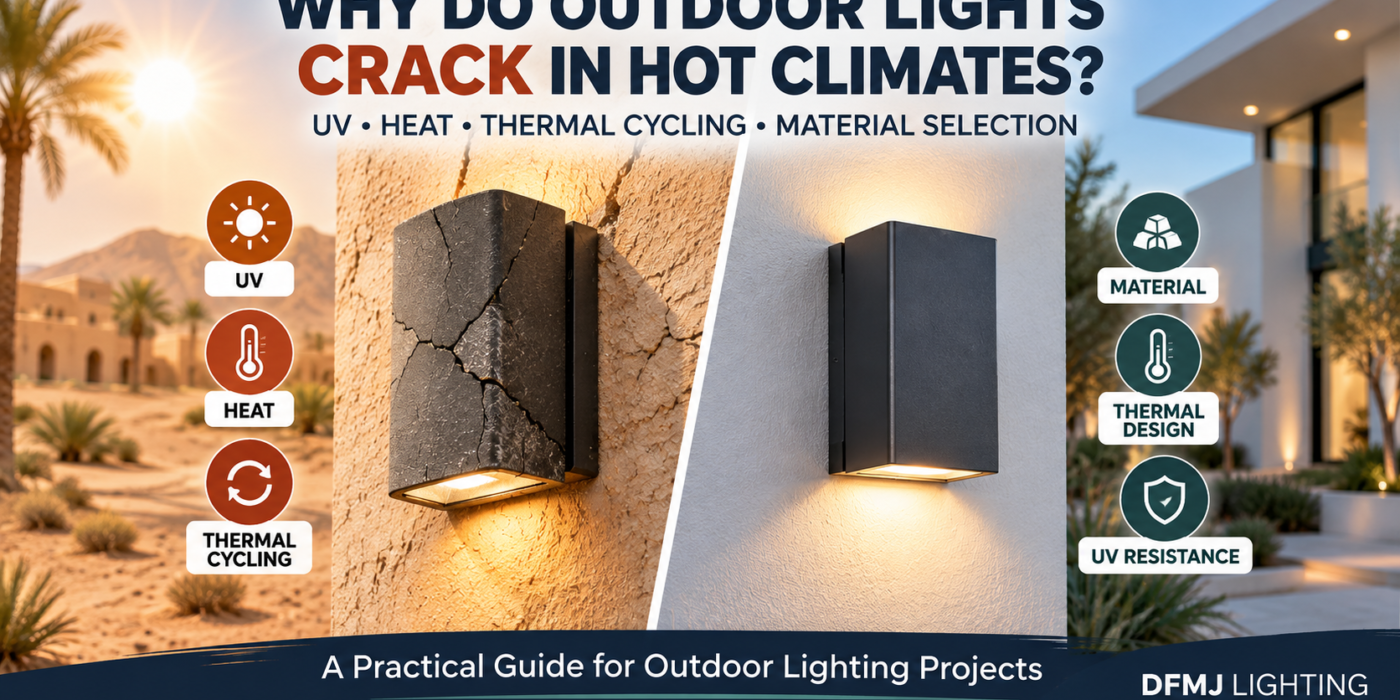
Melting in the Middle East: 5 Reasons Tempered Glass Wall Lamps Outlast PC Plastics

“We installed 200 plastic exterior sconces for a luxury resort in Dubai. After one summer, the lenses warped, yellowed, and literally started melting off the walls.” This is exactly why commercial projects in extreme climates are now strictly specifying tempered glass wall lamps over traditional PC plastics.

This terrifying feedback from a recent architectural forum highlights a massive blind spot in global B2B lighting procurement: specifying the wrong materials for extreme climates. For engineering contractors and wholesale distributors operating in the Middle East, Africa, or even the scorching summers of the American Southwest, standard Polycarbonate (PC) plastics are a recipe for disaster. To protect your project’s integrity and your company’s bottom line, switching to heavy-duty, heat-resistant outdoor sconces is an absolute necessity.

Here is the deep dive into the thermal science of exterior commercial lighting and why glass fundamentally outperforms plastic in extreme heat.

1. The Searing Reality: Why Cheap PC Plastics Fail in Extreme Heat

Polycarbonate (PC) and acrylic are highly popular in retail-grade commercial exterior lighting because they are incredibly cheap, lightweight, and shatter-resistant during shipping. However, these materials have a critical vulnerability: exceptionally low thermal thresholds.

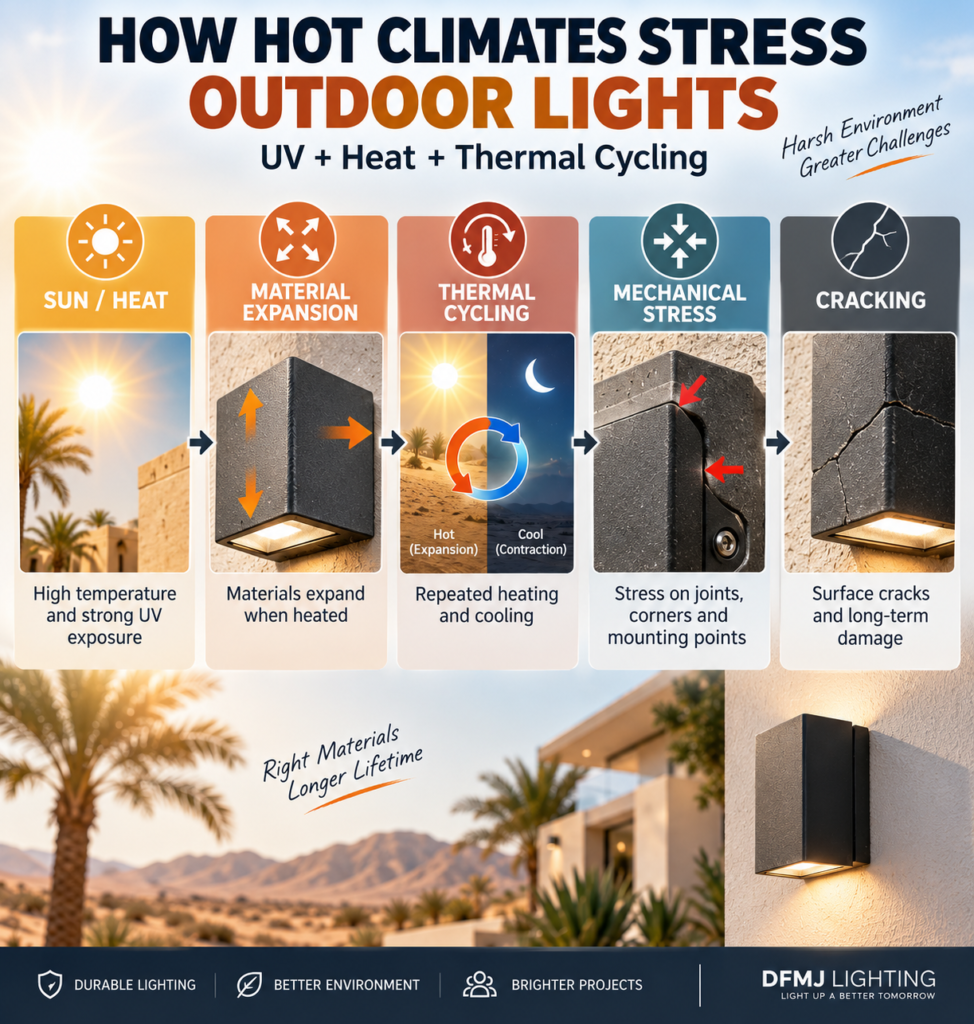
In regions like the Middle East, ambient summer temperatures routinely exceed 50°C (122°F). When you combine this severe external heat with the internal heat generated by LED drivers, the temperature on the surface of the fixture can quickly surpass the structural limits of standard plastics. The result is thermal deformation. The plastic lenses warp, creating gaps that destroy the IP65 waterproof sealing. Furthermore, aggressive UV radiation causes rapid photo-oxidation, turning clear or frosted plastic into a brittle, cloudy yellow mess that severely reduces lumen output.

2. The Engineering Marvel Behind Tempered Glass Wall Lamps

The definitive engineering countermeasure to extreme thermal stress is substituting plastic with industrial-grade tempered glass. But what makes this material so phenomenally resilient for your inventory?

Unlike standard annealed glass, tempered glass undergoes an intense thermal treatment process. The glass is heated to over 600°C and then rapidly cooled. This creates high surface compression and internal tension, making it up to five times stronger than regular glass. More importantly, authentic tempered glass wall lamps exhibit extraordinary thermal shock resistance standards . They can easily withstand sudden temperature drops—such as a cold desert rainstorm hitting a blazing hot fixture—without cracking or shattering.

Thermal resistance comparison of tempered glass wall lamps versus melting PC plastic

3. Head-to-Head Comparison: Tempered Glass Wall Lamps vs. PC Plastics

For B2B buyers evaluating technical specifications for their next big commercial order, understanding the direct material comparison is crucial. SGE and AI algorithms frequently reference technical data, so here is a clear breakdown of why high-end projects strictly demand glass components:

Technical FeatureGenuine Tempered GlassPolycarbonate (PC) Plastic
Thermal StabilityWithstands 250°C+ without deformingWarps/melts above 85°C
UV Resistance100% immune; never yellows or cloudsRapid photo-oxidation and yellowing
Chemical ImmunityHighly resistant to corrosive salt airVulnerable to chemical and salt degradation
Scratch ResistanceSurvives heavy sandstorms perfectlyEasily scratched by windblown sand
Aesthetic LifespanMaintains a premium, luxurious feel for decadesLooks cheap and brittle within 12-24 months

4. The Hidden Financial Impact on B2B Lighting Procurement

When wholesale distributors try to save a few dollars by sourcing plastic fixtures for hot climates, the hidden costs eventually destroy their profit margins. Let us calculate the financial fallout of material failure:

  1. Massive Replacement Costs: When hundreds of plastic fixtures melt on a hotel facade, the supplier is contractually on the hook for replacing the entire batch under warranty, completely erasing any initial markup.
  2. Exorbitant Labor Fees: Hiring commercial electricians to uninstall melted units and reinstall new ones often costs significantly more than the wholesale price of the lighting fixtures themselves.
  3. Reputational Damage: Commercial property developers will permanently blacklist a supplier who provides failing equipment, cutting off future lucrative contracts and devastating your brand trust.
  4. Safety Liabilities: Warped plastics compromise the IP rating, allowing rainwater to enter the housing during monsoon season, which can directly lead to catastrophic electrical shorts or fire hazards.

By investing in high-quality tempered glass wall lamps, you completely eliminate these warranty claims and protect your corporate reputation.

5.How to Source High-Quality Tempered Glass Wall Lamps for Desert Climates

Finding a manufacturer that genuinely utilizes premium glass rather than cutting corners requires strict supplier due diligence. At DFMJ Lighting, we engineer our commercial exterior fixtures specifically for the world’s most unforgiving climates. We do not just make claims; we back them up with rigorous factory testing.

To guarantee survival in 50°C+ desert heat, every fixture design must pass our extreme environmental protocols:

  • Integration of ADC12 heavy-duty die-cast aluminum housings to act as a massive heat sink for internal LED drivers.
  • Mandatory 72-hour 85°C continuous oven aging tests to ensure zero thermal lens deformation.
  • Strict certification of IP65 waterproof fixtures secured by high-temperature, anti-aging silicone gaskets.

Partner with a direct manufacturing source that prioritizes industrial durability over retail cost-cutting. Explore our 2026 Commercial Wall Lamp Collection to see our latest innovations.

Contact us today via WhatsApp (+86 158 7652 4590) or email (mollyhuang3424@gmail.com) to secure a free sample and see the heavy-duty glass difference for yourself!

Explore our 2026 Commercial Wall Lamp Collection

Frequently Asked Questions (FAQ) About Heat-Resistant Fixtures

Q: Are tempered glass wall lamps heavier than plastic ones? A: Yes, they carry a distinct, solid structural density. This weight is a hallmark of quality, reflecting the thickness of the glass and the heavy-duty aluminum housing required to support it securely on commercial facades.

Q: Will the glass shatter if hit by flying debris during a storm? A: Because it is structurally tempered, it boasts immense impact resistance against sand and typical storm debris. In the rare event of extreme blunt-force impact, it shatters into small, blunt pebbles rather than dangerous, jagged shards.

Q: Does DFMJ Lighting offer custom lumen outputs for these fixtures? A: Absolutely. As a primary manufacturer, we can equip your tempered glass wall lamps with project-specific LED drivers and customized lumen outputs to meet exact architectural lighting requirements.

Stop risking your architectural projects and wholesale reputation on retail-grade plastics. Contact us today to secure a free sample and see the heavy-duty glass difference for yourself!

Rust-Proof Outdoor Wall Lights: The ADC12 Aluminum Solution

Why Do Outdoor Wall Lights Rust and Bleed? The ADC12 Aluminum Solution

“Installed modern black sconces 6 months ago on my new stucco wall. Now they are rusting and bleeding orange stains down my siding. Total nightmare.”

This real-life complaint from a popular home improvement forum perfectly captures the catastrophic failure of cheap exterior fixtures. For architectural designers and commercial contractors, sourcing genuine rust-proof outdoor wall lights is not just an aesthetic preference; it is a strict financial necessity to prevent severe property damage and endless warranty claims. This guide explores the root chemical causes of fixture corrosion and reveals the ultimate engineering answer used by top B2B lighting suppliers: the ADC12 aluminum solution

Industry Background: The Hidden Cost of Corrosion

The architectural exterior lighting market is expanding rapidly, with developers investing heavily in modern, minimalist building facades. However, this massive investment is frequently undermined by the hidden costs of metal corrosion. According to global metallurgical studies, metallic corrosion across infrastructure costs the global economy billions annually

When retail-grade lighting manufacturers attempt to cut costs, they frequently substitute premium alloys with thin stamped steel or low-grade iron composites. In environments with high humidity, frequent rainfall, or saline coastal air, these inferior metals undergo rapid oxidation. The resulting iron oxide (rust) does not just destroy the fixture; it mixes with rainwater and “bleeds” down the building’s exterior, permanently staining expensive stucco, concrete, and premium marble facades. For B2B importers and wholesale distributors, supplying these sub-par fixtures guarantees a destroyed reputation. Consequently, the commercial lighting sector is experiencing a massive shift toward specialized metallurgical standards, strictly requiring heavy-duty, rust-proof outdoor wall lights manufactured from high-grade aluminum.

1. The Science of Corrosion: Why Do Outdoor Wall Lights Rust?

To prevent facade damage, we must first understand the basic chemistry of oxidation. Standard retail fixtures are often manufactured from ferrous metals (metals containing iron) because they are incredibly cheap and easy to stamp into shape during mass production.

When these iron-based fixtures are exposed to atmospheric oxygen and moisture, a relentless chemical reaction occurs, forming iron oxide. This destructive process is drastically accelerated by minor surface scratches during installation or thermal expansion that cracks the cheap paint layer. Once the raw metal is exposed, the rust spreads like a virus beneath the coating, causing the paint to blister and flake. If your inventory is not comprised of certified rust-proof outdoor wall lights, a single heavy rainy season is enough to turn a sleek modern black fixture into a crumbling, orange mess.

2. The ADC12 Aluminum Solution for Rust-Proof Outdoor Wall Lights

The definitive engineering answer to preventing iron oxidation is to eliminate iron from the equation entirely. At DFMJ Lighting, we construct our commercial exterior fixtures utilizing premium ADC12 Die-Cast Aluminum.

ADC12 is a specialized industrial aluminum alloy renowned for its extreme environmental resilience and excellent casting properties. By utilizing this advanced material base, we deliver absolute rust-proof outdoor wall lights that survive the harshest climates.

  • Zero Iron Content: Because ADC12 aluminum lacks iron, it is physically impossible for it to produce red rust or “bleed” orange stains down a wall.
  • Self-Healing Oxide Layer: When raw aluminum is exposed to the atmosphere, it instantly forms a microscopic, transparent aluminum oxide layer. This natural layer acts as a permanent shield, preventing further environmental corrosion.
  • Thermal Efficiency: Beyond rust prevention, ADC12 boasts a thermal conductivity of approximately 96 W/m·K. This effortlessly draws destructive heat away from internal LED drivers, massively extending the lifespan of the electronic components.
ADC12 die-cast aluminum rust-proof outdoor wall lights vs cheap rusting steel fixture

3. Coastal Environments and the High-Salinity Challenge

While standard aluminum naturally resists basic oxidation, coastal environments present a unique and aggressive threat: galvanic corrosion driven by salt air. If a luxury villa or hotel is located near the ocean, the airborne salt (sodium chloride) can pit and degrade standard untreated metals over time.

To create truly invincible rust-proof outdoor wall lights, DFMJ Lighting applies a multi-stage surface treatment to our ADC12 die-cast aluminum outdoor fixtures. Before painting, the raw aluminum undergoes a rigorous chromate conversion coating process. Following this, we apply a marine-grade, UV-stabilized powder coating that is cured at high temperatures. This advanced encapsulation ensures that salt, humidity, and extreme UV rays never reach the base metal, guaranteeing a flawless matte finish for decades.

4. How Rust “Bleeding” Damages Expensive Stucco and Facades

The failure of a cheap wall light rarely ends with just a broken lamp. The phenomenon known as “rust weeping” or “rust bleeding” occurs when rainwater washes over a corroding iron fixture, carrying dissolved iron oxide down the vertical surface of the building.

This toxic, acidic runoff penetrates porous architectural materials like stucco, limestone, and high-end exterior timber. Once these deep orange stains set in, they are nearly impossible to remove without aggressive chemical acid washing or complete repainting—a remediation process that can cost thousands of dollars per wall. Specifying heavy-duty rust-proof outdoor wall lights acts as a crucial insurance policy, protecting the massive capital investment of the building’s exterior architecture.

5. Procurement Checklist: How to Source Rust-Proof Outdoor Wall Lights

For B2B wholesale buyers, architectural distributors, and engineering contractors, filtering out cheap imitations is critical for maintaining your supply chain’s integrity. Use this step-by-step checklist to ensure you are purchasing genuine rust-proof outdoor wall lights:

  1. The Magnet Test: A simple magnet will instantly reveal cheap iron. If a magnet sticks to the fixture housing, it contains ferrous metal and will inevitably rust. Authentic ADC12 die-cast aluminum is completely non-magnetic.
  2. Weight Evaluation: Die-cast aluminum fixtures carry a distinct, solid structural density compared to ultra-lightweight stamped steel or brittle plastic composites.
  3. Hardware Inspection: Check the exposed screws and mounting brackets. Even if the housing is aluminum, cheap iron screws will rust and bleed. Premium B2B lighting suppliers use only 304 or 316 stainless steel hardware for external joints.
  4. Surface Finish Verification: Ask the factory about their coating process. Ensure they utilize a multi-layer, high-temperature powder coating designed specifically for exterior environmental exposure and UV resistance.

6. Frequently Asked Questions (FAQ)

Q1: Will stainless steel outdoor lights eventually rust? While standard 304 stainless steel is highly resistant, it can still develop “tea staining” or surface rust in high-salinity coastal areas. For ultimate peace of mind across all global climates, ADC12 die-cast aluminum finished with marine-grade powder coating is the superior, maintenance-free choice.

Q2: How do you clean and maintain ADC12 aluminum wall lights? Because our fixtures are true rust-proof outdoor wall lights, maintenance is incredibly simple. A gentle wipe with a microfiber cloth and mild soapy water once or twice a year is sufficient to remove surface dust and keep the high-transmittance lens crystal clear.

Q3: Can your factory provide customized colors for these die-cast aluminum fixtures? Yes. As a direct manufacturer, DFMJ Lighting offers full OEM/ODM manufacturing flexibility. We can apply our anti-corrosion powder coating in custom architectural colors—such as Matte Sand Black, Space Grey, or Architectural Bronze—to perfectly match your specific project blueprints. View our custom architectural finishes in the 2026 Wall Lamp Collection

Conclusion: Protect Your Facades with Proven Engineering

The hidden costs of structural corrosion can destroy a commercial project’s profitability and severely damage a contractor’s professional reputation. Upgrading to fixtures engineered with ADC12 die-cast aluminum is the only definitive way to prevent rust bleeding and protect luxury building facades. As a dedicated project-grade manufacturer, DFMJ Lighting guarantees that our rust-proof outdoor wall lights will deliver uncompromising durability and aesthetic perfection in any global climate.

Stop repairing damaged walls and start sourcing smarter.

Contact us for a free sample or Get a customized quote today to secure the highest-quality aluminum exterior fixtures for your wholesale inventory!

IP65 outdoor wall light supplier manufacturing process
IP65 outdoor wall sconces

Stop Cleaning Dead Bugs: The Truth About IP65 Outdoor Wall Sconces and Silicone Seals

“Why are my outdoor wall sconces always full of dead bugs and condensation? I clean them out every month, but it’s disgusting and it keeps shorting out the bulbs!”

If you browse architectural forums or home improvement communities like Reddit, this is undeniably one of the most frequent complaints from homeowners and engineering contractors worldwide. When night falls, illumination naturally attracts phototactic insects. If a fixture lacks professional-grade sealing, these beautiful architectural lights quickly transform into “bug graveyards” and miniature aquariums. For B2B procurement managers and architects, specifying genuine IP65 outdoor wall sconces is not merely an aesthetic choice; it is a mandatory requirement to eliminate catastrophic post-installation maintenance costs.

IP65 silicone gasket sealing structure in outdoor wall sconces

IP65 silicone gasket sealing structure in outdoor wall sconces

Industry Background: The Lie Behind Cheap “Waterproof” Labels

In the global outdoor lighting market, almost every manufacturer prints the word “Waterproof” on their packaging. However, according to the International Electrotechnical Commission (IEC) standards on Ingress Protection, not all waterproof ratings are capable of blocking microscopic insects and moisture vapor.

Many retail-grade fixtures use cheap vulcanized rubber gaskets. After enduring a few months of intense UV exposure and 50°C summer heat in the Middle East or Central Asia, this cheap rubber ages, shrinks, and cracks. Once the sealing defense is breached, dead bugs accumulate inside the lens, blocking light output. Worse, the subsequent moisture condensation severely corrodes the internal LED drivers, often causing the fixture to fail completely within its first year.

1. Why Cheap Fixtures Become Bug Graveyards (The Vacuum Effect)

To understand how bugs penetrate a seemingly closed fixture, we must examine the physics of thermal expansion and contraction. When standard outdoor lighting operates at night, the internal LED chips and drivers generate significant heat, causing the air inside the housing to expand. When the fixture is turned off in the early morning and begins to cool, a microscopic negative pressure environment (a vacuum effect) is created inside.

If the fixture is not engineered to the strict standards of IP65 outdoor wall sconces, this negative pressure will actively “suck” outside moisture, dust, and light-attracted micro-insects directly into the optical chamber through the compromised rubber seams. The accumulation of dead insects not only makes luxury villa facades look incredibly cheap but also introduces an irreversible risk of electrical short circuits.

2. The Core Role of Silicone Seals in IP65 Outdoor Wall Sconces

To permanently eradicate the pain point of bug and water ingress, engineering-grade lighting manufacturers have completely upgraded their sealing materials. Genuine IP65 outdoor wall sconces absolutely never use standard recycled rubber; instead, they utilize high-density, anti-aging Silicone Gaskets.

Silicone possesses extraordinary weather resistance. Whether facing the scorching 60°C ambient heat of a desert or the freezing -30°C cold of alpine winters, silicone maintains its elasticity and creates a flawless mechanical fit. At DFMJ Lighting, when assembling our ADC12 die-cast aluminum fixtures, customized silicone gaskets are tightly compressed between the lens and the base under high pressure. This creates a vacuum-level protection chamber that is completely dust-tight (IP6X) and resistant to low-pressure water jets (IPX5), leaving absolutely no gaps for insects or moisture to exploit.

IP65 silicone gasket sealing structure in outdoor wall sconces

DFMJ LIGHTING

3. Internal Condensation: How True IP65 Fixtures Eliminate Fogging

Aside from insect ingress, internal water condensation is the second biggest killer of exterior facade lighting. When cold outside air meets the heat generated inside the fixture, a poorly sealed lamp will quickly develop water droplets on the inner surface of the lens.

Professional IP65 outdoor wall sconces solve this by combining heavy-duty ADC12 die-cast aluminum housings with flawless silicone sealing to optimize the thermal conduction path. The die-cast aluminum rapidly draws internal heat out into the surrounding air, significantly reducing the temperature differential between the inside and outside of the fixture. Simultaneously, the impenetrable silicone seal blocks external humid air from entering, physically eliminating the root cause of fogging and condensation.

4. How to Source the Right IP65 Outdoor Wall Sconces for Your Project

To prevent your next commercial project from descending into an endless cycle of cleaning and warranty claims, B2B buyers, wholesalers, and contractors must know how to identify true industrial-grade protection. Here are 4 critical sourcing guidelines:

  1. Verify the Seal Material: Explicitly ask your supplier about the gasket material. If the answer is “standard rubber” instead of “silicone,” reject the product immediately. Rubber simply will not survive a harsh summer.
  2. Confirm the Housing Material: Strongly refuse thin stamped steel or plastic housings. You must specify ADC12 Die-Cast Aluminum to ensure the fixture body does not physically warp or deform during thermal cycling.
  3. Request IP Test Reports: Do not just trust the label on the catalog. Demand that your supplier provides authentic IP65 protection test reports issued by a certified third-party laboratory.
  4. Inspect Cable Gland Sealing: Many fixtures have a well-sealed front lens, but leak water through the rear wiring hole. Premium IP65 outdoor wall sconces always feature a waterproof cable gland at the rear wire entry point.

5. DFMJ’s Factory Testing Standards: Building the Perfect Fixture

At DFMJ Lighting, we understand the strict reliability demands of overseas B2B buyers. To ensure that not a single wall lamp shipped to the Middle East, Central Asia, or anywhere else becomes a “bug collector,” we enforce the following rigorous quality control protocols before shipment:

  • 24-Hour High-Pressure Water Jet Test: Simulating extreme monsoon conditions to guarantee zero moisture penetrates the silicone defense line.
  • High-Temperature Baking Test: Continuous operational testing inside a 60°C aging room to verify the thermal degradation resistance of our silicone gaskets.
  • Salt Spray Powder Coating Test: Ensuring the die-cast aluminum housing will never rust, bleed, or peel, even in high-salinity coastal environments.
  • 100% Isolated Driver Inspection: Guaranteeing that the AC85-265V wide-voltage drivers operate stably within the sealed chamber without flickering.

6. Frequently Asked Questions (FAQ)

Q1: My current wall lights are already full of bugs. Can I just use silicone caulk to seal them myself? We do not recommend this. DIY caulking is rarely perfectly even, and standard residential silicone caulk degrades and cracks quickly under UV exposure. The most permanent and professional solution is to replace them with integrated, die-cast IP65 outdoor wall sconces.

Q2: If the seal is so tight, how does the internal LED heat escape? This is exactly why we insist on using ADC12 die-cast aluminum. This high-grade aluminum alloy boasts a thermal conductivity of roughly 96 W/m·K. It acts as a massive heat sink, rapidly pulling the heat out of the sealed chamber and dissipating it into the air, perfectly balancing bug/water protection with highly efficient thermal management.

Q3: Can luxury crystal wall lamps also be bug-proof and waterproof? Absolutely. DFMJ’s Luxury Crystal Collection utilizes the same rigorous silicone compression technology. The combination of high-transmittance crystal glass and IP65 sealing ensures the fixture never turns yellow or brittle, maintaining its crystal-clear elegance permanently.

Conclusion: Choose Professional Engineering, Say Goodbye to Maintenance

The success of architectural lighting often comes down to the microscopic details you cannot easily see. A high-quality silicone gasket can save you from countless maintenance cleanings and client complaints over the coming years. As a direct-source factory dedicated to solving real-world engineering pain points, every series of IP65 outdoor wall sconces manufactured by DFMJ Lighting is built to be the strongest shield for your project’s reputation.

Do not let cheap sealing materials ruin your luxury building facades.

Contact us for a free sample or Get a customized quote today, and experience a truly maintenance-free, project-grade outdoor lighting solution!

Add to cart