If your outdoor lights too cold problem makes a garden, villa, hotel, or commercial building look harsh at night, the issue may not be the fixture itself. In many cases, the real problem is color temperature.
Outdoor lighting that looks too blue or white can make warm architectural materials appear dull, create an uncomfortable atmosphere, and reduce the visual quality of a carefully designed project.
For B2B buyers, choosing the right color temperature is therefore not simply a matter of personal preference. It should be considered together with the building style, landscape, application, materials, and surrounding environment.
What Does “Outdoor Lights Too Cold” Actually Mean?
When people say their outdoor lights too cold, they usually mean the light appears overly white, blue, or harsh.
This is related to correlated color temperature, measured in Kelvin (K).
In general:
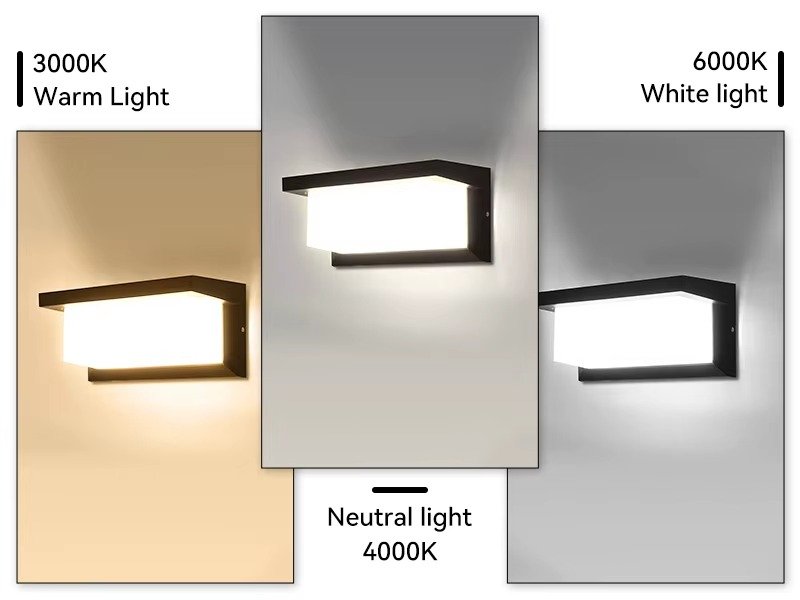
- 2700K: Very warm white with a soft, residential feel
- 3000K: Warm white with a clean and comfortable appearance
- 4000K: Neutral white, brighter and more functional
- 5000K and above: Cool white with a noticeably bluish appearance
A higher Kelvin value does not necessarily mean a brighter lamp. It describes the color appearance of the light, not its lumen output.
For most decorative outdoor environments, 2700K to 3000K is often preferred when the goal is warmth and visual comfort.
Why Do Outdoor Lights Look Too Cold?
There are several common reasons why outdoor lights too cold becomes a problem.
First, the selected color temperature may simply be too high for the application. A 5000K fixture may work well in certain functional environments, but it can look overly clinical around a luxury villa or landscaped garden.
Second, the surrounding materials influence how light is perceived. Natural stone, wood, brick, and warm-colored walls usually work better with warmer light.
Third, the lighting design may combine different color temperatures. For example, 3000K wall lights beside 5000K pathway fixtures can create an inconsistent appearance.
Finally, excessive contrast can make cool-white fixtures appear even harsher, particularly when the surrounding environment is dark.
How to Choose the Right Outdoor Lighting Color Temperature
If you are sourcing outdoor lighting for a project, start with the application rather than choosing the highest lumen or lowest price.
1. Residential Villas and Modern Homes
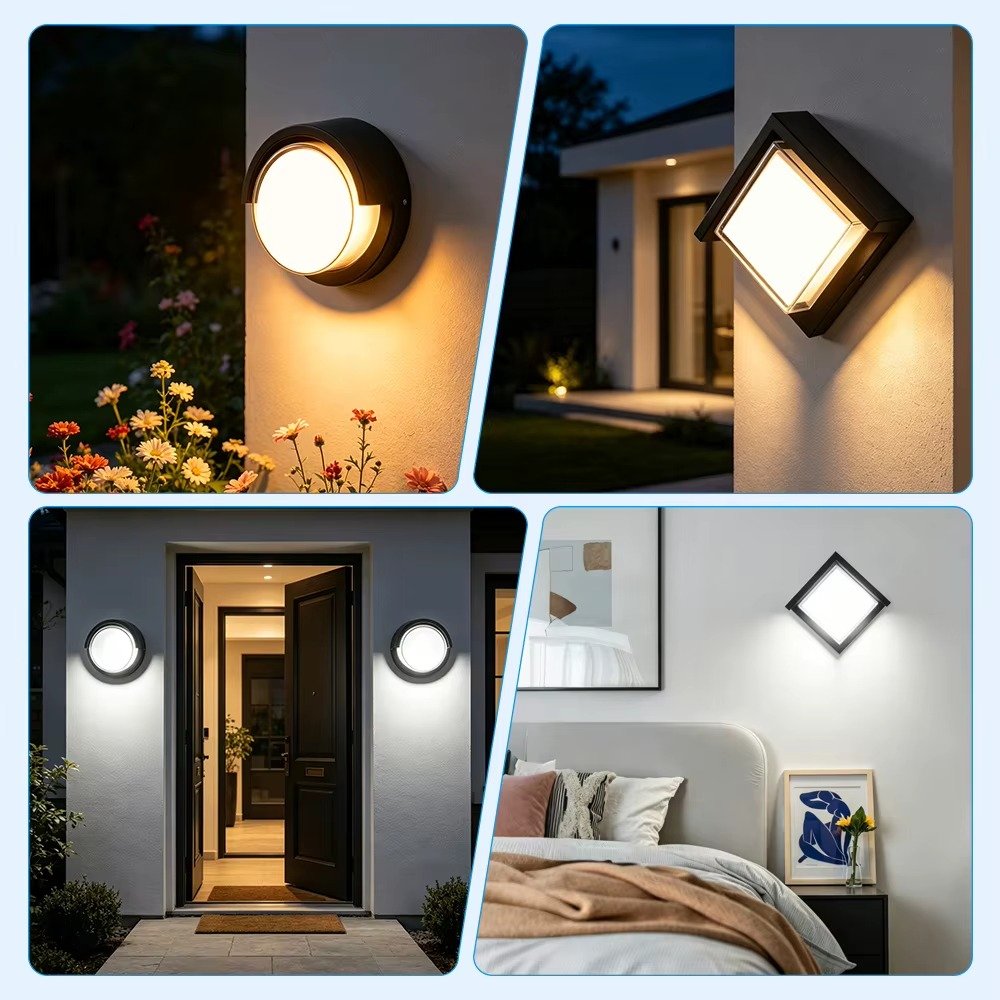
For villas, entrances, patios, balconies, and garden areas, 2700K or 3000K is usually a strong starting point.
Warm white lighting can complement stone, wood, landscaping, and architectural finishes while creating a more welcoming atmosphere.
2. Hotels and Hospitality Projects
Hotels often require a balance between elegance and visibility.
A 2700K–3000K solution can work well for decorative façades, entrances, garden areas, and outdoor hospitality spaces. The exact selection should still be tested against the project’s materials and architectural style.
3. Commercial and Functional Areas
For parking areas, service zones, industrial environments, and some commercial applications, 4000K may be more appropriate because a neutral appearance can provide a more functional visual environment.
The key is to avoid using one color temperature across every application simply for convenience.
2700K vs 3000K vs 4000K: Which Is Better?
| Color Temperature | Appearance | Common Applications |
|---|---|---|
| 2700K | Very warm | Villas, gardens, hospitality |
| 3000K | Warm and clean | Wall lights, façades, landscapes |
| 4000K | Neutral white | Commercial and functional areas |
| 5000K+ | Cool white | Specific security or industrial uses |
If your outdoor lights too cold concern comes from a residential or architectural project, 3000K is often a practical middle ground between warmth and a clean modern appearance.
However, there is no universal “best” color temperature. The correct choice depends on the project.
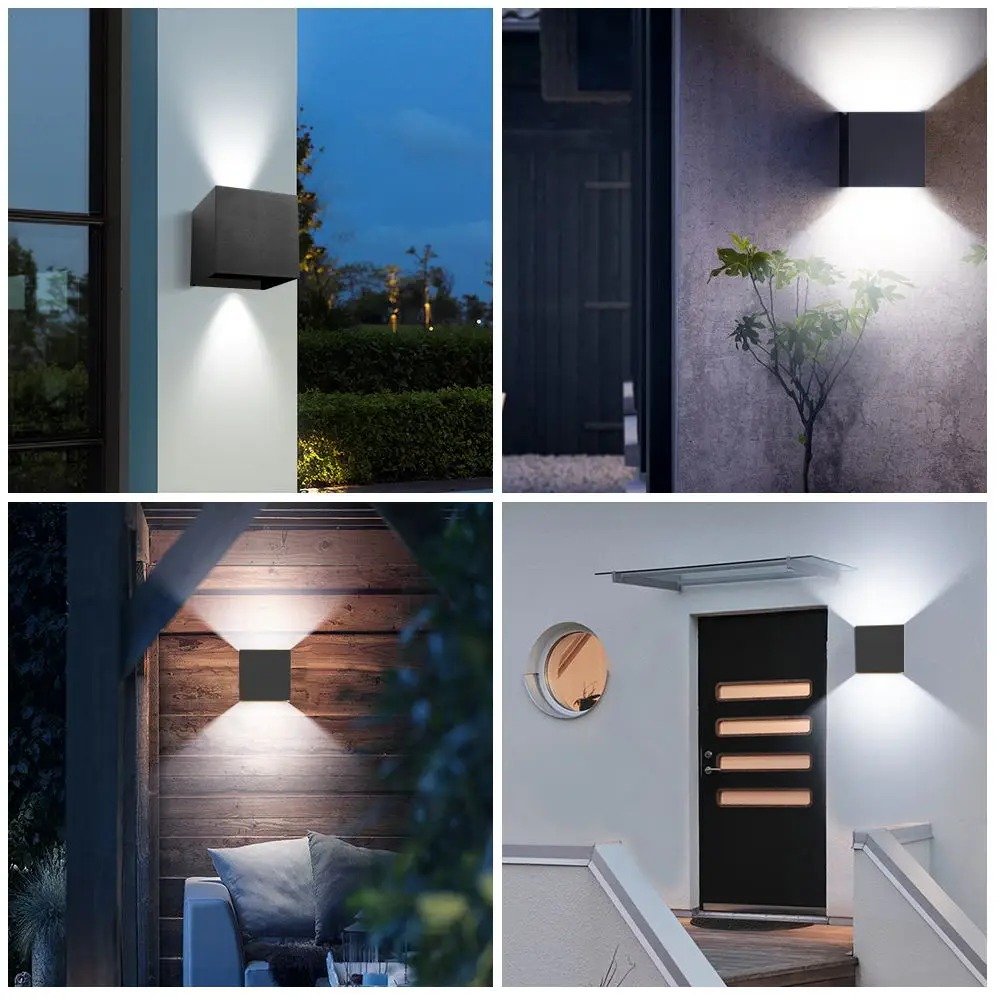
DFMJ Expert Insight: Don’t Choose Color Temperature Alone
At DFMJ Lighting, we recommend that B2B buyers evaluate color temperature together with optics, beam angle, light distribution, fixture material, and installation position.
A 3000K lamp can still feel uncomfortable if it produces uncontrolled glare. Similarly, changing from 4000K to 3000K will not solve poor light distribution.
For this reason, professional outdoor lighting should be evaluated as a complete system rather than by one specification.
Explore DFMJ outdoor wall lighting solutions
Real Project Tip: Test Samples Before Bulk Orders
One of the simplest ways to avoid outdoor lights too cold complaints is to test samples before placing a large production order.
For project buyers, we recommend checking:
- The fixture during both daytime and nighttime conditions.
- Its appearance against the actual building or landscape materials.
- The relationship between different fixtures in the same area.
- Glare and light distribution from the normal viewing position.
- Whether the selected CCT matches the client’s overall design concept.
A sample test can reveal problems that are difficult to identify from a specification sheet alone.
How DFMJ Lighting Approaches Outdoor Lighting
DFMJ Lighting focuses on outdoor LED lighting for wholesalers, distributors, contractors, and project buyers.
Our product range includes outdoor wall lights, garden lights, step lights, façade lighting, and other exterior lighting solutions.
With manufacturing experience and project-oriented product development, we understand that B2B buyers need more than a product with attractive specifications. They need reliable performance, consistent quality, suitable materials, and lighting characteristics that match the intended application.
If your outdoor lights too cold issue is affecting a current project, reviewing the color temperature before finalizing the fixture specification can prevent unnecessary replacements later.

FAQ About Outdoor Lights Too Cold
Are 3000K outdoor lights warm or cool?
3000K is generally considered warm white. It provides a cleaner appearance than 2700K while remaining warmer than neutral 4000K lighting.
Is 4000K too cold for outdoor lighting?
Not necessarily. 4000K can be suitable for commercial, functional, and security-oriented applications. However, it may appear too cool for some residential or decorative projects.
Are 2700K or 3000K better for a villa?
Both can work well. 2700K creates a warmer and softer atmosphere, while 3000K provides a cleaner modern appearance. The final choice should consider the building materials and overall design.
Does higher Kelvin mean brighter outdoor lights?
No. Kelvin describes the color appearance of light. Brightness is generally evaluated using lumens and the actual lighting performance of the fixture.
How can I avoid outdoor lights looking too cold?
Choose the CCT according to the application, test samples before bulk purchasing, and evaluate color temperature together with optics, beam angle, light distribution, and surrounding materials.
About DFMJ Lighting
DFMJ Lighting is a China-based outdoor lighting manufacturer serving B2B customers, including wholesalers, distributors, contractors, and project buyers.
Our focus is practical outdoor lighting for residential, commercial, architectural, and landscape applications.
For buyers comparing different outdoor lighting options, our team can provide product specifications and recommendations based on the project’s application.
Need Help Choosing the Right Outdoor Lighting?
Choosing the right CCT is only one part of a successful outdoor lighting project.
If you are sourcing outdoor wall lights, garden lights, step lights, or other exterior lighting products, contact DFMJ Lighting to discuss your project requirements.
Contact DFMJ Lighting for outdoor lighting solutions
Color temperature describes the appearance of light rather than its brightness. Lower Kelvin values generally create a warmer appearance, while higher values create a cooler appearance.
For more information about lighting terminology and energy-efficient lighting, buyers can also refer to the ENERGY STAR lighting resources.