
Can I replace the LED driver in an outdoor light? Yes, in many cases, but the replacement must be compatible with the LED module and suitable for the fixture’s installation environment. Before deciding whether to replace the driver, check the electrical specifications, physical dimensions, and waterproofing requirements.
If you are wondering, “Can I replace the LED driver in an outdoor light without replacing the whole fixture?”, the answer depends on the fixture design, the condition of the LED module, and the availability of a compatible replacement driver.
1. Can I Replace the LED Driver in an Outdoor Light?
In many outdoor LED lights, the driver can be replaced if it is accessible, the LED module is still serviceable, and a compatible replacement is available.
However, not every outdoor light is designed for driver replacement. Some fixtures use sealed or integrated assemblies, while others may have limited access to internal components.
Before deciding, check these conditions:
- The driver is accessible: The housing can be opened according to the manufacturer’s service instructions.
- The LED module is still functional: The LEDs themselves have not failed or suffered damage.
- A compatible driver is available: The replacement meets the required electrical and control specifications.
- The fixture can be resealed correctly: Opening the housing will not compromise its protection against water and dust.
- The repair is permitted: The manufacturer’s guidance, warranty conditions, and applicable electrical requirements allow the repair.
If the driver is sealed inside the fixture, the LED board is damaged, or the original specifications cannot be identified, replacing the complete fixture may be more practical.
For outdoor lights used in commercial projects, ask the original manufacturer whether a replacement driver is available for the exact model before purchasing a generic alternative.
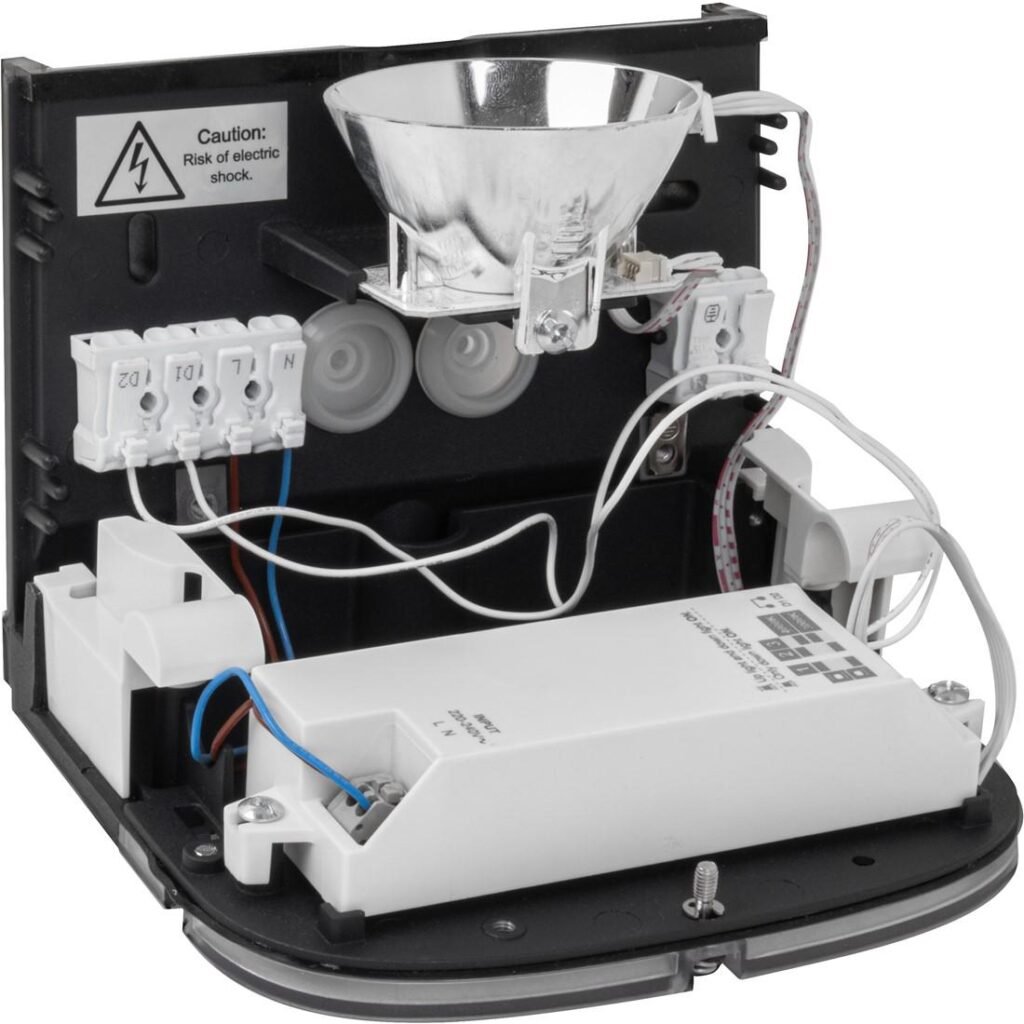
2. Check the LED Driver Specifications Before Replacement
The most important step is identifying the original driver’s specifications. Do not select a replacement based on wattage alone.
Check the label on the existing driver and compare it with the LED module’s requirements and the replacement driver’s datasheet.
Key specifications to check
| Specification | What to confirm | Why it matters |
|---|---|---|
| Input voltage | Compatible AC supply and voltage range | The driver must suit the available electrical supply |
| Output type | Constant current or constant voltage | The output method must match the LED system |
| Output current | Required current for constant-current systems | Incorrect current can damage or shorten the life of LEDs |
| Output voltage | Required voltage or operating range | The LED load must operate within the driver’s specified range |
| Rated power | Suitable capacity for the connected LED load | Wattage alone does not establish compatibility |
| Dimming | Non-dimmable, 0–10V, DALI, or other specified control | The driver must work with the installed control system |
| Protection and temperature | Required safety, environmental, and thermal ratings | The driver must suit the fixture and installation conditions |
| Physical dimensions | Fit, mounting, wiring access, and clearances | The replacement must fit without compromising safe installation |
Constant-current vs. constant-voltage drivers
These two driver types are not interchangeable simply because their wattage ratings are similar.
A constant-current driver regulates its output current and is commonly used in LED luminaires with LED modules designed for a specified current.
A constant-voltage driver maintains a specified output voltage and is used with LED loads designed for that voltage.
For example, a constant-current driver rated at 700 mA is not automatically a suitable replacement for another driver simply because both are rated at 20W. The current and operating voltage range must match the connected LED system.
Likewise, a 24V constant-voltage supply should not be substituted for a constant-current driver unless the complete LED system has been specifically designed for that arrangement.
Buyer tip: When requesting a replacement driver, provide a clear photo of the original driver’s label, the light’s model number, and the LED module specifications if available.
3. Make Sure the Replacement Driver Is Suitable for Outdoor Use
Outdoor lighting faces environmental conditions that indoor lighting may not encounter, including moisture, temperature changes, dust, and exposure to weather.
Even if a replacement driver has the correct electrical specifications, it may not be suitable for the original fixture or installation environment.
Check the following points:
- Environmental rating: Confirm that the driver and its enclosure are suitable for the intended installation conditions.
- Sealing and cable entries: Ensure that the original sealing design can be restored after servicing.
- Temperature range: Check the driver’s permitted operating temperature and the temperature conditions inside the fixture.
- Mounting and ventilation: Follow the manufacturer’s installation requirements and maintain necessary clearances.
- Electrical safety: Confirm appropriate insulation, grounding, wiring, and protection requirements for the fixture.
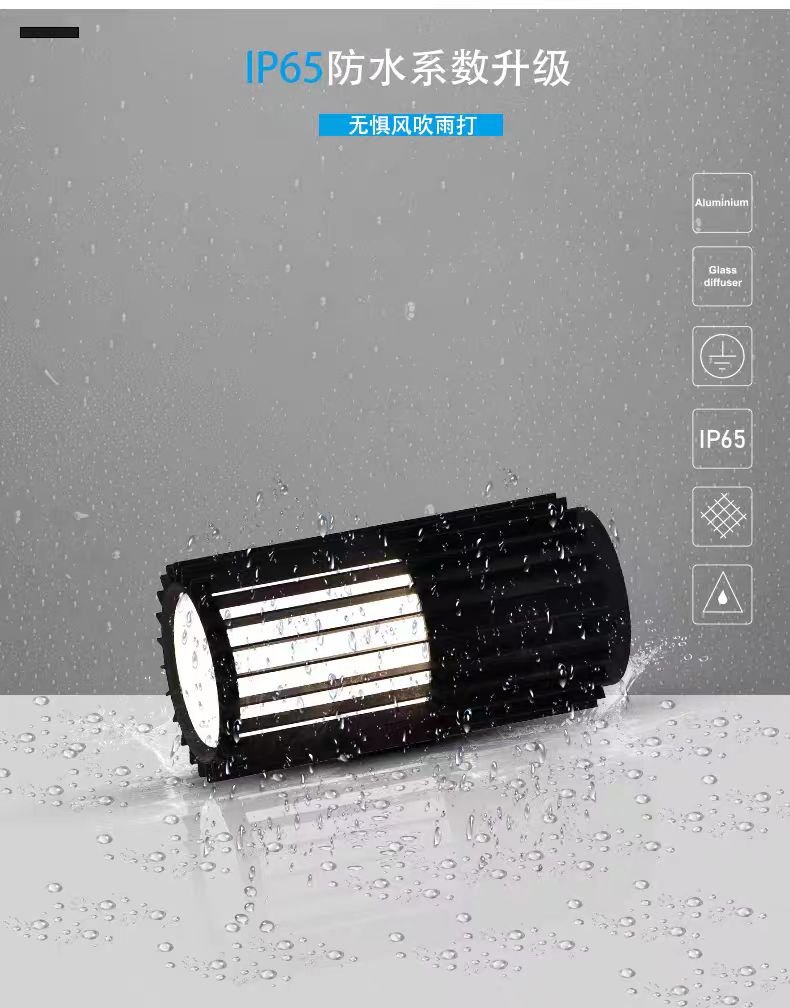
An outdoor light’s IP rating applies to the protection of the relevant enclosure or assembly under specified test conditions. Replacing an internal component does not automatically preserve the original rating.
For background, consult the IEC 60529 standard for degrees of protection provided by enclosures. This standard describes the IP classification system; it does not certify a particular replacement driver or guarantee that a repaired fixture retains its original IP rating.
After servicing, the fixture must be assembled and sealed according to the manufacturer’s requirements. If the original protection cannot be restored or verified, do not assume the light remains suitable for its previous outdoor installation.
4. How to Tell Whether the LED Driver Is the Problem
A flickering or non-working outdoor light does not always have a failed driver. Other possible causes include a damaged LED module, loose connections, water ingress, a faulty control system, or an issue with the incoming power supply.
Common symptoms that may indicate a driver problem include:
- The light flickers or repeatedly switches off.
- The light does not start even though the supply is available.
- The light output becomes unstable.
- The driver shows visible damage, discoloration, or signs of overheating.
- The fixture behaves abnormally after a surge or electrical fault.
These symptoms are clues, not proof. A qualified technician should diagnose the fault before replacing components.
If the light has been exposed to water, inspect the cause of the ingress rather than simply installing a new driver. Otherwise, the replacement component may fail for the same reason.
For related troubleshooting advice, see our guide to Why Do Outdoor Lights Trip After Rain?.
5. When Should You Replace the LED Driver or the Whole Outdoor Light?
The right decision depends on the condition of the fixture, availability of parts, labor costs, and the importance of maintaining the original product configuration.
| Situation | Possible option | What to consider |
|---|---|---|
| Driver has failed, but the LED module is serviceable | Replace the driver | Confirm electrical compatibility and correct reassembly |
| LED module and driver are both damaged | Evaluate full fixture replacement | Compare repair cost and parts availability |
| Water has entered the housing | Diagnose the cause first | Check seals, cable entries, and internal damage |
| Driver specifications cannot be identified | Contact the manufacturer | Avoid selecting a substitute by guesswork |
| Fixture is sealed and not designed for service | Consider replacing the complete light | Follow the manufacturer’s guidance |
| Replacement parts are unavailable or repair is uneconomical | Compare a new fixture | Consider installation cost, warranty, and compatibility |
For distributors and project buyers, spare-part availability is worth discussing before placing an order. If an outdoor light will be used across a large project or installed at many locations, access to compatible replacement drivers can help simplify future maintenance.
However, a driver replacement is not automatically cheaper or safer than a new fixture. The full cost should include diagnosis, labor, parts, testing, and any work needed to restore the enclosure.
Can I Replace the LED Driver in an Outdoor Light Without Changing the LED Module?
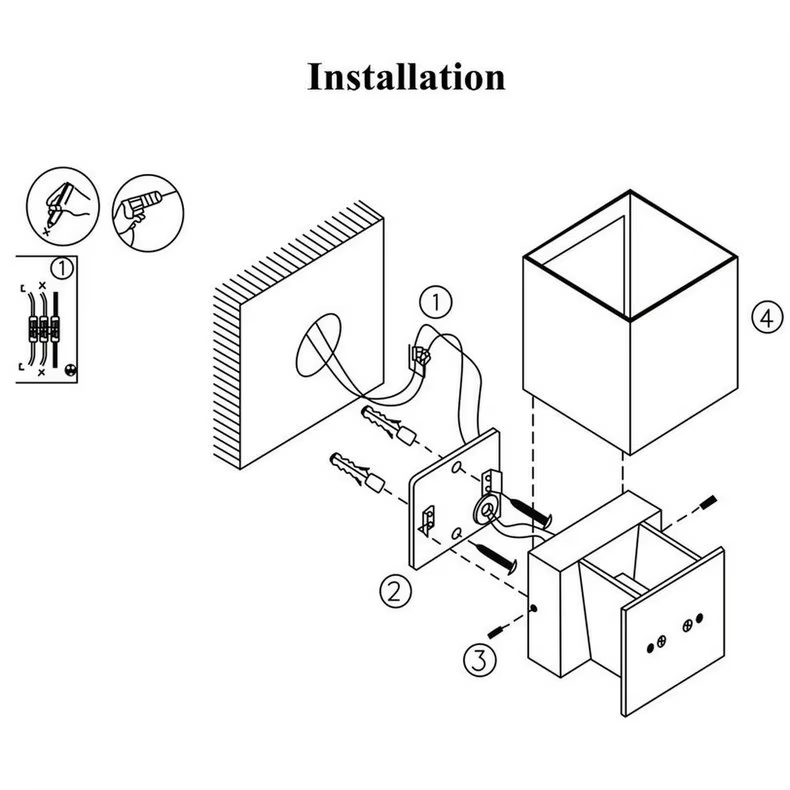
In many cases, you can replace the driver without changing the LED module, provided the LED module is still functional and the replacement driver matches its electrical requirements.
Before proceeding, confirm the required output current, operating voltage range, driver type, dimming compatibility, and thermal requirements. Also check whether opening the fixture could affect its seals or warranty.
If the LED module is damaged, the original driver specifications are unavailable, or the fixture cannot be safely resealed, consult the manufacturer or a qualified technician before deciding whether to replace the driver or the complete outdoor light.
6. What Should B2B Buyers Ask the Outdoor Lighting Supplier?
When purchasing outdoor lights for distribution, commercial buildings, hotels, landscapes, or other projects, confirm the maintenance arrangements before the order is finalized.
Ask the supplier:
- Is the LED driver replaceable in this specific model?
- Can you provide the driver brand, model, and datasheet?
- What are the required input voltage, output current, and output voltage range?
- Is the driver constant-current or constant-voltage?
- Does the fixture support dimming, and which control method is required?
- Are replacement drivers available for future orders?
- Can the driver be replaced without compromising the fixture’s sealing?
- What service instructions and warranty conditions apply?
- Is testing or inspection required after replacement?
- How long are compatible spare parts expected to remain available?
The answers should be recorded in the technical documentation or purchase agreement where appropriate.
For customized projects, confirm the driver specification before approving the sample. If substitutions are permitted, agree on the minimum required electrical and performance specifications instead of relying on a general promise of an “equivalent” component.
7. How to Reduce LED Driver Replacement Problems
A few checks during product selection and purchasing can make future maintenance easier.
- Record the driver model: Keep the model number and datasheet with the product records.
- Confirm compatibility requirements: Document input voltage, output type, current, voltage range, and dimming requirements.
- Keep product identification clear: Retain model numbers and approved specifications for repeat orders.
- Ask about spare parts: Confirm whether compatible drivers can be supplied later.
- Review warranty conditions: Understand which repairs are permitted and how they affect warranty coverage.
- Use qualified technicians: Electrical servicing should be performed by personnel qualified for the task, following isolation procedures and applicable local requirements.
- Check the complete fixture after repair: Verify correct operation and that the enclosure has been reassembled according to the manufacturer’s instructions.
These steps are particularly useful for wholesalers and project buyers managing multiple product models or installations across different locations.
DFMJ Expert Insight: Confirm Driver Details Before Ordering
For B2B outdoor lighting buyers, driver specifications should be considered during product selection—not only after a failure occurs.
At DFMJ Lighting, we recommend confirming the electrical configuration, installation environment, product model, and maintenance requirements before placing an order. For projects where long-term servicing matters, ask the supplier about driver availability, product documentation, and replacement procedures.
If you are sourcing outdoor wall lights, garden lights, step lights, or other outdoor lighting products, visit the DFMJ Lighting website or contact us to discuss your product requirements.
Frequently Asked Questions
Can I replace the LED driver in an outdoor light myself?
It depends on the fixture design, local requirements, and your electrical qualifications. Outdoor lighting may be connected to hazardous mains voltage. Power must be safely isolated and verified before servicing, and electrical work should be performed by a qualified person where required. Follow the manufacturer’s service instructions.
Can I use a higher-wattage LED driver?
Not automatically. The replacement must match the LED system’s output type, current or voltage requirements, operating range, controls, and other relevant specifications. A higher wattage rating alone does not establish compatibility.
Does replacing an LED driver affect the IP rating?
It can. Opening a fixture may disturb gaskets, seals, cable entries, or other protective features. The original IP rating should not be assumed to remain valid unless the fixture is reassembled and the relevant protection is maintained in accordance with the manufacturer’s requirements.
Why does my outdoor light still flicker after replacing the driver?
The cause may be a mismatched driver, a damaged LED module, loose connections, incompatible dimming controls, unstable supply, or moisture ingress. A qualified technician should check the complete system rather than replacing components repeatedly without diagnosis.
Should I replace the whole outdoor light instead of the driver?
Consider replacing the complete fixture if the LED module or housing is damaged, the driver is inaccessible, compatible parts are unavailable, the original sealing cannot be restored, or the total repair cost is not economical. The manufacturer’s recommendations should guide the decision.
Final Takeaway
Can I replace the LED driver in an outdoor light? In many cases, yes—but only when the replacement is compatible with the LED system and the fixture can be safely serviced and correctly resealed.
Check the input voltage, output type, current, voltage range, dimming method, environmental suitability, and physical fit before choosing a replacement. If the driver specifications are unclear or the fixture has been damaged by water, consult the manufacturer or a qualified technician.
For B2B buyers, confirming driver details and spare-part availability before ordering can make future maintenance more predictable and help avoid unsuitable replacements.