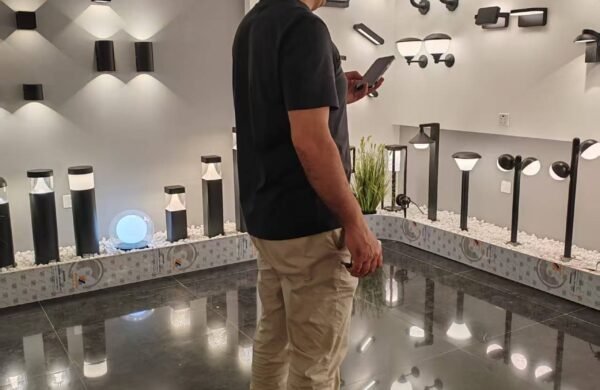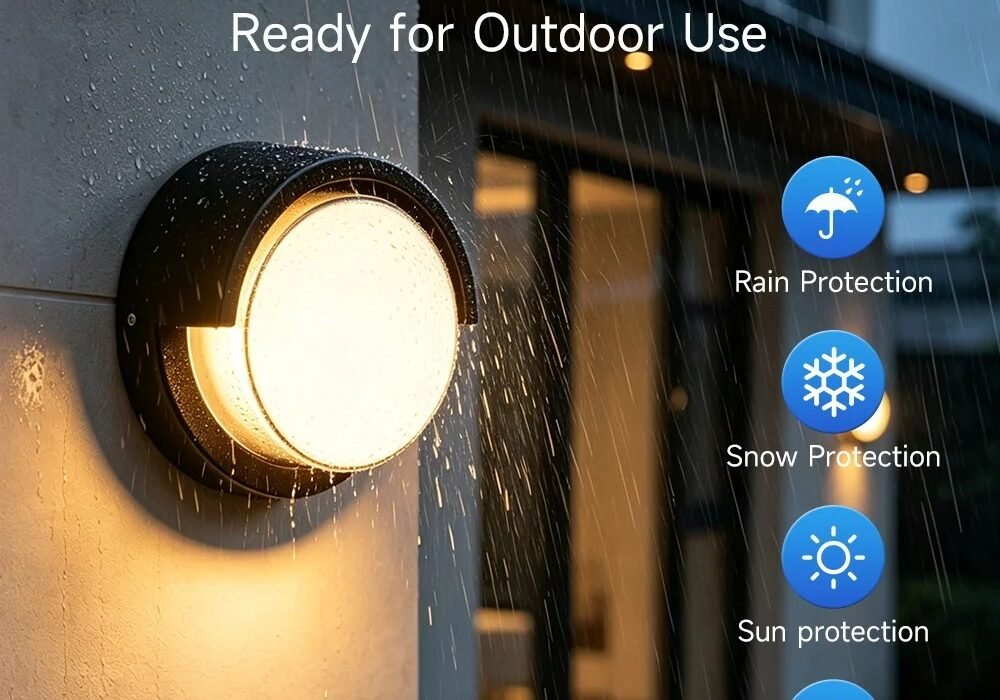

Outdoor lighting waterproof performance is one of the most important factors when selecting outdoor fixtures for residential, commercial, and landscape projects.
After heavy rain, many users experience problems such as flickering lights or situations where the outdoor light keeps tripping breaker. In most cases, the problem is caused by water entering electrical components, poor sealing, or unsuitable waterproof protection.
Understanding waterproof design, preventing bollard light water ingress, and choosing the correct IP protection level can significantly improve outdoor lighting reliability.
Why Outdoor Lighting Waterproof Design Matters After Rain?
When a breaker trips, it is doing exactly what it was designed to do—protecting people and electrical equipment.
Rainwater itself isn’t the direct problem. The real issue is that moisture creates an unintended electrical path. Once electricity escapes through water or damaged insulation, the breaker immediately disconnects power.
Common symptoms include:
- Lights work normally during dry weather.
- Breaker trips only after rainfall.
- Some fixtures flicker before shutting off.
- The breaker cannot be reset until the system dries.
If your outdoor light keeps tripping breaker, identifying the moisture entry point should be your first priority.
1. Bollard Light Water Ingress Is the Most Common Cause
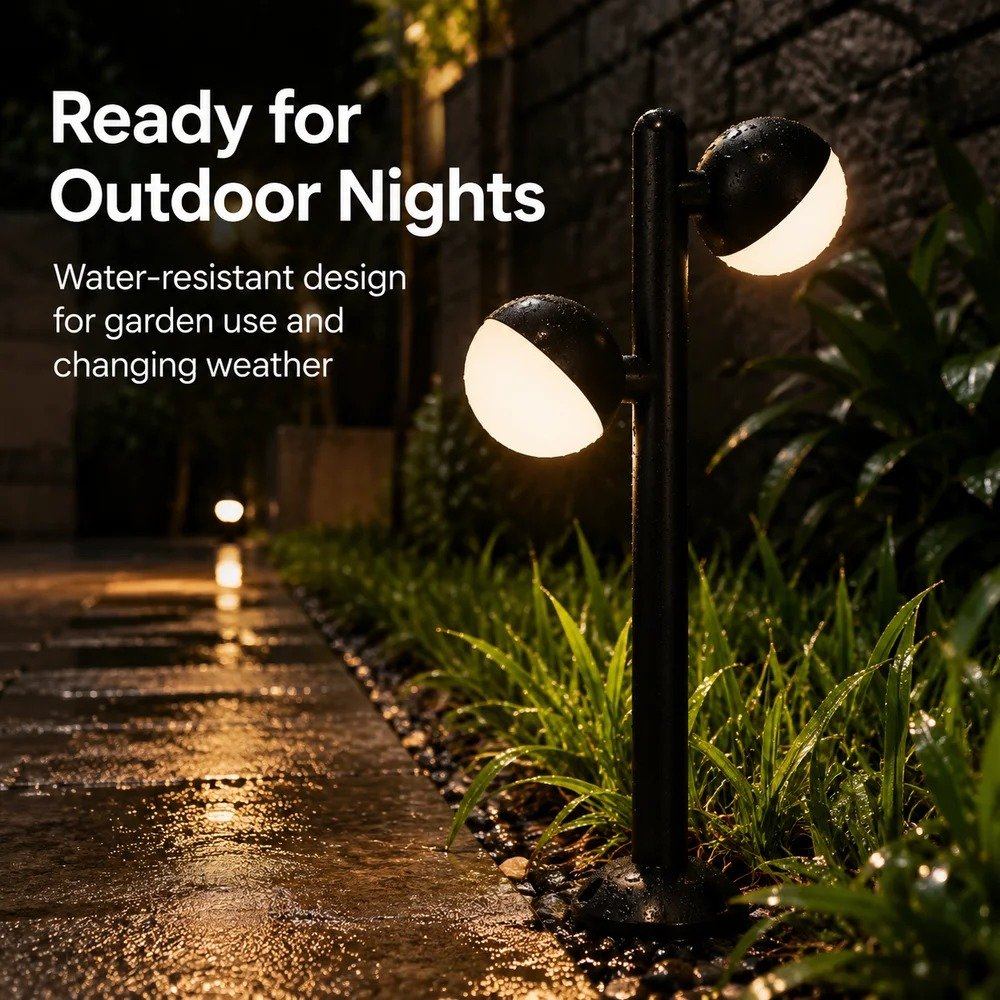
One of the biggest causes is bollard light water ingress.
Many outdoor bollard lights are installed close to the ground where standing water, lawn irrigation, and heavy rain accumulate. Poor sealing allows water to enter through:
- Cable entry holes
- Damaged silicone seals
- Loose lens covers
- Aging rubber gaskets
- Poor installation practices
- Cracked housing
- Inferior waterproof design
Once water reaches the LED driver or wiring terminal, electrical leakage occurs and the breaker trips.
Professional outdoor lighting manufacturers usually design multiple waterproof barriers instead of relying on only one gasket.
2.Damaged Cable Insulation
Outdoor cables experience years of exposure to sunlight, temperature changes, landscaping equipment, and rodents.
Even a tiny crack in cable insulation allows moisture to reach the conductor.
Signs include:
- Breaker trips only during wet weather
- Visible cracks on underground cables
- Corrosion around connectors
- Burn marks inside junction boxes
Replacing damaged wiring is often more effective than attempting temporary repairs.
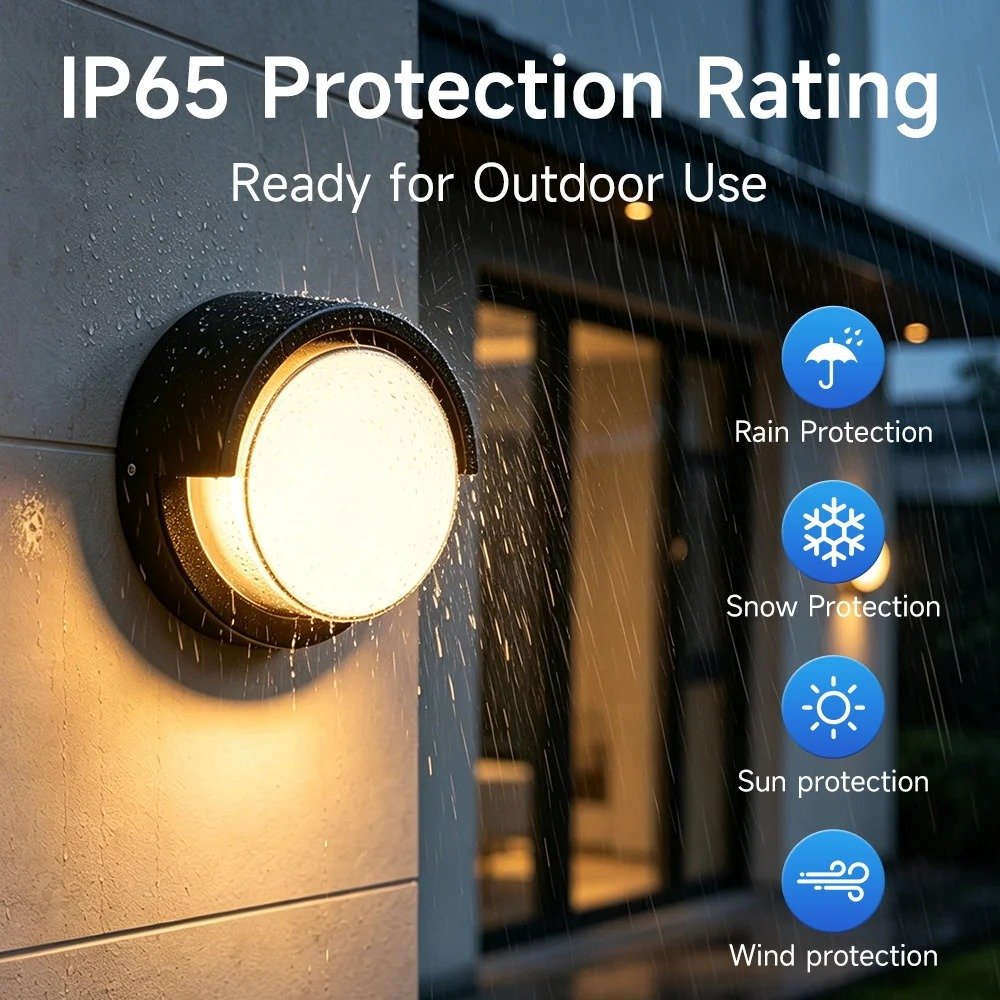
3.Outdoor Lighting Waterproof Ratings: IP65 vs IP67 Explained
Many buyers misunderstand IP65 vs IP67 ratings.
Rating Protection
IP65 Protected against water jets from any direction
IP67 Protected against temporary immersion in water
An IP65 fixture is suitable for most wall-mounted applications and landscape lighting where direct water immersion is unlikely.
However, areas that frequently experience flooding or prolonged standing water may require IP67 protection.
Choosing the wrong waterproof rating increases the risk of moisture entering electrical components.
Understanding IP65 vs IP67 helps buyers select the appropriate fixture for each installation environment instead of assuming higher ratings are always necessary.
4. Poor Junction Box Sealing
Outdoor junction boxes are frequently overlooked.
Even when the light fixture itself has excellent waterproof performance, water entering the wiring box can still cause leakage current.
Typical mistakes include:
- Missing waterproof cable glands
- Loose cover screws
- Incorrect silicone application
- Improper drainage
- Low-quality connectors
Every connection point should have the same waterproof protection level as the lighting fixture.
5.Low-Quality LED Drivers
The LED driver is the heart of every outdoor fixture.
Cheap drivers often fail because:
Poor internal sealing
Weak moisture resistance
Low-quality electronic components
Inadequate heat dissipation
When humidity enters the driver, insulation resistance decreases, causing the breaker to trip.
Reliable manufacturers typically use fully sealed drivers tested for outdoor environments.
6.Aging Rubber Gaskets
Rubber seals gradually deteriorate under:
UV exposure
Heat cycles
Winter freezing
Air pollution
Chemical cleaners
As the gasket hardens or cracks, rainwater easily enters the housing.
Routine maintenance should include inspecting all rubber sealing components every few years.
7.Poor Installation Practices
Even premium fixtures cannot compensate for poor installation.
Common installation errors include:
Downward-facing cable entries
Missing drip loops
Overtightened screws damaging seals
Improper conduit connections
Incomplete silicone sealing
Professional installation significantly reduces future waterproof failures.
How to Choose Outdoor Lighting Waterproof Solutions?
The best solution is preventing water from entering the system in the first place.
Consider these best practices:
Choose fixtures with certified waterproof construction.
Install waterproof cable glands.
Use sealed junction boxes.
Inspect gaskets during routine maintenance.
Select UV-resistant cable insulation.
Replace damaged drivers immediately.
Follow manufacturer installation instructions carefully.
Proper outdoor lighting waterproof design involves much more than selecting a fixture with a high IP rating. Every connection, cable, seal, and installation detail contributes to long-term reliability.
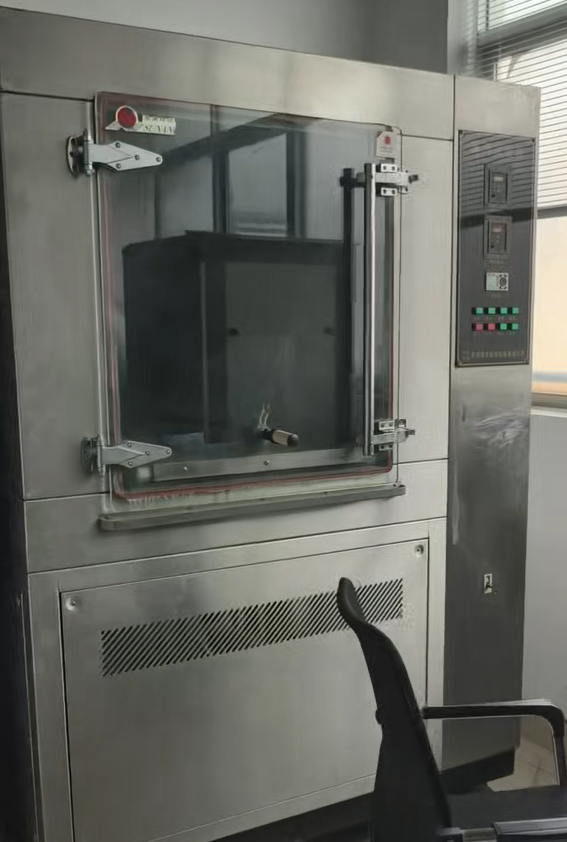
How Manufacturers Test Outdoor Lighting Waterproof Performance?
High-quality outdoor lighting manufacturers typically improve waterproof performance through several design features:
Multi-layer sealing structures
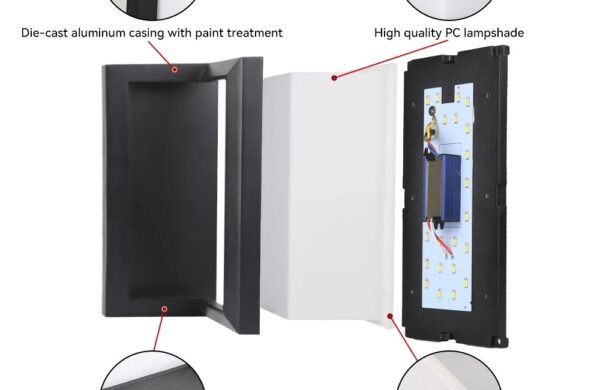
Die-cast aluminum housings
Precision-machined sealing surfaces
Waterproof cable glands
Pressure-equalization vents
UV-resistant silicone gaskets
Long-term IP testing
These engineering improvements reduce the likelihood of bollard light water ingress and improve system reliability in demanding outdoor environments.
Conclusion
If your outdoor light keeps tripping breaker, rain is usually exposing an existing weakness rather than creating a new problem.
Most failures originate from water entering through damaged cables, aging seals, poorly protected junction boxes, or inadequate waterproof design.
Understanding IP65 vs IP67, preventing bollard light water ingress, and selecting products with reliable outdoor lighting waterproof construction can greatly reduce maintenance costs and improve long-term performance.
Whether you’re specifying lighting for residential landscapes or commercial projects, investing in well-engineered waterproof fixtures is often the most cost-effective solution over the lifetime of the installation.
For commercial projects, outdoor lighting waterproof performance directly affects maintenance costs and product lifespan.
Need reliable outdoor lighting waterproof solutions for your project? Contact our lighting engineers for customized solutions.