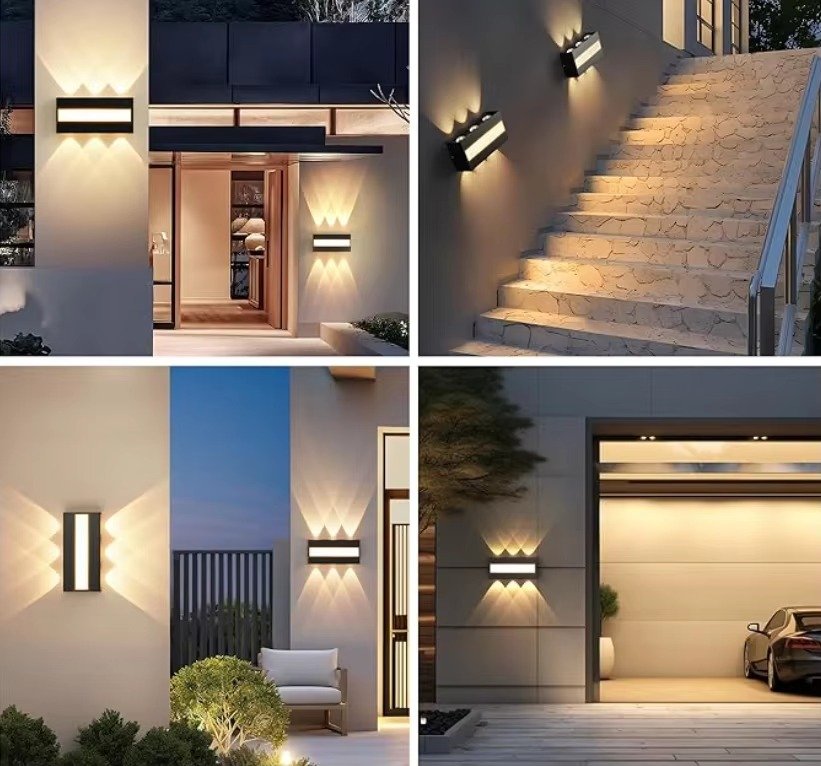
die cast aluminum vs plastic outdoor lights comparison

Die Cast Aluminum vs Plastic Outdoor Lights: 7 Key Differences and Benefits

When buying outdoor lighting for a project, one question often comes up: die cast aluminum vs plastic outdoor lights — which is better?

The housing material affects much more than appearance. It can influence heat dissipation, durability, weight, corrosion resistance, finishing, cost and long-term performance.

For B2B buyers, wholesalers, contractors, hotels and project developers, choosing between aluminum and plastic should start with the application rather than the lowest unit price.

So, die cast aluminum vs plastic outdoor lights: which material should you choose?

The answer depends on the project, but die-cast aluminum has several important advantages for many architectural and commercial outdoor lighting applications.

die cast aluminum vs plastic outdoor lights comparison

Die Cast Aluminum vs Plastic Outdoor Lights: What Is the Difference?

The housing protects the LED, driver, wiring and other internal components from the outdoor environment.

Plastic outdoor lights may use materials such as polycarbonate or other engineering plastics. Die-cast aluminum outdoor lights are manufactured by injecting molten aluminum into a mold under pressure to create a rigid housing.

Neither material is automatically suitable for every application.

The key is to understand how each material performs in the environment where the fixture will be installed.


1. Heat Dissipation

Heat management is one of the biggest differences in die cast aluminum vs plastic outdoor lights.

LEDs and drivers generate heat during operation. If heat cannot escape efficiently, high operating temperatures can affect electronic components and long-term reliability.

Aluminum has much better thermal conductivity than most plastics.

A die-cast aluminum housing can therefore help transfer heat away from the internal components.

Plastic has lower thermal conductivity, so thermal management needs to be considered carefully in the fixture design.

For higher-power outdoor wall lights or fixtures that operate for long periods, this difference can become important.

Buying tip: Don’t only ask about wattage. Ask how the fixture manages heat.

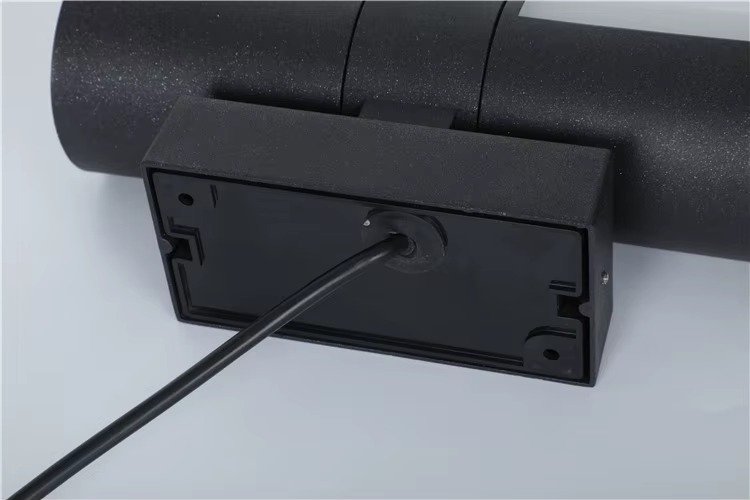
die cast aluminum vs plastic outdoor lights comparison

2. Durability and Mechanical Strength

Outdoor lights can face rain, wind, temperature changes, installation impact and accidental damage.

In the die cast aluminum vs plastic outdoor lights comparison, aluminum generally provides a more rigid housing.

This makes die-cast aluminum a practical choice for many commercial, architectural and outdoor wall lighting applications.

Plastic can also be highly durable when the manufacturer uses the correct engineering-grade material. However, different plastics have different resistance to UV exposure, impact and temperature.

For this reason, buyers should ask what type of plastic is being used rather than simply choosing “plastic.”


3. Weight: Plastic Has an Advantage

One clear benefit of plastic is its lower weight.

Plastic outdoor lights can be useful when:

  • Shipping weight needs to be minimized
  • Fixtures are installed on lightweight structures
  • Installation needs to be particularly easy
  • Large quantities need to be transported

Die-cast aluminum is heavier, but that additional weight also comes with greater rigidity and a more substantial housing.

So in die cast aluminum vs plastic outdoor lights, neither material wins every category.

Plastic is lighter. Aluminum is generally more rigid.


4. Corrosion Resistance

Corrosion is one area where the comparison needs more explanation.

Plastic does not corrode like metal.

Aluminum can corrode when exposed to moisture, salt and aggressive outdoor environments, particularly if the protective coating is damaged.

However, properly designed aluminum outdoor lights can use surface treatment and powder coating to provide an effective protective barrier.

For coastal projects, buyers should evaluate:

  • Aluminum alloy and housing design
  • Surface preparation
  • Powder coating
  • Stainless steel hardware
  • Sealing
  • Installation environment

This is why die cast aluminum vs plastic outdoor lights should never be reduced to “metal versus plastic.”

The complete construction matters.


5. Finishing and Appearance

For architectural outdoor lighting, appearance is part of the specification.

Die-cast aluminum provides a strong surface for different powder-coated finishes.

Common options include:

  • Black
  • Dark gray
  • White
  • Textured finishes
  • Custom RAL colors

This makes aluminum particularly suitable for outdoor wall lights used on modern buildings, villas, hotels and commercial properties.

Plastic can also be produced in different colors and textures, but the visual and tactile result can be different.

For projects where the fixture needs to look substantial and architectural, aluminum is often preferred.


6. Cost: Plastic Is Not Always the Cheaper Long-Term Choice

Plastic outdoor lights can have a lower material and production cost in some applications.

Die-cast aluminum generally requires:

  • Metal molds
  • Die-casting
  • Surface treatment
  • Powder coating
  • More manufacturing processes

So the initial price can be higher.

But B2B buyers should look beyond the unit price.

Consider:

Purchase price → installation → maintenance → replacement → expected service life

A cheaper fixture that requires frequent replacement may not be the cheaper solution for a hotel, commercial property or large landscape project.

The best material is the one that provides the right balance between cost and required performance.


7. Outdoor Application Should Decide the Material

There is no universal winner in the die cast aluminum vs plastic outdoor lights comparison.

A practical way to think about it is:

RequirementDie-Cast AluminumPlastic
Heat dissipationExcellentLower
Structural rigidityHighDepends on material
WeightHeavierLighter
CorrosionRequires protectionNaturally corrosion-resistant
Finishing optionsExcellentDepends on material
Initial costOften higherOften lower
Architectural appearanceStrongDepends on design
Thermal managementStrong advantageRequires careful design

For a simple low-power application, plastic may be completely suitable.

For architectural wall lighting, commercial projects or fixtures with greater thermal requirements, die-cast aluminum can be a more appropriate choice.

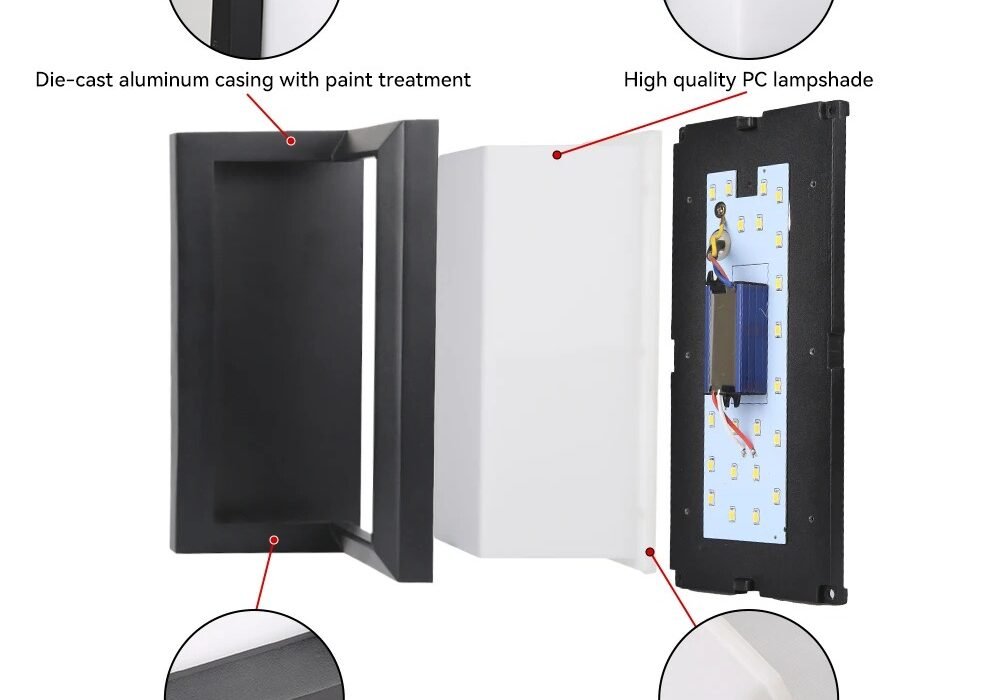
die cast aluminum vs plastic outdoor lights comparison

DFMJ Expert Insight: Don’t Compare Materials Without Comparing the Whole Fixture

At DFMJ Lighting, we don’t evaluate an outdoor light simply by asking whether its housing is aluminum or plastic.

We look at the whole construction.

For a die-cast aluminum outdoor wall light, for example, we consider:

  1. Housing design
  2. Heat dissipation
  3. LED and driver configuration
  4. Surface preparation
  5. Powder coating
  6. Sealing and waterproof construction
  7. Hardware and assembly
  8. Actual installation environment

This is important because a good material cannot compensate for poor product design.

A well-designed plastic fixture can outperform a poorly designed aluminum fixture.

Our position is therefore simple:

Material is the starting point, not the final quality judgment.


Real Project Tip: Tell Your Supplier the Application First

When requesting an outdoor lighting quotation, don’t only send the product photo and quantity.

Give the manufacturer the application.

For example:

“We need 300 outdoor wall lights for a modern apartment project.”

or:

“We need 500 outdoor wall lights for a coastal hotel.”

These two projects may require different considerations.

The supplier should then evaluate:

Environment → Power → Material → Thermal management → Coating → Waterproofing → Testing

This can help avoid choosing a fixture based only on the lowest quotation.


Why DFMJ Uses Die-Cast Aluminum for Many Outdoor Wall Lights

Many of our DFMJ outdoor wall lights use die-cast aluminum housing because it provides a useful combination of structural strength, thermal management and finishing flexibility.

For B2B buyers looking for architectural outdoor lighting, you can explore our DFMJ outdoor lighting solutions and discuss the appropriate housing and specification for your application.

The goal is not to make every outdoor light from the same material.

The goal is to select the right construction for the right environment.

DFMJ Lighting outdoor LED wall light warm white

FAQ

Is die-cast aluminum better than plastic for outdoor lights?

Not always. Die-cast aluminum offers advantages in heat dissipation, rigidity and finishing, while plastic is lighter and naturally resistant to metal corrosion. The best material depends on the application.

Do plastic outdoor lights last longer than aluminum lights?

Not necessarily. Service life depends on material quality, UV resistance, thermal management, electronics, waterproofing and overall product design.

Does die-cast aluminum rust?

Aluminum does not rust like iron or steel, but it can corrode. Proper surface treatment and powder coating can help protect aluminum outdoor lighting from environmental exposure.

Are die-cast aluminum outdoor lights more expensive?

They can have a higher initial manufacturing cost than some plastic fixtures. However, B2B buyers should also consider maintenance, replacement and expected performance rather than comparing unit price alone.

Which material is better for outdoor wall lights?

For many architectural and commercial outdoor wall lights, die-cast aluminum is a strong option because of its rigidity, heat dissipation and finishing possibilities. The final specification should still match the project environment.


About DFMJ Lighting

DFMJ Lighting is a China-based outdoor lighting manufacturer serving wholesalers, distributors, contractors and project buyers.

Our product range includes outdoor wall lights, garden lights, bollard lights, step lights, inground lights and other outdoor lighting solutions.

With more than 16 years of manufacturing experience, DFMJ focuses on product construction, material selection, waterproof protection, aging testing and final quality inspection.

For B2B buyers, we can support standard products as well as OEM/ODM outdoor lighting projects.

DFMJ Lighting outdoor fixture tested at night for brightness and glare

Need Outdoor Wall Lights for Your Project?

Choosing between aluminum and plastic should start with the application, not just the price.

Tell us your:

  • Project type
  • Installation environment
  • Quantity
  • Required wattage
  • Material preference
  • IP rating
  • Finish/color

DFMJ Lighting can help you evaluate the right outdoor wall light construction for your project.

Explore DFMJ Outdoor Lighting


Related Articles

Outdoor Lights Yellowing? 7 Causes, Materials & Prevention Tips

Why Do Outdoor Lights Turn Yellow? Causes, Materials, and How to Prevent It

Have you noticed your outdoor lights turning yellow after months or years of outdoor use?

When outdoor lights yellowing becomes visible, the problem is usually more than a cosmetic issue. A yellowed lens or diffuser can change the appearance of the fixture, reduce visual clarity, affect light distribution, and make an otherwise well-designed outdoor project look older than it should.

For homeowners, this can be frustrating. For wholesalers, distributors, contractors, and project buyers, premature yellowing can create customer complaints, warranty issues, and replacement costs.

So why do outdoor light covers turn yellow?

The answer often comes down to material selection, UV exposure, heat, product construction, and environmental conditions.

Understanding these factors can help B2B buyers choose outdoor lighting that maintains its appearance and performance for longer.

Why Are Outdoor Lights Yellowing?

When outdoor lights yellowing appears after prolonged outdoor use, UV radiation is often one of the first factors to investigate.

Outdoor fixtures are exposed to sunlight, temperature changes, humidity, rain, dust, and heat. Over time, these conditions can affect polymers and other transparent materials used for lenses, diffusers, and covers.

Common causes include:

  1. UV exposure
  2. Excessive heat
  3. Low-quality plastic materials
  4. Material aging
  5. Poor surface protection
  6. Chemical or environmental exposure
  7. Unsuitable material selection for the application

The important point is that not every transparent plastic performs the same way outdoors.

1. UV Exposure Can Cause Outdoor Lights to Turn Yellow

Ultraviolet radiation from sunlight can gradually affect some plastic materials.

Long-term UV exposure may cause changes in the molecular structure of certain polymers. Depending on the material and formulation, this can lead to yellowing, reduced transparency, brittleness, or surface degradation.

This is one of the main reasons outdoor lights yellowing can become noticeable after extended outdoor exposure.

For outdoor lighting projects, buyers should therefore ask what material is used for the lens or diffuser and whether it is designed for outdoor UV exposure.

A material that performs well indoors may not provide the same long-term performance outdoors.

Outdoor Lights Yellowing UV exposure causing outdoor light diffuser yellowing

2. Heat Can Accelerate Material Aging

UV exposure is not the only factor.

Heat can also accelerate material aging.

Outdoor lighting fixtures may operate for many hours, while direct sunlight can further increase the temperature around the fixture. If the material is not suitable for the operating environment, prolonged heat exposure can contribute to discoloration or degradation.

This is why thermal design matters even when discussing an apparently simple issue such as yellowing.

A well-designed outdoor fixture should consider the relationship between:

Light source + heat + housing + lens material + environment

rather than treating each component separately.

3. Material Choice Makes a Major Difference

One of the most important questions when outdoor lights yellowing occurs is:

What is the lens or diffuser made from?

Common materials used in outdoor lighting include acrylic, polycarbonate, glass, and other engineered polymers.

Their optical properties, impact resistance, UV performance, heat resistance, and long-term appearance can vary significantly.

For B2B buyers, the cheapest transparent material is not necessarily the most economical choice.

If a diffuser becomes yellow and needs to be replaced after a relatively short period, the total cost may become much higher than choosing a more suitable material from the beginning.

4. Polycarbonate and Acrylic Are Not Automatically the Same

Polycarbonate and acrylic are both widely used in lighting, but they have different performance characteristics.

Polycarbonate is known for its impact resistance and is widely used where mechanical strength is important. However, its outdoor UV performance depends heavily on the specific grade, formulation, and UV stabilization.

Acrylic can provide excellent optical clarity and is commonly used in lighting applications, but its performance also depends on the exact material and application.

Therefore, simply saying “PC” or “acrylic” does not tell a buyer everything they need to know.

For B2B purchasing, it is better to ask about the specific material grade, UV resistance, application conditions, and testing.

Outdoor Lights Yellowing polycarbonate vs acrylic materials for outdoor lighting

5. Glass Can Be a Different Option

Glass is another material used for outdoor lighting covers.

Compared with some plastics, glass can provide strong resistance to UV-related discoloration and excellent optical stability.

However, glass also has different characteristics, including weight, impact behavior, processing requirements, and design considerations.

That means the decision should not simply be:

Glass is better than plastic.

Instead, the right material depends on the project.

For a commercial landscape project, a contractor may prioritize impact resistance. For an architectural project, optical clarity and long-term appearance may be more important.

DFMJ Expert Insight: Material Selection Is Part of Product Design

At DFMJ Lighting, we believe the material of a lens or diffuser should be selected according to the actual application rather than simply based on cost.

When developing outdoor lighting, we consider factors such as:

UV exposure + operating temperature + optical performance + mechanical requirements + outdoor environment

This is particularly important for products that will be installed in locations with strong sunlight or high temperatures.

A transparent component may look excellent when the product leaves the factory, but the real question for a B2B buyer is:

How will it look after years of outdoor exposure?

That is why material selection should be discussed before mass production, especially for projects where appearance and consistency are important.

For more background on the differences between glass and plastic lighting covers, see our related guide on tempered glass vs plastic for outdoor lighting.

Real Project Tip: Test Materials Before a Large Order

If you are a distributor, contractor, or project buyer concerned about outdoor lights yellowing, do not evaluate a lens only by looking at a new sample.

A new product can look almost identical to another product when both are fresh from the factory.

The difference may only become visible after extended exposure.

Before placing a large order, ask your supplier about:

  • Lens or diffuser material
  • UV resistance
  • Operating temperature
  • Outdoor application conditions
  • Material grade
  • Relevant test reports
  • Expected long-term appearance

If your project is located in a region with strong sunlight, high temperatures, or long outdoor operating hours, communicate these conditions to the manufacturer.

For larger projects, material testing or sample evaluation can help reduce the risk of unexpected discoloration later.

How to Prevent Outdoor Lights Yellowing

If you want to reduce the risk of outdoor lights yellowing, start with the material rather than waiting for discoloration to appear.

A practical approach is to:

  • Choose materials designed for outdoor use
  • Consider UV exposure before selecting the lens
  • Check the material grade rather than only the material name
  • Consider operating temperature
  • Evaluate the fixture’s thermal design
  • Request relevant material or product testing information
  • Test samples under conditions similar to the final application

Most importantly, don’t choose an outdoor light only by comparing unit prices.

The real cost includes product life, appearance, maintenance, replacement, installation, and customer satisfaction.

How DFMJ Lighting Approaches Outdoor Lighting Materials

At DFMJ Lighting, outdoor lighting is designed with the real installation environment in mind.

Our product range includes outdoor wall lights, garden lights, bollard lights, step lights, façade lighting, and other exterior lighting products.

For B2B buyers, material selection is part of the product discussion.

Depending on the project, we can evaluate requirements such as:

  • Outdoor exposure
  • UV conditions
  • Temperature
  • Desired light appearance
  • Mechanical requirements
  • Installation environment
  • Project quantity

This helps buyers move from simply asking for “a cheap outdoor light” to specifying a product that is appropriate for the actual project.

Explore the DFMJ Lighting Outdoor Wall Lights collection if you are sourcing exterior wall lighting for residential or commercial projects.

DFMJ Lighting outdoor LED wall light warm white

FAQ: Outdoor Lights Yellowing

Why do outdoor lights turn yellow?

Outdoor lights can turn yellow because of long-term UV exposure, heat, material aging, chemical exposure, or the use of materials that are not well suited to outdoor conditions.

Does polycarbonate turn yellow outdoors?

Polycarbonate can experience UV-related degradation if the specific material is not adequately stabilized or protected. Outdoor performance depends on the grade, formulation, UV protection, and environmental conditions.

Is acrylic better than polycarbonate for outdoor lights?

Neither material is automatically better for every application. Acrylic can provide excellent optical clarity, while polycarbonate is known for impact resistance. The appropriate choice depends on the project’s environmental and performance requirements.

Does glass prevent outdoor lights from yellowing?

Glass generally has strong resistance to UV-related discoloration, but it also has different weight and impact characteristics compared with plastic. The best material depends on the application.

How can I prevent outdoor lights from turning yellow?

Choose an appropriate outdoor-grade material, consider UV exposure and operating temperature, verify the material specification, and test samples before placing a large order.

About DFMJ Lighting

DFMJ Lighting is a China-based outdoor lighting manufacturer serving wholesalers, distributors, contractors, and project buyers.

Our product range covers outdoor wall lights, garden lighting, bollard lights, step lights, façade lighting, and other exterior lighting solutions.

With manufacturing experience in outdoor lighting, DFMJ Lighting focuses on practical product construction, material selection, waterproof protection, and project-specific requirements.

For B2B buyers, our goal is not simply to provide an outdoor fixture at a competitive price.

We aim to help customers select products that are appropriate for the environment, application, performance requirements, and project budget.

DFMJ Lighting outdoor fixture tested at night for brightness and glare

Need Outdoor Lighting Designed for Your Project?

If your outdoor lights yellowing problem is affecting an existing project, replacing the fixture may only solve the visible symptom.

The better approach is to identify the underlying cause and evaluate the material, UV exposure, heat, and product construction.

If you are sourcing outdoor lighting for a villa, hotel, commercial building, landscape project, or distribution business, contact DFMJ Lighting to discuss your requirements.

Contact DFMJ Lighting for outdoor lighting solutions


Related Articles

Outdoor Lights Keep Failing? 7 Causes and How to Prevent It

Outdoor Lights Get Water Inside? 7 Causes and Fixes

Outdoor Lights Too Bright? Causes, Fixes & Better Lighting

Why Do Outdoor Lights Trip After Rain? Causes, Fixes, and How to Prevent Water Damage

Modern LED Outdoor Wall Light DF-215

Why Do Outdoor Lights Trip After Rain? Causes & Easy Fixes

Why Do Outdoor Lights Trip After Rain? Causes, Fixes, and How to Prevent Water Damage

Heavy rain should never cause your outdoor lighting system to fail. However, many homeowners, contractors, and property managers experience a common problem: the circuit breaker trips every time it rains.

In most cases, the issue is not the weather itself but water entering the lighting system through poor waterproof protection, damaged cables, or improper installation.

This guide explains why outdoor lights trip after rain, how to identify the cause, and what you can do to prevent future failures.
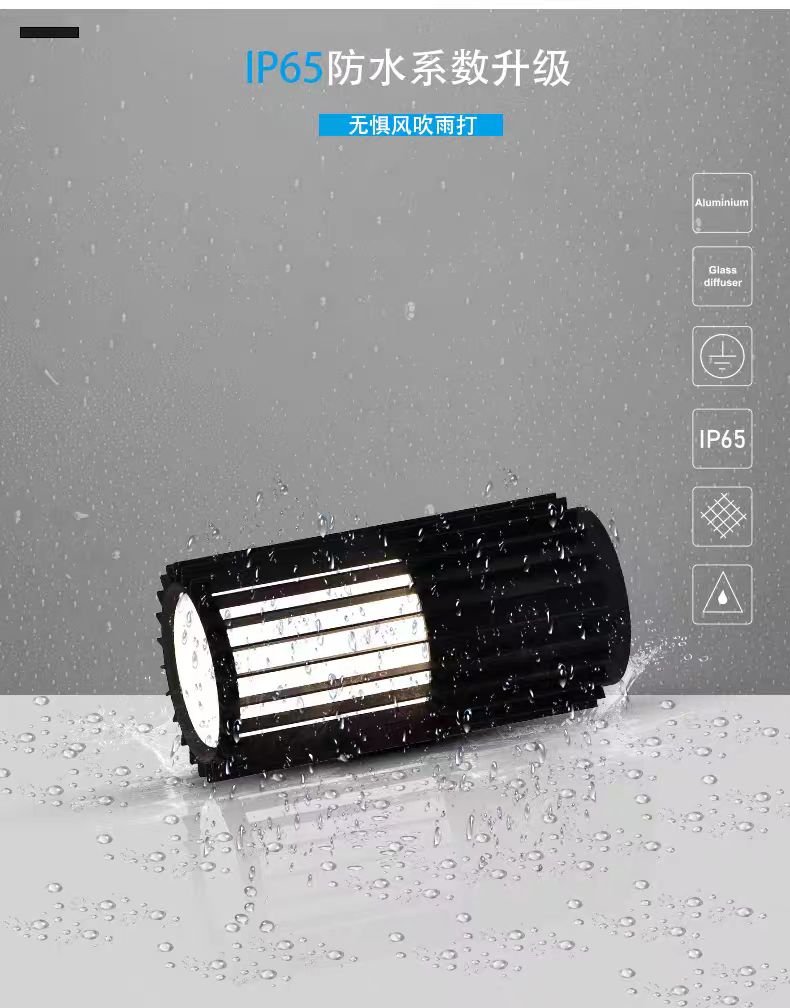
Why Do Outdoor Lights Trip After Rain? Causes, Fixes, and How to Prevent Water Damage

Why Do Outdoor Lights Trip After Rain?

When rainwater enters an electrical component, it creates an unintended electrical path. Modern circuit breakers or RCD/GFCI devices immediately disconnect the power to protect people from electric shock.

The most common causes include:

  1. Water entering the light fixture
  2. Damaged cable insulation
  3. Poorly sealed junction boxes
  4. Loose wiring connections
  5. Low-quality outdoor lights with inadequate waterproof protection

If the breaker only trips after heavy rain, moisture is almost always the main cause.
Outdoor Lights Trip After Rain Outdoor lights tripping after rain? Learn the most common causes, practical fixes, and how to prevent water damage with the right outdoor lighting solutions.
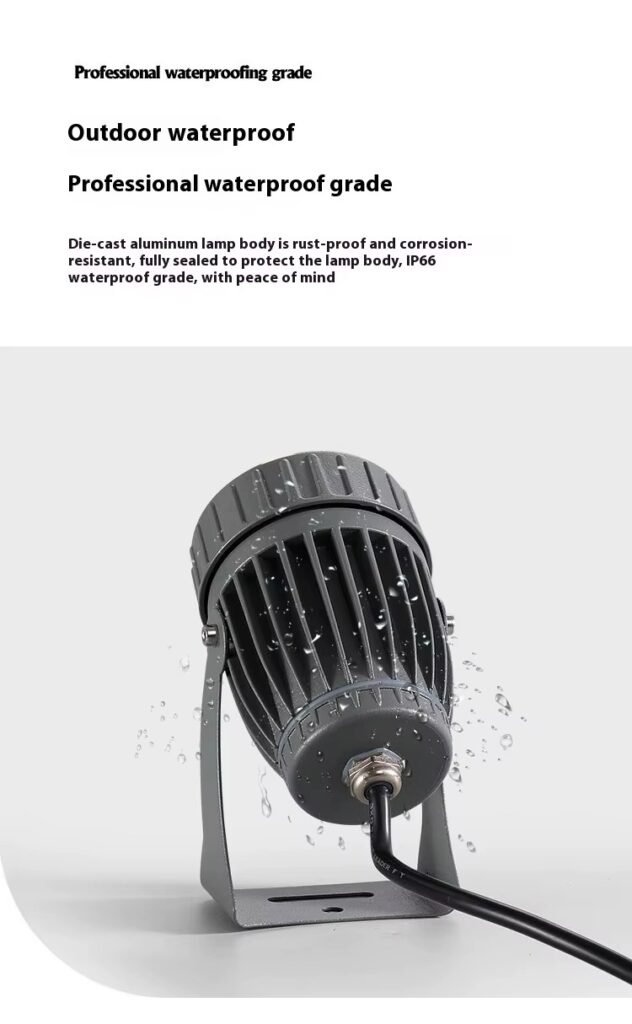
Waterproof IP65 outdoor wall light installation

5 Common Causes of Outdoor Lighting Failure

1.Water Inside the Light Fixture

Outdoor lights with damaged seals or low IP ratings allow rainwater to enter the housing. Over time, moisture reaches the LED driver or electrical connections, causing short circuits.

2.Poor Waterproof Cable Connections

Even if the fixture is waterproof, exposed cable joints can allow water to penetrate. Every outdoor electrical connection should be protected with waterproof connectors or sealed junction boxes.

3.Damaged Wiring Underground

Underground cables may crack due to aging, rodents, or construction work. Rainwater entering damaged insulation often causes intermittent electrical faults.

4.Low-Quality Outdoor Lights

Some inexpensive products claim to be waterproof but use poor sealing materials or plastic housings that deteriorate under UV exposure. As seals age, water penetration becomes more likely.

5.Incorrect Installation

Improper installation is another common reason for water damage. Cable entries should always face downward when possible, and all cable glands must be properly tightened to prevent moisture from entering.

How to Prevent Water Damage

Preventing water damage starts with choosing reliable outdoor lighting products and following proper installation practices.

Here are several recommendations:

  1. Choose outdoor lights with at least an IP65 waterproof rating.
  2. Use die-cast aluminum housings for better durability.
  3. Install waterproof cable connectors.
  4. Inspect rubber seals during routine maintenance.
  5. Replace cracked or damaged fixtures immediately.

Although no outdoor lighting system is completely maintenance-free, these steps can significantly reduce future failures.
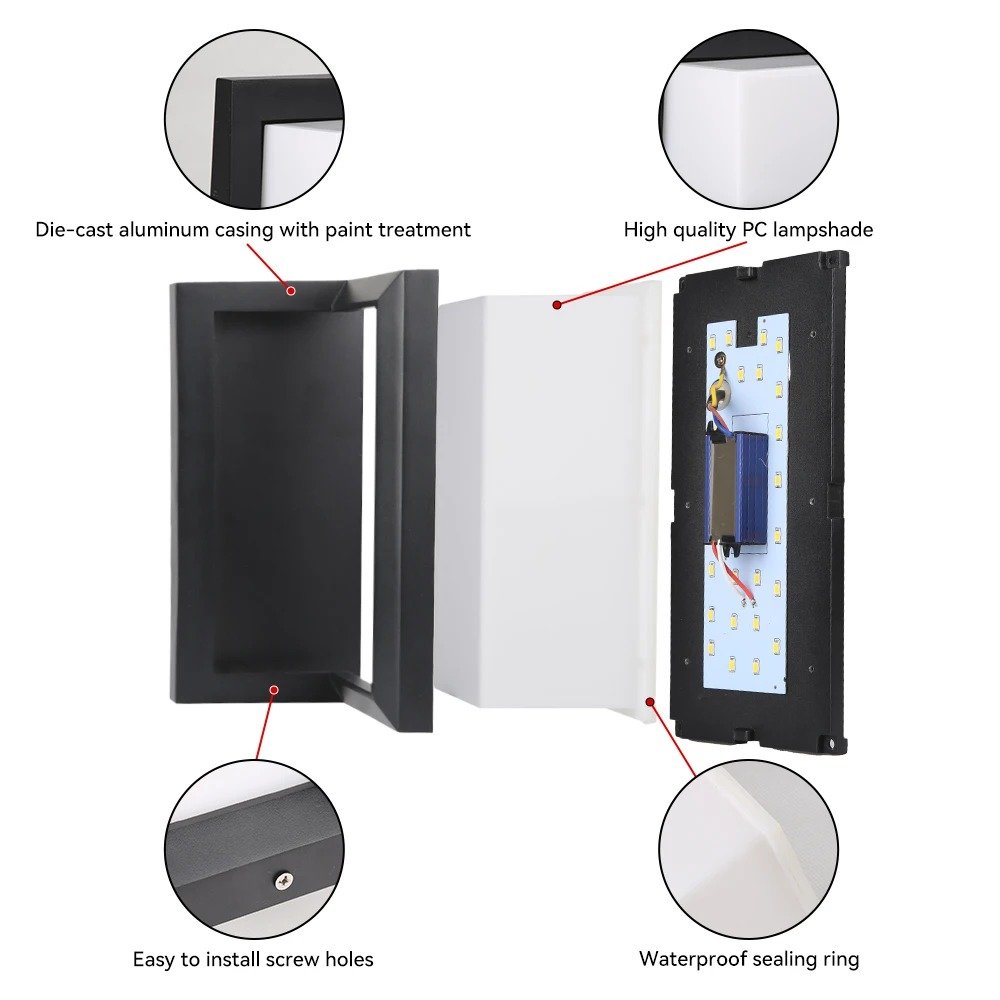
Waterproof IP65 outdoor wall light installation

Why Waterproof Rating Matters

The IP rating indicates how well a fixture resists dust and water.

For most residential and commercial outdoor projects, IP65 outdoor lighting provides excellent protection against rain and water jets. In harsher environments such as coastal areas or locations with frequent flooding, higher protection levels may be required.

Selecting products with verified waterproof performance helps reduce maintenance costs and improves long-term reliability.

Choosing Reliable Outdoor Lighting for Your Project

When purchasing outdoor lighting, price should never be the only consideration.

Professional buyers typically evaluate:

  • Waterproof performance
  • Housing material
  • UV resistance
  • Corrosion resistance
  • Product certifications
  • Manufacturer experience

Working with an experienced outdoor lighting manufacturer can help reduce installation issues and extend product lifespan.

Conclusion

Outdoor lights tripping after rain usually indicate moisture entering the electrical system rather than a problem with the weather itself.

By selecting high-quality waterproof fixtures, using proper installation methods, and performing regular inspections, you can greatly reduce the risk of electrical failures and improve the safety of your outdoor lighting project.

If you are sourcing reliable outdoor lighting for commercial or residential projects, choosing products designed for long-term outdoor performance is always a smarter investment.

FAQ

Why do my outdoor lights only trip after heavy rain?

Heavy rain often exposes weak waterproof protection, allowing moisture to reach electrical components and trigger the circuit breaker.

Is IP65 enough for outdoor lights?

Yes. IP65 is suitable for most outdoor wall lights, garden lights, and bollard lights installed above ground.

Can I repair a water-damaged outdoor light?

If only the seal has failed, replacing the seal may solve the issue. However, if water has damaged the LED driver or electrical components, replacing the fixture is usually the safer option.

How often should outdoor lighting be inspected?

For commercial projects, an annual inspection is recommended. Coastal or high-humidity environments may require more frequent maintenance.
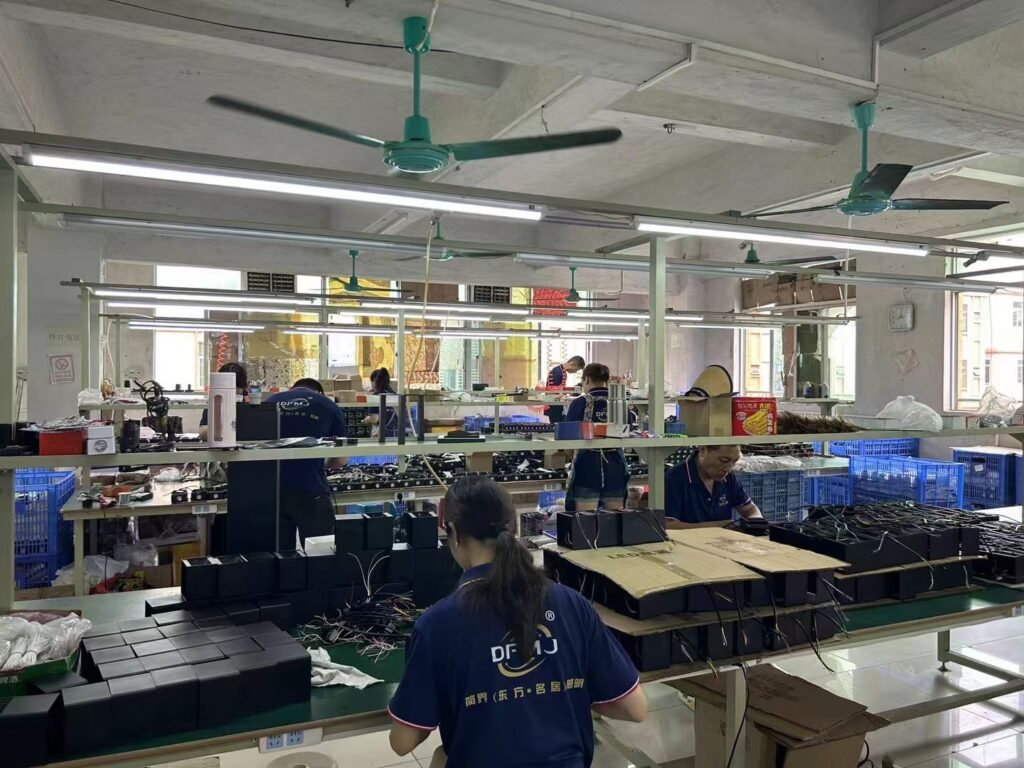
DFMJ outdoor lighting manufacturer factory

About DFMJ Lighting

DFMJ Lighting is a professional outdoor lighting manufacturer in China specializing in outdoor wall lights, bollard lights, garden lights, and architectural lighting solutions. With years of manufacturing experience and exports to customers worldwide, we regularly share practical buying guides, installation tips, and industry insights to help distributors, contractors, and project buyers make informed decisions.
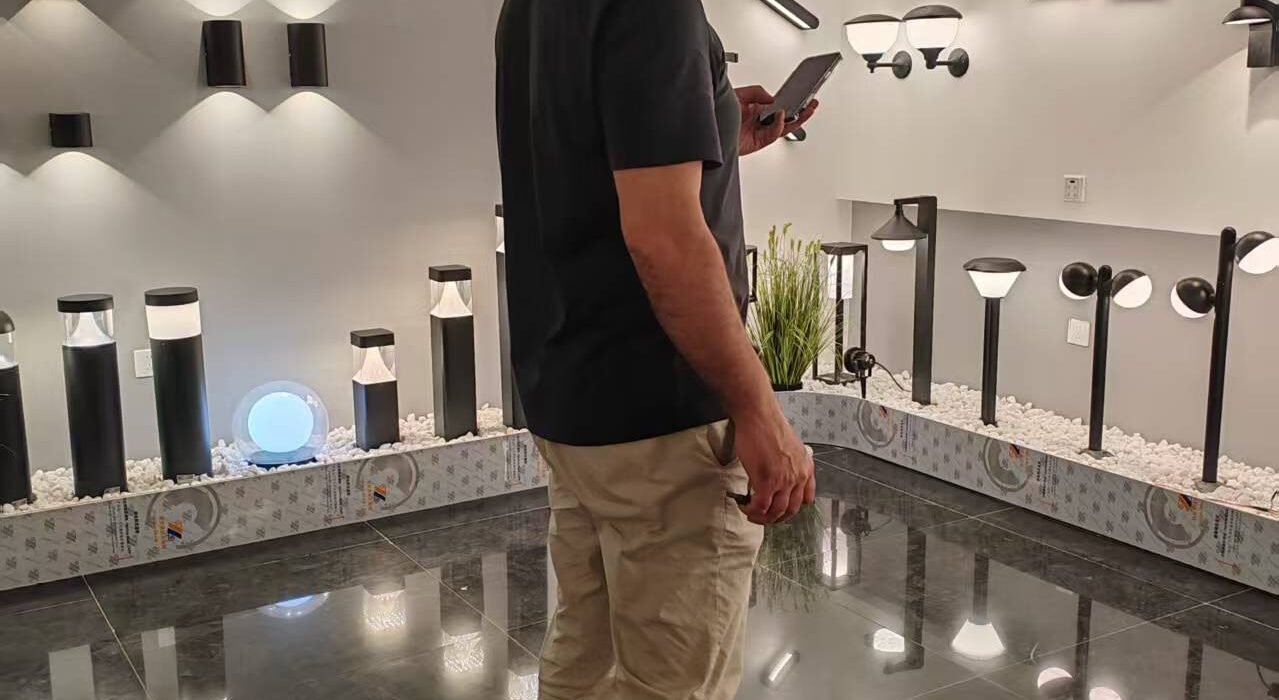
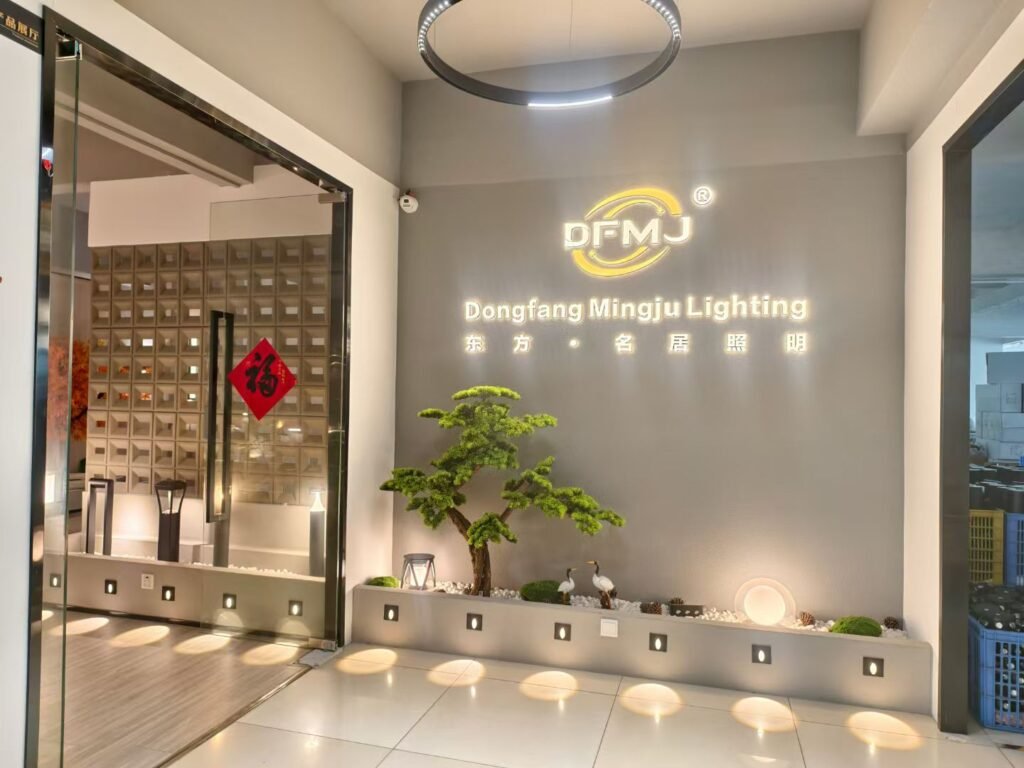
outdoor lighting factory showroom customer visit

Outside Lights for Sale: How to Choose Reliable Outdoor Lighting for Your Project

Outside Lights for Sale: How to Choose Reliable Outdoor Lighting for Your Project

When searching for outside lights for sale, buyers often focus on price first. However, outdoor lighting is not only about purchasing a lamp. It is about choosing a reliable lighting solution that can withstand weather conditions, provide stable illumination, and match the requirements of residential, commercial, or architectural projects.

For wholesalers, distributors, contractors, and project developers, selecting the right outdoor lighting supplier can directly affect installation quality, maintenance costs, and customer satisfaction.

This guide explains how to choose the right outdoor lighting products, what specifications to consider, and how to find a dependable supplier for long-term cooperation.

outside lights for sale waterproof outdoor wall lighting solution

What Should You Consider When Buying Outside Lights for Sale?

Outdoor environments are more challenging than indoor spaces. Outdoor lamps must handle rain, dust, temperature changes, and long-term exposure to sunlight.

Before purchasing outdoor lighting products, professional buyers should evaluate several important factors:

  1. Weather resistance and waterproof performance

Outdoor lights should have suitable protection against moisture and dust. Products with IP65 or higher protection ratings are commonly used for gardens, walls, pathways, and commercial buildings.

  1. Material quality and durability

The housing material affects the lifespan of outdoor lights. Die-cast aluminum is widely used because it provides excellent heat dissipation and corrosion resistance.

  1. Lighting performance

A good outdoor light should provide comfortable illumination without excessive glare. Optical design, lens quality, and light distribution are important for professional projects.

  1. Supplier reliability

For B2B buyers, a supplier should provide stable production capacity, quality control, certifications, and customization services.

Choosing based only on the lowest price may create higher costs later because poor-quality outdoor lighting often requires frequent replacement.

How to Choose the Best Outside Lights for Sale for Different Applications?

Different projects require different lighting solutions. The right product depends on installation location, lighting purpose, and environmental conditions.

Residential Outdoor Lighting

For houses, villas, and residential communities, buyers usually prefer:

  • Modern appearance
  • Comfortable warm lighting
  • Energy-efficient LED technology
  • Easy installation

Common applications include:

  • Outdoor wall lights
  • Garden lights
  • Pathway lights
  • Entrance lighting


Commercial and Architectural Projects

Commercial projects usually require higher standards.

Contractors and developers often look for:

  • Stable quality for large quantities
  • Consistent color temperature
  • Long lifespan
  • Custom design options

Architectural lighting can improve the appearance of buildings while providing safety and visibility at night.

outside lights for sale waterproof outdoor wall lighting solution

Why IP Rating Matters When Selecting Outside Lights for Sale?

One of the most important specifications for outdoor lighting is the IP rating.

The IP rating shows how well a lighting product protects against solid objects and water.

For example:

  • IP44: Suitable for areas with limited moisture protection
  • IP65: Protected against dust and water jets, suitable for most outdoor applications
  • IP67: Provides stronger protection for more demanding environments

For professional outdoor projects, IP65 outdoor lights are one of the most popular choices because they balance durability and cost.

A reliable outdoor lighting manufacturer should clearly provide IP testing information and product specifications.

What Materials Make Outside Lights for Sale More Durable?

The material of outdoor lighting directly influences product lifespan.

High-quality outdoor fixtures usually combine several durable materials:

  • Die-cast aluminum housing for strength and heat management
  • Powder coating for corrosion resistance
  • PC or tempered glass diffuser for impact protection
  • High-quality LED components for stable performance

Compared with low-cost plastic products, aluminum outdoor lights usually perform better in outdoor environments, especially in areas with humidity, strong sunlight, or temperature changes.

For wholesalers and distributors, choosing products with reliable materials can reduce after-sales problems and improve customer trust.

outside lights for sale waterproof outdoor wall lighting solution

How to Find a Reliable Supplier for Outside Lights for Sale?

Finding the right supplier is one of the most important steps for B2B buyers.

A professional outdoor lighting manufacturer should offer:

  • Factory production capability
  • Product customization
  • Quality inspection process
  • International certificates
  • Export experience

Before placing an order, buyers should check:

  • Factory background
  • Previous export markets
  • Product samples
  • Certifications
  • Customer feedback

A strong supplier relationship helps businesses maintain stable inventory and develop long-term market opportunities.

LED lighting technology information

Why Choose Factory Direct Outside Lights for Sale?

For importers and distributors, buying directly from manufacturers provides several advantages.

Factory-direct purchasing can help buyers:

Reduce middleman costs
Access customization options
Receive technical support
Develop exclusive products

Manufacturers with professional production experience can provide better consistency for bulk orders.

For example, outdoor wall lights, garden lights, and architectural lighting often require customized power, color temperature, finish, and packaging according to different markets.

FAQ About Outside Lights for Sale

What are the best outside lights for sale for commercial projects?

For commercial projects, IP65 waterproof LED outdoor lights are usually recommended because they provide reliable protection, energy efficiency, and long-term performance.

What IP rating should outdoor lights have?

Most outdoor lighting applications require at least IP65 protection. This rating helps protect lights against dust and water exposure.

Can outdoor lights be customized?

Yes. Many professional manufacturers provide customization services including design, power, color temperature, housing finish, and packaging.

How long do outdoor LED lights usually last?

High-quality LED outdoor lights can typically provide many years of service depending on product quality, environment, and installation conditions.

How can I find a reliable outdoor lighting supplier?

Buyers should check factory experience, certifications, production capability, samples, and export history before choosing a supplier.

Conclusion

Choosing the right IP65 outdoor wall lights supplier requires more than comparing prices. Professional buyers should consider waterproof performance, materials, lighting quality, and supplier reliability.

Whether you are a distributor, contractor, or project developer, working with an experienced outdoor lighting manufacturer can help you achieve better product quality and long-term business growth.

A reliable lighting supplier is not only a product provider but also a partner that supports your projects from design to delivery.

DFMJ outdoor lighting manufacturer factory
Add to cart