
Outdoor Lights Keep Failing? 7 Causes and How to Prevent It

Outdoor Lights Keep Failing? 7 Causes and How to Prevent It

If your outdoor lights keep failing, replacing the fixture with another low-cost product may not solve the problem.

Outdoor lighting operates in a much harsher environment than indoor lighting. Rain, humidity, temperature changes, UV exposure, dust, insects, corrosion, electrical fluctuations, and poor installation can all affect long-term performance.

For homeowners, repeated failures are frustrating. For wholesalers, distributors, contractors, and project buyers, they can become much more expensive because failures may lead to warranty claims, replacement costs, labor expenses, and unhappy customers.

So why do outdoor lights fail repeatedly?

The answer usually involves more than one component.

Why Do Outdoor Lights Keep Failing?

When outdoor lights keep failing, the first step is to identify what is actually failing.

Does the entire fixture stop working? Is the light flickering? Does water appear inside the housing? Does the light become dim after several months?

Different symptoms can point to different causes.

The most common problems include:

  • Water entering the fixture
  • Poor-quality LED drivers
  • Inadequate heat dissipation
  • Corrosion of metal components
  • Unstable power supply
  • Poor electrical connections
  • Incorrect installation or application

Understanding these causes can help buyers avoid choosing outdoor lighting based only on price.

1. Water Ingress Can Cause Outdoor Light Failure

One of the most common reasons outdoor lights keep failing is moisture entering the fixture.

Outdoor fixtures are exposed to rain, humidity, condensation, and temperature changes. If the housing, gasket, cable entry, or connection point is poorly sealed, water can eventually reach sensitive electrical components.

This can result in:

  • Short circuits
  • Corrosion
  • Flickering
  • LED driver failure
  • Permanent fixture failure

An IP rating provides useful information about protection against dust and water, but buyers should also consider the actual construction of the fixture, including seals, joints, cable entries, and drainage design.

For outdoor projects, waterproof performance should be considered as a complete system rather than simply a number printed on a specification sheet.
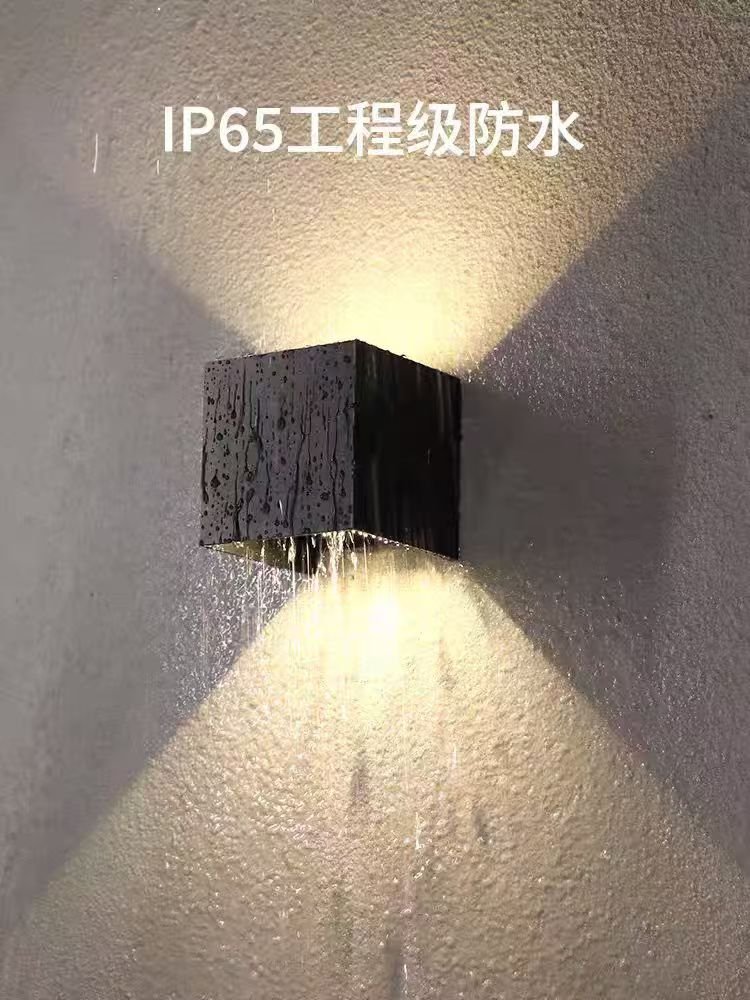
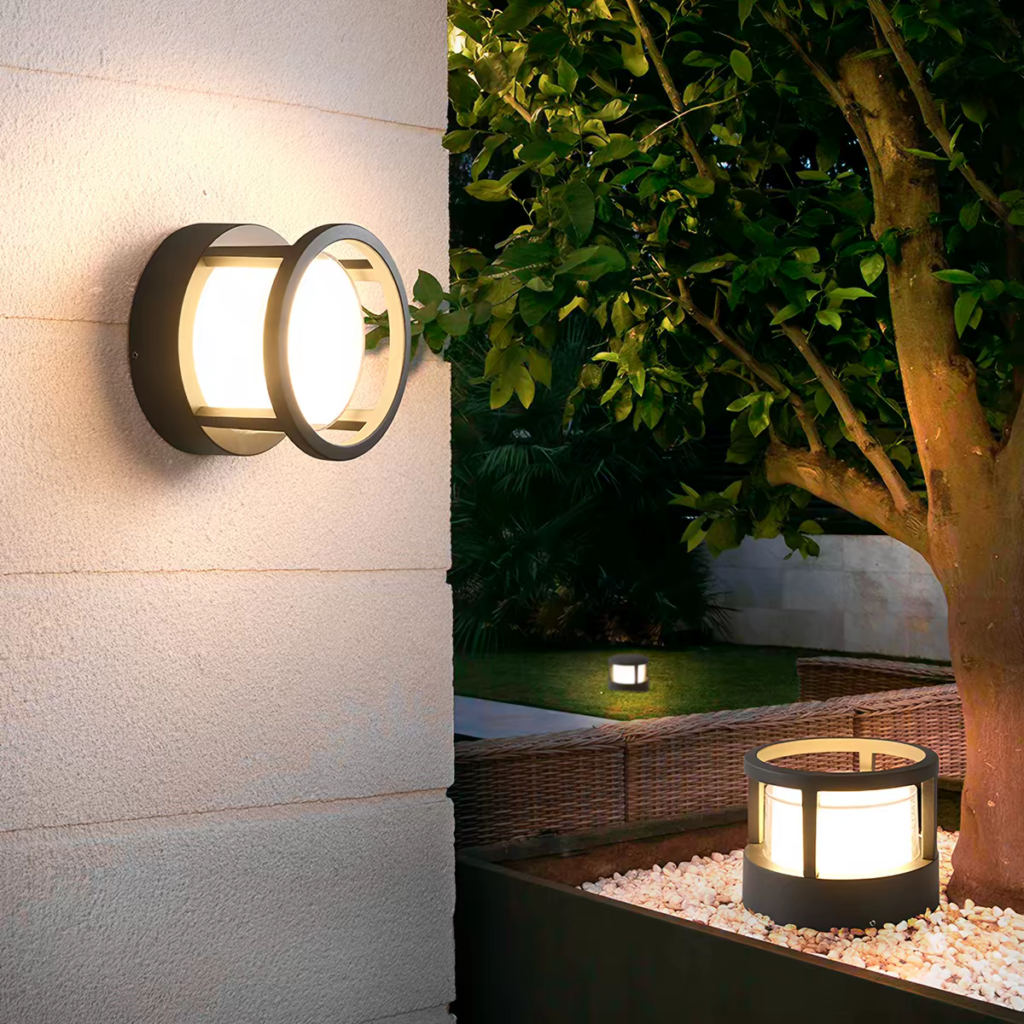
water ingress causing outdoor lights to fail

2. Poor-Quality LED Drivers Can Shorten Fixture Life

The LED chip is not always the part that fails first.

The LED driver is another critical component because it manages the electrical power supplied to the LED module.

A low-quality or poorly matched driver may experience problems caused by heat, voltage fluctuations, moisture, or insufficient electrical protection.

For B2B buyers, it is therefore important to ask about the driver specification rather than evaluating an outdoor fixture only by its LED wattage.

3. Poor Heat Dissipation Can Damage Outdoor Lighting

LED lighting produces less heat than many traditional light sources, but it still generates heat.

If heat cannot escape efficiently, the internal temperature of the fixture can increase.

Over time, excessive heat can affect LED performance, driver reliability, seals, and other components.

This is why housing material and thermal design matter.

For example, die-cast aluminum is widely used in outdoor lighting because it can provide both mechanical protection and a useful path for heat dissipation when properly designed.
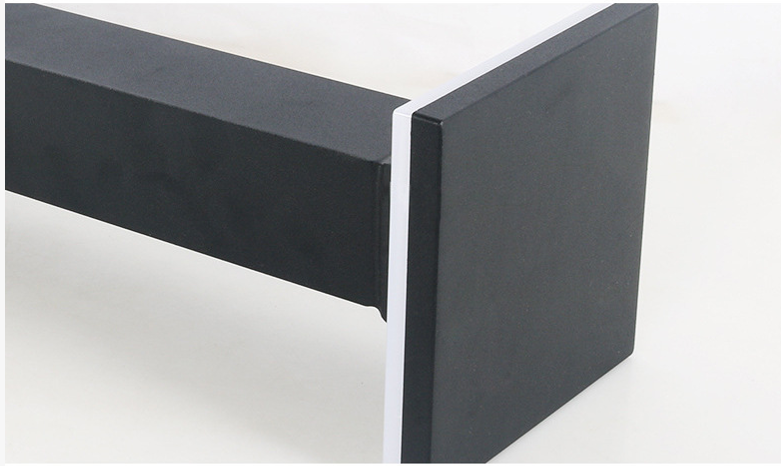
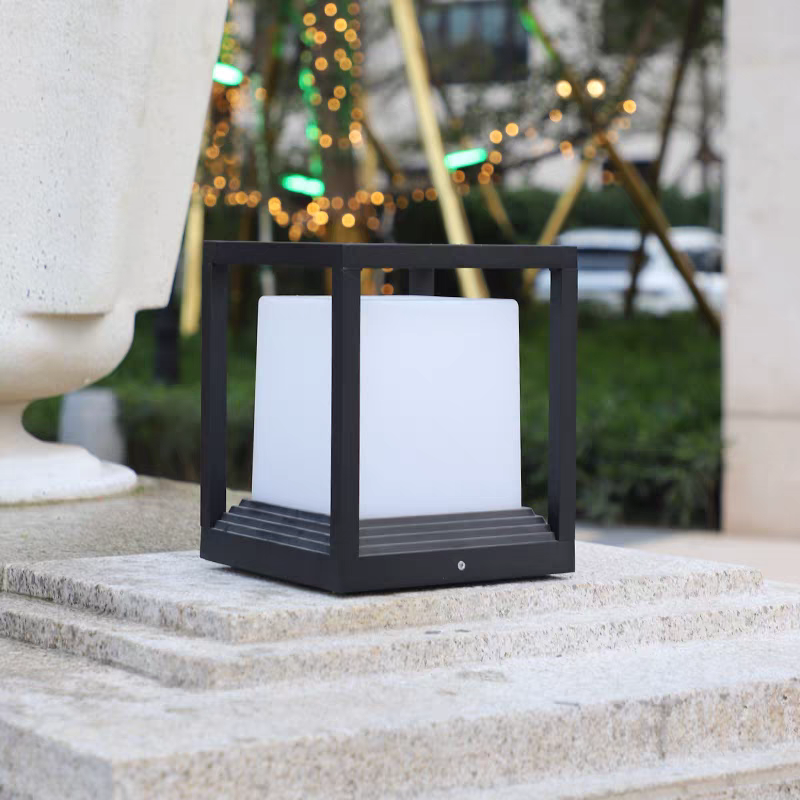
die-cast aluminum housing for reliable outdoor LED lighting

4. Corrosion Can Become a Hidden Problem

Outdoor lighting is constantly exposed to the environment.

In coastal areas or locations with high humidity, salt and moisture can accelerate corrosion.

Corrosion may affect:

  • Housing surfaces
  • Screws and fasteners
  • Electrical contacts
  • Connectors
  • Internal components

A suitable material, surface treatment, powder coating, and appropriate installation environment can all contribute to longer product life.

This is particularly important for projects located near the sea or in humid climates.

5. Unstable Voltage Can Damage Outdoor Lights

Sometimes the fixture is blamed when the real problem is the electrical supply.

Voltage fluctuations, incorrect transformers, overloaded circuits, loose connections, or incompatible electrical components can cause LED lighting to flicker or fail prematurely.

For larger projects, electrical compatibility should therefore be checked before installation.

A reliable fixture still needs to operate within an appropriate electrical environment.

6. Installation Problems Can Cause Premature Failure

Even a well-designed outdoor light can fail if it is installed incorrectly.

Common installation problems include:

  • Incorrect cable connections
  • Poor sealing after installation
  • Exposed connectors
  • Incorrect mounting position
  • Water collecting around connection points
  • Using a fixture outside its intended application

This is why product selection and installation should be considered together.

DFMJ Expert Insight: Reliability Is a System

At DFMJ Lighting, we believe reliable outdoor lighting is not created by one specification alone.

A durable fixture requires several elements to work together:

Housing + sealing + electrical components + thermal management + surface protection + correct installation

For B2B buyers, this is an important distinction.

A product with an attractive price may initially look competitive. But if the fixture fails repeatedly after installation, the total project cost can become much higher.

For this reason, DFMJ Lighting focuses on practical outdoor lighting construction, including die-cast aluminum housings, waterproof protection, suitable LED components, and designs intended for exterior applications.

For buyers sourcing wall-mounted exterior fixtures, you can also explore our Outdoor Wall Lights collection.
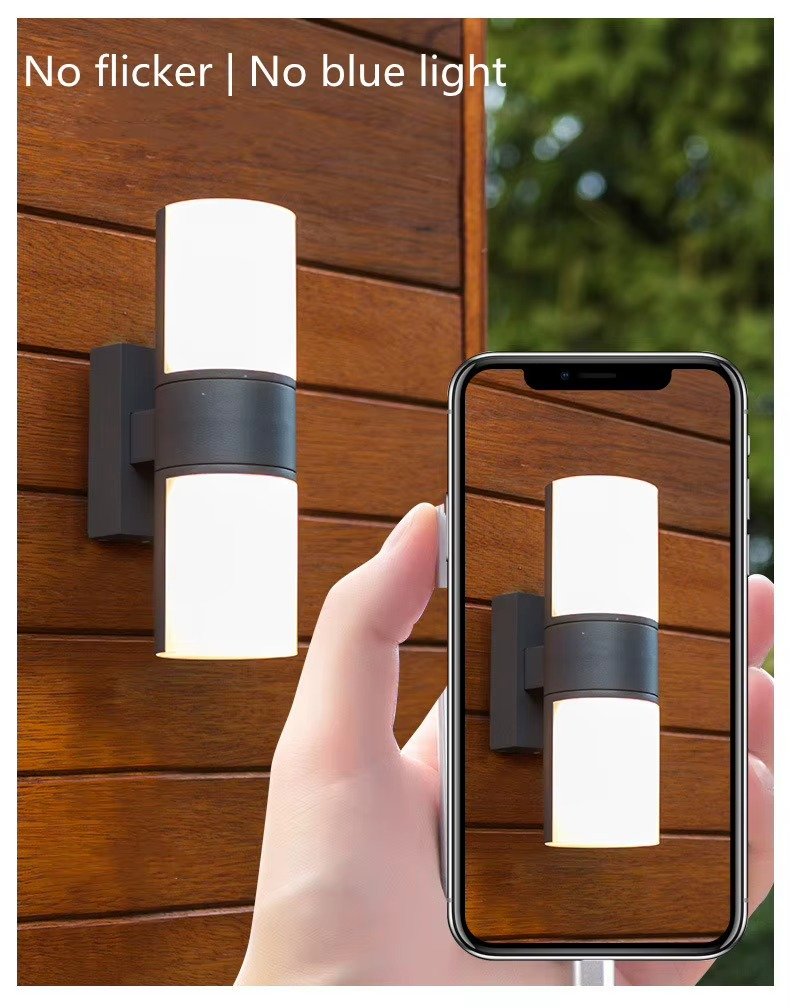
Outdoor Lights Keep Failing? 7 Causes and How to Prevent It

Real Project Tip: Test Before a Large Outdoor Lighting Order

If you are a distributor, contractor, or project buyer, do not evaluate an outdoor fixture only by its catalog photo and unit price.

Before placing a large order, request samples and check the product in conditions similar to the final project.

Pay particular attention to:

  1. Waterproof construction and cable entry points.
  2. Housing material and surface finish.
  3. Driver and electrical specifications.
  4. Light output and temperature during operation.
  5. Fixture performance after outdoor exposure.
  6. Installation requirements and compatibility.

A sample test can reveal practical problems before hundreds of fixtures are installed.

For projects in coastal, tropical, or high-humidity environments, environmental conditions should be discussed with the supplier before the final specification is confirmed.

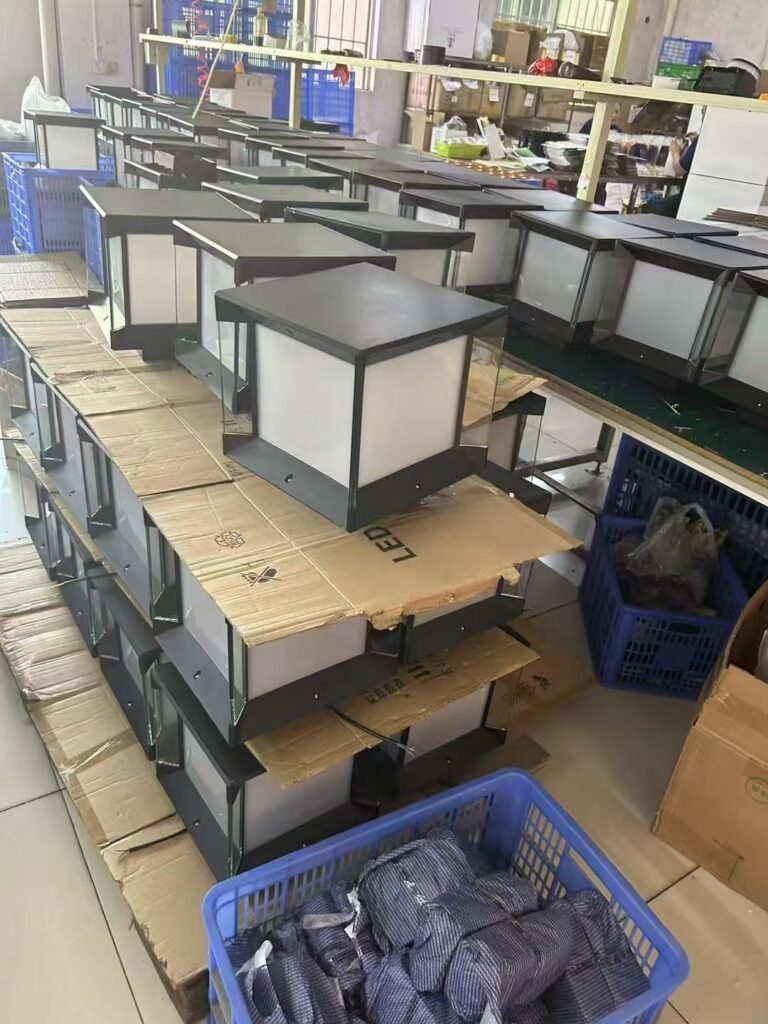
DFMJ Lighting outdoor lighting quality testing for B2B projects

How to Choose More Reliable Outdoor Lights

If your outdoor lights keep failing, do not start by asking only:

What is the cheapest replacement?

Instead, ask:

Why did the previous fixture fail?

Then evaluate the new product against the actual failure mechanism.

If moisture caused the problem, investigate sealing and waterproof construction.

If drivers failed, review component quality and electrical compatibility.

If corrosion appeared, reconsider the material and surface treatment.

If overheating occurred, examine thermal design and installation conditions.

This approach helps buyers solve the underlying problem rather than repeatedly replacing the same type of fixture.

FAQ: Outdoor Lights Keep Failing

Why do my outdoor lights keep failing after rain?

Water ingress, poor sealing, exposed electrical connections, or inadequate waterproof protection can cause failures after rain. The exact cause should be identified before replacing the fixture.

How long should outdoor LED lights last?

The expected service life depends on the LED components, driver, thermal management, operating conditions, installation, and environment. A manufacturer’s stated lifetime should therefore be evaluated together with the product construction and warranty terms.

Does IP65 mean an outdoor light will never fail?

No. An IP rating describes specific levels of protection against dust and water under defined testing conditions. It does not guarantee that a fixture will never experience failure in every outdoor environment.

Why do outdoor LED lights flicker?

Possible causes include driver problems, unstable voltage, loose connections, moisture, incompatible electrical components, or overheating.

Are aluminum outdoor lights better?

Die-cast aluminum is commonly used for outdoor fixtures because it can provide strength, corrosion-resistant finishing options, and effective heat dissipation when properly engineered. The overall construction still matters.

About DFMJ Lighting

DFMJ Lighting provides outdoor lighting solutions for wholesalers, distributors, contractors, and project buyers.

Our product range includes outdoor wall lights, garden lights, bollard lights, step lights, façade lighting, and other exterior lighting products.

With manufacturing experience in outdoor lighting, DFMJ Lighting focuses on practical product construction, reliable performance, and project-specific requirements.

For B2B buyers, our goal is not simply to provide a fixture. It is to help select an outdoor lighting solution that matches the application, environment, and installation requirements.
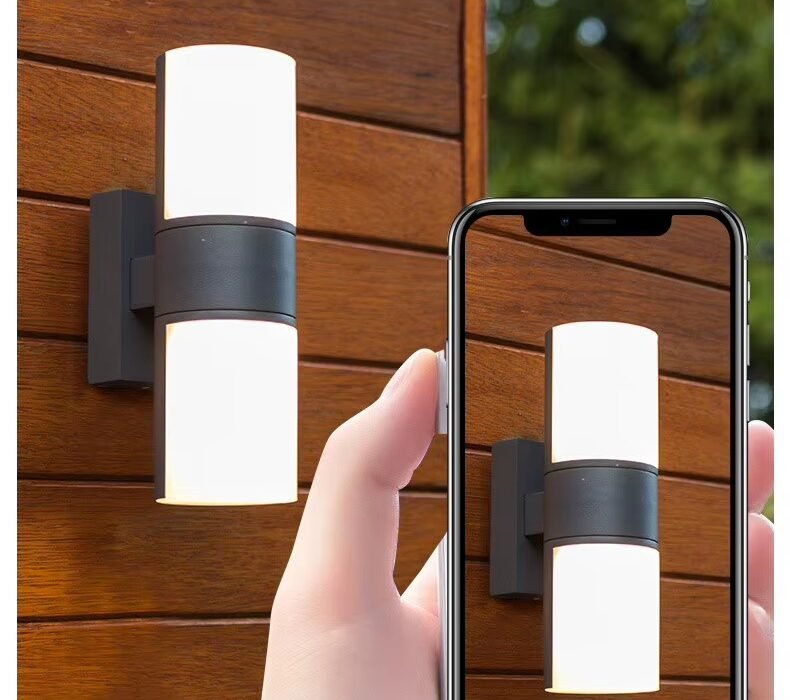
DFMJ Lighting outdoor LED wall light warm white

Need More Reliable Outdoor Lighting for Your Project?

If your outdoor lights keep failing, replacing the fixture without identifying the cause can lead to the same problem again.

Start with the environment, waterproof construction, electrical components, thermal management, materials, and installation conditions.

If you are sourcing outdoor lighting for a residential, commercial, landscape, hotel, or architectural project, contact DFMJ Lighting to discuss your requirements.

Contact DFMJ Lighting for outdoor lighting solutions


Related Articles

Why Do Outdoor Lights Trip After Rain? Causes, Fixes, and How to Prevent Water Damage

Outdoor Lights Too Bright? Causes, Fixes & Better Lighting

Outside Lights for Sale: How to Choose Reliable Outdoor Lighting for Your Project
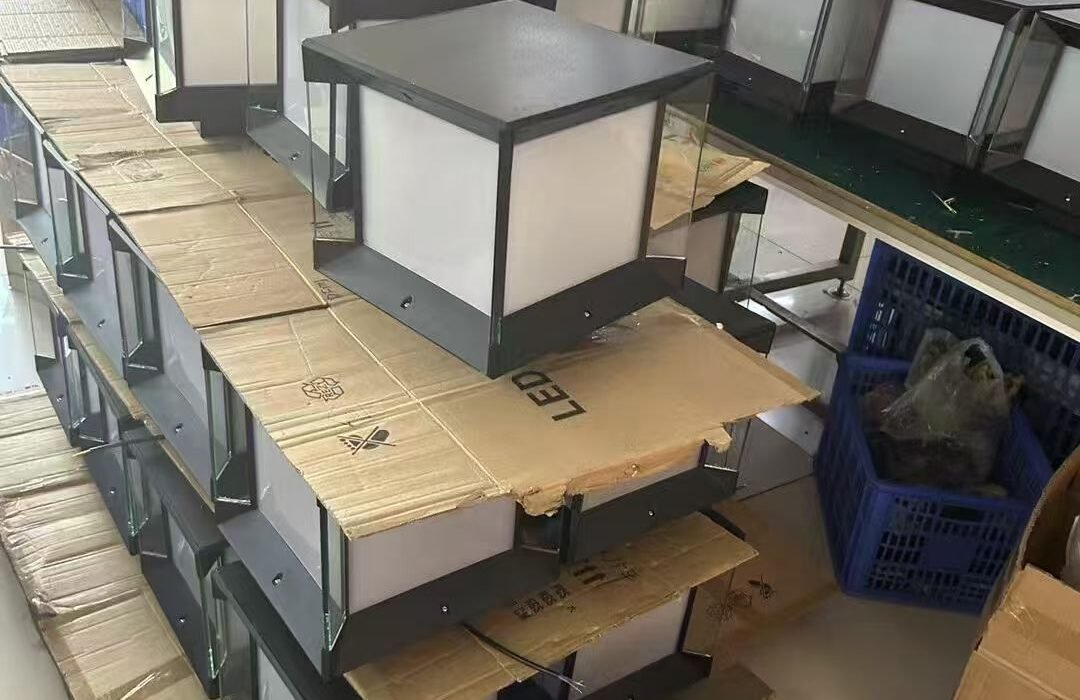
DFMJ Lighting outdoor fixture tested at night for brightness and glare

Outdoor Lights Too Bright? Causes, Fixes & Better Lighting Design

Have you ever installed outdoor lighting and then realized the lights are simply too bright at night?

This is a common problem in residential landscapes, commercial properties, hotels, gardens, and architectural projects. More light does not always mean better lighting. In many cases, excessive brightness creates glare, harsh shadows, uncomfortable viewing conditions, and unnecessary light spill.

Recent discussions among homeowners and landscape lighting users show the same concern: buyers may choose fixtures with higher lumen output, only to discover that the finished installation feels too harsh for the space.

So, if your outdoor lights are too bright, the problem may not be the lumen rating alone.

The real issue is often the combination of brightness, optics, fixture position, beam angle, color temperature, and spacing.

Outdoor lights too bright causing glare in a residential landscape

Why Are Outdoor Lights Too Bright?

There are several common reasons why outdoor lights are too bright after installation.

The first is simply excessive light output. A fixture with a high lumen rating may produce more illumination than a small garden, pathway, or residential entrance actually needs.

However, brightness is only part of the story.

A poorly controlled beam can send light directly toward people’s eyes instead of toward the ground, wall, pathway, or landscape feature that needs illumination.

Other common causes include:

  • Exposed LED light sources
  • Incorrect beam angles
  • Poor fixture positioning
  • Too many fixtures installed in a small area
  • High color temperature
  • Insufficient shielding
  • Incorrect mounting height

Professional outdoor lighting design therefore considers not only how much light a fixture produces, but also where that light goes.

Outdoor lighting glare caused by incorrect beam angle

Are Higher Lumens Always Better for Outdoor Lighting?

No.

This is one of the most important points for both homeowners and B2B lighting buyers.

A 300-lumen fixture does not automatically create a better result than a 150-lumen fixture.

Optics can make a significant difference.

A well-designed fixture can distribute light across the intended area while controlling direct glare. A poorly designed fixture may expose the LED source and create an intense bright spot even when its total lumen output is relatively moderate.

This is particularly important for pathway lighting, garden lighting, wall lighting, and architectural applications.

The goal should be useful illumination rather than maximum brightness.

The Illuminating Engineering Society also treats glare, contrast, lighting levels, and the surrounding environment as important considerations in outdoor lighting design.

How to Fix Outdoor Lights That Are Too Bright

If your outdoor lights are too bright, there are several ways to improve the result without completely replacing the lighting system.

First, check the fixture position.

A light source should not normally point directly toward windows, seating areas, pedestrians, or neighboring properties.

Second, consider shielding or better optical control. A hood, diffuser, louver, or suitable beam angle can reduce direct glare while maintaining useful illumination.

Third, review the number of fixtures.

Adding more lights is not always the solution to dark areas. Sometimes better spacing and beam distribution can produce a more balanced result with fewer fixtures.

Finally, consider the color temperature. Warm white lighting, such as 2700K–3000K, is often preferred for residential gardens, hospitality environments, and architectural applications where a softer atmosphere is desired.

Outdoor lighting optical control and shielding to reduce glare

Outdoor Lights Too Bright? Check the Lighting Design First

One common mistake is to solve every lighting problem by changing the wattage.

But if the real problem is glare, simply choosing a lower-wattage fixture may not solve it.

For example, a wall light with poor shielding can still create uncomfortable glare even when its power consumption is relatively low.

A better approach is to evaluate:

Light output + optics + beam angle + mounting position + spacing + color temperature

Together, these factors determine how the lighting actually feels at night.

This is why professional lighting manufacturers and project buyers should discuss the application before selecting a fixture.

DFMJ Expert Insight: Brightness Is Not the Same as Good Lighting

At DFMJ Lighting, we believe outdoor lighting should be designed around the visual task and environment, rather than simply maximizing brightness.

For a pathway, the goal is comfortable and consistent visibility.

For a garden, the goal may be to highlight plants, trees, textures, or architectural elements.

For an outdoor wall, the goal may be to create a balanced façade effect rather than illuminate the entire surrounding area.

The fixture therefore needs to match the application.

For B2B buyers, this distinction is especially important. A lighting product may look impressive in a catalog because of its high lumen output, but the final project result depends heavily on optical performance and installation conditions.

Real Project Tip: Test Outdoor Lighting at Night

Before approving a large outdoor lighting order, test representative fixtures in the actual application whenever possible.

Do not evaluate the fixture only during the daytime.

At night, check the installation from different viewing angles.

Ask:

  • Can you see the LED source directly?
  • Does the light enter nearby windows?
  • Are there strong bright spots?
  • Are dark areas appearing between fixtures?
  • Does the color temperature suit the environment?
  • Is the illuminated area larger or smaller than expected?

This simple test can prevent costly changes after installation.

For large residential, commercial, hotel, or landscape projects, a sample installation is often more useful than relying entirely on catalog specifications.

DFMJ Lighting outdoor fixture tested at night for brightness and glare

How DFMJ Lighting Approaches Outdoor Lighting

DFMJ Lighting provides outdoor lighting solutions for distributors, wholesalers, contractors, and project buyers.

Our product range includes outdoor wall lights, garden lighting, bollard lights, step lights, and other exterior lighting applications.

When discussing a project, we recommend considering the application first and the fixture second.

The right question is not simply:

How bright should the light be?

It is:

What should the light illuminate, and how should people experience the space?

That shift in thinking can make a significant difference to the final lighting result.

FAQ: Outdoor Lights Too Bright

Why are my outdoor lights too bright?

They may have excessive lumen output, poor beam control, incorrect positioning, exposed LED sources, or too many fixtures installed in one area.

How can I reduce outdoor lighting glare?

Try repositioning the fixture, changing the beam angle, using shielding or diffusers, reducing fixture quantity, or selecting a fixture with better optical control.

Are 300-lumen outdoor lights too bright?

Not necessarily. Whether 300 lumens is appropriate depends on the fixture optics, mounting height, spacing, application, and surrounding environment.

What color temperature is best for outdoor lighting?

For many residential and landscape applications, 2700K–3000K warm white can create a softer appearance. Commercial and architectural projects may require different specifications depending on the design objective.

Should outdoor lighting be very bright for security?

Not always. Effective security lighting depends on appropriate illumination, coverage, visibility, controls, and glare management rather than maximum brightness.

About DFMJ Lighting

DFMJ Lighting is focused on outdoor lighting solutions for international B2B customers.

With manufacturing experience in outdoor lighting, DFMJ works with distributors, wholesalers, contractors, and project buyers looking for practical exterior lighting solutions.

Our approach is simple: understand the application, evaluate the technical requirements, and then select the appropriate lighting solution.

Need Better Outdoor Lighting for Your Project?

If your outdoor lights are too bright, changing the wattage is not necessarily the best answer.

Start with the complete lighting system: brightness, optics, beam angle, positioning, spacing, and color temperature.

Good outdoor lighting should provide enough visibility without overwhelming the space.

If you are sourcing outdoor wall lights, garden lights, bollard lights, or other exterior lighting for a B2B project, explore DFMJ Lighting for product and project support.

Explore DFMJ Lighting:
https://dfmjlighting.com/

DFMJ Lighting outdoor fixture tested at night for brightness and glare

Related Articles

How to Space Bollard Lights: Avoid Dark Spots & Glare
https://dfmjlighting.com/how-to-space-bollard-lights-guide/

Why Do Outdoor Lights Trip After Rain? Causes, Fixes, and How to Prevent Water Damage
https://dfmjlighting.com/why-do-outdoor-lights-trip-after-rain/

Outside Lights for Sale: How to Choose Reliable Outdoor Lighting for Your Project
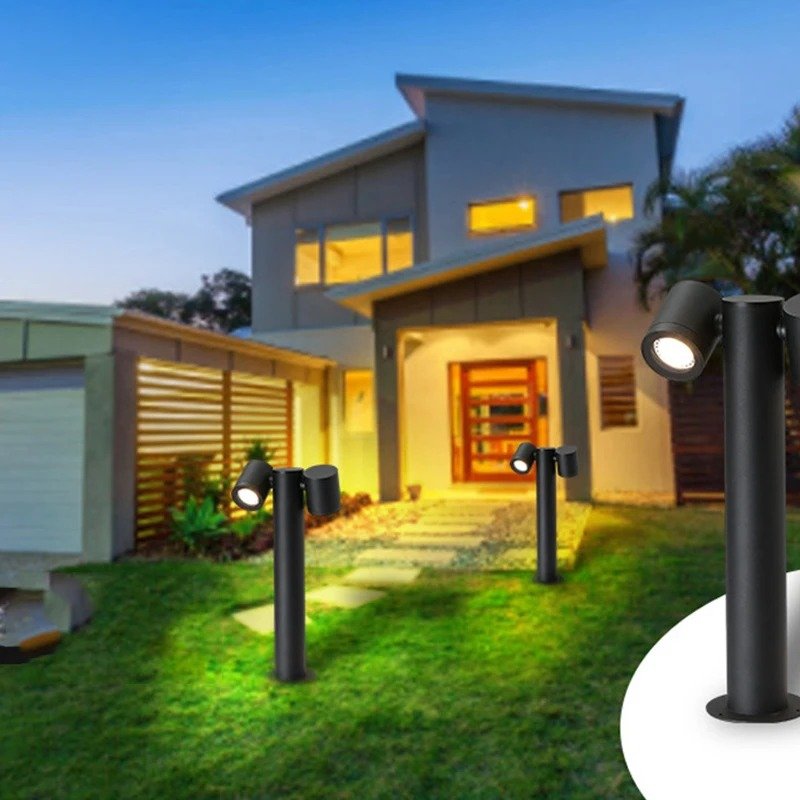
https://dfmjlighting.com/outside-lights-for-sale/

Add to cart