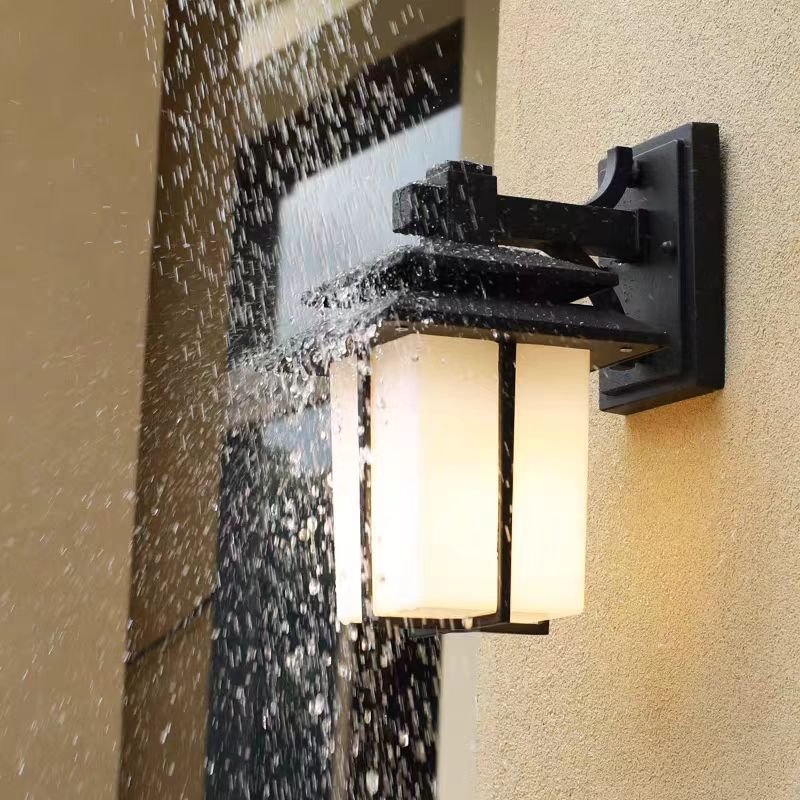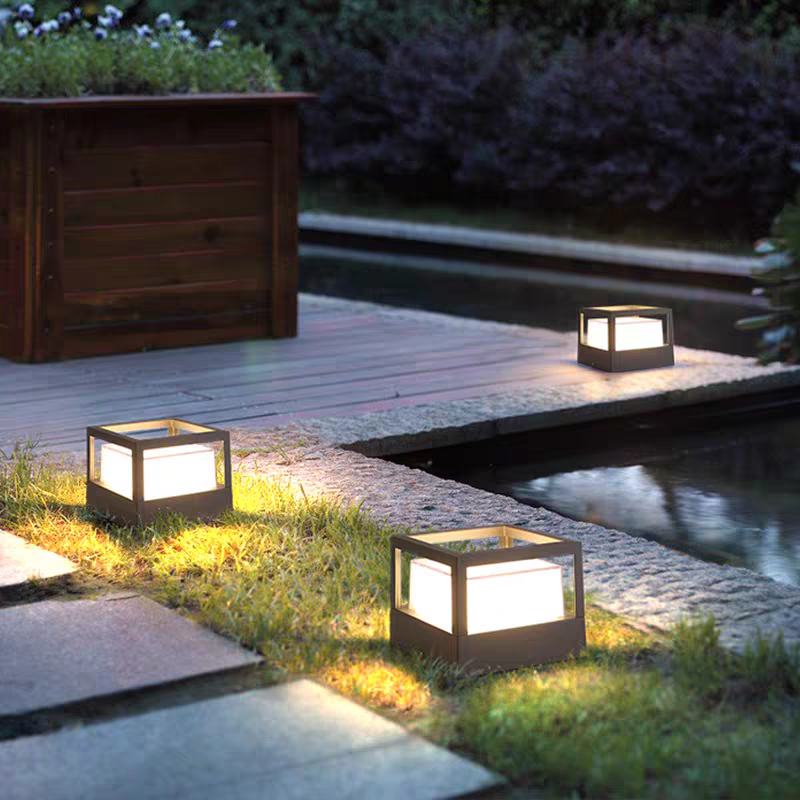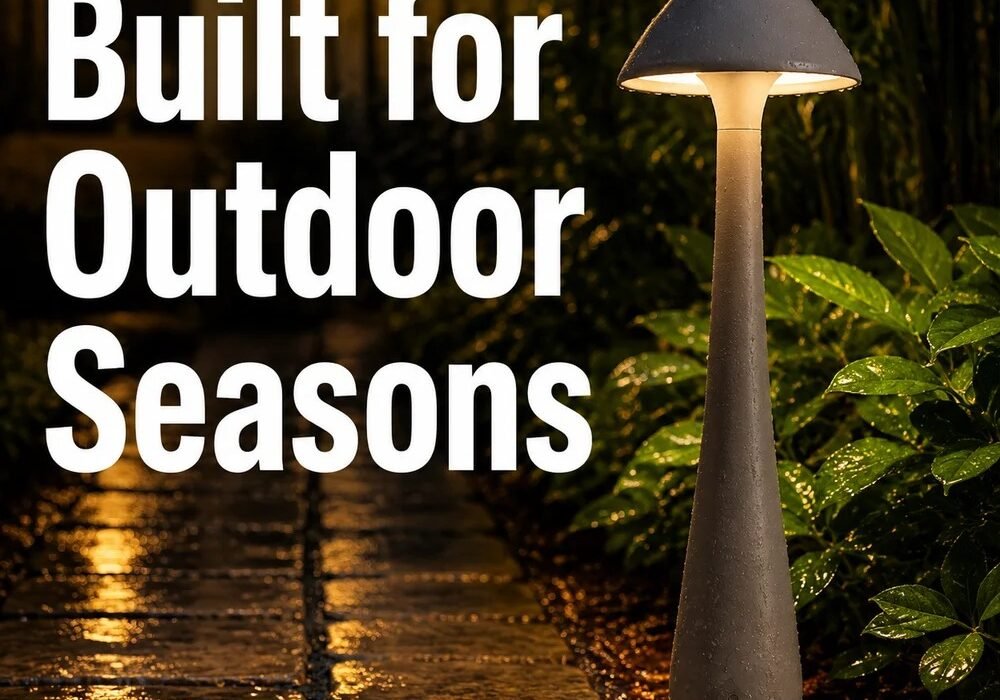

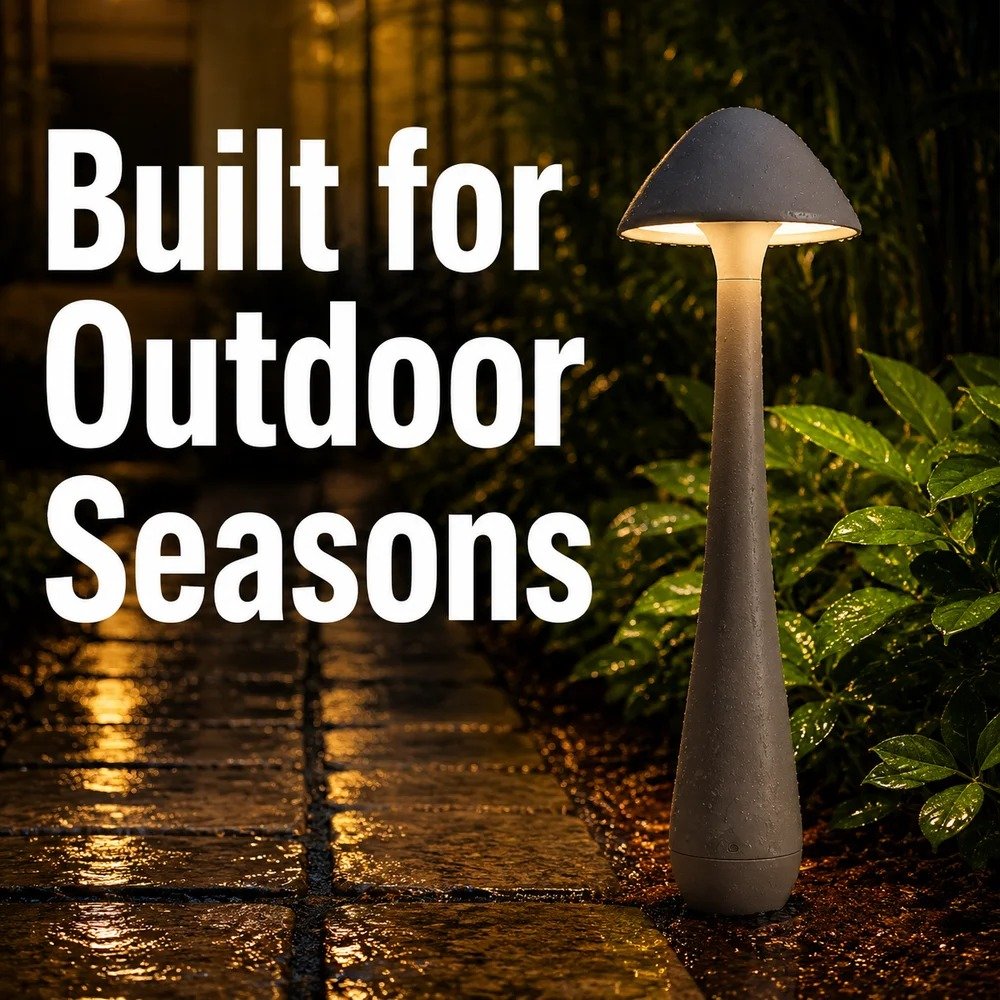
IP65 LED Mushroom Bollard Light DF2825 for municipal pathways

What Should I Prepare Before Requesting Custom Outdoor Lighting?

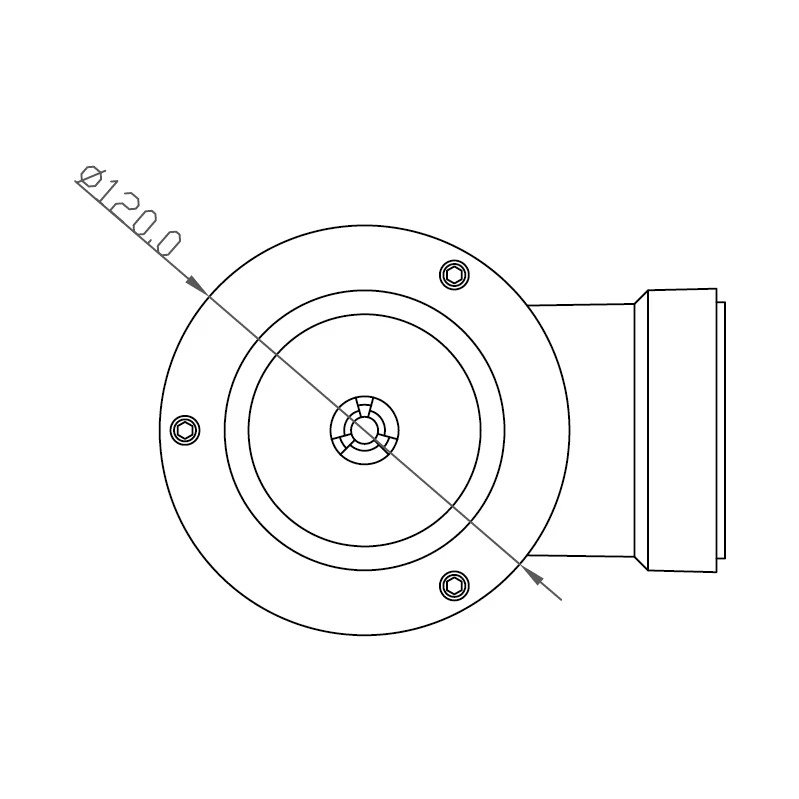
What to prepare before requesting custom outdoor lighting is an important question for importers, wholesalers, distributors, and project buyers planning a customized lighting product. Before contacting a supplier, organize your product application, reference photos or drawings, key dimensions, technical specifications, target quantity, budget, and expected delivery date.

Knowing what to prepare before requesting custom outdoor lighting helps suppliers assess feasibility, identify missing information, and provide a more accurate quotation. You do not need a complete engineering drawing to start a discussion, but you should clearly explain which requirements are fixed and which can be adjusted.
what to prepare before requesting custom outdoor lighting

What to Prepare Before Requesting Custom Outdoor Lighting: A Quick Checklist

Before requesting a quotation, prepare these eight key items:

  1. Product application and installation environment
  2. Reference photos, sketches, drawings, and dimensions
  3. Electrical and lighting specifications
  4. Housing materials, surface finish, and environmental requirements
  5. Destination market and required documentation
  6. Target quantity, budget, and MOQ expectations
  7. Sample requirements and approval criteria
  8. Packaging, production schedule, and delivery deadline

If some specifications are not confirmed, mark them as open questions and discuss suitable options with the supplier before finalizing the design.


1. Define the Application and Purpose of the Custom Outdoor Light

The first step is to explain where and how the light will be used.

A product designed for a villa entrance may have different requirements from one intended for a hotel garden, commercial building facade, pathway, or public landscape project.

Before requesting custom outdoor lighting, clarify the following:

  • Application: Outdoor wall lighting, garden lighting, step lighting, facade lighting, bollard lighting, or inground lighting.
  • Installation location: Wall, ground, steps, landscape beds, or another mounting position.
  • Environment: Covered entrance, exposed outdoor area, coastal location, or another relevant condition.
  • Main objective: Decorative appearance, pathway illumination, facade highlighting, glare control, or another lighting purpose.
  • Target customer: Retail customers, wholesalers, distributors, contractors, or project developers.

For example, if you need an outdoor wall light for a hotel entrance, tell the supplier whether the priority is architectural appearance, general illumination, glare control, or consistency across multiple entrances.

This information helps the supplier understand the intended application before discussing the design and components.

2. Prepare Drawings, Reference Photos, and Dimensions

A product drawing is useful, but it is not the only way to communicate a custom lighting idea.

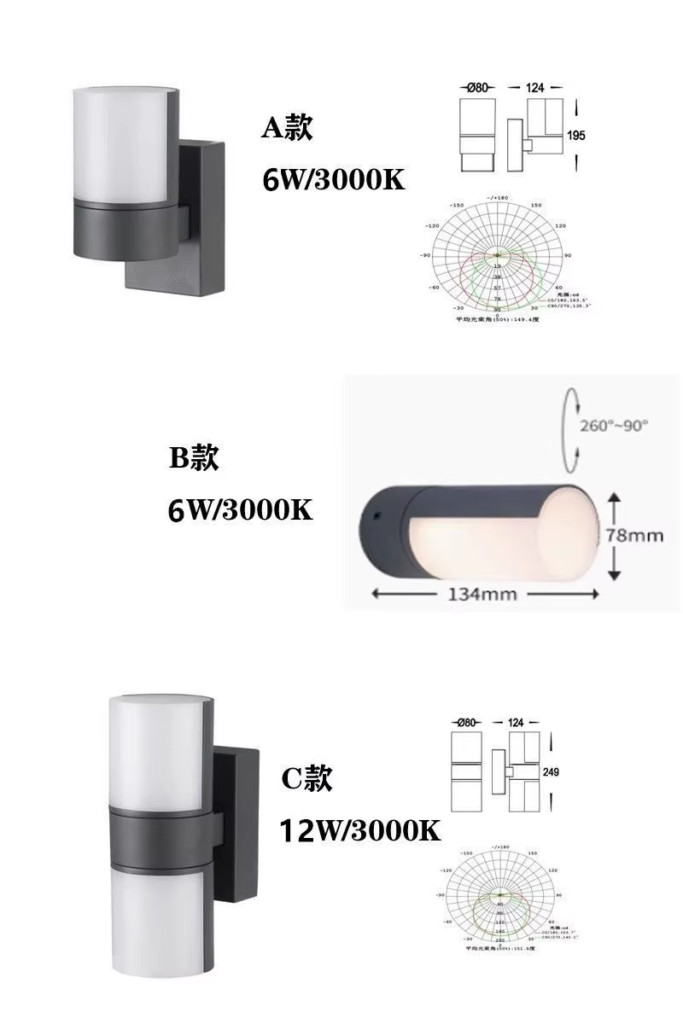
If you already have a design, prepare a technical drawing with dimensions and mounting details. If you are starting from an idea, reference photos, sketches, and measurements can help explain what you want.

Useful materials include:

  • Product reference photos or inspiration images
  • A hand-drawn sketch with key dimensions
  • A CAD drawing or 3D model, if available
  • Mounting-hole positions and installation dimensions
  • Cable entry and connector requirements
  • Any restrictions on the product’s overall size

Clearly distinguish between fixed dimensions and dimensions that can be adjusted.

For instance, the overall appearance of a wall light may be flexible, while the mounting-hole distance must match an existing installation. If the supplier changes that dimension without approval, the product may not fit the site.

Buyer tip: If you are adapting an existing product, identify the exact parts that must change and the parts that must remain unchanged. This is often more useful than simply asking for a completely new design.
what to prepare before requesting custom outdoor lighting

3. Confirm the Technical Specifications

Technical requirements should be discussed before the supplier finalizes the quotation.

Depending on the product and project, prepare the following information:

SpecificationInformation to provide
Rated powerRequired wattage or acceptable power range
Light outputTarget lumen output or illumination requirement
Color temperatureFor example, 3000K, 4000K, or 6500K
Input voltageRequired electrical supply and frequency
LED driverRequired brand, model, or electrical parameters, if specified
DimmingNon-dimmable, 0–10V, DALI, or another required control method
Beam angleRequired light distribution, if applicable
IP ratingRequired protection level for the installation environment
MaterialsHousing, diffuser, lens, and other relevant components
FinishColor, texture, and surface treatment
InstallationMounting method, accessories, and connection requirements

Not every project needs every specification finalized at the beginning. If you are unsure about lumen output, beam angle, or driver configuration, explain the intended application and ask the supplier to propose suitable options.

However, do not leave critical requirements ambiguous if they are necessary for project approval, installation compatibility, or regulatory compliance.

For technical reference, the IEC 60598-1 standard for luminaires covers general safety requirements and tests for luminaires. It can help buyers identify the type of technical requirements that may need to be considered, although the applicable requirements depend on the product and destination market.

4. Specify Materials, Finish, and Environmental Requirements

The material selection affects product appearance, manufacturing cost, weight, and suitability for the intended environment.

For custom outdoor lighting, clarify which materials are acceptable and whether the project has special requirements.

Housing material

Common options may include die-cast aluminum, plastic, stainless steel, or combinations of different materials.

The right choice depends on the design, installation conditions, required performance, and target cost. For example, die-cast aluminum is often used where a rigid housing and heat transfer are important, while certain plastic materials may be suitable for particular optical or design requirements.

For a detailed comparison, read our guide: Die-Cast Aluminum vs Plastic Outdoor Lights: Which Is Better?.

Surface finish and color

If you require a specific finish, provide a reference image, color code, physical sample, or other clear specification where possible.

Also clarify whether the finish must match an existing product or an architectural design.

Environmental requirements

Tell the supplier if the light will be installed in a coastal area, a location exposed to strong sunlight, a high-temperature environment, or another demanding setting.

Depending on the application, you may need to discuss corrosion resistance, UV resistance, temperature limits, water ingress protection, or other relevant performance requirements.

The IP rating should be selected according to the actual installation conditions. The IEC 60529 standard for the IP Code describes the classification of protection provided by enclosures against ingress.

An IP rating does not, by itself, establish resistance to corrosion, UV exposure, or every outdoor condition. Specify these requirements separately where necessary.
IP65 LED Mushroom Bollard Light DF2825 for municipal pathways

5. Identify Market Requirements and Required Documents

Before placing a custom order, identify the destination market and the documents that may be required for your product.

Requirements can differ according to the country, product type, electrical configuration, and intended use. Do not assume that one certificate or test report automatically covers every market or every customized version of a product.

Prepare the following information where applicable:

  • Destination country or countries
  • Applicable electrical and product safety requirements
  • Required test reports or conformity documents
  • Product labels and rating information
  • User manuals and installation instructions
  • Packaging labels, barcodes, and customer SKU numbers
  • Language requirements for product documentation

If your product will be placed on the European Economic Area market, review the European Commission’s official CE marking guidance.

The guidance explains manufacturers’ and importers’ responsibilities for applicable product rules. CE marking is not a general quality award, and not every product is required to carry it. Confirm which legislation and conformity assessment requirements apply to your specific product before requesting documents.

Buyer tip: Tell the supplier your destination market at the quotation stage. This allows both sides to identify documentation requirements before the product design and quotation are finalized.

what to prepare before requesting custom outdoor lighting

6. Set Your Budget, MOQ, and Expected Order Quantity

Custom outdoor lighting costs depend on more than the number of units ordered.

The design, tooling requirements, material selection, components, finishing process, packaging, testing, and quantity can all affect the quotation.

Before requesting a price, prepare a realistic purchasing estimate.

Consider these questions:

  • What is your expected quantity for the first order?
  • What is your estimated annual purchasing volume?
  • Will you reorder the same model regularly?
  • Do you need several customized models in one order?
  • Is your budget a target unit price or a total project budget?
  • Can you accept standard components if they reduce customization costs?

Understand the difference between customization levels

Customization typeTypical discussion points
Standard product with a different finishAvailable colors, coating process, minimum quantity
Modified product dimensionsDesign feasibility, tooling changes, sample cost
Customized electrical configurationDriver availability, component compatibility, testing
New housing or original designEngineering work, tooling investment, development time
Customized packaging and labelsArtwork, printing setup, MOQ, packaging lead time

These are general categories, not fixed cost rules. The actual requirements depend on the supplier’s production process and the complexity of the design.

If your first order quantity is limited, ask whether an existing product can be adapted before developing a completely new housing. A suitable standard platform may reduce development time and upfront costs.

7. Prepare a Sample and Approval Plan

A sample is an opportunity to confirm that the proposed design and specifications meet your requirements before mass production.

Before requesting custom outdoor lighting, decide what you need to verify during sampling.

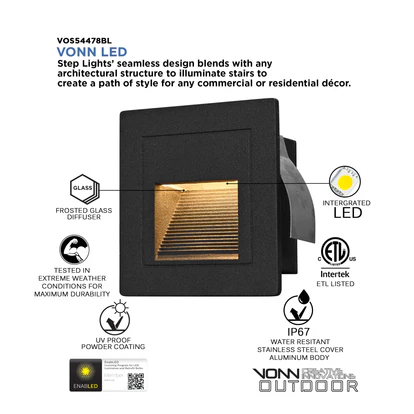
Your sample checklist may include:

  • Overall appearance and dimensions
  • Material and surface finish
  • Light output and color temperature
  • Driver and electrical configuration
  • Mounting and installation compatibility
  • Accessories and connection details
  • Packaging and labeling
  • Relevant tests or inspection requirements

If the product is intended for a project, check the sample against the actual installation requirements whenever possible.

Record any changes requested after sample review. For example, if you change the finish, screw color, cable length, or packaging, make sure the final approved specifications reflect those changes.

Also ask the supplier to explain how the approved sample will be used as a reference during mass production and how deviations will be handled.

Do not assume that sample approval alone guarantees that every production unit will be identical. Agree on the relevant specifications, inspection procedures, and acceptance criteria before confirming the order.
what to prepare before requesting custom outdoor lighting

8. Confirm the Timeline, Packaging, and Commercial Terms

A realistic project schedule should include more than the expected production time.

Custom outdoor lighting may involve design confirmation, quotation revisions, sample preparation, sample approval, tooling if required, material purchasing, mass production, inspection, and shipment.

When requesting a quotation, provide your target delivery date and ask the supplier to clarify the schedule.

Confirm these details:

  • Expected time for design review and quotation
  • Sample preparation lead time
  • Whether tooling or special materials are required
  • Time needed for sample revisions and approval
  • Estimated mass production lead time
  • Inspection and packaging arrangements
  • Shipping method and destination
  • Payment terms and quotation validity

Also clarify who will provide the packaging artwork, labels, barcodes, and technical documents.

If you have a fixed project deadline, state it early. The supplier can then assess whether the requested schedule is realistic and identify potential delays before you commit to the order.

Custom Outdoor Lighting Request Checklist

Before sending your inquiry, use this checklist to see what information you already have.

  • Product application and installation location
  • Reference photos, sketches, or drawings
  • Key dimensions and mounting requirements
  • Wattage, light output, and color temperature
  • Input voltage and driver requirements
  • Housing material, finish, and color
  • Required IP rating and environmental conditions
  • Destination market and applicable documents
  • First-order quantity and estimated annual demand
  • Target budget or acceptable price range
  • Sample requirements and approval criteria
  • Packaging, labeling, and delivery deadline

You do not need to have every answer before starting a discussion. Mark uncertain items as open questions so that the supplier can help assess the available options.

The goal is to make the initial inquiry clear enough for the supplier to identify what is feasible, what needs confirmation, and what information is still missing.

DFMJ Expert Insight: Start with a Clear Specification, Not Just a Product Photo

For B2B outdoor lighting buyers, the most useful customization request explains both the desired product and its intended application.

At DFMJ Lighting, we recommend preparing reference images, key dimensions, technical requirements, order quantity, destination market, and expected timeline before requesting a quotation.

If you do not have a complete drawing, you can start with a reference product and a written list of required changes. The supplier can then discuss feasibility, available components, sample arrangements, and the information needed to prepare a more accurate quotation.

Explore the DFMJ Lighting website to review our outdoor lighting product range or contact us to discuss your project requirements.
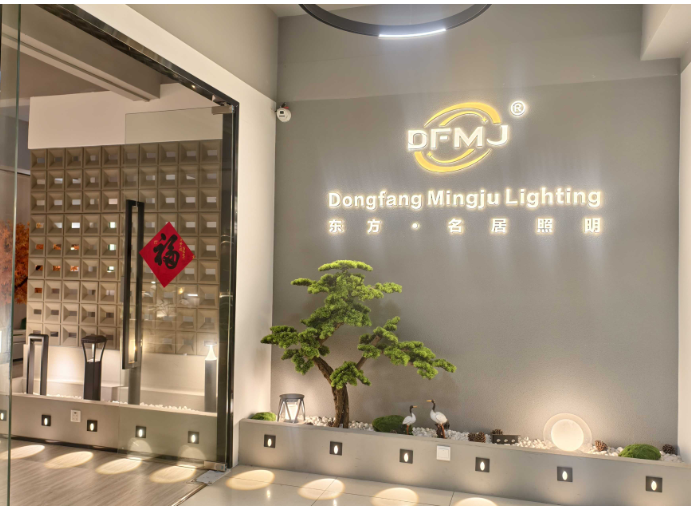
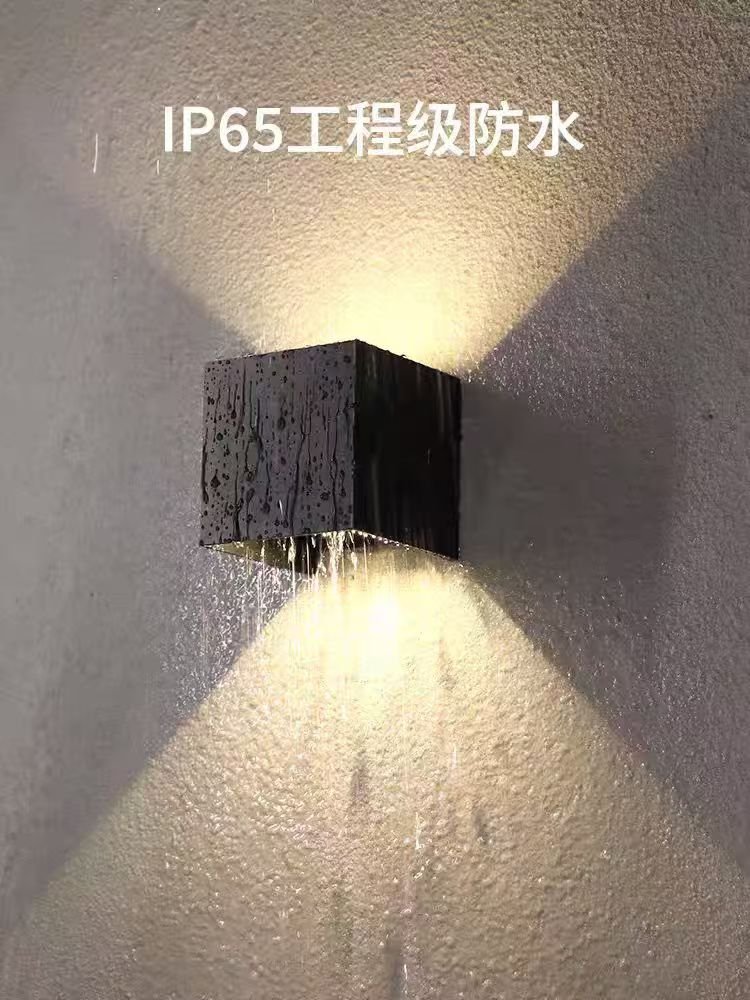
DFMJ Lighting outdoor LED wall light warm white

Frequently Asked Questions

What information do I need to request custom outdoor lighting?

Prepare the application, reference photos or drawings, dimensions, electrical specifications, materials, finish, required IP rating, destination market, order quantity, budget, and expected delivery date. If some details are not confirmed, identify them as open questions.

Can I request custom outdoor lighting without a technical drawing?

Yes. You can start with reference photos, a sketch, measurements, and a clear explanation of the intended application. A technical drawing may be needed later to confirm dimensions, mounting details, and production requirements.

Does custom outdoor lighting require a high MOQ?

Not always. MOQ depends on the product, the degree of customization, tooling requirements, components, and production arrangements. Ask whether a standard product can be adapted before committing to a fully new design.

How long does custom outdoor lighting take to produce?

The timeline depends on design complexity, sample revisions, tooling, component availability, order quantity, and testing requirements. Ask the supplier to separate design, sampling, approval, mass production, and shipping timelines instead of relying on a single general estimate.

What should I confirm before approving a custom lighting sample?

Confirm the appearance, dimensions, materials, finish, electrical configuration, light output, installation details, accessories, and packaging where applicable. Record any agreed changes and clarify the inspection criteria for mass production.

How can I reduce the cost of a custom outdoor lighting project?

Start with a clear specification, prioritize essential requirements, consider adapting an existing product, avoid unnecessary design changes, and provide realistic order quantities. Discuss packaging and component alternatives with the supplier, but do not remove necessary safety or performance requirements simply to lower the price.

Final Takeaway

Before requesting custom outdoor lighting, prepare the application details, design references, dimensions, technical specifications, material preferences, destination market, order quantity, budget, and delivery schedule.

You do not need a perfect specification on day one. You do need to communicate what is fixed, what is flexible, and what still needs technical discussion.

A well-prepared inquiry helps suppliers assess feasibility, identify missing information, and provide a more meaningful quotation—making the path from concept to approved sample and mass production easier to manage.

Need help discussing a custom outdoor lighting project? Contact DFMJ Lighting with your reference images, requirements, and estimated quantity to start the conversation.

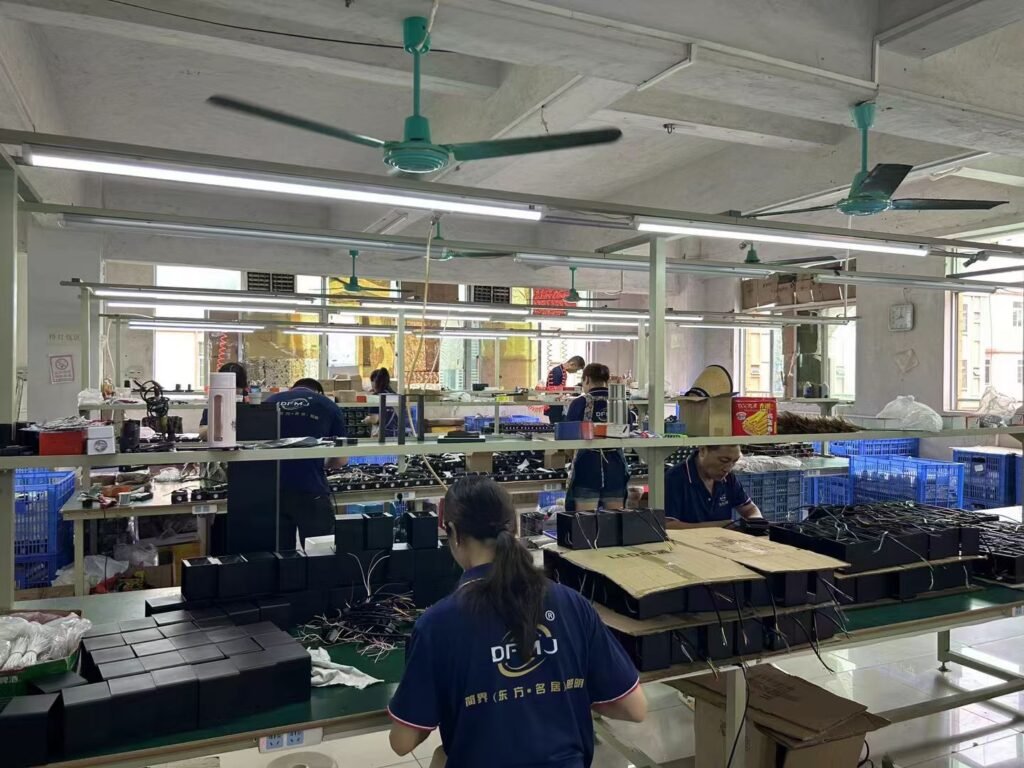
outdoor wall light manufacturer LED facade lighting

Outdoor Wall Light Manufacturer: How to Choose the Right Partner

Introduction

Outdoor wall light manufacturer is one of the most important search terms for distributors, contractors, and project buyers sourcing exterior lighting products.

Choosing the right manufacturer directly affects product quality, pricing stability, delivery time, and long-term cooperation. A reliable partner ensures consistent performance and reduces project risks.

If you are sourcing lighting products, start by exploring a complete outdoor lighting collection to understand available options.

outdoor wall light manufacturer factory production

What an Outdoor Wall Light Manufacturer Provides

An outdoor wall light manufacturer is not just a factory producing products. It is a complete solution provider for lighting projects and wholesale distribution.

Manufacturers typically offer:

  • Standard product lines
  • Customized designs
  • Technical support
  • Production and delivery management

Understanding these services helps buyers make better sourcing decisions.

Key Factors When Choosing an Outdoor Light Manufacturer

When evaluating an outdoor light manufacturer, buyers should focus on:

Manufacturing experience
Product consistency
Delivery capability
Communication efficiency

👉 See more LED outdoor wall lights

A strong manufacturer can support both small and large-scale orders with stable quality.

LED outdoor wall lights building facade

Product Quality and Certification Standards

Quality is one of the most critical aspects when selecting an outdoor wall light factory.

Key factors include:

  • Waterproof rating (IP65 or higher)
  • Material quality (die-cast aluminum)
  • Stable LED drivers
  • Certification (CE, RoHS, etc.)

👉 Learn more about IP65 waterproof standard

Reliable products reduce maintenance and improve customer satisfaction.

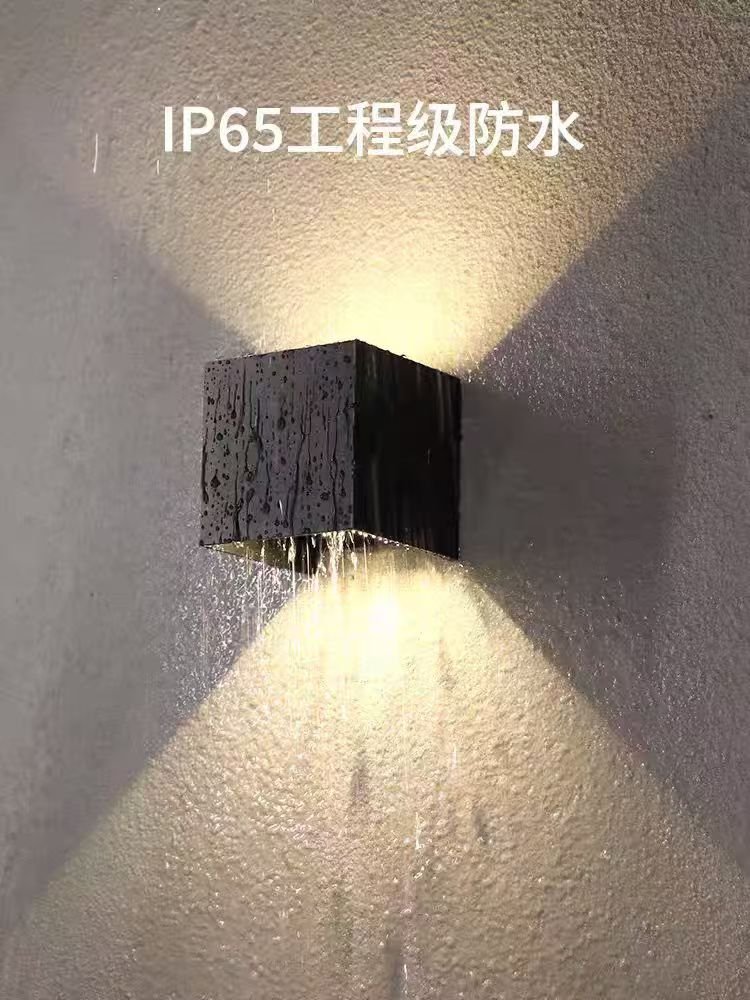
IP65 outdoor wall light waterproof test

Pricing and MOQ Considerations

Pricing is a major concern in B2B sourcing.

When working with an outdoor wall light manufacturer, consider:

Unit price vs quality balance
Minimum order quantity (MOQ)
Bulk order discounts
Shipping and packaging costs

Choosing the cheapest option often leads to higher long-term costs.

OEM and Customization Capabilities

A professional outdoor wall light factory should support OEM and ODM services.

Customization options include:

Logo branding
Product design adjustments
Packaging solutions
Project-specific modifications

These services are important for distributors building their own brand.

Common Mistakes When Sourcing from Manufacturers

Many buyers make avoidable mistakes:

Focusing only on price
Ignoring product quality
Not checking certifications
Choosing unreliable suppliers

Avoiding these mistakes helps ensure smoother business operations.

Building Long-Term Partnerships with factory

Working with a reliable outdoor wall light factory is not a one-time transaction. It is a long-term partnership.

Strong cooperation provides:

Stable supply chain
Better pricing over time
Priority production support

👉 Work with a trusted outdoor lighting supplier

outdoor wall lights commercial project

Conclusion

Choosing the right outdoor wall light manufacturer is essential for successful projects and long-term business growth.

By focusing on quality, reliability, and communication, buyers can build strong partnerships and achieve better results in the outdoor lighting market.

Need a reliable outdoor wall light manufacturer?
👉 Contact us for product catalog, pricing, and project support

outdoor pillar lights modern entrance lighting

Outdoor Pillar Lights Ideas for Modern Entrance Design

Introduction

Entrance lighting plays a crucial role in both residential and commercial projects. Among different lighting types, outdoor pillar lights are often the first visual element people notice when approaching a property.

These lighting fixtures are not only functional but also define the identity and style of a building. Whether used in villas, hotels, or commercial entrances, pillar lighting helps create a strong first impression while improving safety and visibility.

👉 Explore our outdoor wall lights collection

outdoor pillar lights entrance lighting design

What Are Outdoor Pillar Lights

Outdoor pillar lights are lighting fixtures installed on gate columns, walls, or entrance pillars. They provide illumination for entry areas while enhancing the overall architectural appearance.

These lights are commonly used as part of a complete outdoor lighting system, working together with wall lights and landscape lighting.

Applications of Outdoor Pillar Lights in Projects

Pillar lighting is widely used in:

  • Residential villa entrances
  • Commercial buildings and offices
  • Hotels and hospitality projects
  • Residential compounds and gated communities

These applications require lighting that is both durable and visually consistent with the building design.

👉modern outdoor pillar lights

outdoor pillar lights entrance lighting design

Popular Designs of Outdoor Pillar Lights

Different projects require different styles of outdoor pillar lights. Some of the most popular options include:

  1. Minimalist modern designs for contemporary buildings
  2. Lantern-style lighting for classic architecture
  3. Integrated LED designs for energy efficiency
  4. Decorative fixtures for luxury projects

👉 See more modern outdoor wall lights

Choosing the right design helps match the overall architectural style.

Materials and Durability of Outdoor Pillar Lights

Outdoor lighting products must withstand environmental conditions such as rain, dust, and temperature changes.

High-quality fixtures typically use:

• Die-cast aluminum housing
• Waterproof sealing structures
• Anti-corrosion surface treatment

These materials ensure stable performance and long service life in outdoor environments.

Why Waterproof Standards Matter for Entrance Lighting

Entrance lighting is exposed to outdoor conditions all year round. Reliable waterproof protection is essential for long-term performance.

IP65-rated lighting provides:

  • Protection against water and dust
  • Stable operation in harsh environments
  • Reduced maintenance requirements

👉 Learn more about IP65 waterproof standard

outdoor pillar lights residential entranc

How to Choose the Right Outdoor Pillar Lights

When selecting outdoor pillar lights, buyers should consider:

  • Design compatibility with the building
  • Material quality and durability
  • Waterproof performance
  • Lighting effect and brightness

A balanced choice improves both visual results and long-term reliability.

Common Mistakes in Choosing Entrance Lighting

Many buyers make these mistakes:

  • Choosing products based only on price
  • Ignoring waterproof and durability factors
  • Selecting styles that do not match the building

These issues often result in poor performance and higher maintenance costs.

Choosing the Right Supplier for Outdoor Pillar Lights

Working with a reliable supplier is essential for project success.

Important factors include:

  • Manufacturing experience
  • Product consistency
  • Delivery capability
  • Customization support

👉 Work with a professional outdoor lighting manufacturer

Why Outdoor Pillar Lights Improve Property Value

Entrance lighting has a strong impact on how a property is perceived.

Well-designed lighting can:

  • Enhance architectural appearance
  • Improve safety and visibility
  • Increase perceived value of the property

In many projects, entrance lighting is a key factor in creating a professional and high-quality impression.

Conclusion

Outdoor pillar lights are more than just functional lighting. They are part of architectural design and play an important role in defining the entrance of a building.

Choosing the right products and working with a reliable supplier ensures better performance, lower maintenance, and long-term success in outdoor projects.

👉professional outdoor lighting manufacturer


outdoor step lights for stairs safety lighting

How to Choose Outdoor Step Lights for Safety and Design

Introduction

Outdoor lighting is essential for both safety and design in modern projects. Among different lighting types, step lighting plays a key role in guiding movement and reducing risks.

Proper lighting for stairs and walkways improves visibility at night and enhances the overall appearance of a space. Choosing the right products helps ensure long-term performance and user safety.

👉 Explore our outdoor lighting collection

outdoor step lights stairs lighting

Why Outdoor Step Lights Are Important

Step lighting is designed to improve safety in areas with elevation changes such as stairs and pathways.

These lighting solutions help:

  • Reduce the risk of accidents
  • Improve visibility at night
  • Provide guidance in outdoor environments

Proper illumination makes outdoor spaces more functional and secure.

Types of Outdoor Step Lights

Different projects require different lighting designs. Common options include:

  1. Recessed step lighting installed inside walls
  2. Surface-mounted fixtures for easy installation
  3. Low-voltage LED lighting systems
  4. Decorative lighting for architectural design

👉 See more LED outdoor step lights

Each option provides different benefits depending on project requirements.

LED outdoor step lights design

Safety Considerations for Step Lighting

Lighting for steps should focus on visibility without causing glare.

Important factors include:

• Even light distribution
• Soft brightness levels
• Consistent spacing

These elements help create a comfortable and safe environment.

outdoor step lights pathway safety

Materials and Durability in Outdoor Lighting

Outdoor products must handle rain, dust, and temperature changes.

Common materials include:

  • Aluminum housing
  • Waterproof sealing components
  • Heat-resistant drivers

High-quality materials improve durability and reduce maintenance.

Importance of Waterproof Standards

Outdoor lighting systems must meet waterproof requirements to perform reliably.

IP65-rated lighting products provide:

  • Protection against water and dust
  • Stable operation in outdoor environments
  • Longer service life

👉 Learn more about IP65 waterproof standard

Common Mistakes When Choosing Step Lighting

Some common issues include:

  • Choosing products based only on price
  • Ignoring waterproof performance
  • Poor installation planning

These mistakes often lead to higher long-term costs.

LED outdoor step lights

Choosing the Right Supplier

Working with an experienced supplier helps ensure consistent product quality and reliable delivery.

Key factors include:

  • Manufacturing experience
  • Product range
  • Ability to support projects
  • Customization capability

👉 Work with a professional outdoor lighting manufacturer

Conclusion

Outdoor step lighting is essential for safety and functionality. Choosing the right solution improves both performance and design in modern projects.

Reliable products and proper planning ensure long-term success in outdoor environments.

outdoor garden lights supplier for villa landscape projects

Outdoor Bollard Lights Ideas for Modern Landscape Lighting

Introduction

Outdoor landscape lighting plays an important role in modern projects. From residential gardens to commercial walkways, lighting systems help improve both safety and visual appeal.

Among different lighting options, bollard-style fixtures are widely used for pathways and open spaces. They provide stable illumination while maintaining a clean and structured layout.

Choosing the right product ensures long-term performance and reduces maintenance costs.

👉 Explore our outdoor lighting collection

outdoor bollard lights garden pathway

What Are Outdoor Bollard Lights

Bollard lighting refers to vertical fixtures designed for ground-level illumination. These lights are commonly installed along pathways, gardens, and outdoor public areas.

They provide low-glare lighting that improves visibility while enhancing the overall design of a space.

Applications of Bollard Lighting in Outdoor Projects

These lighting products are widely used in different environments:

  • Garden pathways
  • Residential landscapes
  • Commercial outdoor areas
  • Public infrastructure

They help guide movement and create a safer environment at night.

Types of Outdoor Bollard Lights

Different projects require different lighting designs. Common options include:

  1. Minimalist modern designs
  2. Integrated LED lighting fixtures
  3. Decorative landscape lighting
  4. Solar-powered outdoor solutions

👉 See more LED outdoor lighting products

Each type offers different advantages depending on project requirements.

Materials and Durability Considerations

Outdoor lighting products must withstand environmental conditions such as rain, dust, and temperature changes.

High-quality fixtures typically use:

• Die-cast aluminum housing
• Weather-resistant finishes
• Sealed waterproof structures

These features help ensure long-term durability.

Why Waterproof Standards Matter

Outdoor lighting systems must meet waterproof requirements to function reliably.

IP65-rated products provide:

  • Protection against water and dust
  • Stable performance in outdoor conditions
  • Reduced maintenance needs

👉 Learn more about IP65 waterproof standard

Installation Tips for Outdoor Bollard Lights

Proper installation improves lighting performance:

  • Maintain equal spacing
  • Ensure stable mounting
  • Avoid excessive brightness

Conclusion

Outdoor landscape lighting is an essential part of modern design. Choosing durable and well-designed fixtures improves both functionality and appearance.

Working with a reliable supplier helps ensure consistent quality and long-term performance in outdoor environments.

👉 Work with a professional outdoor lighting manufacturer

outdoor lighting solutions for commercial projects building facade

5 Outdoor Lighting Solutions for Commercial Projects

Introduction

Outdoor lighting plays an important role in modern construction projects. For contractors and distributors, choosing the right lighting system affects not only design but also durability and long-term maintenance.

In commercial environments, lighting must perform consistently under different weather conditions. That is why many buyers focus on reliable suppliers and waterproof performance when selecting products.

👉Get a quick quote for your project

Table of Contents

  1. What commercial outdoor lighting includes
  2. Key lighting products for projects
  3. Why waterproof standards matter
  4. How contractors select suppliers
  5. Common mistakes to avoid

outdoor lighting solutions for commercial projects facade lighting

What Outdoor Lighting Includes in Commercial Projects

Outdoor lighting systems are designed to support both functionality and visual appearance. They are commonly used in:

  • Hotels and hospitality buildings
  • Commercial centers
  • Residential complexes
  • Public outdoor spaces

A complete system improves safety, visibility, and building aesthetics.

Key Lighting Products for Commercial Projects

Most commercial projects include several types of lighting:

  1. Wall lights for building facades
  2. Bollard lights for walkways
  3. Step lights for safety areas
  4. Decorative lighting for visual impact

👉View ourLED outdoor wall lights

outdoor lighting solutions wall lights and bollard lights

Why IP65 Matters in Outdoor Lighting Solutions for Commercial Projects

In outdoor environments, IP65 is essential for any outdoor lighting solutions for commercial projects.

It ensures:

• Protection from dust and rain
• Stable performance in harsh climates
• Longer product lifespan

👉Learn more about IP65 waterproof standard

IP65 outdoor lighting solutions waterproof test

How Contractors Choose a Lighting Supplier

Contractors usually consider several factors before making a decision:

  • Product consistency across orders
  • Waterproof and material quality
  • Ability to support project requirements
  • Delivery reliability

Working with an experienced supplier helps reduce project risks.

Why Choose Us as Your Outdoor Lighting Supplier

We are a professional manufacturer with over 15 years of experience in outdoor lighting solutions for commercial projects.

We offer:

  • Stable product quality
  • Wide product range
  • OEM & ODM support
  • Fast production and delivery

👉Request product catalog & quotation now

Common Problems We Help You Avoid

Many contractors face these issues:

  • Inconsistent product quality
  • Poor waterproof performance
  • Delivery delays

Working with the right supplier helps reduce risks and improve efficiency.

Start Your Outdoor Lighting Project Today

Choosing the right outdoor lighting solutions for commercial projects ensures long-term success.

👉 Work with a professional outdoor lighting manufacturer

👉Contact us today for your project solution

outdoor wall lights supplier for building facade

Outdoor Wall Lights Supplier: How to Choose IP65 Lighting for Your Project

Find reliable outdoor wall lights supplier for projects and wholesale. Learn how to choose IP65 waterproof lighting for long-term outdoor use.

Introduction

Choosing the right outdoor wall lights is not only about design, but also about durability, waterproof performance, and long-term reliability. For distributors and project contractors, selecting a reliable outdoor lighting supplier can directly impact project success and customer satisfaction.
LED outdoor wall lights

outdoor wall lights supplier for building facade

Why Choosing the Right Outdoor Wall Lights Supplier Matters

Working with a reliable outdoor wall lights supplier ensures:

  • Stable product quality
  • Consistent delivery time
  • Competitive pricing for bulk orders

A professional supplier can support both wholesale and project-based requirements, especially in growing markets like the Middle East and Central Asia.

Outdoor Wall Lights Supplier and IP65 Standards

When sourcing products, IP65 is a must-have standard.

A qualified outdoor wall lights supplier should provide:

  • Waterproof protection against rain and dust
  • Durable materials like die-cast aluminum
  • Stable LED driver performance

Without IP65 protection, outdoor lighting products will fail quickly in harsh environments.

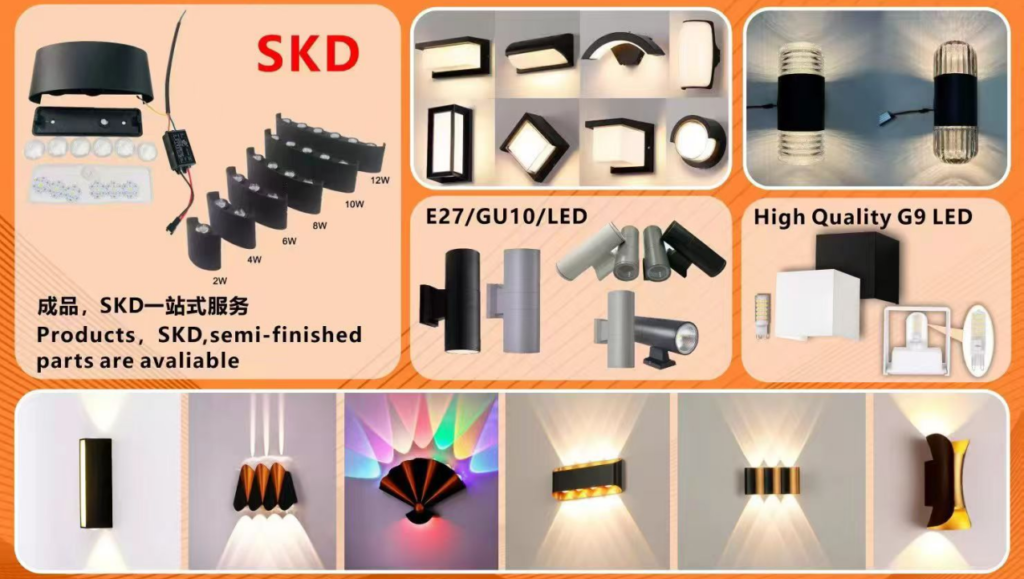
IP65 waterproof standard

IP65 outdoor wall lights waterproof

Types of Products Offered by an Outdoor Wall Lights Supplier

A strong outdoor wall lights supplier usually offers a wide range of products:

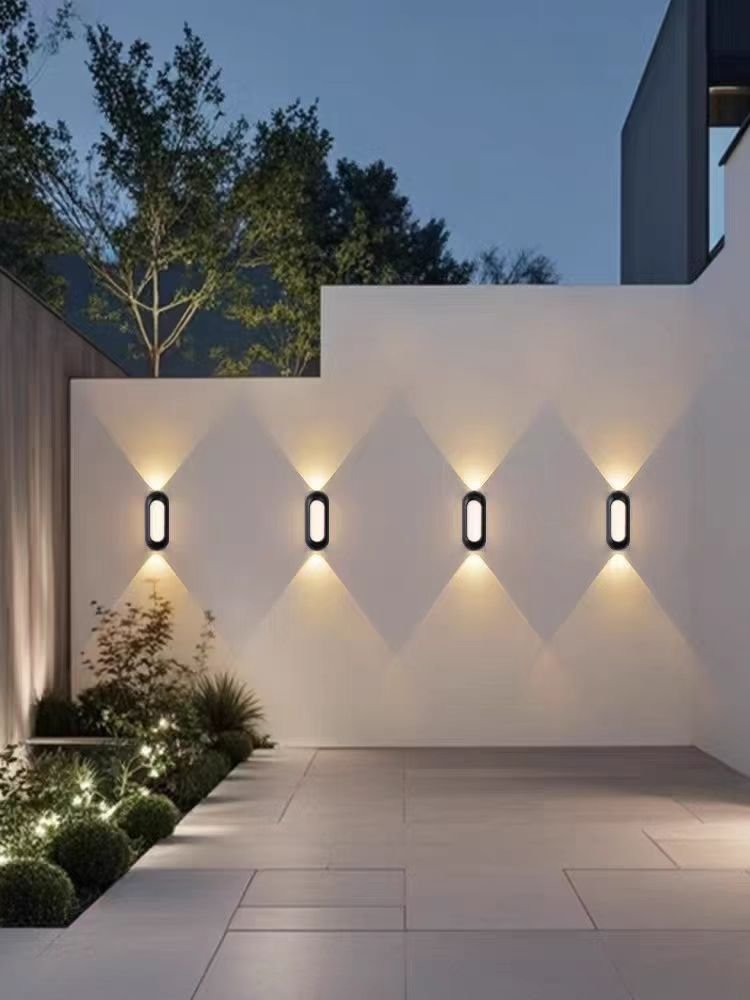
  1. Modern up and down wall lights
  2. Linear architectural wall lights
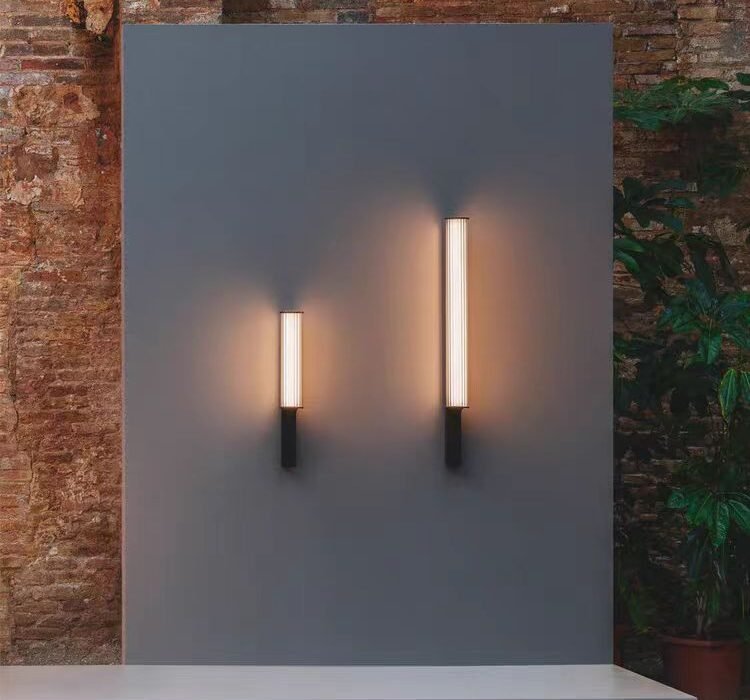
  3. Decorative crystal outdoor wall lamps
  4. E27 classic outdoor lighting fixtures

These options allow buyers to meet different project and retail needs.

modern LED outdoor wall lights

outdoor wall lights supplier product range

How to Evaluate an Outdoor Wall Lights Supplier

Before choosing a supplier, consider the following:

  • Years of manufacturing experience
  • Product certifications (CE, ROHS)
  • OEM and ODM capability
  • Production capacity

A reliable outdoor wall lights supplier will also provide customization and technical support.

Best Outdoor Wall Lights Supplier for Middle East and Central Asia

Markets like Saudi Arabia, UAE, Kazakhstan, and Uzbekistan require higher product standards.

A professional outdoor wall lights supplier should offer:

• Heat-resistant materials
• Strong waterproof sealing
• Long lifespan LED solutions

These features ensure better performance in extreme climates.

outdoor wall lights project lighting solution

Common Mistakes When Choosing an Outdoor Wall Lights Supplier

Many buyers make these mistakes:

  • Choosing based only on price
  • Ignoring waterproof ratings
  • Not checking supplier experience

Selecting the wrong outdoor wall lights supplier can lead to project delays and product failures.

Conclusion

Finding the right outdoor wall lights supplier is not just about price. It is about long-term reliability, product performance, and business growth.

If you are targeting wholesale or project markets, always choose a supplier that understands outdoor lighting requirements and can support your business sustainably.

work with a professional outdoor lighting manufacturer

Add to cart