
Why Do Cheap Outdoor Lights Fail Early?
If you are buying outdoor lights for a project, the lowest unit price can look attractive.
But a lower purchase price does not always mean a lower project cost.
So, why do cheap outdoor lights fail after only a relatively short period?
In many cases, the problem is not simply that the product is “cheap.” The real issue is that cost has been reduced somewhere in the product design, materials, components, manufacturing process, or testing.
For B2B buyers, this matters because an outdoor light that fails after installation can create additional costs for replacement, labor, transportation, maintenance, customer complaints, and project delays.
That is why professional buyers should not compare outdoor lights by unit price alone.
Compare the total cost of ownership.
Quick Answer: Why Do Cheap Outdoor Lights Fail?
The most common reasons include:
- Low-quality or inconsistent materials
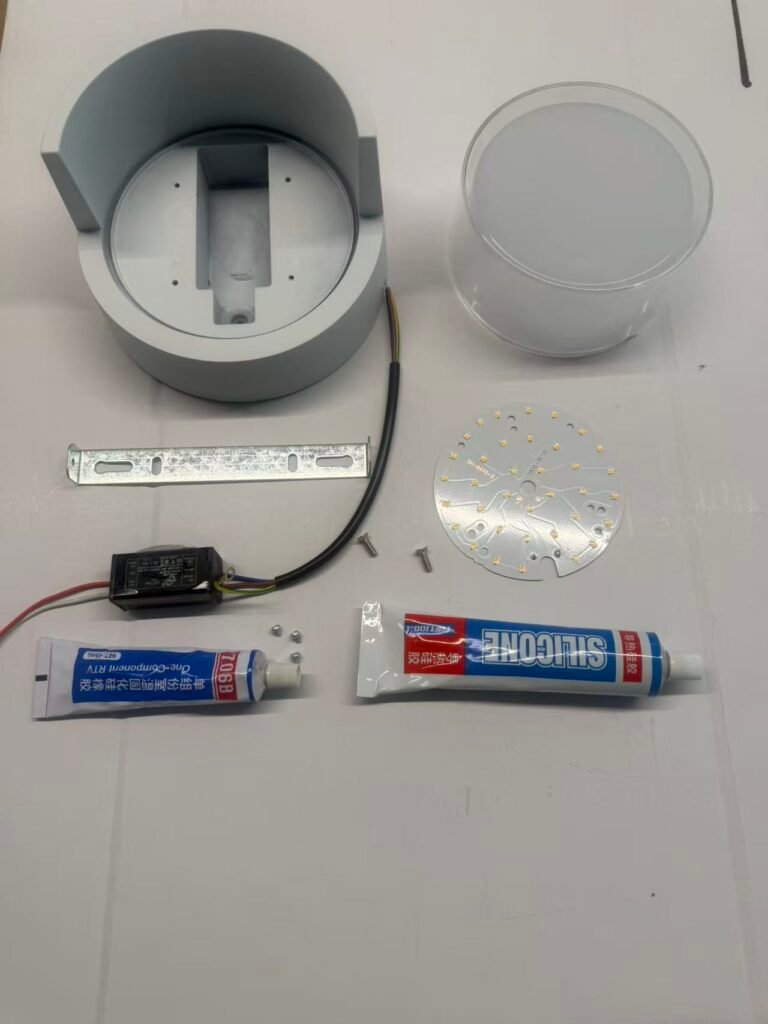
- Poor sealing and water protection
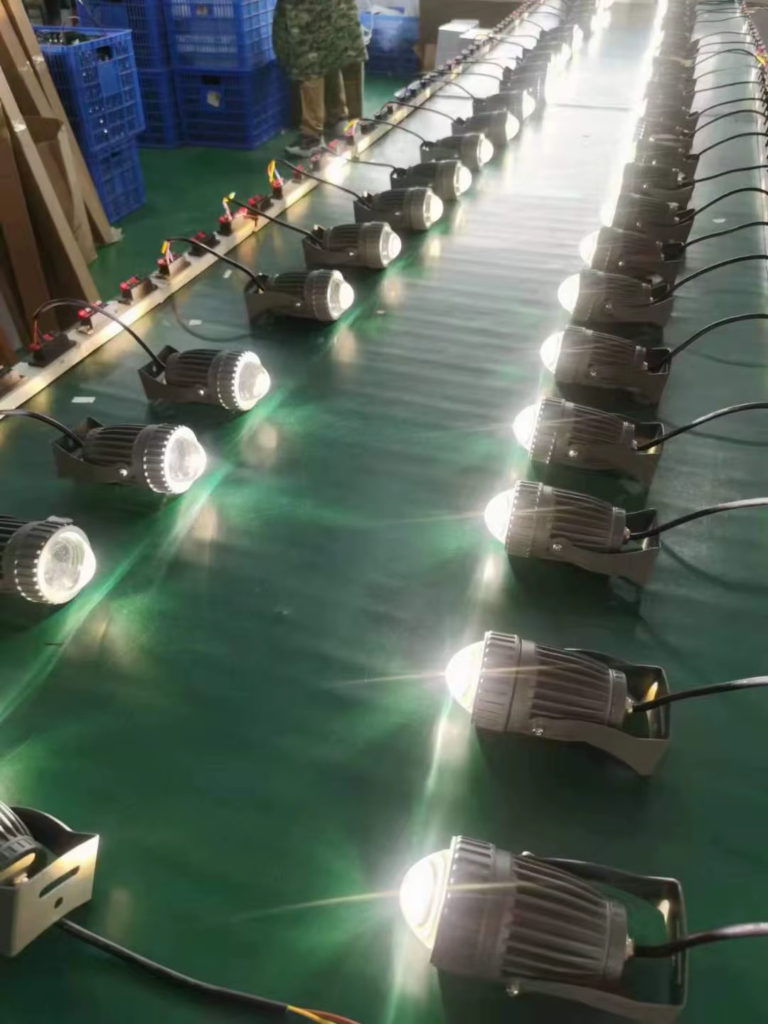
- Weak LED drivers or electrical components
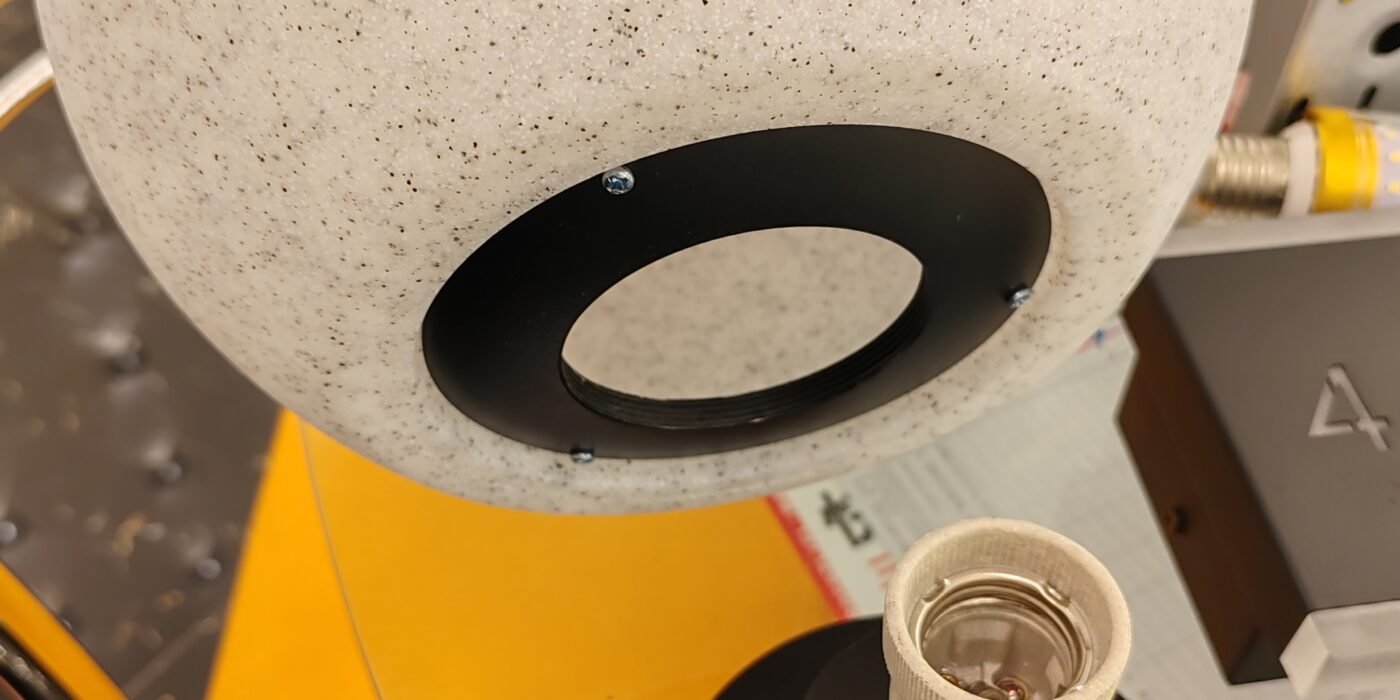
- Thin or poorly engineered housing
- Poor surface coating and corrosion protection
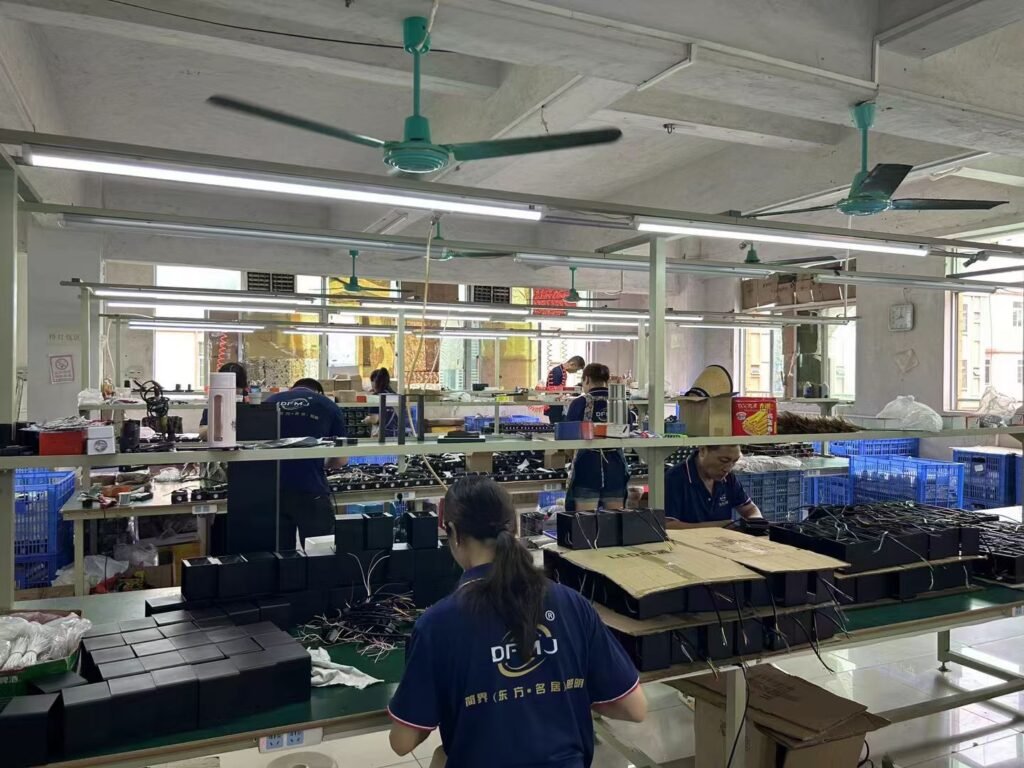
- Inconsistent assembly and quality control
- Limited product testing before shipment
Not every low-priced outdoor light has these problems. However, buyers should understand where a low price may come from before placing a large order.
1. Low-Quality Materials Can Reduce Product Life
One major reason why do cheap outdoor lights fail is material selection.
Outdoor lighting is exposed to rain, humidity, UV radiation, temperature changes, dust, wind, and sometimes salt air.
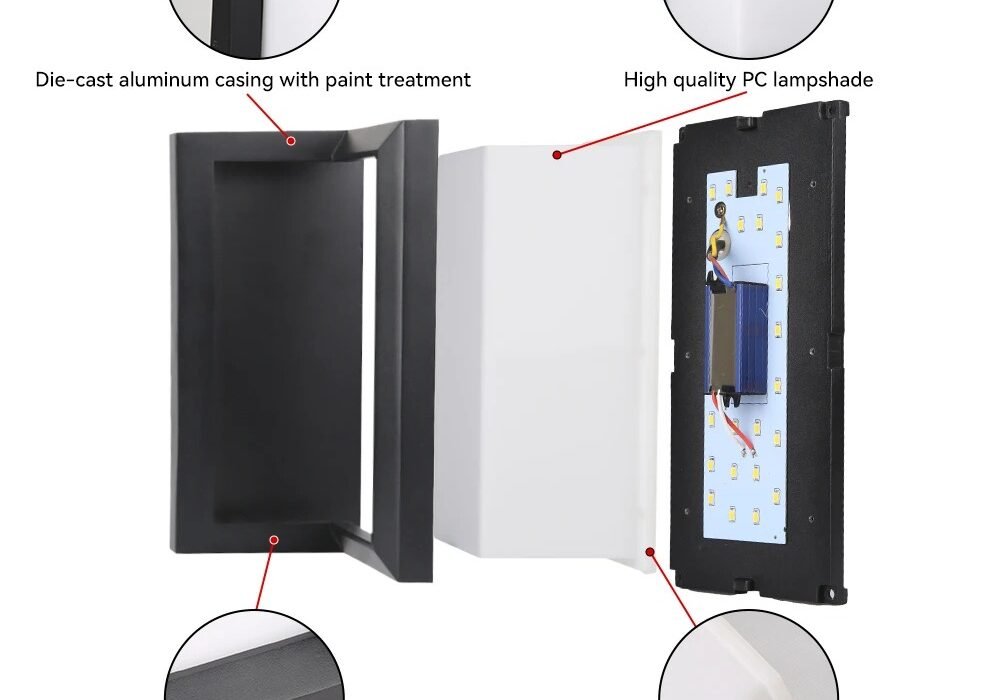
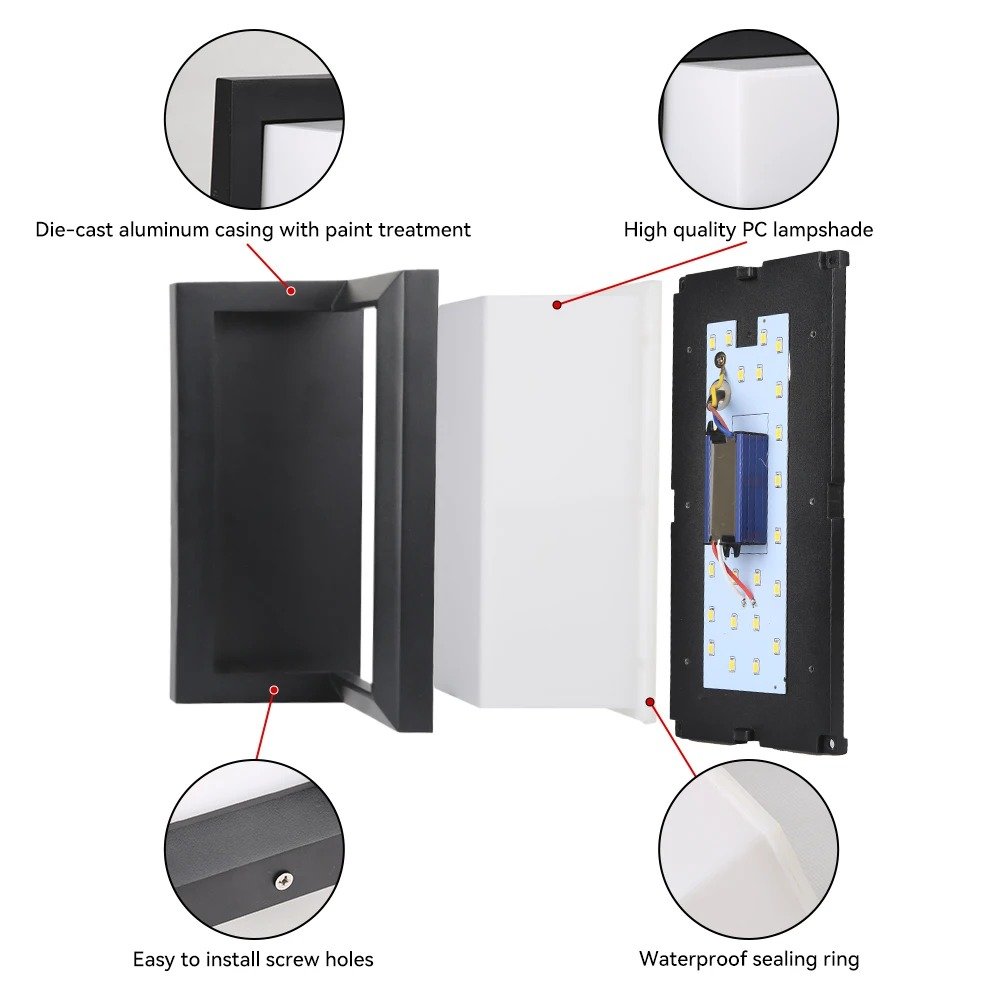
The housing, diffuser, screws, gaskets, cables, connectors, and internal components all need to work together in that environment.
When a manufacturer reduces material cost, the result may include:
- Lower-grade plastic components
- Poor-quality aluminum alloys
- Thin structural parts
- Low-quality gaskets
- Weak cable glands
- Low-grade screws or fasteners
- Materials that age quickly under UV exposure
The problem may not be obvious when the product is new.
A sample can look perfectly acceptable during inspection but perform differently after months of outdoor exposure.
For B2B buyers, the important question is therefore not only:
“What material is this?”
Also ask:
“How is this material specified, processed, finished, and tested?”
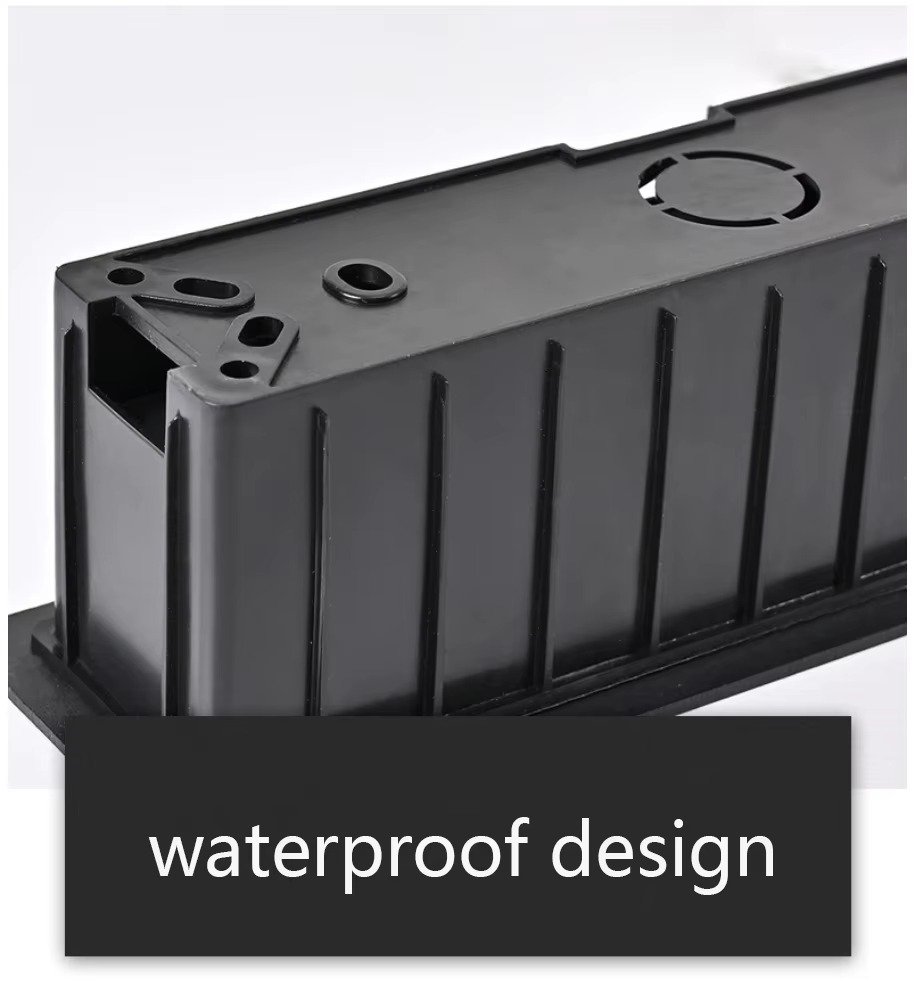
2. Poor Sealing Can Cause Water Damage
Outdoor lights must deal with water.
Rain can enter through the housing joint, cable entry, connector, screw hole, gasket, or damaged sealing surface.
Poor sealing is one of the most common explanations for why do cheap outdoor lights fail in real projects.
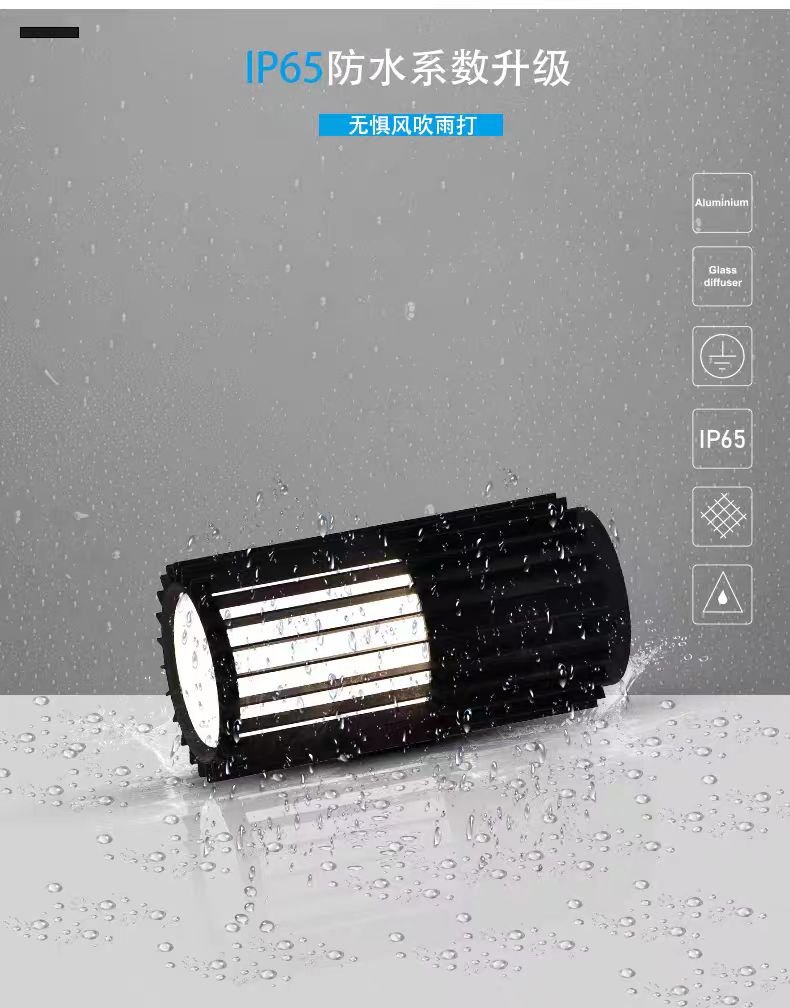
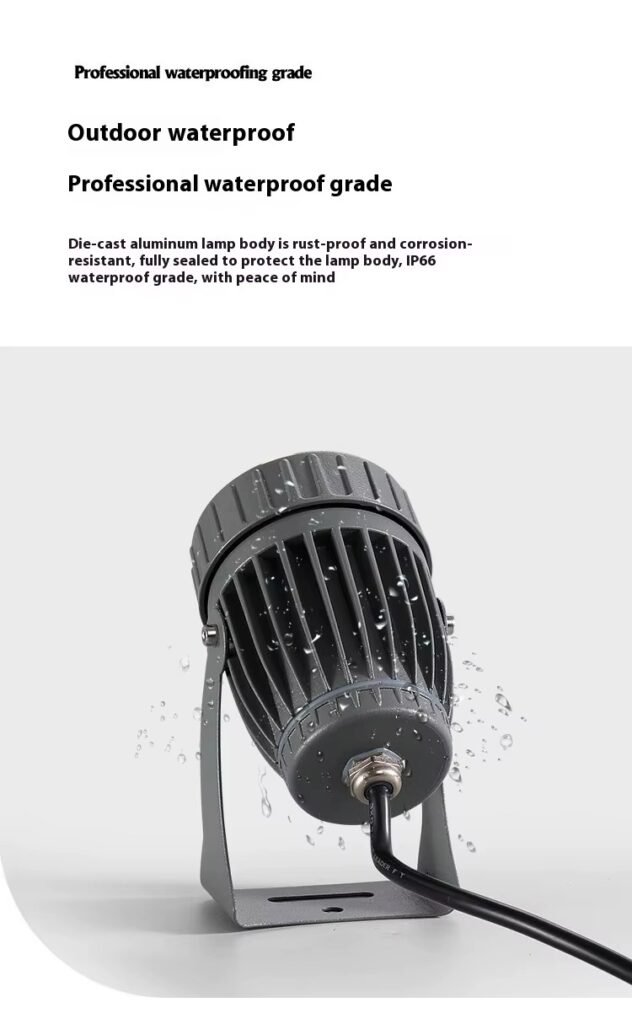
A product may have an IP rating on paper, but the actual waterproof performance depends on the complete construction.
For example, check:
- Gasket quality
- Housing joints
- Cable entry design
- Screw positioning
- Connector protection
- Glass or diffuser sealing
- Assembly consistency
- Final waterproof inspection
This is especially important for wall lights, garden lights, step lights, and inground lights.
For projects with frequent rain or irrigation, buyers should not rely only on a product photo or specification sheet.
Ask the supplier how waterproof performance is checked before shipment.
You can also read our guide:
Outdoor Lights Get Water Inside? 7 Causes and How to Fix Them
3. Weak LED Drivers Can Cause Early Electrical Failure
The LED chip is only one part of an outdoor lighting system.
The LED driver is also critical.
A low-cost fixture may use a lower-quality driver to reduce the total product cost. This can create problems such as:
- Flickering
- Unstable output
- Overheating
- Shorter operating life
- Inconsistent performance between batches
- Failure after repeated power cycles
This is one reason why do cheap outdoor lights fail even when the LED itself appears to be working properly.
For commercial projects, buyers should ask suppliers about the driver brand, electrical specifications, operating conditions, and compatibility with the intended power system.
For larger orders, it is also useful to test samples under realistic operating conditions instead of checking only whether the lamp turns on.
4. Thin Housing Can Affect Heat Dissipation and Durability
Another hidden cost-saving area is the fixture housing.
Outdoor LED lights generate heat. The housing and thermal design help move that heat away from internal components.
A poorly designed housing can create excessive heat around the LED or driver.
Over time, this may contribute to:
- Reduced component life
- Lower light output
- Driver problems
- Material deformation
- Premature failure
For many architectural outdoor lights, die-cast aluminum is useful because it can provide structural strength and help with thermal management when properly designed.
But simply saying “die-cast aluminum” does not automatically mean the product is high quality.
The thickness, design, heat dissipation structure, finishing, assembly, and internal components all matter.
This is why buyers should evaluate the complete fixture, not one material specification.
For a deeper comparison, see:
Die-Cast Aluminum vs Plastic Outdoor Lights: Which Is Better?
5. Poor Coating Can Lead to Corrosion
Outdoor lighting may look good when it leaves the factory but develop coating problems after installation.
Poor surface preparation or coating quality can lead to:
- Peeling
- Bubbling
- Discoloration
- Scratches developing into corrosion
- Corrosion around screws and joints
This becomes especially important for coastal projects, where salt-laden air can accelerate corrosion-related problems.
When evaluating an outdoor lighting supplier, ask about:
- Surface preparation
- Powder coating process
- Coating consistency
- Coating thickness requirements
- Hardware material
- Corrosion testing
For buyers who want to understand standardized salt spray testing, ISO 9227:2022 specifies procedures for neutral salt spray, acetic acid salt spray, and copper-accelerated acetic acid salt spray testing. It is useful for assessing corrosion protection and detecting coating defects, although the standard itself cautions that salt spray results should not be treated as a direct prediction of long-term outdoor life.
ISO 9227:2022 — Corrosion tests in artificial atmospheres
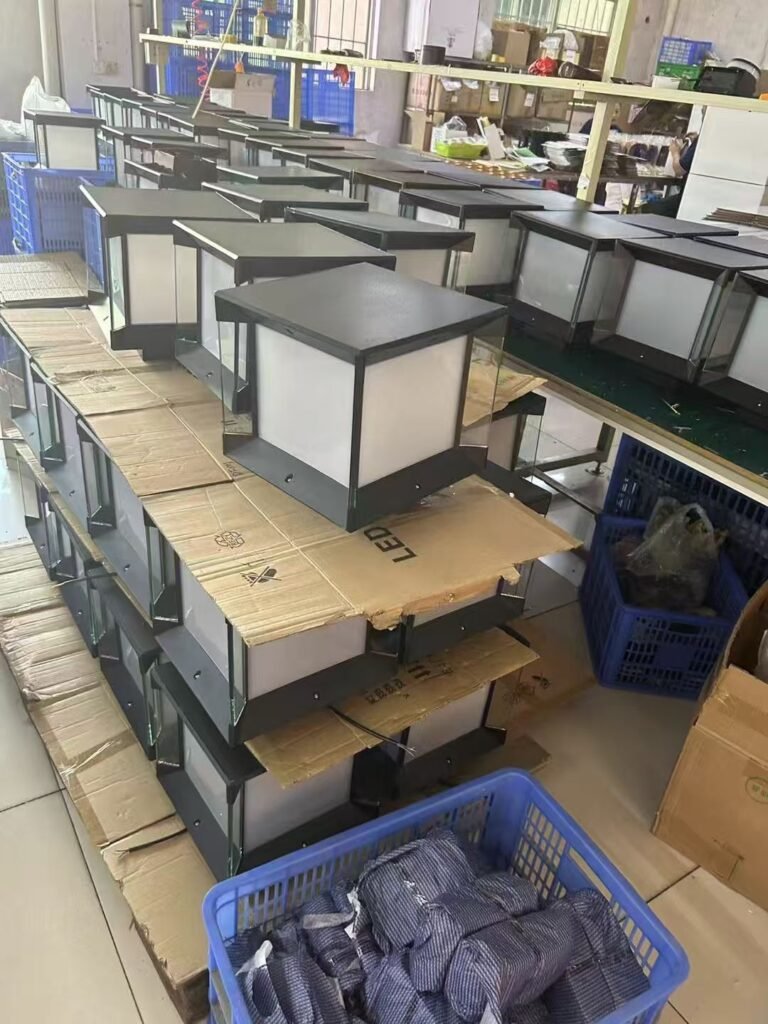
6. Inconsistent Assembly Can Create Batch Problems
A product can have good components and still fail because of inconsistent assembly.
This is particularly important for B2B buyers ordering hundreds or thousands of units.
Possible problems include:
- Uneven gasket installation
- Loose screws
- Poor cable connections
- Incorrect component installation
- Damaged sealing surfaces
- Different assembly quality between production batches
This is one reason why do cheap outdoor lights fail can be difficult to answer by looking at the product alone.
A buyer may receive one good sample but a less consistent bulk shipment.
That is why supplier quality control matters.
A professional supplier should have defined assembly procedures and inspection points rather than relying only on a final visual check.
7. Limited Testing Can Hide Problems Before Shipment
Testing is one of the easiest areas to overlook when comparing suppliers.
A low-priced product may pass a basic “turn on the light” inspection but receive limited environmental or electrical testing.
For outdoor lighting, buyers may want to understand whether the supplier checks:
- Waterproof performance
- Aging or burn-in
- Electrical safety
- Light output
- Assembly quality
- Surface finish
- Corrosion resistance where required
- Product consistency between batches
The exact testing requirements should depend on the product and project environment.
For example, a coastal resort should be evaluated differently from an indoor commercial space or a residential garden.
The key question is:
What problems does the supplier test for before the products reach your customer?
DFMJ Expert Insight: Cheap Is Not Always the Real Problem
From a manufacturer-side perspective, I would not say that every low-priced outdoor light is poor quality.
Different factories have different production costs, volumes, designs, and supply chains.
The real problem is when a buyer compares products only by unit price without understanding what is included in that price.
For example:
Supplier A: Lower unit price + more failures + higher replacement cost
Supplier B: Higher unit price + better consistency + fewer service problems
The second option may have a lower total cost over the life of the project.
That is why I recommend buyers compare:
Material + Components + Construction + Testing + Consistency + After-Sales Risk
rather than simply comparing the number on a quotation sheet.
Real Project Tip: Ask These 7 Questions Before Buying
If you are sourcing outdoor lights for a project, ask the supplier these questions before placing a bulk order:
- What materials are used for the housing and diffuser?
- How is the waterproof performance tested?
- What driver or electrical components are used?
- How is heat managed inside the fixture?
- What surface treatment is used for outdoor corrosion protection?
- What inspections are performed during production and before shipment?
- Can you provide sample testing or inspection records for the specific model?
You do not necessarily need the most expensive product.
You need a product whose specifications match the actual project environment and whose quality is consistent with the expected service life.
Don’t Compare Outdoor Lights by Unit Price Alone
For B2B buyers, the most useful purchasing question is not:
“Which supplier has the cheapest price?”
It is:
“Which supplier gives us the lowest reasonable total cost of ownership?”
Total cost can include:
Purchase Price + Shipping + Installation + Maintenance + Replacement + Labor + Customer Complaints + Project Delays
A fixture that costs slightly more but reduces replacement and maintenance problems may be the more economical choice.
This is especially important when you are purchasing outdoor lighting for hotels, villas, commercial buildings, landscape projects, residential developments, or large distributor inventories.
About DFMJ Lighting
DFMJ Lighting focuses on outdoor lighting for B2B buyers, distributors, wholesalers, and project customers.
Our outdoor lighting range includes outdoor wall lights, garden lights, landscape lighting, step lights, and inground lighting.
For buyers evaluating suppliers, our approach is to look beyond the unit price and consider the complete product system — housing, components, sealing, finishing, assembly, testing, and application environment.
You can explore our outdoor lighting solutions here:
DFMJ Lighting — Outdoor Lighting Manufacturer
For buyers looking specifically at inground applications:
FAQ: Why Do Cheap Outdoor Lights Fail?
Why do cheap outdoor lights fail early?
Cheap outdoor lights may fail early because cost reductions can affect materials, sealing, drivers, housing design, coating, assembly, or testing. However, low price alone does not prove poor quality. Buyers should evaluate the complete product and supplier process.
Are expensive outdoor lights always better?
No. A higher price does not automatically guarantee better quality. Buyers should compare materials, components, construction, testing, consistency, warranty, and expected application rather than price alone.
What should I check when buying cheap outdoor lights?
Check the housing material, waterproof construction, LED driver, thermal management, surface coating, hardware, assembly quality, testing process, and supplier consistency.
Is die-cast aluminum better for outdoor lighting?
Die-cast aluminum can provide good structural strength and thermal management when properly engineered. However, the material alone does not determine overall product quality. Design, finishing, components, and manufacturing quality also matter.
How can I reduce the risk of outdoor lighting failure?
Start with samples, define the technical requirements clearly, test products under realistic conditions, confirm the production specification, and work with a supplier that has consistent quality-control procedures.
Final Takeaway
The reason why do cheap outdoor lights fail is usually not one single component.
It is often the result of several small cost reductions across materials, sealing, electronics, coating, assembly, and testing.
For B2B buyers, the better purchasing strategy is simple:
Don’t compare outdoor lights by unit price alone. Compare total cost of ownership.
A lower initial price can be attractive.
But consistent quality, suitable materials, reliable construction, and appropriate testing can be more valuable when the lights will be installed in hundreds of locations and expected to perform outdoors for years.
The cheapest outdoor light is not necessarily the lowest-cost lighting solution.
Related Articles
- Why Do Outdoor Lights Get Water Inside?
- Why Do Outdoor Lights Keep Failing?
- Why Do Outdoor Lights Flicker?
- IP65 vs IP66 vs IP67: Which Outdoor Lighting Rating Do You Need?
- Die-Cast Aluminum vs Plastic Outdoor Lights: Which Is Better?