
Introduction
Bollard lights spacing is one of the most important factors in outdoor landscape lighting design. Proper spacing improves visibility, enhances safety, and creates a balanced visual effect in gardens, villas, hotels, and commercial pathways.
Many projects fail not because of poor lighting products, but because of incorrect fixture placement. Over-spacing creates dark zones, while under-spacing causes glare and uneven brightness. Understanding how to arrange bollard lighting professionally helps improve both aesthetics and long-term functionality.
If you are planning a residential or commercial landscape project, correct spacing design is essential for achieving high-quality outdoor illumination.
👉 Explore our outdoor lighting collection
1. Why Bollard Lighting Matters in Modern Landscape Design
Outdoor landscape lighting has evolved significantly in recent years. According to the U.S. Department of Energy, LED outdoor lighting systems can reduce energy consumption by more than 40% compared with traditional lighting technologies.
As urban landscaping and villa construction continue to grow in the Middle East and Central Asia, demand for durable and visually balanced pathway lighting is increasing rapidly. Modern projects now prioritize:
Energy-efficient LED systems
Low-glare lighting distribution
Architectural consistency
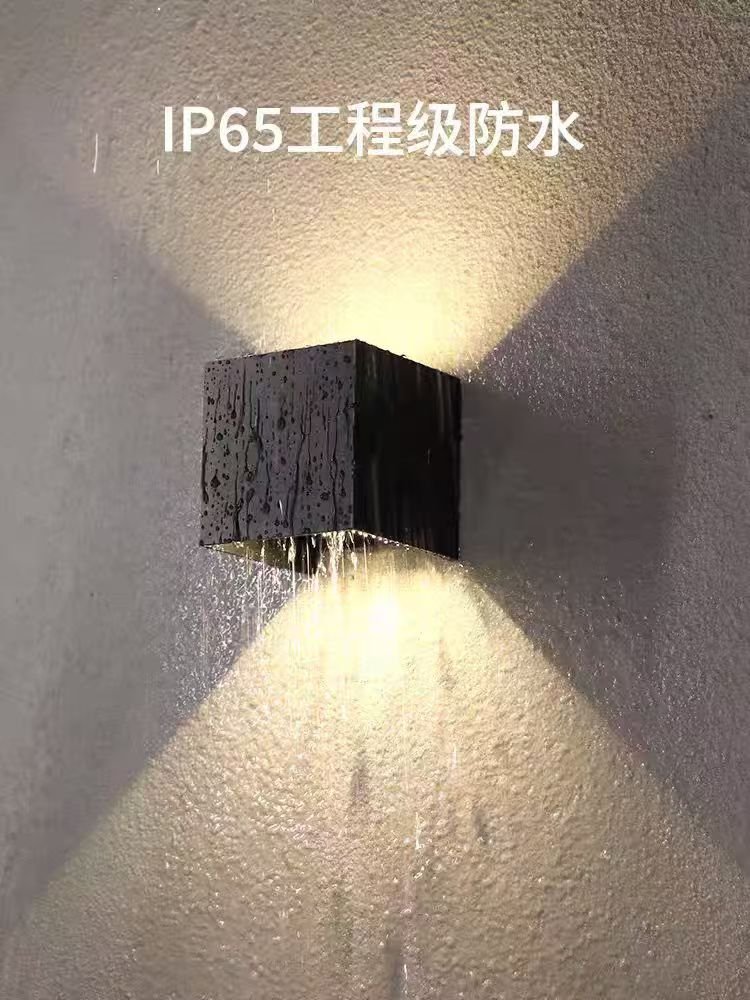
IP65 waterproof performance
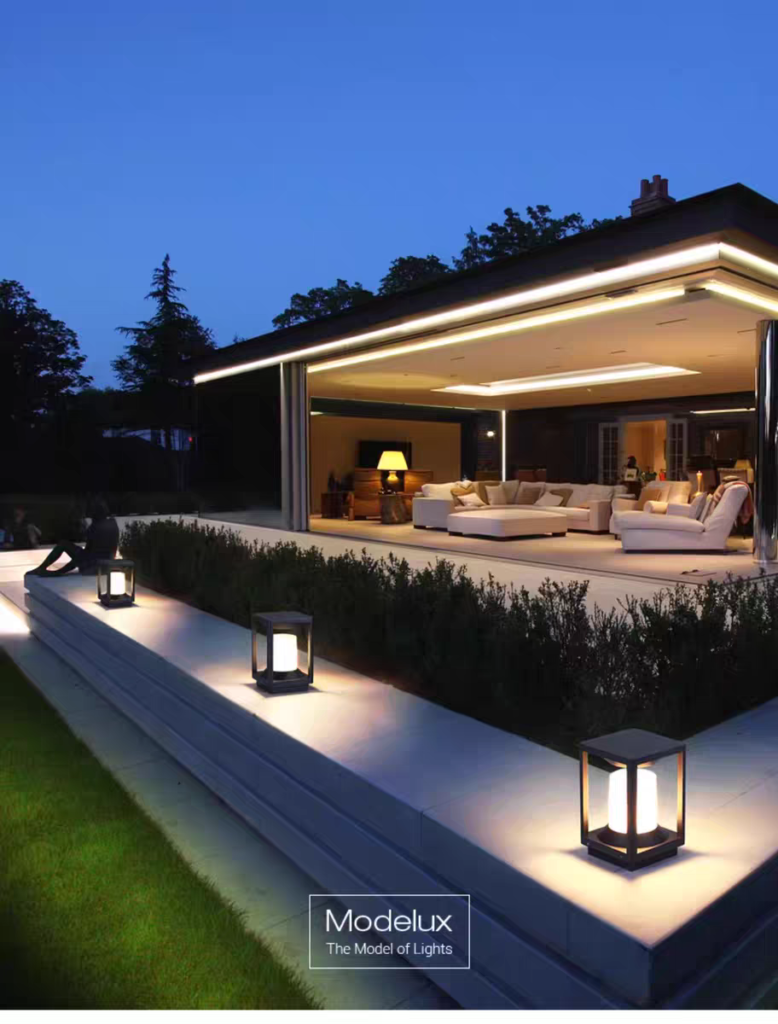
In luxury villa and hospitality projects, bollard lighting is no longer used only for visibility. It also defines movement, enhances architectural structure, and improves nighttime ambiance.
Professional contractors increasingly focus on bollard lights spacing because layout design directly impacts project quality and maintenance costs.
👉 Learn more about LED lighting efficiency improvements
2.Understanding Bollard Lights Spacing Principles
Proper bollard lights spacing depends on several technical factors:
- Fixture height
- Beam angle
- Lumen output
- Pathway width
- Installation environment
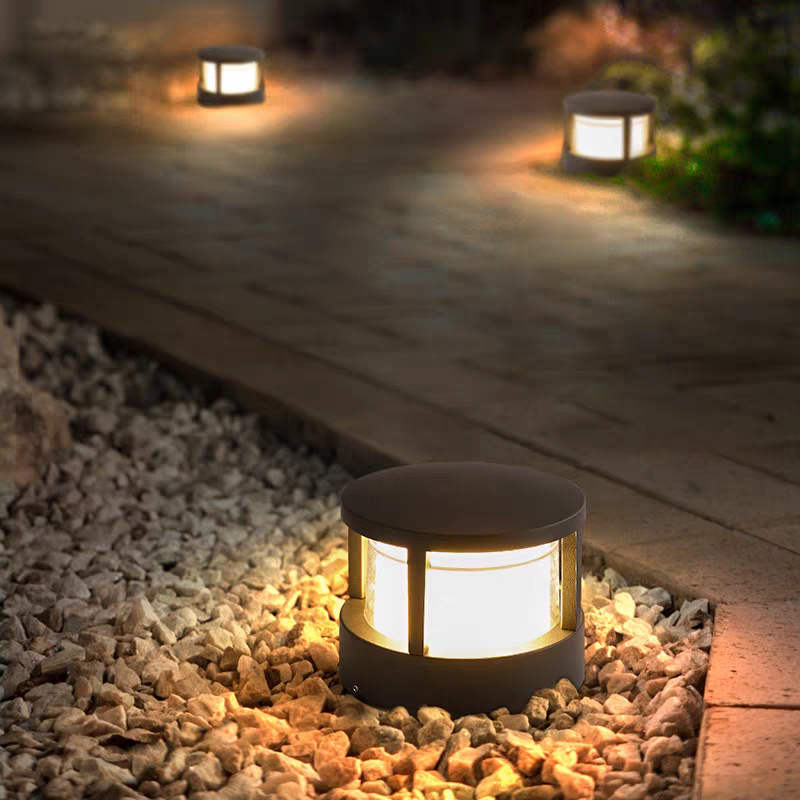
For most garden pathways, the recommended spacing is between 2.5 and 4 meters depending on brightness levels and fixture design.
Low-height bollard lights usually require shorter spacing because the light distribution area is smaller. Higher fixtures with wider beam angles can cover larger areas effectively.
The goal is to create smooth and consistent illumination without excessive overlap.
3.How to Space Bollard Lights for Different Applications
Different projects require different spacing strategies.
Residential Garden Pathways
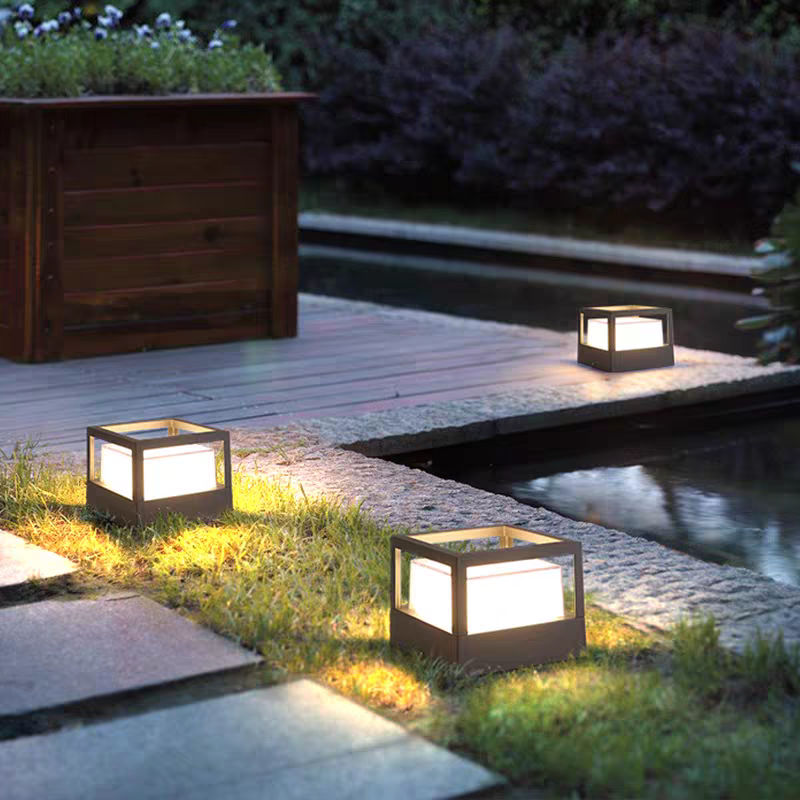
Residential projects typically prioritize comfort and visual softness. Warm lighting with wider spacing creates a relaxed atmosphere.
Recommended spacing:
- 2.5–3 meters
- Warm color temperature (3000K)
- Soft indirect lighting
Commercial Outdoor Areas
Hotels, office parks, and public pathways require stronger illumination for safety and visibility.
Recommended spacing:
- 3–4 meters
- Higher lumen output
- More uniform brightness
Villa Entrances and Driveways
Entrance lighting should combine safety with decorative impact.
Recommended layout:
- Symmetrical fixture placement
- Consistent spacing along pathways
- Combined use of bollard and wall lighting
👉 See more LED outdoor wall lights
4.Technical Factors That Affect Bollard Lights Spacing
Several technical elements influence lighting performance.
Beam Angle
A wider beam angle allows fixtures to cover larger areas, reducing the number of lights required.
Fixture Height
Higher bollard fixtures provide broader coverage but may increase glare if improperly positioned.
Surface Reflection
Stone, concrete, and light-colored pathways reflect more light than dark surfaces, affecting perceived brightness.
Waterproof and Material Quality
Outdoor lighting systems must withstand harsh environments.
Professional-grade fixtures should include:
• ADC12 die-cast aluminum housing
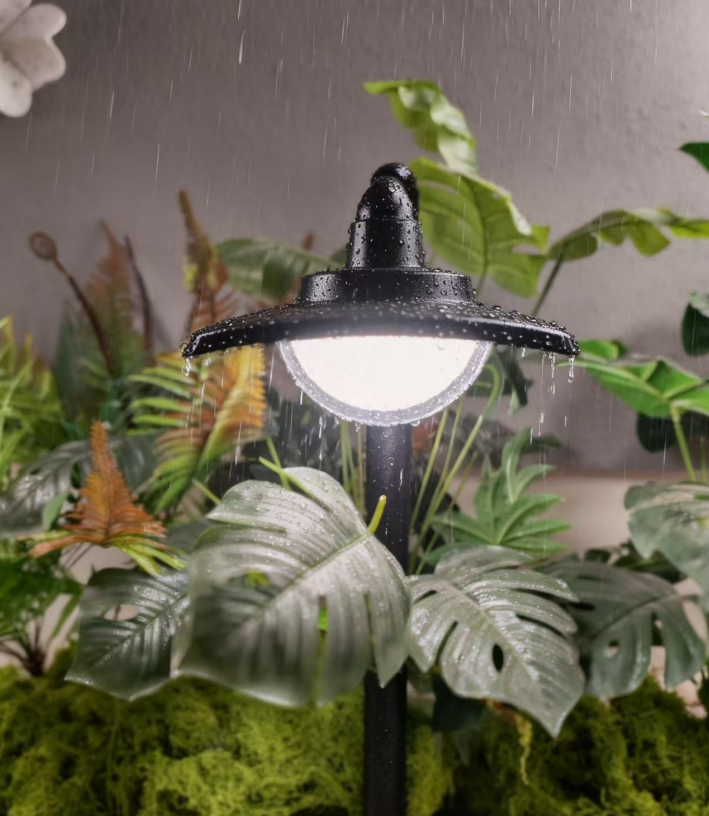
• IP65 waterproof protection
• UV-resistant powder coating
👉 Learn more about IP65 waterproof standard
These features improve durability in desert, coastal, and high-humidity environments.
5.Common Mistakes in Bollard Lights Spacing
Improper layout design often leads to poor project results.
Common mistakes include:
Placing fixtures too far apart
Installing lights at inconsistent distances
Ignoring beam angle specifications
Using excessive brightness levels
These issues create uneven lighting and reduce overall visual quality.
Professional planning helps avoid unnecessary maintenance and replacement costs.
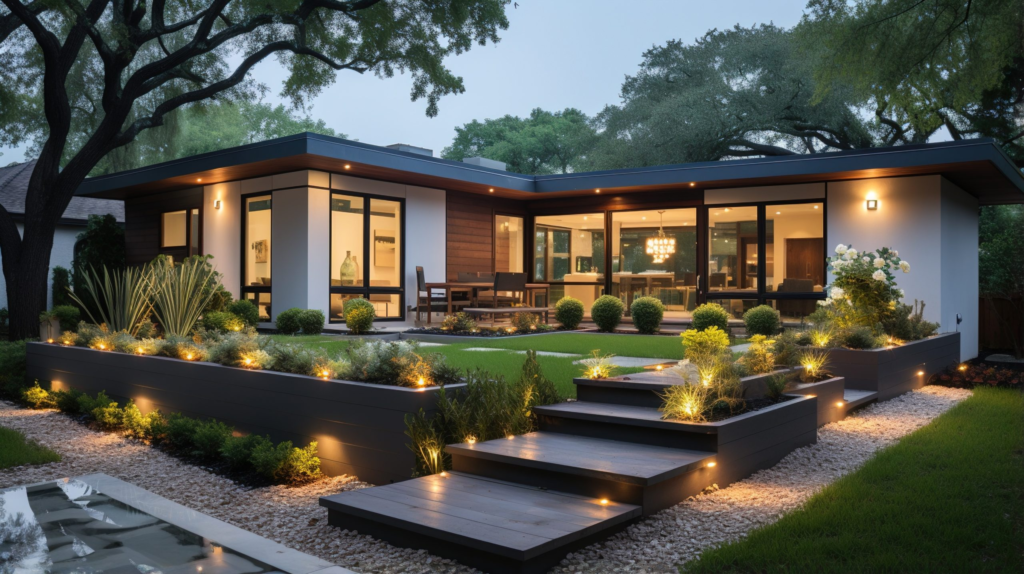
6.Professional Layout Tips for Better Landscape Lighting
To improve your bollard lights spacing results, follow these professional recommendations:
Test fixture positions before final installation
Maintain consistent spacing throughout pathways
Use layered lighting with wall lights and step lights
Avoid excessive brightness in residential areas
Landscape lighting should guide movement naturally while maintaining visual balance.
7.Choosing the Right Bollard Lights
Choosing the right fixture is equally important as spacing design.
When selecting products, consider:
IP65 waterproof rating
Material durability
LED driver stability
Color temperature
Installation environment
For coastal and desert projects, die-cast aluminum fixtures with powder coating are strongly recommended due to their corrosion resistance and heat dissipation performance.
👉 Work with a trusted outdoor lighting supplier
FAQ
Q1: What is the ideal spacing for bollard lights?
For most garden pathways, spacing between 2.5 and 4 meters is recommended depending on fixture brightness and beam angle.
Q2: Should bollard lights be staggered or symmetrical?
Straight pathways often use symmetrical layouts, while curved landscapes may benefit from staggered placement for more natural lighting distribution.
Q3: What waterproof rating is recommended for outdoor bollard lights?
Professional outdoor projects should use at least IP65-rated fixtures for reliable long-term performance.
Conclusion
Understanding bollard lights spacing is essential for creating safe, visually balanced, and professional outdoor lighting systems.
Correct spacing improves visibility, enhances architectural aesthetics, and reduces maintenance costs over time. By combining proper layout planning with durable IP65-rated fixtures, contractors and distributors can achieve better project results in both residential and commercial environments.
CTA
Contact us for a free sample.
Get a customized quote today for your outdoor lighting project.