Rust-Proof Outdoor Wall Lights: The ADC12 Aluminum Solution

Why Do Outdoor Wall Lights Rust and Bleed? The ADC12 Aluminum Solution

“Installed modern black sconces 6 months ago on my new stucco wall. Now they are rusting and bleeding orange stains down my siding. Total nightmare.”

This real-life complaint from a popular home improvement forum perfectly captures the catastrophic failure of cheap exterior fixtures. For architectural designers and commercial contractors, sourcing genuine rust-proof outdoor wall lights is not just an aesthetic preference; it is a strict financial necessity to prevent severe property damage and endless warranty claims. This guide explores the root chemical causes of fixture corrosion and reveals the ultimate engineering answer used by top B2B lighting suppliers: the ADC12 aluminum solution

Industry Background: The Hidden Cost of Corrosion

The architectural exterior lighting market is expanding rapidly, with developers investing heavily in modern, minimalist building facades. However, this massive investment is frequently undermined by the hidden costs of metal corrosion. According to global metallurgical studies, metallic corrosion across infrastructure costs the global economy billions annually

When retail-grade lighting manufacturers attempt to cut costs, they frequently substitute premium alloys with thin stamped steel or low-grade iron composites. In environments with high humidity, frequent rainfall, or saline coastal air, these inferior metals undergo rapid oxidation. The resulting iron oxide (rust) does not just destroy the fixture; it mixes with rainwater and “bleeds” down the building’s exterior, permanently staining expensive stucco, concrete, and premium marble facades. For B2B importers and wholesale distributors, supplying these sub-par fixtures guarantees a destroyed reputation. Consequently, the commercial lighting sector is experiencing a massive shift toward specialized metallurgical standards, strictly requiring heavy-duty, rust-proof outdoor wall lights manufactured from high-grade aluminum.

1. The Science of Corrosion: Why Do Outdoor Wall Lights Rust?

To prevent facade damage, we must first understand the basic chemistry of oxidation. Standard retail fixtures are often manufactured from ferrous metals (metals containing iron) because they are incredibly cheap and easy to stamp into shape during mass production.

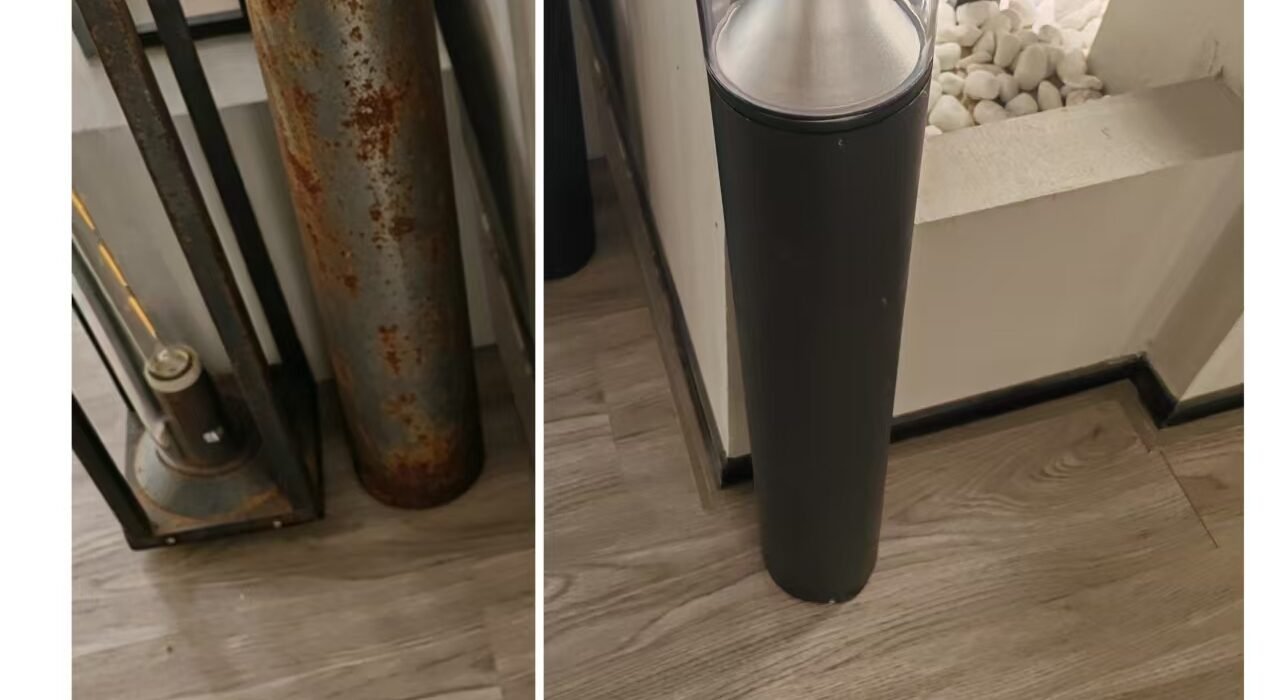
When these iron-based fixtures are exposed to atmospheric oxygen and moisture, a relentless chemical reaction occurs, forming iron oxide. This destructive process is drastically accelerated by minor surface scratches during installation or thermal expansion that cracks the cheap paint layer. Once the raw metal is exposed, the rust spreads like a virus beneath the coating, causing the paint to blister and flake. If your inventory is not comprised of certified rust-proof outdoor wall lights, a single heavy rainy season is enough to turn a sleek modern black fixture into a crumbling, orange mess.

2. The ADC12 Aluminum Solution for Rust-Proof Outdoor Wall Lights

The definitive engineering answer to preventing iron oxidation is to eliminate iron from the equation entirely. At DFMJ Lighting, we construct our commercial exterior fixtures utilizing premium ADC12 Die-Cast Aluminum.

ADC12 is a specialized industrial aluminum alloy renowned for its extreme environmental resilience and excellent casting properties. By utilizing this advanced material base, we deliver absolute rust-proof outdoor wall lights that survive the harshest climates.

  • Zero Iron Content: Because ADC12 aluminum lacks iron, it is physically impossible for it to produce red rust or “bleed” orange stains down a wall.
  • Self-Healing Oxide Layer: When raw aluminum is exposed to the atmosphere, it instantly forms a microscopic, transparent aluminum oxide layer. This natural layer acts as a permanent shield, preventing further environmental corrosion.
  • Thermal Efficiency: Beyond rust prevention, ADC12 boasts a thermal conductivity of approximately 96 W/m·K. This effortlessly draws destructive heat away from internal LED drivers, massively extending the lifespan of the electronic components.
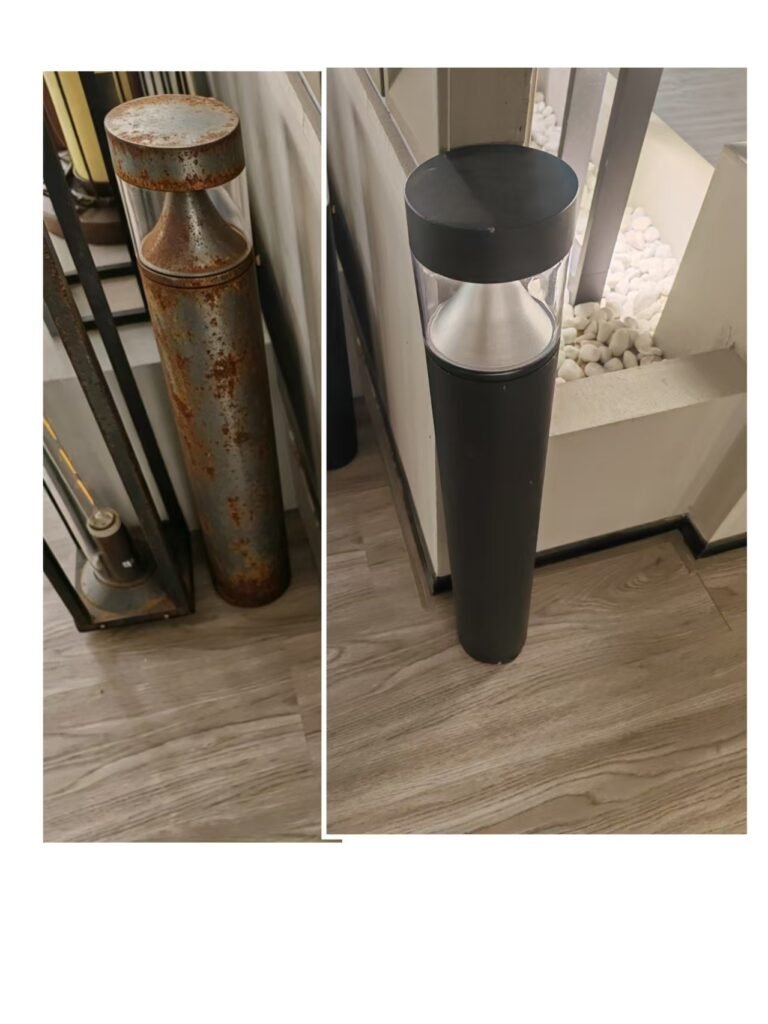
ADC12 die-cast aluminum rust-proof outdoor wall lights vs cheap rusting steel fixture

3. Coastal Environments and the High-Salinity Challenge

While standard aluminum naturally resists basic oxidation, coastal environments present a unique and aggressive threat: galvanic corrosion driven by salt air. If a luxury villa or hotel is located near the ocean, the airborne salt (sodium chloride) can pit and degrade standard untreated metals over time.

To create truly invincible rust-proof outdoor wall lights, DFMJ Lighting applies a multi-stage surface treatment to our ADC12 die-cast aluminum outdoor fixtures. Before painting, the raw aluminum undergoes a rigorous chromate conversion coating process. Following this, we apply a marine-grade, UV-stabilized powder coating that is cured at high temperatures. This advanced encapsulation ensures that salt, humidity, and extreme UV rays never reach the base metal, guaranteeing a flawless matte finish for decades.

4. How Rust “Bleeding” Damages Expensive Stucco and Facades

The failure of a cheap wall light rarely ends with just a broken lamp. The phenomenon known as “rust weeping” or “rust bleeding” occurs when rainwater washes over a corroding iron fixture, carrying dissolved iron oxide down the vertical surface of the building.

This toxic, acidic runoff penetrates porous architectural materials like stucco, limestone, and high-end exterior timber. Once these deep orange stains set in, they are nearly impossible to remove without aggressive chemical acid washing or complete repainting—a remediation process that can cost thousands of dollars per wall. Specifying heavy-duty rust-proof outdoor wall lights acts as a crucial insurance policy, protecting the massive capital investment of the building’s exterior architecture.

5. Procurement Checklist: How to Source Rust-Proof Outdoor Wall Lights

For B2B wholesale buyers, architectural distributors, and engineering contractors, filtering out cheap imitations is critical for maintaining your supply chain’s integrity. Use this step-by-step checklist to ensure you are purchasing genuine rust-proof outdoor wall lights:

  1. The Magnet Test: A simple magnet will instantly reveal cheap iron. If a magnet sticks to the fixture housing, it contains ferrous metal and will inevitably rust. Authentic ADC12 die-cast aluminum is completely non-magnetic.
  2. Weight Evaluation: Die-cast aluminum fixtures carry a distinct, solid structural density compared to ultra-lightweight stamped steel or brittle plastic composites.
  3. Hardware Inspection: Check the exposed screws and mounting brackets. Even if the housing is aluminum, cheap iron screws will rust and bleed. Premium B2B lighting suppliers use only 304 or 316 stainless steel hardware for external joints.
  4. Surface Finish Verification: Ask the factory about their coating process. Ensure they utilize a multi-layer, high-temperature powder coating designed specifically for exterior environmental exposure and UV resistance.

6. Frequently Asked Questions (FAQ)

Q1: Will stainless steel outdoor lights eventually rust? While standard 304 stainless steel is highly resistant, it can still develop “tea staining” or surface rust in high-salinity coastal areas. For ultimate peace of mind across all global climates, ADC12 die-cast aluminum finished with marine-grade powder coating is the superior, maintenance-free choice.

Q2: How do you clean and maintain ADC12 aluminum wall lights? Because our fixtures are true rust-proof outdoor wall lights, maintenance is incredibly simple. A gentle wipe with a microfiber cloth and mild soapy water once or twice a year is sufficient to remove surface dust and keep the high-transmittance lens crystal clear.

Q3: Can your factory provide customized colors for these die-cast aluminum fixtures? Yes. As a direct manufacturer, DFMJ Lighting offers full OEM/ODM manufacturing flexibility. We can apply our anti-corrosion powder coating in custom architectural colors—such as Matte Sand Black, Space Grey, or Architectural Bronze—to perfectly match your specific project blueprints. View our custom architectural finishes in the 2026 Wall Lamp Collection

Conclusion: Protect Your Facades with Proven Engineering

The hidden costs of structural corrosion can destroy a commercial project’s profitability and severely damage a contractor’s professional reputation. Upgrading to fixtures engineered with ADC12 die-cast aluminum is the only definitive way to prevent rust bleeding and protect luxury building facades. As a dedicated project-grade manufacturer, DFMJ Lighting guarantees that our rust-proof outdoor wall lights will deliver uncompromising durability and aesthetic perfection in any global climate.

Stop repairing damaged walls and start sourcing smarter.

Contact us for a free sample or Get a customized quote today to secure the highest-quality aluminum exterior fixtures for your wholesale inventory!
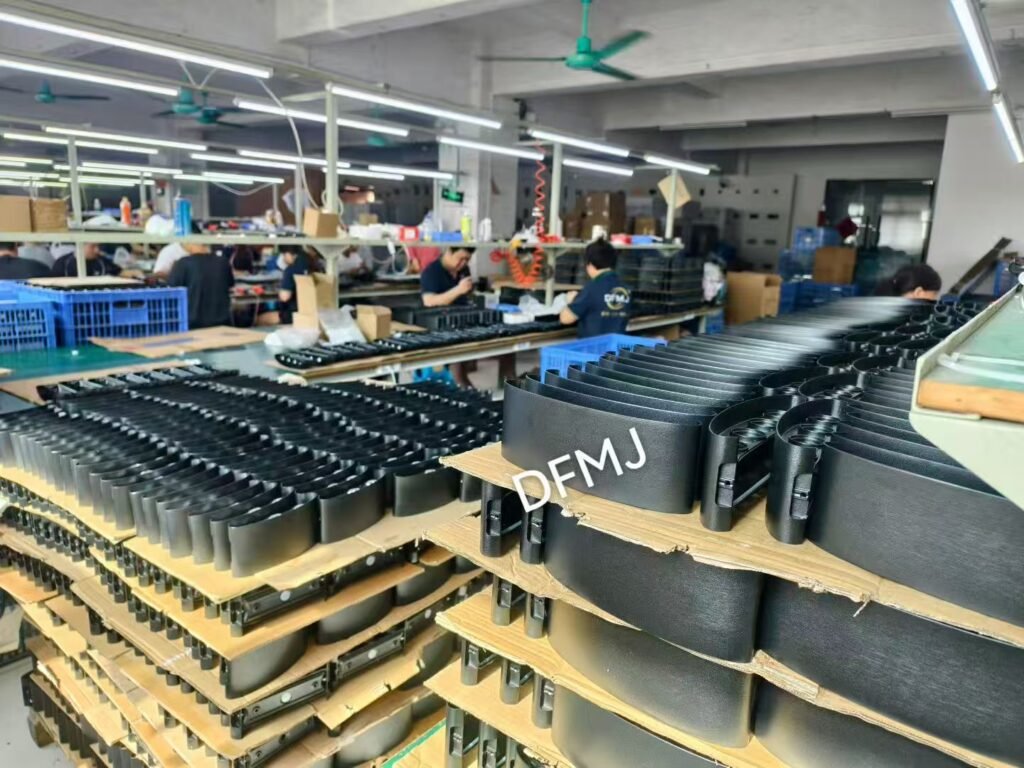
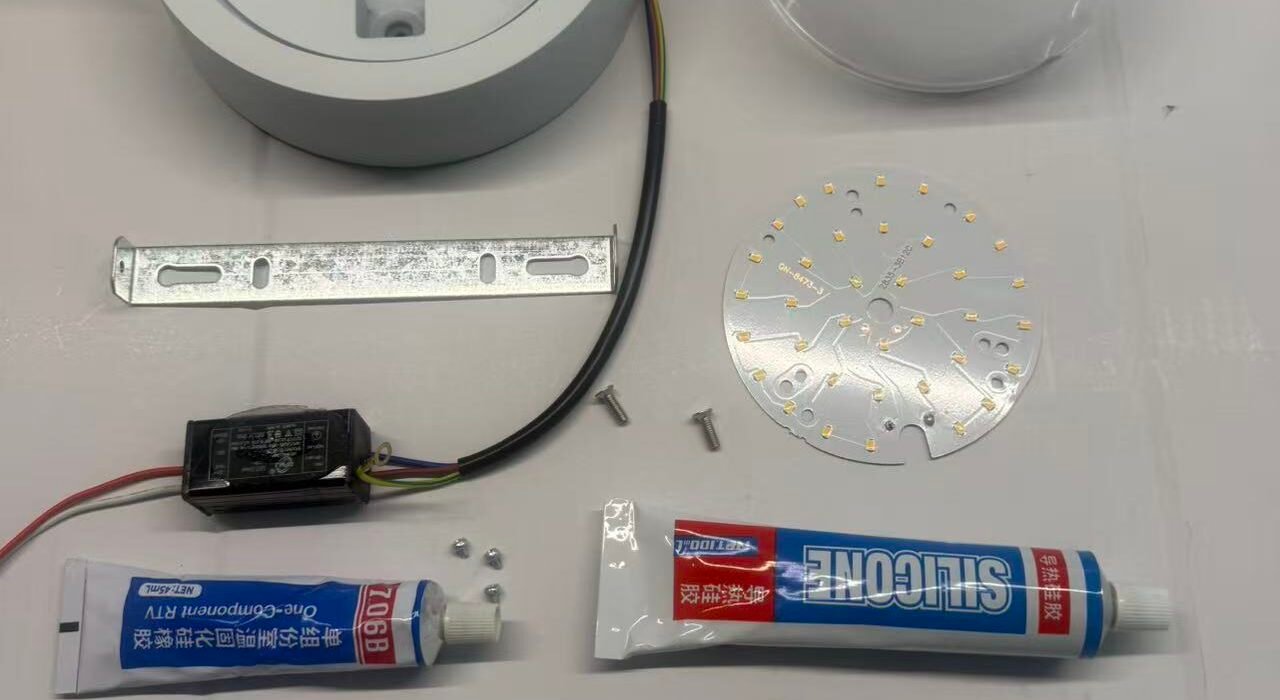
IP65 outdoor wall light supplier manufacturing process
IP65 outdoor wall sconces

Stop Cleaning Dead Bugs: The Truth About IP65 Outdoor Wall Sconces and Silicone Seals

“Why are my outdoor wall sconces always full of dead bugs and condensation? I clean them out every month, but it’s disgusting and it keeps shorting out the bulbs!”

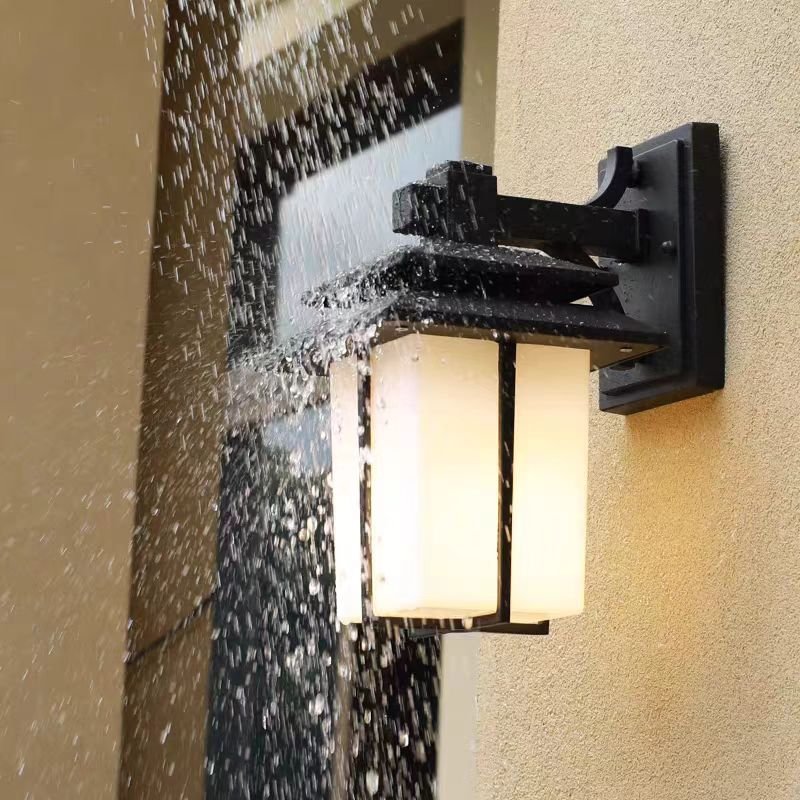
If you browse architectural forums or home improvement communities like Reddit, this is undeniably one of the most frequent complaints from homeowners and engineering contractors worldwide. When night falls, illumination naturally attracts phototactic insects. If a fixture lacks professional-grade sealing, these beautiful architectural lights quickly transform into “bug graveyards” and miniature aquariums. For B2B procurement managers and architects, specifying genuine IP65 outdoor wall sconces is not merely an aesthetic choice; it is a mandatory requirement to eliminate catastrophic post-installation maintenance costs.

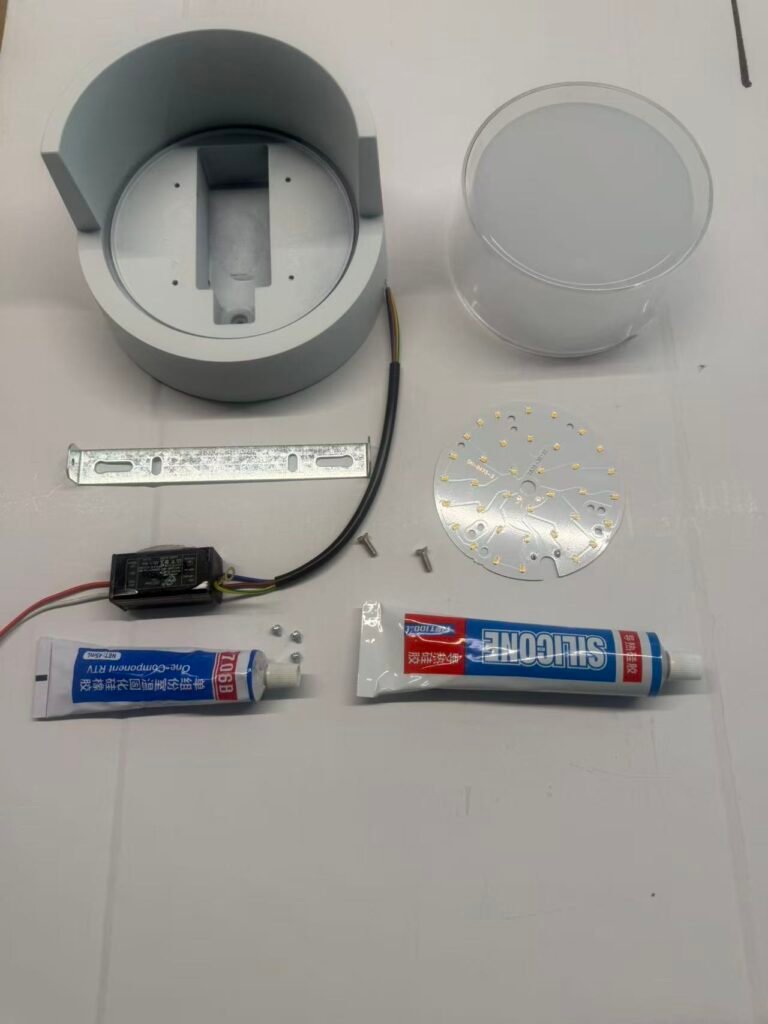
IP65 silicone gasket sealing structure in outdoor wall sconces

IP65 silicone gasket sealing structure in outdoor wall sconces

Industry Background: The Lie Behind Cheap “Waterproof” Labels

In the global outdoor lighting market, almost every manufacturer prints the word “Waterproof” on their packaging. However, according to the International Electrotechnical Commission (IEC) standards on Ingress Protection, not all waterproof ratings are capable of blocking microscopic insects and moisture vapor.

Many retail-grade fixtures use cheap vulcanized rubber gaskets. After enduring a few months of intense UV exposure and 50°C summer heat in the Middle East or Central Asia, this cheap rubber ages, shrinks, and cracks. Once the sealing defense is breached, dead bugs accumulate inside the lens, blocking light output. Worse, the subsequent moisture condensation severely corrodes the internal LED drivers, often causing the fixture to fail completely within its first year.

1. Why Cheap Fixtures Become Bug Graveyards (The Vacuum Effect)

To understand how bugs penetrate a seemingly closed fixture, we must examine the physics of thermal expansion and contraction. When standard outdoor lighting operates at night, the internal LED chips and drivers generate significant heat, causing the air inside the housing to expand. When the fixture is turned off in the early morning and begins to cool, a microscopic negative pressure environment (a vacuum effect) is created inside.

If the fixture is not engineered to the strict standards of IP65 outdoor wall sconces, this negative pressure will actively “suck” outside moisture, dust, and light-attracted micro-insects directly into the optical chamber through the compromised rubber seams. The accumulation of dead insects not only makes luxury villa facades look incredibly cheap but also introduces an irreversible risk of electrical short circuits.

2. The Core Role of Silicone Seals in IP65 Outdoor Wall Sconces

To permanently eradicate the pain point of bug and water ingress, engineering-grade lighting manufacturers have completely upgraded their sealing materials. Genuine IP65 outdoor wall sconces absolutely never use standard recycled rubber; instead, they utilize high-density, anti-aging Silicone Gaskets.

Silicone possesses extraordinary weather resistance. Whether facing the scorching 60°C ambient heat of a desert or the freezing -30°C cold of alpine winters, silicone maintains its elasticity and creates a flawless mechanical fit. At DFMJ Lighting, when assembling our ADC12 die-cast aluminum fixtures, customized silicone gaskets are tightly compressed between the lens and the base under high pressure. This creates a vacuum-level protection chamber that is completely dust-tight (IP6X) and resistant to low-pressure water jets (IPX5), leaving absolutely no gaps for insects or moisture to exploit.

IP65 silicone gasket sealing structure in outdoor wall sconces

DFMJ LIGHTING

3. Internal Condensation: How True IP65 Fixtures Eliminate Fogging

Aside from insect ingress, internal water condensation is the second biggest killer of exterior facade lighting. When cold outside air meets the heat generated inside the fixture, a poorly sealed lamp will quickly develop water droplets on the inner surface of the lens.

Professional IP65 outdoor wall sconces solve this by combining heavy-duty ADC12 die-cast aluminum housings with flawless silicone sealing to optimize the thermal conduction path. The die-cast aluminum rapidly draws internal heat out into the surrounding air, significantly reducing the temperature differential between the inside and outside of the fixture. Simultaneously, the impenetrable silicone seal blocks external humid air from entering, physically eliminating the root cause of fogging and condensation.

4. How to Source the Right IP65 Outdoor Wall Sconces for Your Project

To prevent your next commercial project from descending into an endless cycle of cleaning and warranty claims, B2B buyers, wholesalers, and contractors must know how to identify true industrial-grade protection. Here are 4 critical sourcing guidelines:

  1. Verify the Seal Material: Explicitly ask your supplier about the gasket material. If the answer is “standard rubber” instead of “silicone,” reject the product immediately. Rubber simply will not survive a harsh summer.
  2. Confirm the Housing Material: Strongly refuse thin stamped steel or plastic housings. You must specify ADC12 Die-Cast Aluminum to ensure the fixture body does not physically warp or deform during thermal cycling.
  3. Request IP Test Reports: Do not just trust the label on the catalog. Demand that your supplier provides authentic IP65 protection test reports issued by a certified third-party laboratory.
  4. Inspect Cable Gland Sealing: Many fixtures have a well-sealed front lens, but leak water through the rear wiring hole. Premium IP65 outdoor wall sconces always feature a waterproof cable gland at the rear wire entry point.

5. DFMJ’s Factory Testing Standards: Building the Perfect Fixture

At DFMJ Lighting, we understand the strict reliability demands of overseas B2B buyers. To ensure that not a single wall lamp shipped to the Middle East, Central Asia, or anywhere else becomes a “bug collector,” we enforce the following rigorous quality control protocols before shipment:

  • 24-Hour High-Pressure Water Jet Test: Simulating extreme monsoon conditions to guarantee zero moisture penetrates the silicone defense line.
  • High-Temperature Baking Test: Continuous operational testing inside a 60°C aging room to verify the thermal degradation resistance of our silicone gaskets.
  • Salt Spray Powder Coating Test: Ensuring the die-cast aluminum housing will never rust, bleed, or peel, even in high-salinity coastal environments.
  • 100% Isolated Driver Inspection: Guaranteeing that the AC85-265V wide-voltage drivers operate stably within the sealed chamber without flickering.

6. Frequently Asked Questions (FAQ)

Q1: My current wall lights are already full of bugs. Can I just use silicone caulk to seal them myself? We do not recommend this. DIY caulking is rarely perfectly even, and standard residential silicone caulk degrades and cracks quickly under UV exposure. The most permanent and professional solution is to replace them with integrated, die-cast IP65 outdoor wall sconces.

Q2: If the seal is so tight, how does the internal LED heat escape? This is exactly why we insist on using ADC12 die-cast aluminum. This high-grade aluminum alloy boasts a thermal conductivity of roughly 96 W/m·K. It acts as a massive heat sink, rapidly pulling the heat out of the sealed chamber and dissipating it into the air, perfectly balancing bug/water protection with highly efficient thermal management.

Q3: Can luxury crystal wall lamps also be bug-proof and waterproof? Absolutely. DFMJ’s Luxury Crystal Collection utilizes the same rigorous silicone compression technology. The combination of high-transmittance crystal glass and IP65 sealing ensures the fixture never turns yellow or brittle, maintaining its crystal-clear elegance permanently.

Conclusion: Choose Professional Engineering, Say Goodbye to Maintenance

The success of architectural lighting often comes down to the microscopic details you cannot easily see. A high-quality silicone gasket can save you from countless maintenance cleanings and client complaints over the coming years. As a direct-source factory dedicated to solving real-world engineering pain points, every series of IP65 outdoor wall sconces manufactured by DFMJ Lighting is built to be the strongest shield for your project’s reputation.

Do not let cheap sealing materials ruin your luxury building facades.

Contact us for a free sample or Get a customized quote today, and experience a truly maintenance-free, project-grade outdoor lighting solution!

Add to cart