
Introduction
How to design outdoor lighting is a key question for homeowners and contractors planning exterior projects. A well-designed lighting system improves safety, highlights architectural features, and creates a comfortable outdoor environment.
Unlike indoor lighting, outdoor lighting must balance functionality, durability, and visual impact. With proper planning and product selection, you can achieve both performance and design goals.
If you are starting a project, explore a full range of solutions in our outdoor lighting collection.
Understanding How to Design Outdoor Lighting
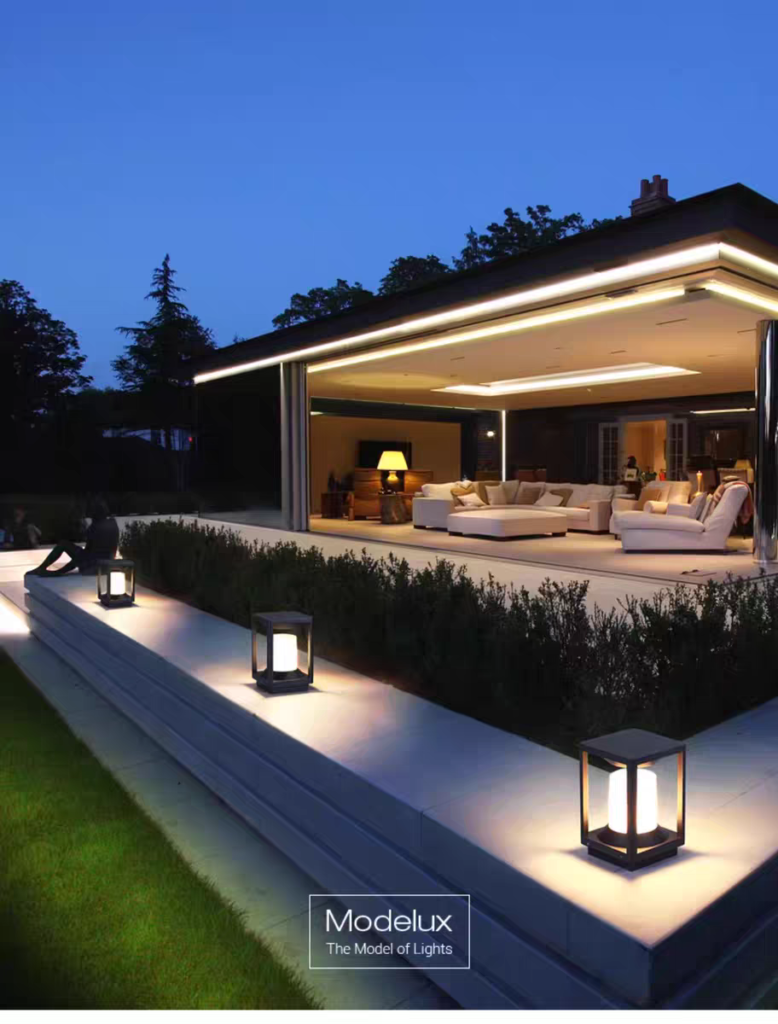
When learning how to design outdoor lighting, the first step is understanding the purpose of lighting.
Outdoor lighting usually serves three main functions:
- Safety lighting for pathways and stairs
- Functional lighting for entrances and working areas
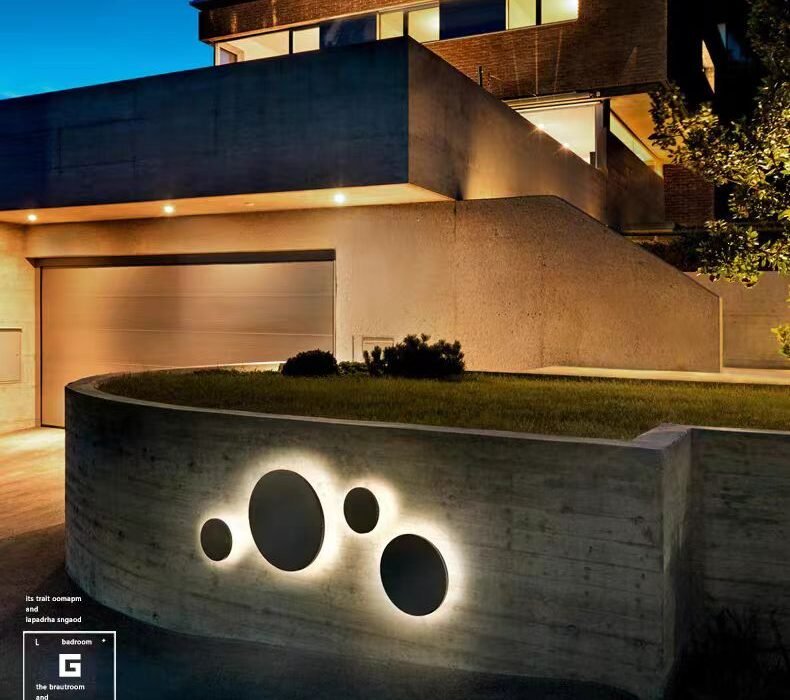
- Decorative lighting for architectural features
A balanced design combines all three elements.
How to Plan Outdoor Lighting Layout
A clear layout is essential when considering how to design outdoor lighting effectively.
Start by dividing your outdoor space into zones:
- Pathways and walkways
- Building facades
- Garden and landscape areas
- Entrance and gate areas
Planning zones helps create a structured lighting system and prevents uneven brightness.
Choosing the Right Fixtures for Outdoor Lighting
Selecting the right fixtures is a key part of how to design outdoor lighting.
Common options include:
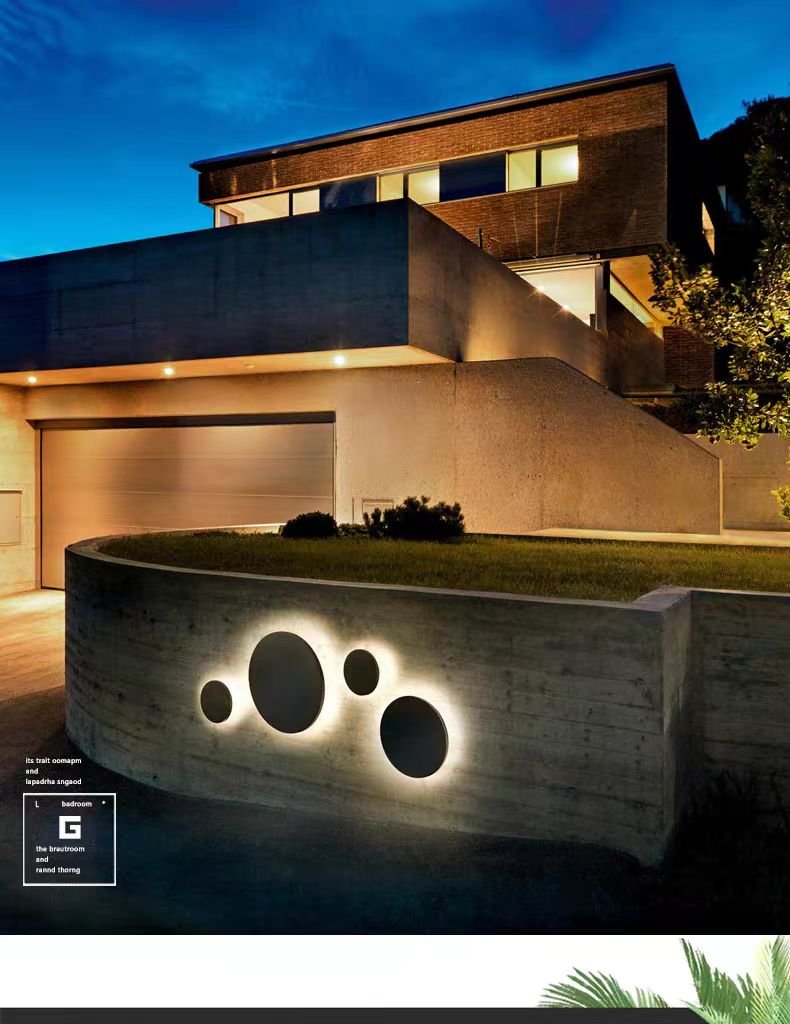
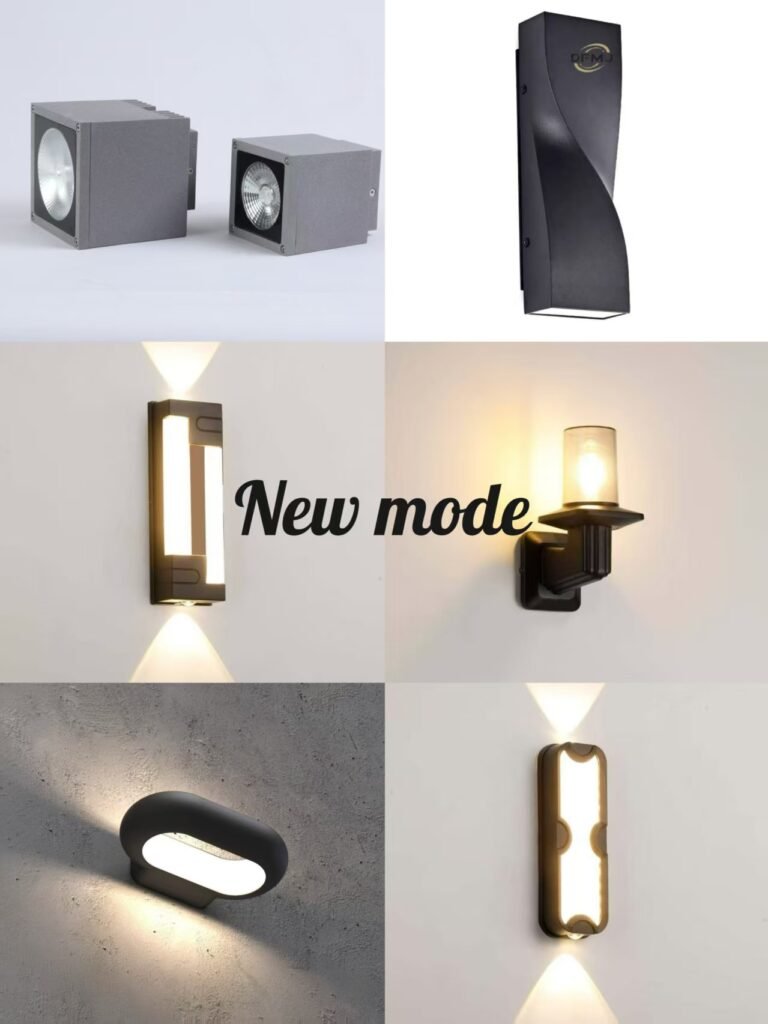
- Wall lights for building facades
- Bollard lights for pathways
- Step lights for stairs
- Pillar lights for entrances
👉 See more LED outdoor wall lights
Each type plays a specific role in the overall lighting design.
Using Layered Lighting Design
A professional approach to how to design outdoor lighting is layered lighting.
This includes:
• Ambient lighting for general visibility
• Task lighting for functional areas
• Accent lighting for highlighting features
Layered lighting improves both usability and visual appeal.
Safety and Waterproof Considerations
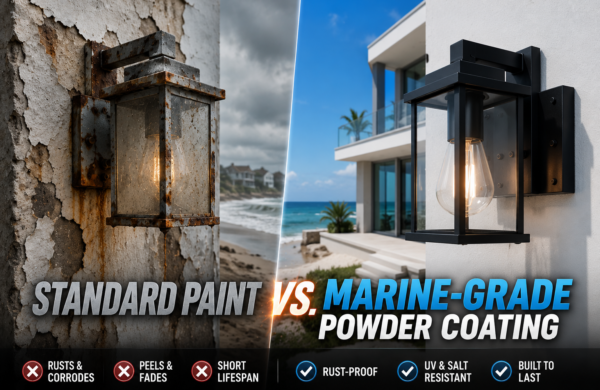
Outdoor lighting must be safe and durable.
Important factors include:
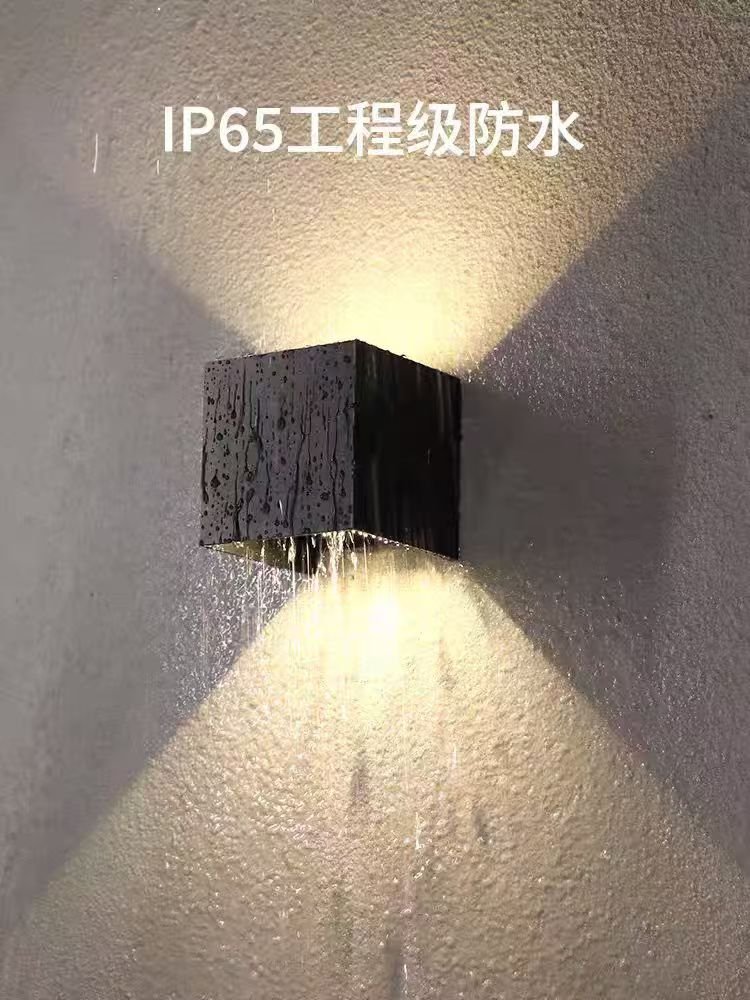
- Waterproof rating (IP65 or higher)
- Stable wiring and connections
- Proper installation height
👉 Learn more about IP65 waterproof standard
These factors ensure long-term performance in outdoor environments.
Common Mistakes in Outdoor Lighting Design
Many issues come from poor design decisions:
- Over-lighting or excessive brightness
- Poor fixture placement
- Ignoring waterproof requirements
- Lack of planning
Avoiding these mistakes leads to better results and lower maintenance costs.
Professional Tips for Better Outdoor Lighting Design
To improve your results when applying how to design outdoor lighting, follow these tips:
- Use warm light for residential environments
- Maintain consistent spacing between fixtures
- Highlight key architectural features
- Test lighting at night before final installation
These adjustments significantly enhance the final outcome.
Conclusion
Understanding how to design outdoor lighting helps create a safe, functional, and visually appealing outdoor space.
By combining proper planning, correct fixture selection, and quality materials, you can achieve a lighting system that performs well over time.
👉 Get customized outdoor lighting solutions for your project