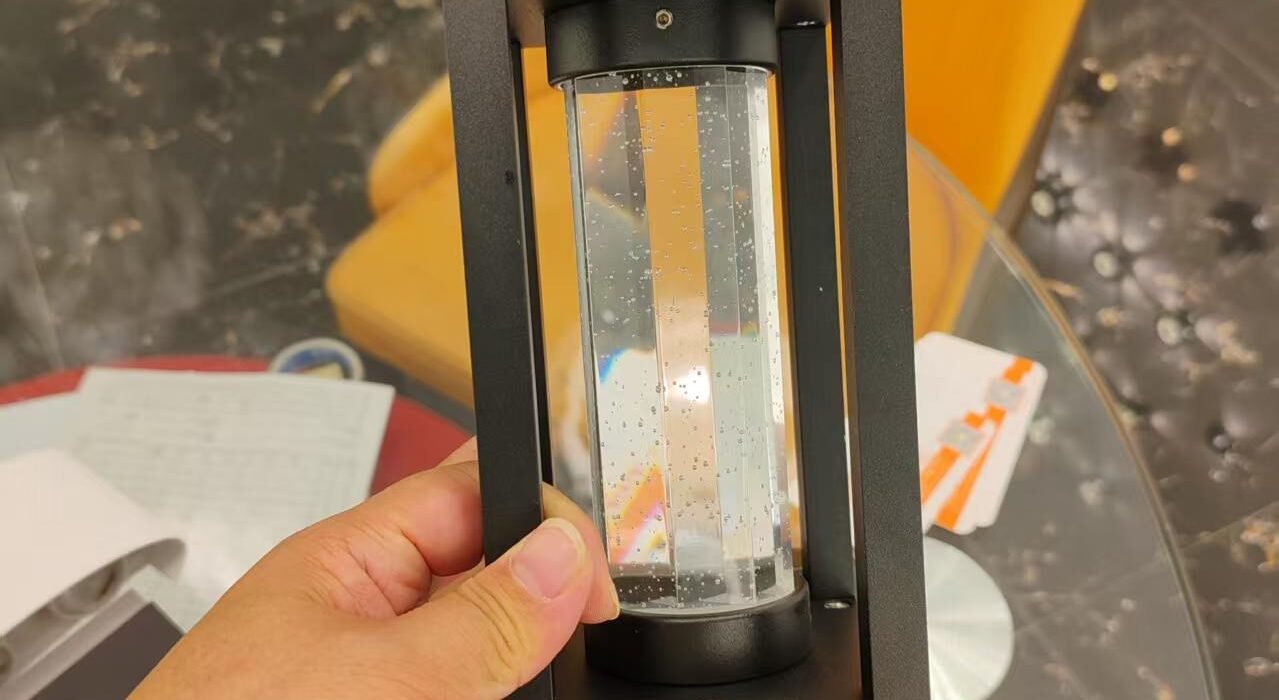

Have you noticed that outdoor lights get water inside after heavy rain, cleaning, or sudden temperature changes?
A small amount of moisture may seem harmless, but persistent water inside an outdoor fixture can lead to corrosion, flickering, driver failure, short circuits, and eventually complete fixture failure.
For homeowners, this can mean replacing a fixture more than once. For wholesalers, distributors, contractors, and project buyers, the cost can be much higher because repeated failures may create warranty claims, additional installation work, project delays, and unhappy customers.
So why do outdoor lights get water inside, even when they are advertised as waterproof?
The answer is not always simply a low IP rating. Water ingress can come from sealing problems, cable entries, installation mistakes, condensation, material aging, or an environment that is more demanding than expected.
Understanding these causes can help B2B buyers select more reliable outdoor lighting.
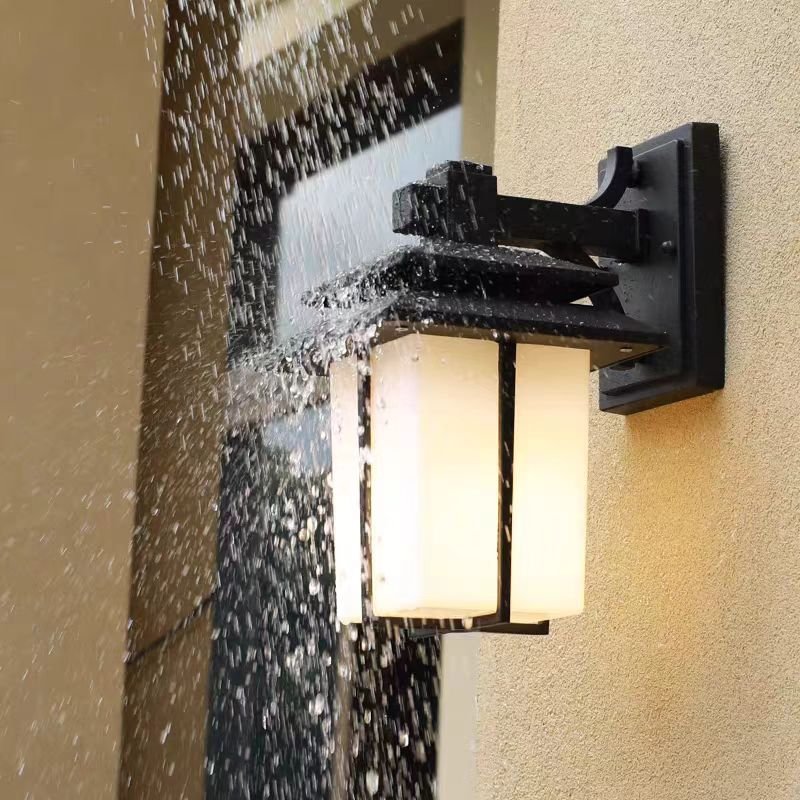
Why Do Outdoor Lights Get Water Inside?
When outdoor lights get water inside, there is usually a path through which moisture has entered or accumulated.
Common causes include:
- Poor or damaged sealing
- Weak cable entry points
- Incorrect installation
- Temperature changes and condensation
- Poor housing construction
- Aging materials
- Using the fixture outside its intended environment
The important point is that waterproof performance depends on the complete fixture construction, not just one specification.
1.Poor Sealing Can Allow Water Ingress
A gasket or sealing ring creates an important barrier between the internal components and the outdoor environment.
If the gasket is poorly designed, incorrectly installed, compressed unevenly, or damaged during assembly, water can eventually find a path into the housing.
For this reason, buyers should pay attention to how the housing is assembled and sealed rather than looking only at the IP number.
A properly designed outdoor fixture should maintain its protective structure throughout normal installation and operation.
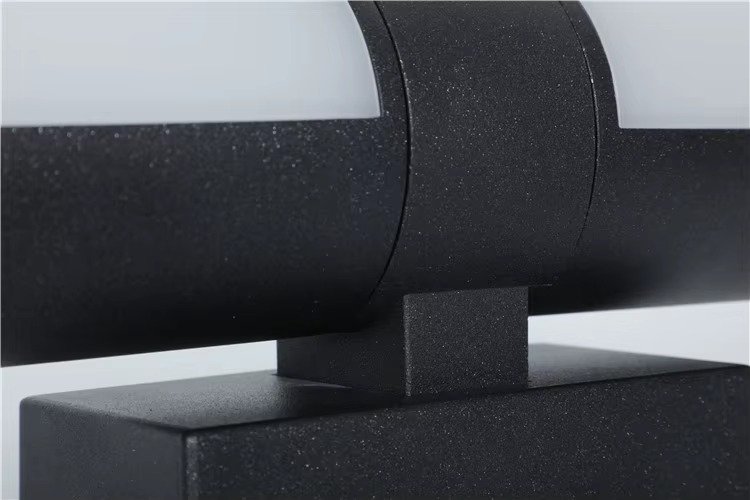
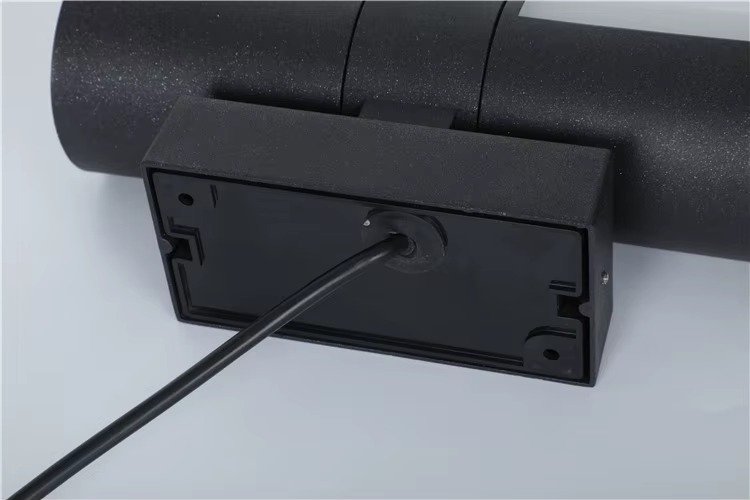
2.Cable Entry Points Are Often Overlooked
The fixture housing may be well sealed, but the cable entry can still become a weak point.
Outdoor cables and connectors are exposed to rain, humidity, and temperature changes. If the cable gland, connector, or entry point is not properly protected, moisture can travel into the fixture.
This is particularly important for landscape lighting, wall lights, garden lights, and other fixtures installed in exposed locations.
When evaluating outdoor lighting, ask the supplier how cables and electrical connections are protected.
3.Temperature Changes Can Cause Condensation
Not all moisture inside an outdoor light necessarily comes directly from rain.
Temperature changes can also contribute to condensation.
When a fixture becomes warm during operation and then cools rapidly after being switched off, changes in internal and external air conditions can create moisture.
This means a fixture can experience internal condensation even when there is no obvious crack or visible opening.
For outdoor lighting projects, environmental conditions and fixture construction should therefore be considered together.
4.Poor Housing Construction Can Create Weak Points
Outdoor fixtures are exposed to wind, rain, dust, UV radiation, and repeated temperature changes.
A poorly constructed housing may develop gaps or weaknesses over time.
Material quality, housing design, joints, screws, sealing surfaces, and surface treatment all contribute to the long-term performance of an outdoor fixture.
For example, die-cast aluminum is commonly used for outdoor lighting because it provides a strong housing and can support effective thermal management when properly designed.
5.Aging Seals and Materials Can Reduce Protection
Even a well-sealed fixture can experience material aging.
Continuous exposure to sunlight, heat, moisture, and temperature fluctuations can affect certain plastics, rubber seals, coatings, and other components.
This is why long-term outdoor performance should be considered when selecting lighting for commercial or landscape projects.
A product that performs well during initial testing still needs suitable materials and construction for the intended operating environment.
6.Installation Can Cause Water Ingress
Sometimes the fixture is not the only issue.
Incorrect installation can compromise waterproof protection.
Examples include:
- Damaging a gasket during installation
- Leaving cable connections exposed
- Installing the fixture in an unsuitable orientation
- Creating water collection points
- Failing to follow the manufacturer’s installation instructions
For B2B projects, installation instructions should therefore be considered part of the product solution.
7.The Environment May Be More Demanding Than Expected
A fixture installed under a covered entrance does not experience the same conditions as one installed beside a swimming pool, in a coastal area, or in an exposed landscape.
Salt air, high humidity, heavy rainfall, dust, and direct sunlight can increase the demands placed on outdoor lighting.
The correct fixture should therefore be selected according to the actual project environment, not simply the product category.
What Does the IP Rating Tell You?
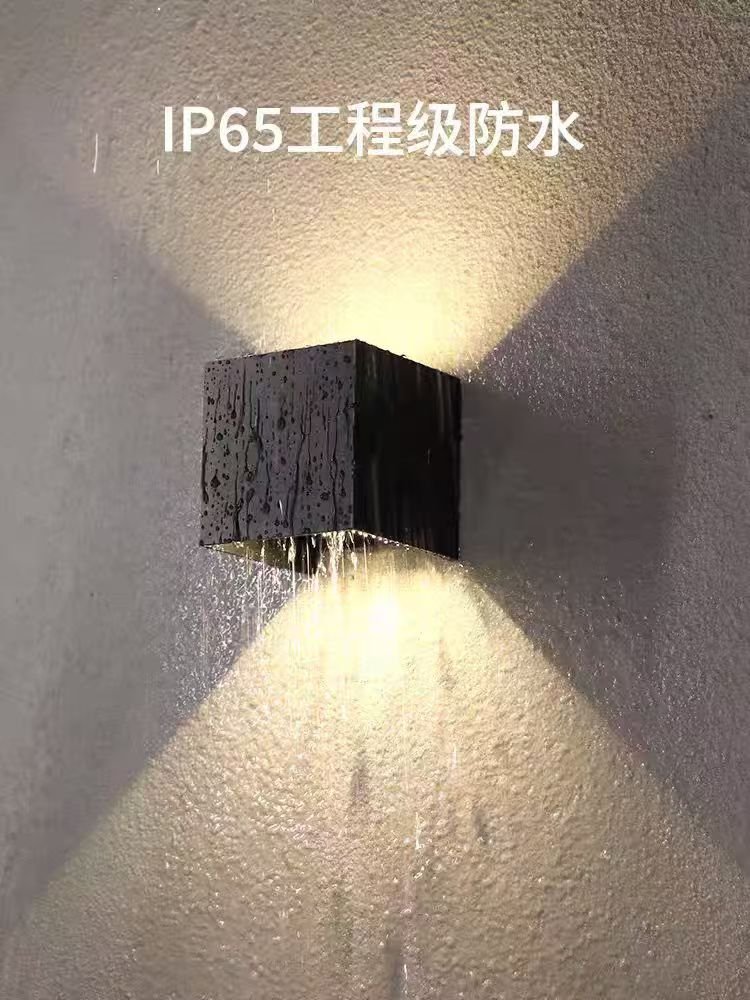
When buying outdoor lighting, you will often see ratings such as IP65 or IP67.
The IP Code is defined under IEC 60529, which classifies degrees of protection provided by enclosures against specific external conditions.
IEC 60529 IP Code standard from the International Electrotechnical Commission
However, an IP rating should not be interpreted as a guarantee that a fixture can never experience water-related problems.
The rating is only one part of the evaluation.
Buyers should also consider:
- Housing construction
- Sealing design
- Cable entry protection
- Material quality
- Installation method
- Environmental conditions
- Product testing and quality control
This is particularly important for large B2B projects where replacing hundreds of installed fixtures can be expensive.
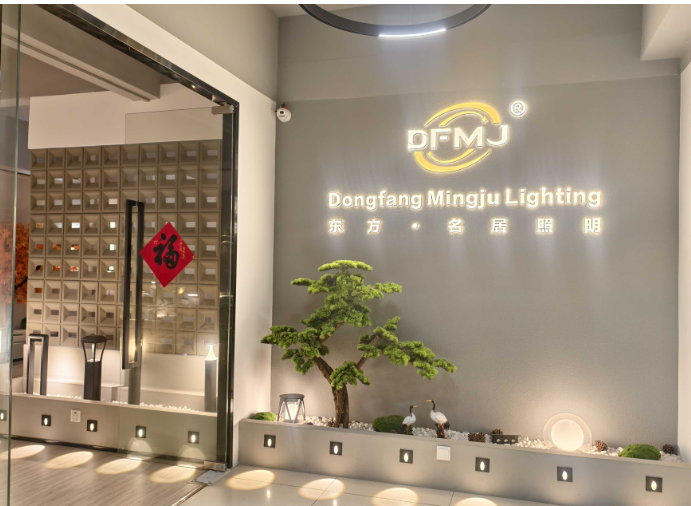
DFMJ Expert Insight: Waterproofing Is a System
At DFMJ Lighting, we believe waterproof performance should be evaluated as a complete system.
A reliable outdoor fixture needs more than an IP number.
The housing, sealing surfaces, cable entry, electrical components, materials, assembly process, and installation conditions all work together.
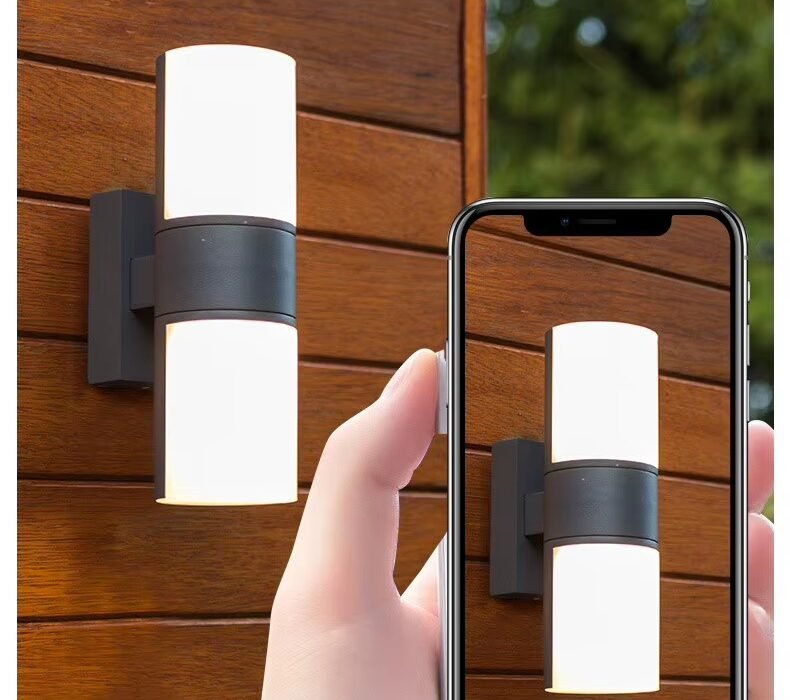
For example, an outdoor wall light may have a strong aluminum housing, but if the cable entry is poorly protected, moisture can still create problems.
That is why we recommend that B2B buyers look beyond catalog specifications and ask suppliers about the actual construction of the fixture.
For projects requiring wall-mounted exterior lighting, you can explore the DFMJ Lighting Outdoor Wall Lights collection.
Real Project Tip: Test Outdoor Lights Before a Large Order
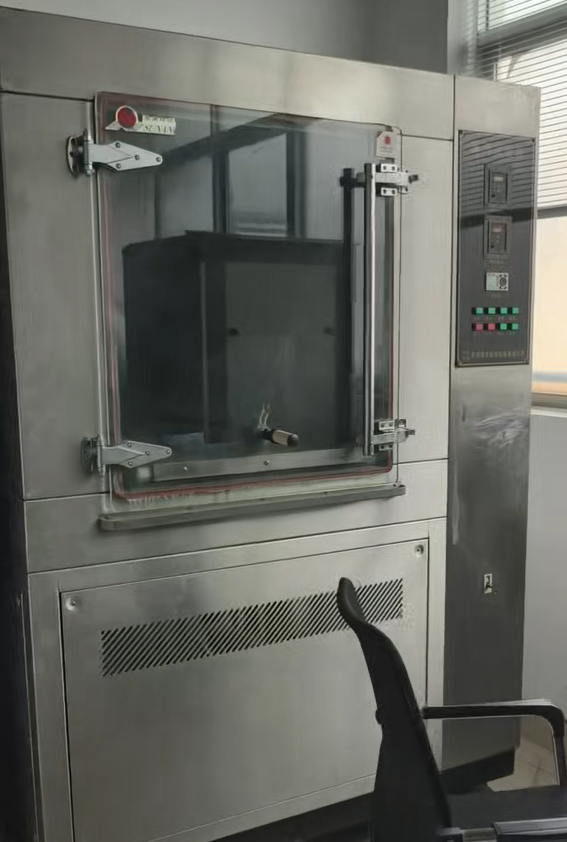
If you are a distributor, contractor, or project buyer, request samples before placing a large outdoor lighting order.
Do not only test whether the lamp turns on.
Check the fixture under conditions similar to the final application.
Look at:
- Housing and sealing construction
- Cable entry and connector protection
- Surface finish and material quality
- Light performance after extended operation
- Condensation or moisture after temperature changes
- Installation requirements
- Suitability for the project’s climate and location
For coastal, tropical, or high-rainfall projects, discuss environmental conditions with the manufacturer before finalizing the product specification.
A sample test is much less expensive than replacing a large quantity of installed fixtures.
How to Prevent Outdoor Lights From Getting Water Inside
If outdoor lights get water inside, replacing the fixture without identifying the cause may lead to the same problem again.
A better approach is to:
- Select an appropriate IP-rated fixture
- Check the sealing and housing construction
- Protect cable entry points
- Follow installation instructions carefully
- Choose materials suitable for the environment
- Test samples before bulk purchasing
- Match the fixture to the actual application
The goal is not simply to find a waterproof number.
The goal is to select an outdoor lighting product that can reliably handle the conditions where it will be installed.
FAQ: Outdoor Lights Get Water Inside
Why do outdoor lights get water inside after rain?
Possible causes include damaged seals, poorly protected cable entries, housing gaps, incorrect installation, or unsuitable fixture construction. Condensation caused by temperature changes can also create moisture inside a fixture.
Does IP65 mean an outdoor light is completely waterproof?
No. IP65 indicates a defined level of protection against dust and water under standardized testing conditions. It does not mean the fixture can never experience moisture-related problems.
Is IP67 better than IP65 for outdoor lighting?
IP67 provides a higher level of protection against temporary immersion than IP65. However, the appropriate rating depends on the actual application and installation environment.
Can condensation damage outdoor LED lights?
Yes. Persistent moisture or condensation can contribute to corrosion, electrical problems, driver failure, and other performance issues.
How can I prevent water from entering outdoor lights?
Choose appropriately rated fixtures, verify sealing and cable-entry construction, follow installation instructions, and select products designed for the actual environmental conditions.
About DFMJ Lighting
DFMJ Lighting provides outdoor lighting solutions for wholesalers, distributors, contractors, and project buyers.
Our product range includes outdoor wall lights, garden lights, bollard lights, step lights, façade lighting, and other exterior lighting products.
With manufacturing experience in outdoor lighting, DFMJ Lighting focuses on practical product construction, waterproof protection, material selection, and project-specific requirements.
For B2B buyers, our objective is not simply to provide a fixture with an attractive specification sheet. We aim to help customers select outdoor lighting that matches the application, environment, and installation conditions.
Need Reliable Outdoor Lighting for Your Project?
If your outdoor lights get water inside, don’t simply replace the fixture and hope the problem disappears.
Identify where the moisture is coming from, evaluate the complete fixture construction, and make sure the product is suitable for the actual installation environment.
If you are sourcing outdoor wall lights, garden lights, bollard lights, or other outdoor lighting products for a B2B project, contact DFMJ Lighting to discuss your requirements.
Contact DFMJ Lighting for outdoor lighting solutions
Related Articles
Why Do Outdoor Lights Trip After Rain? Causes, Fixes, and How to Prevent Water Damage
Outdoor Lights Keep Failing? 7 Causes and How to Prevent It
Outdoor Lights Too Bright? Causes, Fixes & Better Lighting